Spicewood · Travis and Burnet Counties
Septic Risers & Lids in Spicewood, TX
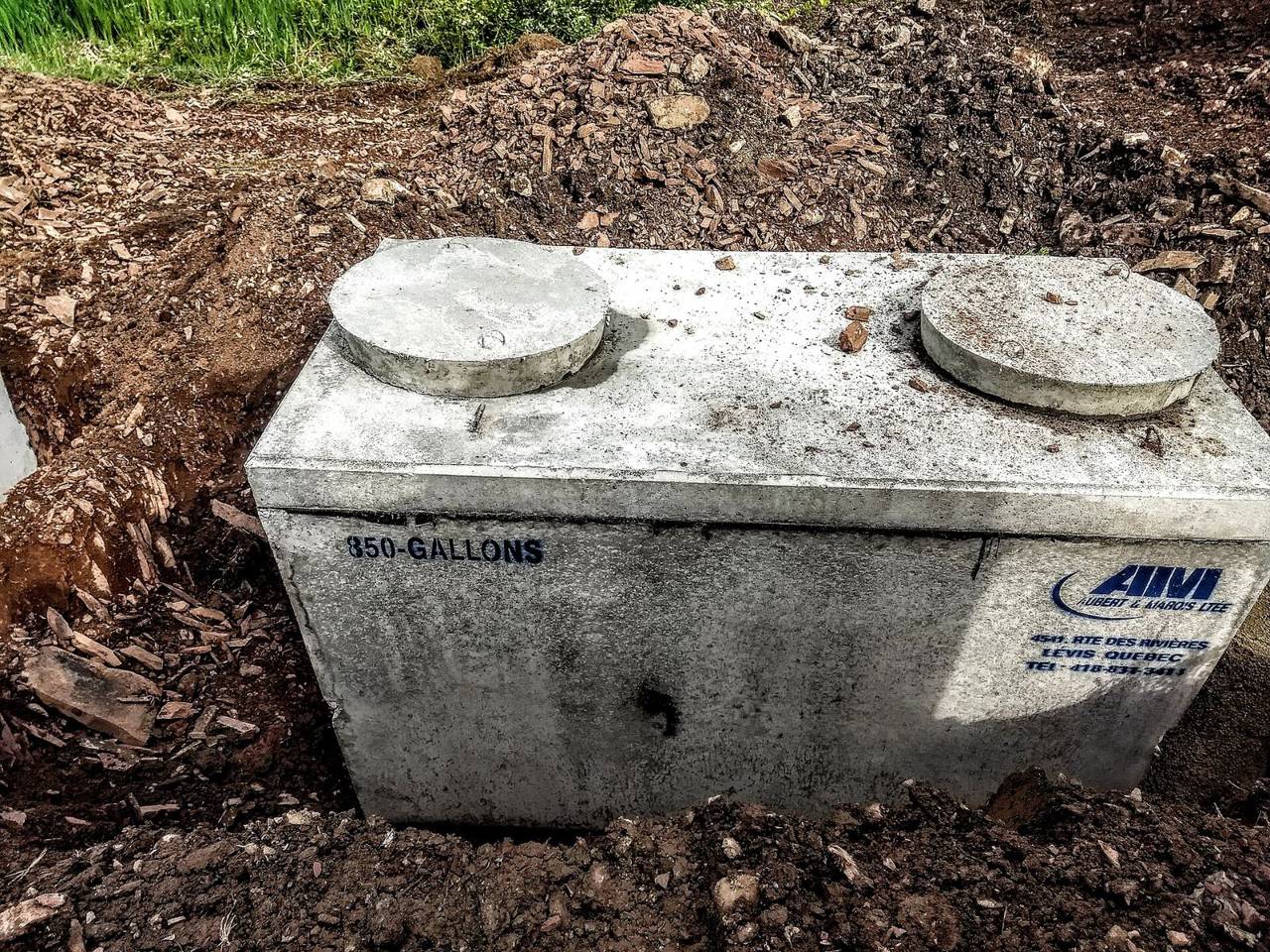
Many older Spicewood properties have tank lids buried under rock, grass or brush. Risers raise the access point to ground level with a secure lid, making service quicker and safer. They also protect livestock, kids and mowers from broken covers. We fit the riser to your tank, seal it and leave it easy to locate. Many owners find the riser pays for itself the first time it saves a dig.
Septic Risers & Lids for Spicewood homes
On many Spicewood properties, the septic tank lid is hidden under grass, gravel or landscaping. Finding it means a probe, a shovel and some guessing. A riser solves that. It is a pipe section, plastic or concrete, that extends the tank opening to ground level and is capped with a secure lid, so the tank can be reached in minutes. Installing a riser on an existing tank starts with locating the opening and digging a clean circle around it. We check the lid and the condition of the tank neck, then fit the riser with a watertight seal. Backfilling with compacted soil prevents settling. The whole process usually takes a short visit, and it leaves a permanent, visible access point.
Safety is a big reason to install risers. Old concrete lids can crack, and a lid that gives way under a child, a pet or a lawn tractor is a serious hazard. Modern lids are lighter, lockable or bolted and designed to resist tampering. Texas rules expect lids to be secure, and replacing a damaged one is among the simplest safety upgrades on a rural property. Material choices are simple. Polyethylene risers resist corrosion and are light enough to handle easily. Concrete is heavy and durable in areas with vehicle traffic. Lids range from basic green plastic to locking composite types. We recommend what suits your tank, your family and your yard, rather than one product for every site. Check lid bolts and gaskets each spring and after any heavy mowing season.
Risers also protect the system. A sealed riser keeps out surface water, roots and debris, which reduces extra flow into the tank and field. In Spicewood, where heavy downpours follow dry stretches, that matters. We set the riser slightly above grade so runoff flows away, seal the joint at the tank and finish with a lid color that blends with the yard. Think about maintenance habits. With a riser you can check the effluent filter, look for sludge and confirm the water level without a shovel. That simple routine means problems show up sooner. For a remote property, it also helps a caretaker or neighbor check the system while you are away. A quarterly look keeps small signs from being missed during a busy year.
What to know in Spicewood
Tall grass and mowing
Rural lots often have long grass and brush. A riser lid at ground level may still be hidden. Mark it with a small stone ring or low planter, and tell whoever mows so blades and tractor wheels avoid it. Mark the area before burn bans or brush work. Equipment operators may not see a low lid, and a mark protects it from heavy tires or blades.
Animals and tampering
Curious dogs, hogs and children test loose lids. Choose a lid with bolts or a lock and check it each season. If a lid is cracked or out of place, keep everyone away and call before anyone steps near it. If you have livestock, keep animals off the area. Hooves can crack plastic lids, and a marked, bolted lid is less likely to be disturbed.
Multiple openings
Aerobic systems and larger tanks may have several openings, such as a pump chamber and a filter. Not every opening needs a riser, but those you access often do. We help you decide which to raise so service stays simple and the cost stays reasonable. Photograph each opening and note its function. Over time, memories fade, and a simple photo log saves a technician from guessing which lid is which.
Signs you may need septic risers & lids
- The lid is below grade and collects water or debris
- Sewage odor rises from the tank area
- Children or pets can easily open the existing cover
- Stormwater is entering the tank around the lid
How septic risers & lids works
Installation is more involved than setting a pipe on top. We locate the tank openings, excavate around them, and inspect the existing lids and seams. Cracked or worn concrete tank lids may need repair or replacement before a riser can seal. The riser is sealed to the opening with the proper gasket or sealant, set plumb and cut to a height that sits at the right elevation above grade. Soil is then backfilled and compacted around it. Areas with rock can slow digging, but they also make easy access more valuable, since future service visits will not require cutting through limestone to find a buried lid. Taking time at this stage prevents leaks and settling that would show up months later.
Risers pay off over time. Lids at the surface mean a pumping crew can start work right away, and an inspector can check baffles and levels without excavation. For aerobic systems, risers also help service providers reach pumps, filters and aerators during required maintenance visits. They matter at sale time, too, because home inspectors and buyers often like to see tank access they can check. Keep the area around your lids clear, check them each season for cracks and loose caps, and keep the locks or fasteners secure. If a lid is cracked, broken or missing, treat it as urgent, and cover the opening safely until it is fixed. These small habits keep the whole system safe, accessible and ready for service whenever you need it.
What to expect on a Spicewood visit
- 01
Locate and assess the tank
We find your tank and its openings using records, probing or locating equipment. We then look at the condition of existing lids, the depth of burial, the number of openings and the material of the tank. This tells us what size and style of riser will fit, and whether any repair is needed first.
- 02
Review rules and your system
We check the access requirements that apply to your system, including the riser height and secure cap rules in 30 TAC 285.38, and any local requirements. Older systems may fall under earlier rules, so we encourage you to confirm what your county expects, especially if risers are part of a larger repair or permit.
- 03
Excavate and inspect
We carefully dig around each opening, taking care not to damage the tank, pipes or wiring. Once the lid is exposed, we inspect it and the tank rim for cracks or wear. If the concrete is damaged, we explain the repair or replacement options before anything gets covered. Careful hand digging near the tank protects it from damage.
- 04
Fit and seal the riser
We choose a riser sized to the opening, set it plumb, and seal it so the connection is watertight. The riser is cut to extend above grade, as required, and fitted with a secure lid and the below-cap restraint. We make sure it is stable and will not shift under mowers or foot traffic.
- 05
Backfill and grade
We backfill and compact soil around each riser, and grade the area so water drains away from the lid instead of toward it. Proper grading helps keep stormwater out of the tank and prevents settling. We clean up the work area and leave the lids clearly accessible. We also check that the lid sits at a safe, visible height.
- 06
Show you the new setup
We walk you through where each lid is, how to secure it and how to check it. We also give you simple tips, such as keeping mulch and planters off the lids and not parking on them. If you have an aerobic system, we point out which lid serves which component.
Our approach in Spicewood
- We locate and open your tank, aerobic unit and dispersal area, including buried lids common on older Spicewood properties
- We explain what we find in plain language, with photos where they help
- Repairs and installs are planned around Travis and Burnet Counties permitting requirements
- You get written options before any repair work begins
- Aerobic visits are recorded for your maintenance contract
Septic conditions around Spicewood
Burnet County Development Services handles septic permitting on its side of the line, and the county ties the process to a 911 address and a building permit, so those steps usually come first for new construction. On the Travis County side, Transportation and Natural Resources acts as the permit authority for unincorporated land under TCEQ's 30 TAC Chapter 285. The LCRA adds another layer near the water. It has regulated septic systems for decades within a zone around Lake Travis, so lakeside lots may fall under its program, and the Burnet County site links to an LCRA jurisdiction map. Texas also requires aerobic systems to be covered by a maintenance contract with a licensed provider. Before you start a repair, replacement or new install, confirm the correct office for your parcel. Phone the permit office early, because a short call can save an application from being sent to the wrong place.
Septic Risers & Lids questions from Spicewood homeowners
Are septic risers required in Burnet or Travis County?
Requirements for lids and access differ by system type and local rules. Many systems need secure, accessible openings. Ask your permitting office, Travis County or Burnet County, what applies to your permit, or ask us what we recommend for your tank type. Rules vary with system type, and many permits require accessible, secure openings. If you are unsure, ask your county or call us. We can describe what typically works for the tank on your property.
How tall should a riser be?
Usually it brings the lid to just above the surrounding grade, enough to shed runoff and stay visible. Too tall looks awkward and invites mower damage. Too low collects water. We tailor height to your yard and the slope near the tank. Height depends on the slope and drainage around the tank. We aim for a small rise above surrounding soil so runoff goes elsewhere, while staying low enough for a mower to clear.
Will a riser make my yard look worse?
A low-profile lid in a neutral color blends in easily. Many owners add a small planter or rock ring. The payoff is easier service and a safer yard. If appearance matters, ask about lid colors when you request a quote. Choose a lid color to match grass or stone, and consider a ring of rock. Your lid then fades into the landscape yet stays easy for service crews to find.
How big does a tank opening need to be?
Under 30 TAC 285.38, the smallest dimension of each inspection or cleanout port opening must be at least 12 inches, and ports must be arranged so the tank can be pumped. Many risers are larger than that, such as 20 or 24 inches, because bigger openings make service easier. Your tank and manufacturer determine what fits. Ask us to check the opening size on your tank, since older tanks vary.
Why does the lid need to be locked or tool-secured?
An open or loose tank lid is a serious danger. People and animals can fall in, and tank gases can overcome a person quickly. Texas rules call for caps that cannot be removed by unauthorized people, such as those secured with locks or fasteners that need tools. A secondary restraint below the cap adds one more layer of protection. Never lift a lid and look inside, because the gases can be dangerous in seconds.
Can I install a riser myself?
Some homeowners do, but it is not as simple as it looks. The riser must fit the opening, seal watertight and sit at the correct height, and tank gases make work around open tanks hazardous. Never enter a tank. If your system is permitted, ask the county whether any approval or notice is needed. Many owners prefer a professional. Even confident do it yourselfers should make safety the first priority.
More about septic risers & lids → · All septic services in Spicewood →
Need septic risers & lids in Spicewood?
Call or send a request. We will ask a few questions about your system and the property, then schedule a visit.