San Marcos · Hays County
Septic Risers & Lids in San Marcos, TX
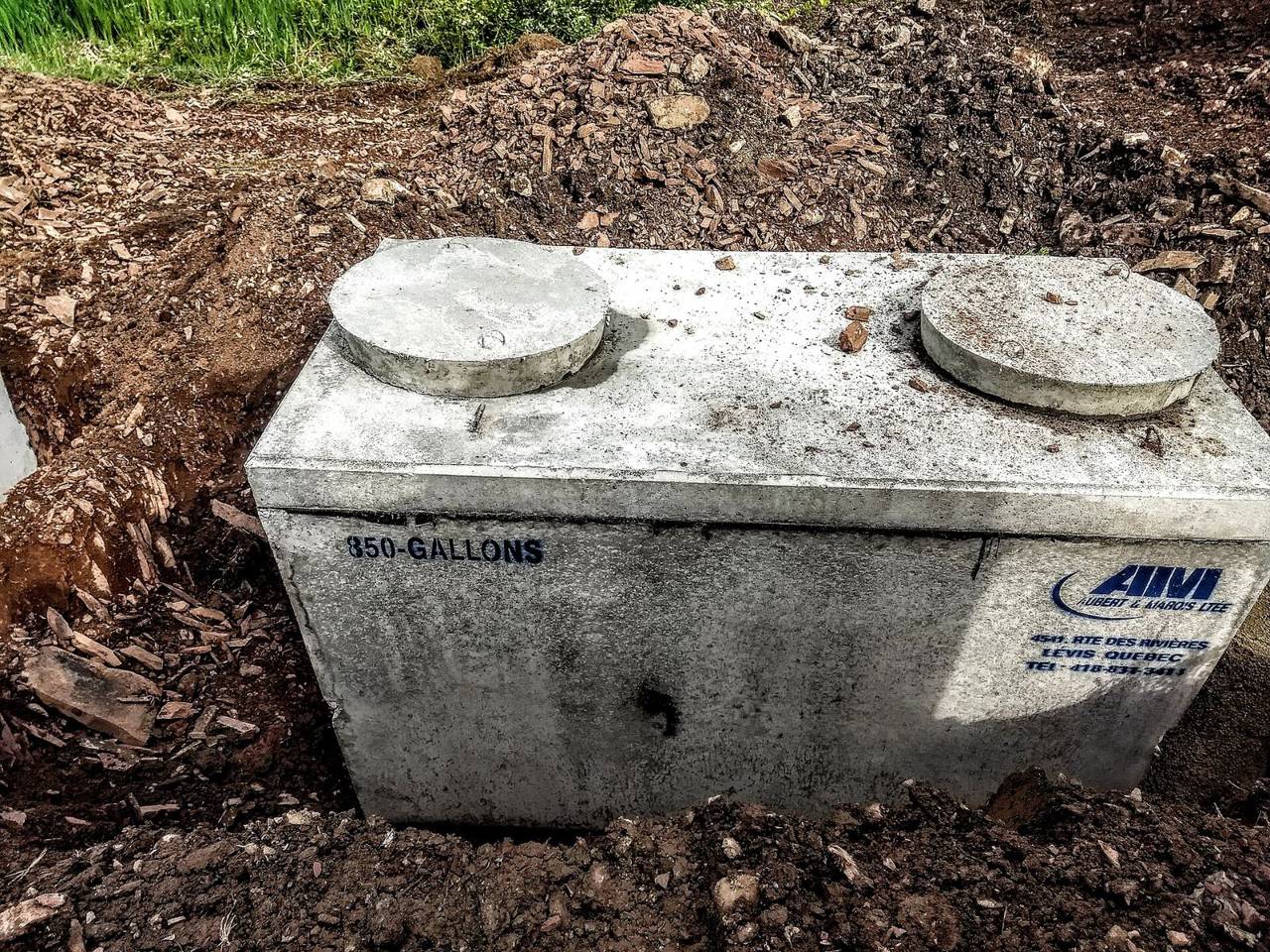
Many older San Marcos homes still have tank lids buried a foot or more underground, which makes every pumping or inspection a dig. A riser brings the access point up to grade with a secure, lockable lid. This saves time and protects kids, pets and mowers from an open or cracked cover. We size the riser to your tank, seal it, and set the lid so you can find it easily.
Septic Risers & Lids for San Marcos homes
Many septic tanks around San Marcos are buried a foot or more below the yard, with a cover that is hard to find and heavy to lift. A riser is a pipe-like extension that brings the access point up to ground level, topped with a secure lid. Septic risers and lids in San Marcos are one of the simplest upgrades you can make, because they turn each pumping or inspection from a dig into a quick lift. Lids matter just as much on a system that works fine today. Older concrete lids can hide rusted reinforcement that weakens them from the inside, and you cannot see that from the surface. Replacing a doubtful lid before it fails is far easier than dealing with an accident.
There is a safety side too. A cracked, rotted, or loose lid is a serious hazard. Tanks contain gases and deep liquid, and a lid that gives way under a child, a pet, or a mower can lead to tragedy. Modern risers use sturdy plastic or concrete and lids that lock or bolt down. On an aerobic system, risers also give clear access to the air pump chamber, clarifier, and pump tank, which are checked on every service visit. Riser height is chosen to bring the lid to or just above grade, which keeps rainwater from flowing in. In flood-prone spots near the Blanco River or low creek ground, a slightly raised lid with a tight gasket helps keep floodwater out of the tank.
Clay soils near San Marcos shift as they wet and dry, and that movement can tilt or crack older concrete lids. Rocky soils to the west make digging for buried lids slow work. A riser installation includes uncovering the tank, cutting or fitting the extension, sealing it to keep out water and roots, and setting the new lid near grade. The result is a lid you can see and open, which also helps future owners and inspectors to find the system fast. We also set risers over every access point the system needs. A two-compartment tank has two openings, and an aerobic system has more. Marking them on a simple sketch saves time later, and it makes the next inspection or pumping a much shorter visit.
What to know in San Marcos
Seal the joints well
A poorly sealed riser lets in groundwater, which loads the tank and can flood the field during wet spells. Look for gasketed joints and sealant that suits the material. Watertight work matters most in clay yards that hold moisture. Deep tanks need tall risers, and tall risers need good bracing. Ask how yours will be supported.
Lids should lock
Choose lids that bolt or latch so a child cannot lift them. Green or tan lids blend into lawns, which looks nice but is easy to hit with a mower, so mark the spot in some way. If you plan to landscape, tell us now so the lid height matches your final grade.
Cost is modest compared to digging
Risers commonly cost a few hundred dollars each, depending on depth and material. That is a general market figure, not a quote. A riser can pay for itself over time by cutting digging charges at each pumping. Check lids each spring for cracks, gaps, or broken bolts.
Signs you may need septic risers & lids
- Stormwater is entering the tank around the lid
- You do not know where your tank lids are located
- A lid is cracked, broken, missing or sitting loose
- Pumping crews have to dig to reach the tank each visit
How septic risers & lids works
A septic riser is a pipe or cylinder that sits over a tank opening and extends it up toward the surface, topped with a lid. Without one, the tank openings are often buried a foot or more underground. Every pumping, inspection or repair then starts with finding and digging out the lids, and that extra labor shows up on your bill. Septic risers and lids in Dripping Springs, and across the Hill Country generally, make the tank easy to find and service. They are also a safety feature. A solid, secured lid keeps children, pets and yard equipment out of an opening that can be extremely dangerous, since a person who falls into a tank can be overcome by gases within moments.
Texas has specific rules about tank access, found in 30 TAC 285.38, which covers prevention of unauthorized access to on-site sewage facilities. For systems permitted on or after September 1, 2023, inspection and cleanout ports must have risers extending at least two inches above grade, and the smallest dimension of each port opening must be at least 12 inches. Ports must be positioned so the tank can be pumped, and a plug, cap or other restraint must sit below the riser cap to keep a person from falling into the tank if the cap is damaged or removed. Older systems may have been permitted under earlier rules, so check with your county about your own system. Your tank may look different from what the rule describes, so ask before you assume.
What to expect on a San Marcos visit
- 01
Locate and assess the tank
We find your tank and its openings using records, probing or locating equipment. We then look at the condition of existing lids, the depth of burial, the number of openings and the material of the tank. This tells us what size and style of riser will fit, and whether any repair is needed first.
- 02
Review rules and your system
We check the access requirements that apply to your system, including the riser height and secure cap rules in 30 TAC 285.38, and any local requirements. Older systems may fall under earlier rules, so we encourage you to confirm what your county expects, especially if risers are part of a larger repair or permit.
- 03
Excavate and inspect
We carefully dig around each opening, taking care not to damage the tank, pipes or wiring. Once the lid is exposed, we inspect it and the tank rim for cracks or wear. If the concrete is damaged, we explain the repair or replacement options before anything gets covered. Careful hand digging near the tank protects it from damage.
- 04
Fit and seal the riser
We choose a riser sized to the opening, set it plumb, and seal it so the connection is watertight. The riser is cut to extend above grade, as required, and fitted with a secure lid and the below-cap restraint. We make sure it is stable and will not shift under mowers or foot traffic.
- 05
Backfill and grade
We backfill and compact soil around each riser, and grade the area so water drains away from the lid instead of toward it. Proper grading helps keep stormwater out of the tank and prevents settling. We clean up the work area and leave the lids clearly accessible. We also check that the lid sits at a safe, visible height.
- 06
Show you the new setup
We walk you through where each lid is, how to secure it and how to check it. We also give you simple tips, such as keeping mulch and planters off the lids and not parking on them. If you have an aerobic system, we point out which lid serves which component.
Our approach in San Marcos
- We locate and open your tank, aerobic unit and dispersal area, including buried lids common on older San Marcos properties
- We explain what we find in plain language, with photos where they help
- Repairs and installs are planned around Hays County permitting requirements
- You get written options before any repair work begins
- Aerobic visits are recorded for your maintenance contract
Septic conditions around San Marcos
Septic permitting for unincorporated land around San Marcos is handled by Hays County Development Services, the local authorized agent working under TCEQ rules in 30 TAC Chapter 285. The county currently runs its permit applications through an online portal, and new aerobic systems require an initial two-year maintenance contract with a licensed provider. Homes inside the San Marcos city limits that are not on sewer should check with the city and the county to confirm who reviews their paperwork. Much of the land west of I-35 lies over the Edwards Aquifer recharge zone, which adds Edwards Aquifer Authority rules on top of county requirements. Hays County has recently debated large developments over the recharge zone partly because of the number of septic systems and wells they would need. If your property is near the escarpment, ask the county early whether any extra review applies before you plan a repair or replacement.
Septic Risers & Lids questions from San Marcos homeowners
Do I need risers on my septic tank?
They are not always required, but they are strongly recommended. Some systems must have access at or near grade, so check your permit and county rules. Risers also make pumping, filter cleaning, and inspection faster. Ask Hays County Development Services about requirements if you are replacing parts or building new. Plastic is lighter and resists corrosion. Concrete is heavier and tough. Either can work if installed correctly.
Can I install a septic riser myself?
Handy owners sometimes do, but it carries risk. You must uncover the tank without damaging it, avoid dangerous gases, and make a watertight seal. A bad seal invites water in. Never lean into an open tank. For most homes, having a professional do the work is safer and avoids repeat digging. Ask whether the lid is rated for the traffic it may see, such as a mower or a small utility vehicle.
Why does my tank lid keep getting buried or cracked?
Soil movement, mowing, and settling can bury a lid or crack older concrete. Clay shrinks and swells, which tilts covers over time. A riser brings the lid up to grade and uses stronger materials. If you have a cracked lid now, keep people off it and call for a safe replacement. Keep a record of lid locations in your house files, along with the system permit.
Will risers save money on pumping?
They often do. When the lid is at the surface, a pumper does not need to locate and dig it out, which saves time on every visit. Risers also help inspectors and aerobic maintenance providers work faster. Over the life of a system, easier access can offset a good part of the installation cost. Easier access also helps when selling, since inspectors can check the tank quickly.
My riser lid is cracked. What should I do?
Treat it as urgent. Keep people and pets away, cover the opening safely with something heavy and stable, and call for a replacement. A cracked lid can fail under weight, let stormwater and pests in, and let gases out. Do not stand on it. A replacement lid is usually a small fix compared with the risk. If the tank opening is exposed, also keep any pumps and wires away from the area.
What is a septic riser?
A septic riser is a pipe or cylinder that fits over a tank opening and brings access up to or above ground level, with a lid on top. It lets a pumper or inspector reach the tank without digging. A properly installed riser is also watertight and secured, which keeps stormwater, pests, children and pets out of the tank. Many homeowners are surprised how much easier service becomes once the tank is easy to find.
More about septic risers & lids → · All septic services in San Marcos →
Need septic risers & lids in San Marcos?
Call or send a request. We will ask a few questions about your system and the property, then schedule a visit.