Kyle · Hays County
Septic Risers & Lids in Kyle, TX
Risers are a simple upgrade for rural Kyle properties with buried tanks. Clay and fill can hide a lid under a foot of soil, and each service call means digging. A riser brings access to the surface, protects your lawn and speeds up pumping. Secure lids also make acreage safer for children and animals. Sealed riser lids help keep stormwater out of the tank in low areas near Plum Creek.
Septic Risers & Lids for Kyle homes
On many Kyle-area properties, the septic tank lid sits under six inches to a foot of dirt that nobody remembers adding. Every service visit begins with a probe rod and a shovel, which takes time and tears up grass. A riser brings the access point to the surface, so a pump-out or inspection takes minutes instead of an hour. It also lets you find your own tank without guessing, which is useful after buying a place. Many people only think about their lids when a service person asks where the tank is. A tidy, secure riser answers the question before it is asked. It also tells a future buyer that the system has been looked after. Small signals like this help property value, and the installation costs far less than most septic work.
The safety side deserves equal attention. A cracked or unsecured lid over a septic tank is a hazard on any property, and on a rural acreage with children, dogs or livestock, the risk is higher. Concrete lids can break under a mower, a tractor or a delivery truck. Riser lids made of polyethylene or concrete can be fastened with bolts or screws so they stay in place. If you have a lid that rocks, cracks or sinks, treat it as urgent. We pay attention to materials and fit. Riser sections should match the tank opening, and the seal between riser and tank must be tight. A poorly fitted riser can leak or shift. We also check the tank top for cracks before installing anything, because a riser sitting on a weak surface is only as good as the concrete beneath it.
In Kyle's clay, installation includes attention to water. Clay holds moisture around the tank neck, and an unsealed or low lid lets surface water seep in, filling the tank faster and loading the field. We set the riser a little above grade, seal it and shape the soil to run water away. For aerobic systems, we suggest risers on the pump tank and aeration chamber, since those are the openings technicians use most often. Think about the whole system. If you have an effluent filter, a riser lets you pull and rinse it in minutes. If you have an aerobic unit, access to the pump tank lets a technician check floats without excavation. Add up the digging time saved over ten years of service and the case for risers makes itself.
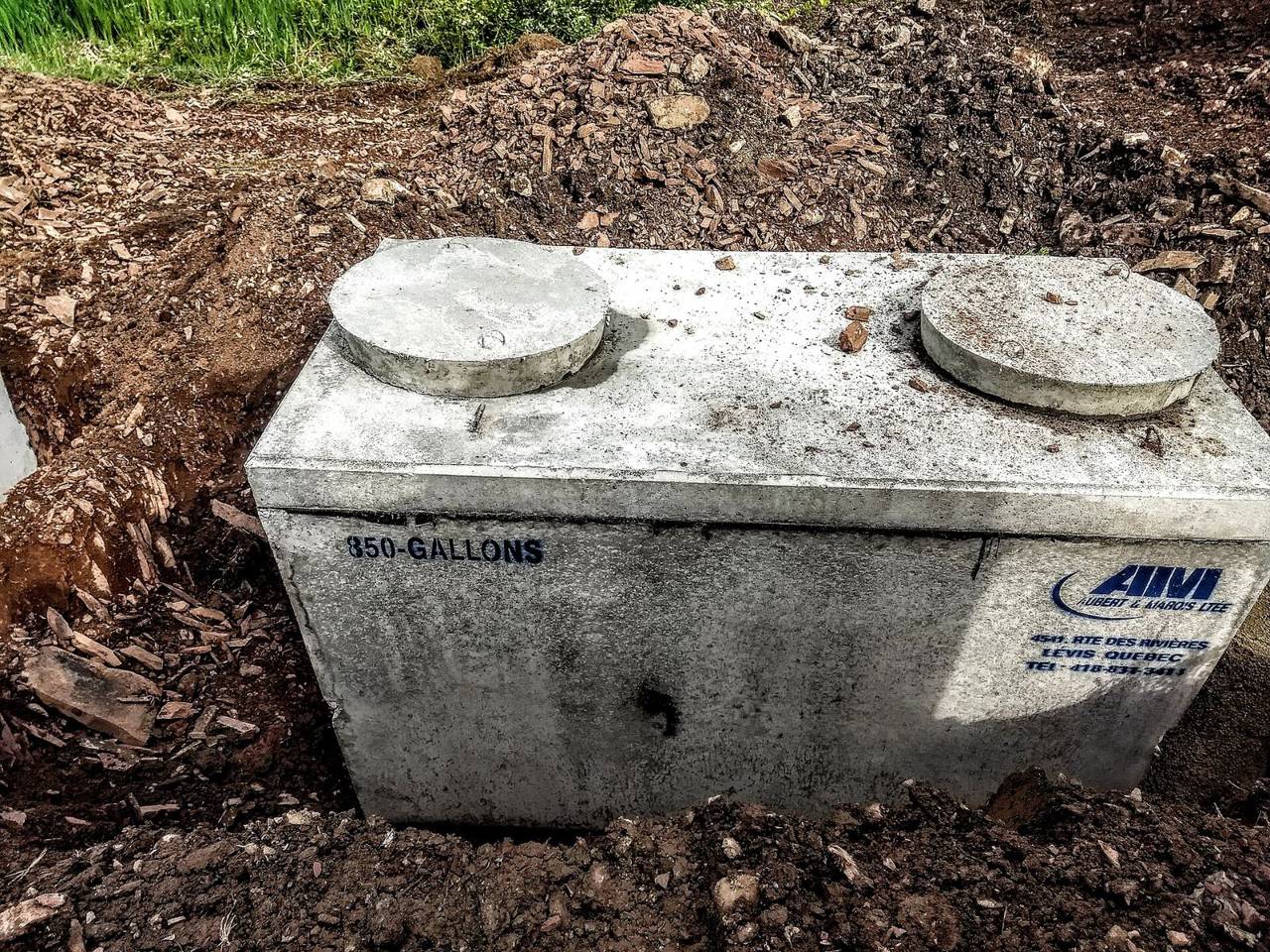
What to know in Kyle
Seasonal soil movement
Clay shifts through the year, and a riser can lean or sink if it is not set on a stable base. We set risers firmly on the tank collar. Check yours after a long drought or a wet spring to see if it has moved. Ask for a lid with a locking screw or bolt. A key or tool requirement is a small price for safety.
Mowing and equipment damage
Acreage owners run mowers, tractors and ATVs. A lid slightly above grade is visible but can be struck. Mark it with a stake or a planter, and keep heavy equipment off the tank itself. Avoid planting shrubs right at the lid. Roots can disturb the seal over time.
Odor control
A properly sealed lid reduces odors at ground level. If you smell sewage near the lid, a seal may have failed, or the tank may be overfull. Do not ignore it. Have the lid and the tank checked. If you have an old steel or cracked concrete lid, treat the replacement as a priority.
Signs you may need septic risers & lids
- Children or pets can easily open the existing cover
- Stormwater is entering the tank around the lid
- You do not know where your tank lids are located
- A lid is cracked, broken, missing or sitting loose
How septic risers & lids works
Risers pay off over time. Lids at the surface mean a pumping crew can start work right away, and an inspector can check baffles and levels without excavation. For aerobic systems, risers also help service providers reach pumps, filters and aerators during required maintenance visits. They matter at sale time, too, because home inspectors and buyers often like to see tank access they can check. Keep the area around your lids clear, check them each season for cracks and loose caps, and keep the locks or fasteners secure. If a lid is cracked, broken or missing, treat it as urgent, and cover the opening safely until it is fixed. These small habits keep the whole system safe, accessible and ready for service whenever you need it.
A septic riser is a pipe or cylinder that sits over a tank opening and extends it up toward the surface, topped with a lid. Without one, the tank openings are often buried a foot or more underground. Every pumping, inspection or repair then starts with finding and digging out the lids, and that extra labor shows up on your bill. Septic risers and lids in Dripping Springs, and across the Hill Country generally, make the tank easy to find and service. They are also a safety feature. A solid, secured lid keeps children, pets and yard equipment out of an opening that can be extremely dangerous, since a person who falls into a tank can be overcome by gases within moments.
What to expect on a Kyle visit
- 01
Locate and assess the tank
We find your tank and its openings using records, probing or locating equipment. We then look at the condition of existing lids, the depth of burial, the number of openings and the material of the tank. This tells us what size and style of riser will fit, and whether any repair is needed first.
- 02
Review rules and your system
We check the access requirements that apply to your system, including the riser height and secure cap rules in 30 TAC 285.38, and any local requirements. Older systems may fall under earlier rules, so we encourage you to confirm what your county expects, especially if risers are part of a larger repair or permit.
- 03
Excavate and inspect
We carefully dig around each opening, taking care not to damage the tank, pipes or wiring. Once the lid is exposed, we inspect it and the tank rim for cracks or wear. If the concrete is damaged, we explain the repair or replacement options before anything gets covered. Careful hand digging near the tank protects it from damage.
- 04
Fit and seal the riser
We choose a riser sized to the opening, set it plumb, and seal it so the connection is watertight. The riser is cut to extend above grade, as required, and fitted with a secure lid and the below-cap restraint. We make sure it is stable and will not shift under mowers or foot traffic.
- 05
Backfill and grade
We backfill and compact soil around each riser, and grade the area so water drains away from the lid instead of toward it. Proper grading helps keep stormwater out of the tank and prevents settling. We clean up the work area and leave the lids clearly accessible. We also check that the lid sits at a safe, visible height.
- 06
Show you the new setup
We walk you through where each lid is, how to secure it and how to check it. We also give you simple tips, such as keeping mulch and planters off the lids and not parking on them. If you have an aerobic system, we point out which lid serves which component.
Our approach in Kyle
- We locate and open your tank, aerobic unit and dispersal area, including buried lids common on older Kyle properties
- We explain what we find in plain language, with photos where they help
- Repairs and installs are planned around Hays County permitting requirements
- You get written options before any repair work begins
- Aerobic visits are recorded for your maintenance contract
Septic conditions around Kyle
Knowing which category your address falls into is the most useful thing a Kyle homeowner can do. Check your utility bill for a sewer charge. If you have one, you are connected. If you do not, you most likely have a tank somewhere in the yard. Properties along FM 150 outside the city, on county roads and in unincorporated pockets near Kyle generally rely on septic or aerobic treatment. Be careful with annexation, too. A property that was rural a few years ago may now be inside city limits, though that does not automatically mean sewer service has reached it. If a line becomes available, the city may require or encourage connection, so ask. Until then, an existing septic system still needs regular pumping and care, and neglect on a small lot can affect neighbors quickly.
Septic Risers & Lids questions from Kyle homeowners
Are risers worth it for a rarely serviced tank?
Yes. Easier access encourages timely pump-outs, which protect the field. The savings on digging time add up over the years. The lid also improves safety. For many owners, the real value is knowing where the tank is without a search. Choose risers rated for the traffic you expect. Lawn mowers are fine, but a tractor requires a stronger option.
Can I install a riser myself?
Technically some owners do, but it involves excavating near a tank, handling heavy lids and working around dangerous gases. Poor sealing can create leaks. We recommend a professional. Never enter a tank or lean over an open one. Ask whether a short riser or a tall one fits your grade. Slopes can change the right height from one lid to the next.
Do I need a permit to add a riser?
Adding a riser to an existing opening is generally a minor change, but rules vary by system and permit. If you are outside Kyle city limits, ask Hays County Development Services if your permit has special conditions. A quick call settles it before work begins. Write down the lid locations on your property sketch for the file.
How much do septic risers cost?
Costs vary with the number of openings, materials, burial depth and soil conditions. As a general market range, a basic installation commonly runs a few hundred dollars and can reach higher for multiple openings, deep tanks or repairs to damaged lids. This is not a quote. Ask for a written estimate that lists each opening and part. Cost depends on the details, so a quick look at your tank helps give a better estimate.
Will risers save money on pumping?
They often do. When the lid is at the surface, a pumper does not need to locate and dig it out, which saves time on every visit. Risers also help inspectors and aerobic maintenance providers work faster. Over the life of a system, easier access can offset a good part of the installation cost. Easier access also helps when selling, since inspectors can check the tank quickly.
My riser lid is cracked. What should I do?
Treat it as urgent. Keep people and pets away, cover the opening safely with something heavy and stable, and call for a replacement. A cracked lid can fail under weight, let stormwater and pests in, and let gases out. Do not stand on it. A replacement lid is usually a small fix compared with the risk. If the tank opening is exposed, also keep any pumps and wires away from the area.
More about septic risers & lids → · All septic services in Kyle →
Need septic risers & lids in Kyle?
Call or send a request. We will ask a few questions about your system and the property, then schedule a visit.