Henly · Hays County
Septic Risers & Lids in Henly, TX
On Henly properties, old tank lids are often buried and unmarked, and some are cracked or rusted. Adding risers brings access to the surface, so service is quicker and no one has to dig up the yard. A secure lid is also a safety measure on open land where children, animals and equipment move around. Aerobic units need accessible lids for pump and filter work. Marking the riser location also helps future owners.
Septic Risers & Lids for Henly homes
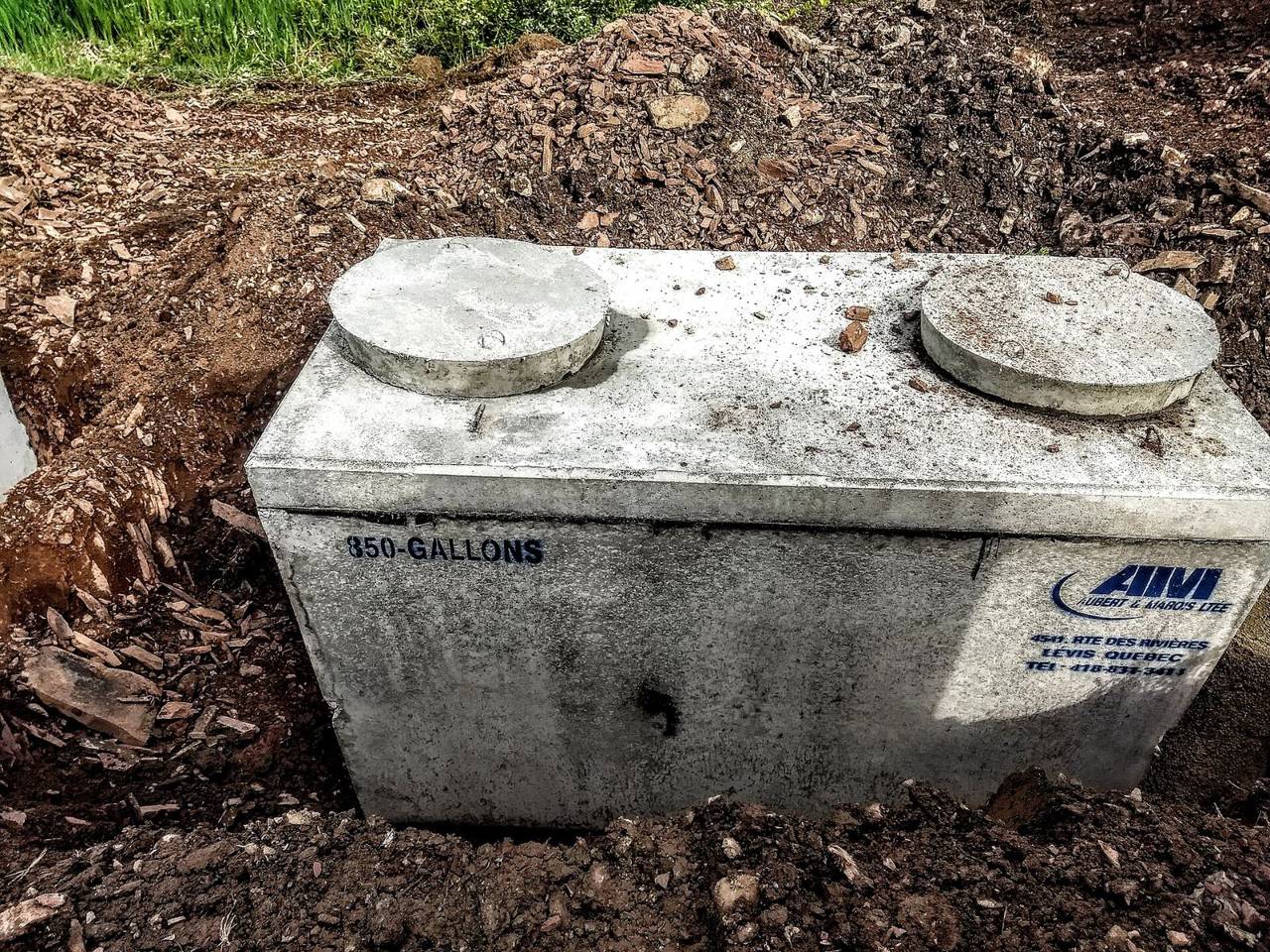
In Henly, a lot of septic tanks are buried under a foot or more of soil, which means every pump-out or inspection starts with digging. Risers fix that. A riser is a pipe or collar that extends from the tank opening up to ground level, capped with a lid. With risers installed, the lid sits in the yard where you can find it, and the service visit begins with a simple unscrew instead of a shovel. The cost of digging is one reason many Henly owners put off pumping. A riser removes that hurdle and encourages regular maintenance, which protects the field.
Lids are a safety issue too. A cracked, rusted or loose lid over a tank is a serious hazard for children, pets and livestock. Old concrete lids can crack under a truck or a mower. Modern polyethylene or concrete riser lids are secured with bolts or screws so they cannot be moved by accident. On a ranchette with kids, horses or visiting guests, that bolt is more than a convenience. Child safety is serious on a property with a play area. A bolted, rated lid helps prevent falls into the tank, which can be fatal.
Installing risers is a modest job compared with other septic work. We excavate to the tank opening, check the condition of the tank top, seal the riser to the opening and set the lid slightly above grade so surface water runs away. In rocky ground, this sometimes means hand work around limestone. We also recommend a riser on the pump tank of an aerobic system, since that is the lid you will want to open most often. Aerobic systems benefit twice, since the pump tank and the aeration chamber both need regular access. Install risers on each opening you expect a technician to open.
What to know in Henly
Drainage around the lid
A lid set below grade collects water and can leak into the tank. We set risers a little high and slope the soil away. On Henly slopes, we also watch for runoff that could wash soil from around the base. Gravel or mulch around the lid can hide it from view. Mark it with a small stone or planter, and keep the ring clear.
Visibility versus appearance
Some owners dislike green lids in the yard. Lids can be painted or screened with a low planting, as long as access stays clear. Keep the area open so a technician can find it. A lid that wobbles, rocks or has visible cracks should be replaced promptly. Treat it as a safety call rather than a cosmetic one.
Mowers, vehicles and livestock
Rural properties see more equipment and animals. Rated lids and bolted covers protect against both accidents and damage. Keep heavy vehicles off the tank regardless of the lid rating. Ask us about gasketed risers if your lot floods or holds water. A tight seal keeps groundwater out of the tank.
Signs you may need septic risers & lids
- The lid is below grade and collects water or debris
- Sewage odor rises from the tank area
- Children or pets can easily open the existing cover
- Stormwater is entering the tank around the lid
How septic risers & lids works
Risers are made from several materials, most often plastic, fiberglass or concrete. Plastic and polyethylene risers are light, easy to cut to height and common on residential tanks. Fiberglass is strong and resists corrosion. Concrete risers are heavy and durable, and they pair well with concrete tanks. The right choice depends on your tank, your lid size, the depth of burial and what the manufacturer allows. Lids come in green or black colors, with tool-secured or locking designs. We match the parts to your tank, instead of forcing a universal kit onto an opening where it does not fit, since a poor fit invites leaks. We will tell you which option fits your tank and why, so you are not left guessing about the choice.
Installation is more involved than setting a pipe on top. We locate the tank openings, excavate around them, and inspect the existing lids and seams. Cracked or worn concrete tank lids may need repair or replacement before a riser can seal. The riser is sealed to the opening with the proper gasket or sealant, set plumb and cut to a height that sits at the right elevation above grade. Soil is then backfilled and compacted around it. Areas with rock can slow digging, but they also make easy access more valuable, since future service visits will not require cutting through limestone to find a buried lid. Taking time at this stage prevents leaks and settling that would show up months later.
What to expect on a Henly visit
- 01
Locate and assess the tank
We find your tank and its openings using records, probing or locating equipment. We then look at the condition of existing lids, the depth of burial, the number of openings and the material of the tank. This tells us what size and style of riser will fit, and whether any repair is needed first.
- 02
Review rules and your system
We check the access requirements that apply to your system, including the riser height and secure cap rules in 30 TAC 285.38, and any local requirements. Older systems may fall under earlier rules, so we encourage you to confirm what your county expects, especially if risers are part of a larger repair or permit.
- 03
Excavate and inspect
We carefully dig around each opening, taking care not to damage the tank, pipes or wiring. Once the lid is exposed, we inspect it and the tank rim for cracks or wear. If the concrete is damaged, we explain the repair or replacement options before anything gets covered. Careful hand digging near the tank protects it from damage.
- 04
Fit and seal the riser
We choose a riser sized to the opening, set it plumb, and seal it so the connection is watertight. The riser is cut to extend above grade, as required, and fitted with a secure lid and the below-cap restraint. We make sure it is stable and will not shift under mowers or foot traffic.
- 05
Backfill and grade
We backfill and compact soil around each riser, and grade the area so water drains away from the lid instead of toward it. Proper grading helps keep stormwater out of the tank and prevents settling. We clean up the work area and leave the lids clearly accessible. We also check that the lid sits at a safe, visible height.
- 06
Show you the new setup
We walk you through where each lid is, how to secure it and how to check it. We also give you simple tips, such as keeping mulch and planters off the lids and not parking on them. If you have an aerobic system, we point out which lid serves which component.
Our approach in Henly
- We locate and open your tank, aerobic unit and dispersal area, including buried lids common on older Henly properties
- We explain what we find in plain language, with photos where they help
- Repairs and installs are planned around Hays County permitting requirements
- You get written options before any repair work begins
- Aerobic visits are recorded for your maintenance contract
Septic conditions around Henly
Weather out here is wide open. Summer drought bakes the ground, cracks clay and dries spray fields, while a single big storm can drop several inches of rain onto thin soil that has no place to hold it. After a storm, low spots in a field can stay wet for days. Wind and lightning are real concerns for aerobic systems, since a power surge can damage the control panel or air pump, and a power outage stops treatment until the electricity is restored. Livestock and ranch vehicles add risk, because heavy loads on a field compress soil and crush shallow lines. Roots from cedar and oak will find their way into pipes if allowed. A seasonal walk around the field, lids and panel catches most problems early. Long gravel drives also need planning for service: a heavy pump truck needs firm ground and room to turn, so scheduling after a dry stretch helps. Flag your tank lids ahead of time, and tell us if you are unsure where the tank is.
Septic Risers & Lids questions from Henly homeowners
Do I need risers on my Henly septic tank?
They are not always required for an older tank, but they are strongly recommended. Risers save digging time at each service and make inspections easier. Some counties and permits expect accessible openings, so check Hays County requirements if your system is being replaced or altered. A watertight seal and bolted lid are worth the added price where children or animals live.
Will risers lower my service costs?
They can reduce time spent excavating at each visit, which may lower labor on future pump-outs or inspections. The savings vary. The bigger gain is safety and the ability to check your system yourself, such as looking at water level and alarm components. Take a photo of each lid location and keep it with your septic records. It saves time at the next visit.
Can I open the riser lid myself?
You can look, but be careful. Tanks contain gases and can be dangerous to lean over. Never enter a tank. Keep the lid secured when not in use, and call a professional for anything beyond a quick visual check. If your tank top is cracked or deteriorated, risers may not be enough on their own, and we will explain what is needed.
Why does the lid need to be locked or tool-secured?
An open or loose tank lid is a serious danger. People and animals can fall in, and tank gases can overcome a person quickly. Texas rules call for caps that cannot be removed by unauthorized people, such as those secured with locks or fasteners that need tools. A secondary restraint below the cap adds one more layer of protection. Never lift a lid and look inside, because the gases can be dangerous in seconds.
Can I install a riser myself?
Some homeowners do, but it is not as simple as it looks. The riser must fit the opening, seal watertight and sit at the correct height, and tank gases make work around open tanks hazardous. Never enter a tank. If your system is permitted, ask the county whether any approval or notice is needed. Many owners prefer a professional. Even confident do it yourselfers should make safety the first priority.
How much do septic risers cost?
Costs vary with the number of openings, materials, burial depth and soil conditions. As a general market range, a basic installation commonly runs a few hundred dollars and can reach higher for multiple openings, deep tanks or repairs to damaged lids. This is not a quote. Ask for a written estimate that lists each opening and part. Cost depends on the details, so a quick look at your tank helps give a better estimate.
More about septic risers & lids → · All septic services in Henly →
Need septic risers & lids in Henly?
Call or send a request. We will ask a few questions about your system and the property, then schedule a visit.