Dripping Springs · Hays County
Septic Risers & Lids in Dripping Springs, TX
Many older Dripping Springs tanks sit under a foot or more of soil and rock, which means every pumping starts with digging. Risers bring the access point up to the surface and make routine service quicker and easier on your yard. Secure lids also matter for safety, since a cracked lid on acreage is a hazard for children, pets and equipment. Aerobic tanks need reachable lids for their pumps and filters. Adding risers is a common upgrade during a pumping or inspection visit.
Septic Risers & Lids for Dripping Springs homes
A septic riser brings the tank lid up to ground level, and in Dripping Springs it is one of the most practical upgrades a homeowner can make. Because much of the ground here is rocky, digging down to a buried lid for each pumping or inspection can mean hours of work with a pick or a mini excavator. A riser removes that digging. It also makes it easy to check the tank, replace a baffle, or find the lid in an emergency without guessing where to dig. Older concrete lids can crack under mowers or trucks, and the edges of steel lids rust through, so a visual check twice a year is worth the five minutes. If a lid sounds hollow or moves when you step on it, stay off and call us.
Risers come in polyethylene or concrete, and in several diameters to match the tank opening. A good one has a gasket or sealed joint, a secure lid and a way to keep children and animals from getting in. Safety matters here. An unsecured septic lid is a fall hazard and a danger to curious kids. We make sure each lid is bolted or locked, and we check the tank access for cracks, loose rings and signs that groundwater is leaking inside. We also think about the next service call. A riser that is flush and unmarked is still easy to lose under mulch, so a small landscape stone or stake can show where it is.
Around Dripping Springs we see risers that stand a few inches above grass on cleared lots, and others that sit flush near patios or drives. Lawn mowers, deer and gravel roads are all realities. We place lids where they can be reached by a truck hose but are not in the way of mowing or landscaping. Bright, flat lids with a clear marker make finding the tank simple for any provider you hire down the road. For rental or guest properties, a locked lid adds a layer of protection for visitors who do not know the yard. It costs very little compared with the risk of an open or broken lid.
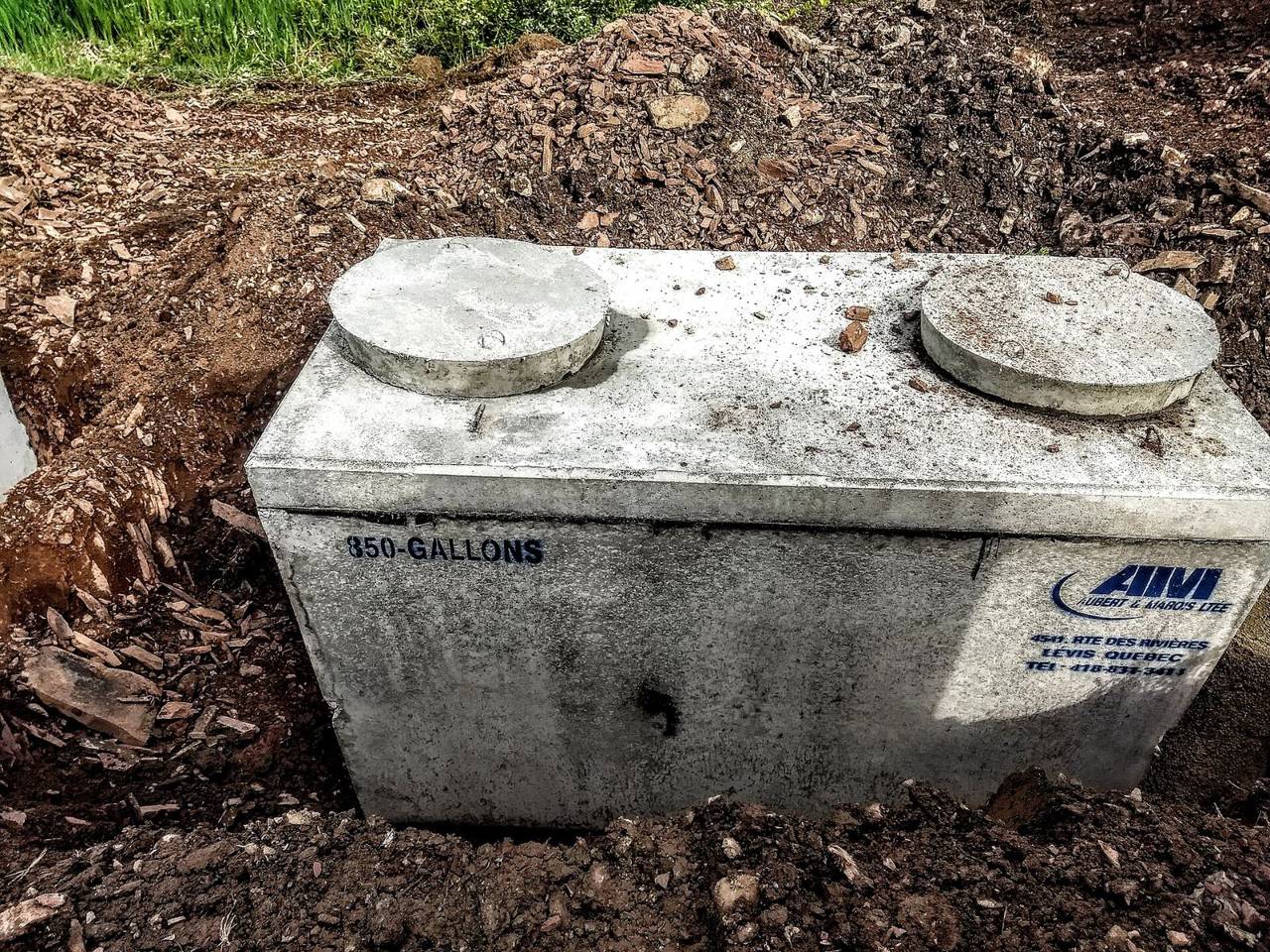
What to know in Dripping Springs
Access for aerobic equipment
Aerobic systems have several access points, including the treatment chambers, pump tank and sometimes the air line. Risers on each one let a maintenance provider inspect without digging. Ask about covering every opening, not just the one that gets pumped, since that is where most service happens. Mark risers before mowing season.
Securing lids
Texas rules expect septic lids to be secured against unauthorized access. Look for bolts, locking tabs or heavy lids that cannot be lifted by a child. If a lid is cracked, warped or loose, replace it right away, because a broken lid is among the most dangerous problems on a rural property. Choose a color that blends in.
Rocky ground and sealing
Rocky fill and clay can shift over time. Poorly sealed risers can let rainwater flow into the tank, which can overload the system. We check the seal and grade the soil away from the lid so surface water runs away from it instead of toward it. Check seals after big storms.
Signs you may need septic risers & lids
- You do not know where your tank lids are located
- A lid is cracked, broken, missing or sitting loose
- Pumping crews have to dig to reach the tank each visit
- The lid is below grade and collects water or debris
How septic risers & lids works
A septic riser is a pipe or cylinder that sits over a tank opening and extends it up toward the surface, topped with a lid. Without one, the tank openings are often buried a foot or more underground. Every pumping, inspection or repair then starts with finding and digging out the lids, and that extra labor shows up on your bill. Septic risers and lids in Dripping Springs, and across the Hill Country generally, make the tank easy to find and service. They are also a safety feature. A solid, secured lid keeps children, pets and yard equipment out of an opening that can be extremely dangerous, since a person who falls into a tank can be overcome by gases within moments.
Texas has specific rules about tank access, found in 30 TAC 285.38, which covers prevention of unauthorized access to on-site sewage facilities. For systems permitted on or after September 1, 2023, inspection and cleanout ports must have risers extending at least two inches above grade, and the smallest dimension of each port opening must be at least 12 inches. Ports must be positioned so the tank can be pumped, and a plug, cap or other restraint must sit below the riser cap to keep a person from falling into the tank if the cap is damaged or removed. Older systems may have been permitted under earlier rules, so check with your county about your own system. Your tank may look different from what the rule describes, so ask before you assume.
What to expect on a Dripping Springs visit
- 01
Locate and assess the tank
We find your tank and its openings using records, probing or locating equipment. We then look at the condition of existing lids, the depth of burial, the number of openings and the material of the tank. This tells us what size and style of riser will fit, and whether any repair is needed first.
- 02
Review rules and your system
We check the access requirements that apply to your system, including the riser height and secure cap rules in 30 TAC 285.38, and any local requirements. Older systems may fall under earlier rules, so we encourage you to confirm what your county expects, especially if risers are part of a larger repair or permit.
- 03
Excavate and inspect
We carefully dig around each opening, taking care not to damage the tank, pipes or wiring. Once the lid is exposed, we inspect it and the tank rim for cracks or wear. If the concrete is damaged, we explain the repair or replacement options before anything gets covered. Careful hand digging near the tank protects it from damage.
- 04
Fit and seal the riser
We choose a riser sized to the opening, set it plumb, and seal it so the connection is watertight. The riser is cut to extend above grade, as required, and fitted with a secure lid and the below-cap restraint. We make sure it is stable and will not shift under mowers or foot traffic.
- 05
Backfill and grade
We backfill and compact soil around each riser, and grade the area so water drains away from the lid instead of toward it. Proper grading helps keep stormwater out of the tank and prevents settling. We clean up the work area and leave the lids clearly accessible. We also check that the lid sits at a safe, visible height.
- 06
Show you the new setup
We walk you through where each lid is, how to secure it and how to check it. We also give you simple tips, such as keeping mulch and planters off the lids and not parking on them. If you have an aerobic system, we point out which lid serves which component.
Our approach in Dripping Springs
- We locate and open your tank, aerobic unit and dispersal area, including buried lids common on older Dripping Springs properties
- We explain what we find in plain language, with photos where they help
- Repairs and installs are planned around Hays County permitting requirements
- You get written options before any repair work begins
- Aerobic visits are recorded for your maintenance contract
Septic conditions around Dripping Springs
Growth has changed Dripping Springs quickly. Older homes on acreage and small ranches now share the area with newer neighborhoods, and new construction keeps appearing along US-290, RR 12 and FM 150. That mix means you can find a decades-old conventional tank on one lot and a modern aerobic system on the next. Older systems were often sized for fewer bedrooms and fewer people than the house holds today, and a remodel or an added bathroom can push a tank past the load it was designed to handle. Newer builds usually come with aerobic units, risers and a spray field or drip lines, along with a maintenance contract from day one. Many Hill Country homes also use a private well, so drinking water and wastewater sit close together on the same property. A failing system matters more here than it would on a small city lot. When we visit a Dripping Springs property, the first job is working out what kind of system is there, how old it is, and what the household really puts through it.
Septic Risers & Lids questions from Dripping Springs homeowners
Do I really need septic risers?
They are not always required, but they save time and money each time the tank is serviced. If your lids are buried under rock or sod, a riser is a smart upgrade. Risers also make inspections during a home sale easier, since the inspector can open the tank in minutes. Ask about locking options.
Will a riser be an eyesore in my yard?
Most risers rise only a couple of inches above the soil and can blend in with landscaping. Green or tan lids are common. You can also keep them flush with the ground. We help you choose a height that works for your yard, your mower and your plans for the area. We also replace cracked lids alone.
How long does it take to install a riser?
Installing a riser on an accessible lid usually takes a couple of hours. If the lid is deeply buried or the ground is hard limestone, it takes longer. We locate and uncover the opening first, then fit the riser, seal it and set a secure lid before cleaning up. Plan around landscaping beds.
What is a septic riser?
A septic riser is a pipe or cylinder that fits over a tank opening and brings access up to or above ground level, with a lid on top. It lets a pumper or inspector reach the tank without digging. A properly installed riser is also watertight and secured, which keeps stormwater, pests, children and pets out of the tank. Many homeowners are surprised how much easier service becomes once the tank is easy to find.
Does Texas require septic risers?
For systems permitted on or after September 1, 2023, 30 TAC 285.38 calls for risers on inspection and cleanout ports that extend at least two inches above grade, with secure caps. Older systems may fall under earlier rules, and local programs can add requirements. Check with your county about what applies to your system and address. Even where a rule does not strictly apply, a secure and accessible lid is good practice.
How big does a tank opening need to be?
Under 30 TAC 285.38, the smallest dimension of each inspection or cleanout port opening must be at least 12 inches, and ports must be arranged so the tank can be pumped. Many risers are larger than that, such as 20 or 24 inches, because bigger openings make service easier. Your tank and manufacturer determine what fits. Ask us to check the opening size on your tank, since older tanks vary.
More about septic risers & lids → · All septic services in Dripping Springs →
Need septic risers & lids in Dripping Springs?
Call or send a request. We will ask a few questions about your system and the property, then schedule a visit.