Driftwood · Hays County
Septic Risers & Lids in Driftwood, TX
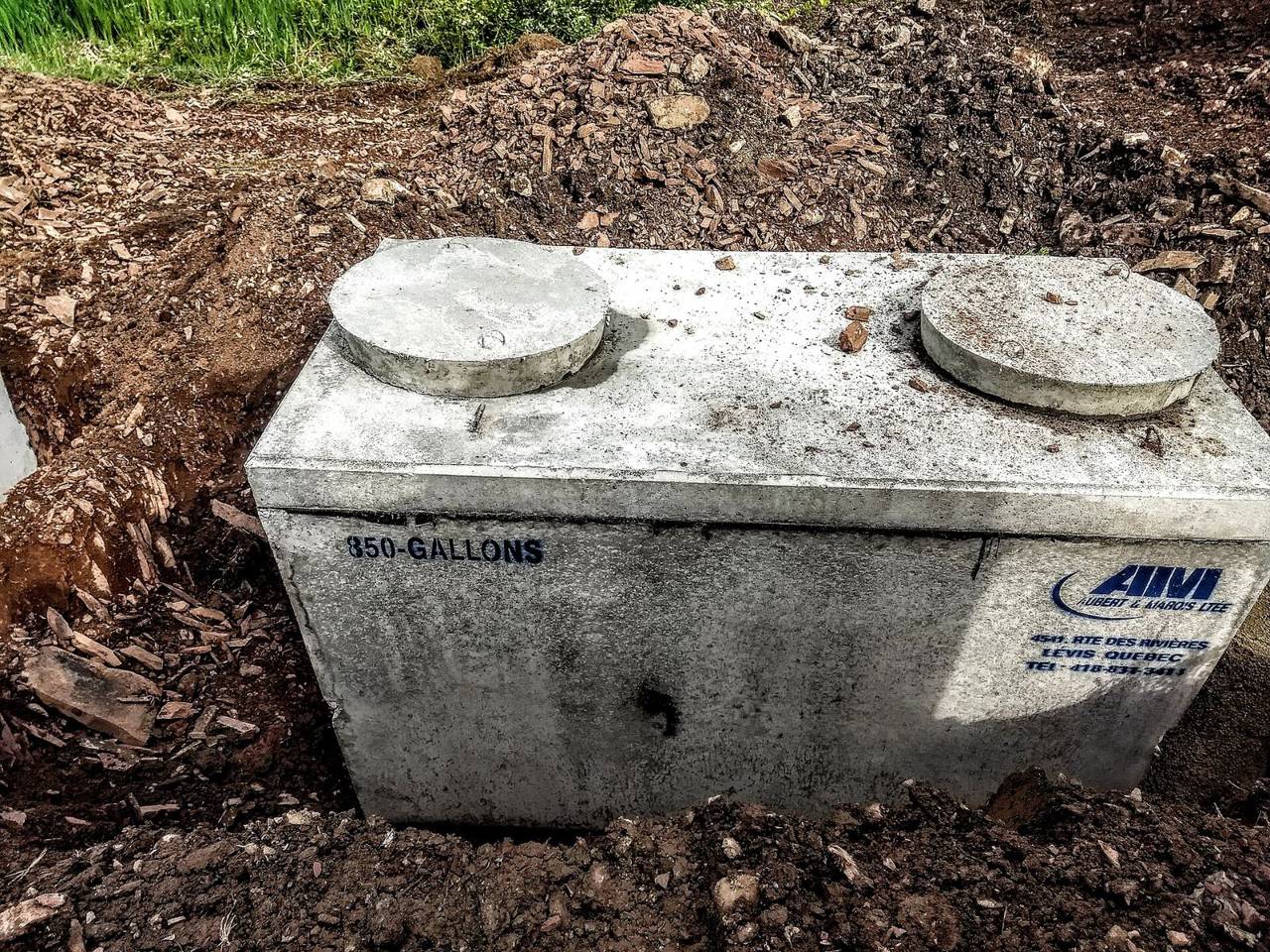
On large Driftwood tracts, tanks are often buried deep and far from the house, so risers save real digging time at every service. Bringing the lid to the surface also helps contractors find it quickly, and a secure lid keeps kids, animals and equipment safe. Ranch owners especially benefit, since a cracked or rusted lid is a hazard around livestock and vehicles. Aerobic tanks need accessible lids for their pumps and filters. We suggest marking each riser location on a simple property sketch.
Septic Risers & Lids for Driftwood homes
Risers and lids are a small upgrade with a big payoff in Driftwood, where the rock is close and the tank may be far from the house. A riser extends the tank opening up to or near ground level, so a pump truck can reach it without digging. On a hard limestone lot, uncovering a buried lid can take a crew an hour or more and cost you labor each time. With a riser, the lid is already there, and service is faster and less disruptive to your landscaping. If your system is older, we may also recommend an effluent filter in the outlet tee, reachable from a riser. Pulling it for a quick rinse is a five-minute job with the right access. We photograph the finished lids for you, so the record of where everything sits is ready for the next service call or sale.
Safety is the other reason. Rural properties are visited by children, pets and livestock, and an open or broken lid is a serious hazard. Old concrete lids crack, steel lids rust, and wooden covers rot. Modern risers use a sealed ring and a lid with bolts or a locking latch. We inspect every lid on the property, including the pump tank, distribution box and any cleanouts, and replace damaged ones. Do not step on a lid that sounds hollow or shifts under your weight. Colors help too. Green and tan lids fade into the pasture, while a small flag or paver marks the spot for a mower. We let you choose the look.
In Driftwood we often see risers set in pasture, in cedar brush or along fence lines. We choose heights and colors that suit the setting while staying visible to a mower. Rain tends to run off the hillsides here in sheets, so we grade the soil to slope away from the riser and seal the joint tightly to keep surface water out of the tank. If your system is aerobic, we also bring access up for the pump and treatment chambers. Lids on pump tanks should be treated the same as the main tank, with a good seal and a lock, because they sit under the same conditions.
What to know in Driftwood
Visibility for mowers and tractors
On a large property, a flush lid can disappear in tall grass. A riser sticking up a few inches, or a stake, helps operators see it. We can set heights to suit your mowing equipment and your preferences. Ask about locking bolts.
Keeping runoff out of the tank
Hillside runoff can pour into a poorly sealed lid and overload the system. We use gaskets and sealants where needed, and we shape the soil around the riser so water runs away. Check the area after hard rains. Mark risers before burn season.
Child and animal safety
A secure lid is a basic safety feature. Use bolts or a lock, and replace any lid that is cracked or loose. On a ranch with visitors and animals, treat this as a priority repair rather than a convenience. Fix settling soil promptly.
Signs you may need septic risers & lids
- A lid is cracked, broken, missing or sitting loose
- Pumping crews have to dig to reach the tank each visit
- The lid is below grade and collects water or debris
- Sewage odor rises from the tank area
How septic risers & lids works
Texas has specific rules about tank access, found in 30 TAC 285.38, which covers prevention of unauthorized access to on-site sewage facilities. For systems permitted on or after September 1, 2023, inspection and cleanout ports must have risers extending at least two inches above grade, and the smallest dimension of each port opening must be at least 12 inches. Ports must be positioned so the tank can be pumped, and a plug, cap or other restraint must sit below the riser cap to keep a person from falling into the tank if the cap is damaged or removed. Older systems may have been permitted under earlier rules, so check with your county about your own system. Your tank may look different from what the rule describes, so ask before you assume.
The rule also covers how the riser is built. Risers must be permanently fastened to the tank lid or cast into the tank, with a watertight connection, and fitted with removable watertight caps that cannot be taken off by unauthorized people. Acceptable protection includes locks or covers that need tools to remove. That is why a loose pipe stuck in the ground or a cracked cap held down with a rock is not good enough. Watertight matters for two reasons: it keeps stormwater from flooding the tank, and it keeps odors and gases inside. A riser kit designed for your tank and installed correctly addresses all of these points. Ask for the specific parts to be listed on your estimate.
What to expect on a Driftwood visit
- 01
Locate and assess the tank
We find your tank and its openings using records, probing or locating equipment. We then look at the condition of existing lids, the depth of burial, the number of openings and the material of the tank. This tells us what size and style of riser will fit, and whether any repair is needed first.
- 02
Review rules and your system
We check the access requirements that apply to your system, including the riser height and secure cap rules in 30 TAC 285.38, and any local requirements. Older systems may fall under earlier rules, so we encourage you to confirm what your county expects, especially if risers are part of a larger repair or permit.
- 03
Excavate and inspect
We carefully dig around each opening, taking care not to damage the tank, pipes or wiring. Once the lid is exposed, we inspect it and the tank rim for cracks or wear. If the concrete is damaged, we explain the repair or replacement options before anything gets covered. Careful hand digging near the tank protects it from damage.
- 04
Fit and seal the riser
We choose a riser sized to the opening, set it plumb, and seal it so the connection is watertight. The riser is cut to extend above grade, as required, and fitted with a secure lid and the below-cap restraint. We make sure it is stable and will not shift under mowers or foot traffic.
- 05
Backfill and grade
We backfill and compact soil around each riser, and grade the area so water drains away from the lid instead of toward it. Proper grading helps keep stormwater out of the tank and prevents settling. We clean up the work area and leave the lids clearly accessible. We also check that the lid sits at a safe, visible height.
- 06
Show you the new setup
We walk you through where each lid is, how to secure it and how to check it. We also give you simple tips, such as keeping mulch and planters off the lids and not parking on them. If you have an aerobic system, we point out which lid serves which component.
Our approach in Driftwood
- We locate and open your tank, aerobic unit and dispersal area, including buried lids common on older Driftwood properties
- We explain what we find in plain language, with photos where they help
- Repairs and installs are planned around Hays County permitting requirements
- You get written options before any repair work begins
- Aerobic visits are recorded for your maintenance contract
Septic conditions around Driftwood
Driftwood is largely unincorporated, and centralized sewer lines are generally not available to the rural tracts that surround FM 150 and FM 1826. Property listings in the area regularly note that sewer is not available, which means septic or aerobic treatment is the plan for nearly every home. That is a simple answer compared with many nearby towns, but it comes with responsibility. There is no city crew to call when a system acts up, and a neglected tank can foul your yard, your well or a neighbor's. A few developments may be served by a shared or utility-operated system, so confirm with the seller or your homeowner's association if you are not sure. As a practical rule, if you do not pay a monthly sewer bill, you own a septic system and the upkeep that goes with it.
Septic Risers & Lids questions from Driftwood homeowners
What are septic risers made of?
Most are polyethylene plastic or precast concrete. Plastic is light, resists corrosion and is easy to install. Concrete is heavy and strong. Either can work when sized and sealed correctly. We choose based on tank type, access needs and your preferences, and we make sure the lid is secured. Ask about warranties.
Can I add a riser to an old tank?
Usually yes, if the tank opening and lid are in decent shape. We uncover the opening, clean it and fit an adapter and riser. If the opening is cracked or the tank is badly worn, the tank may need repair first. We inspect before recommending the work. Never lift a lid alone.
How often should I check my septic lids?
A quick look twice a year is a good habit, and again after severe storms. Look for cracks, rust, loose bolts, settling soil or standing water around the lid. If you see a problem, keep people and animals away and call us to repair or replace it. Keep kids away until it is fixed.
Does Texas require septic risers?
For systems permitted on or after September 1, 2023, 30 TAC 285.38 calls for risers on inspection and cleanout ports that extend at least two inches above grade, with secure caps. Older systems may fall under earlier rules, and local programs can add requirements. Check with your county about what applies to your system and address. Even where a rule does not strictly apply, a secure and accessible lid is good practice.
How big does a tank opening need to be?
Under 30 TAC 285.38, the smallest dimension of each inspection or cleanout port opening must be at least 12 inches, and ports must be arranged so the tank can be pumped. Many risers are larger than that, such as 20 or 24 inches, because bigger openings make service easier. Your tank and manufacturer determine what fits. Ask us to check the opening size on your tank, since older tanks vary.
Why does the lid need to be locked or tool-secured?
An open or loose tank lid is a serious danger. People and animals can fall in, and tank gases can overcome a person quickly. Texas rules call for caps that cannot be removed by unauthorized people, such as those secured with locks or fasteners that need tools. A secondary restraint below the cap adds one more layer of protection. Never lift a lid and look inside, because the gases can be dangerous in seconds.
More about septic risers & lids → · All septic services in Driftwood →
Need septic risers & lids in Driftwood?
Call or send a request. We will ask a few questions about your system and the property, then schedule a visit.