Bee Cave · Travis County
Septic Risers & Lids in Bee Cave, TX
Many older homes around Bee Cave still have tank lids buried under turf or landscaping. Digging them up for every service is slow and messy. A riser brings the access point to ground level, with a secure lid that keeps kids and pets safe. We size and seal the riser to fit your tank and make sure it is easy to find next time.
Septic Risers & Lids for Bee Cave homes
On many Bee Cave properties, the septic tank is buried under lawn, mulch, or planting beds, and the lids are somewhere below. A riser extends the access point to ground level with a secure cover, so pumping and inspections become a quick job instead of a dig. Septic risers and lids in Bee Cave are a practical upgrade for homes with landscaping that owners want to protect, and they help future owners and inspectors find what matters in seconds. Plan the lid color and height before you order. A green lid in turf blends in, while a gray one on a mulch bed may stand out. Choose what fits your yard, as long as the cover stays clear and visible to service crews.
Safety is the other reason. Old concrete lids can crack, rust, or shift, and a failed lid over a tank is a serious danger to a child, a pet, or someone mowing. Modern risers use durable plastic or concrete with tamper-resistant lids that bolt or latch. They also keep out roots, insects, and surface water when properly sealed. For aerobic systems, risers offer easy access to the air chamber, clarifier, and pump tank, all of which a maintenance provider needs to reach on every visit. Weight matters. Some riser lids are light and can be popped off by a child, while others lock with bolts that require a tool. Ask which model fits your property and whether it meets the rules for your system type.
A riser installation involves locating the tank, carefully digging down to the opening, setting the extension, sealing it, and finishing the surface. In Bee Cave, rock can slow the digging, and drip lines or sprinkler pipes often run nearby, so careful work matters. Riser height is chosen to bring the lid to grade or slightly above it, so rain flows away. We can match the lid color to your landscape, and we mark the final locations on a simple sketch you can keep with your records. A job like this sounds small, but it pays back. Every future pumping, inspection, and filter cleaning is faster when the lids are at grade. For aerobic homes with regular service visits, the time savings add up quickly.
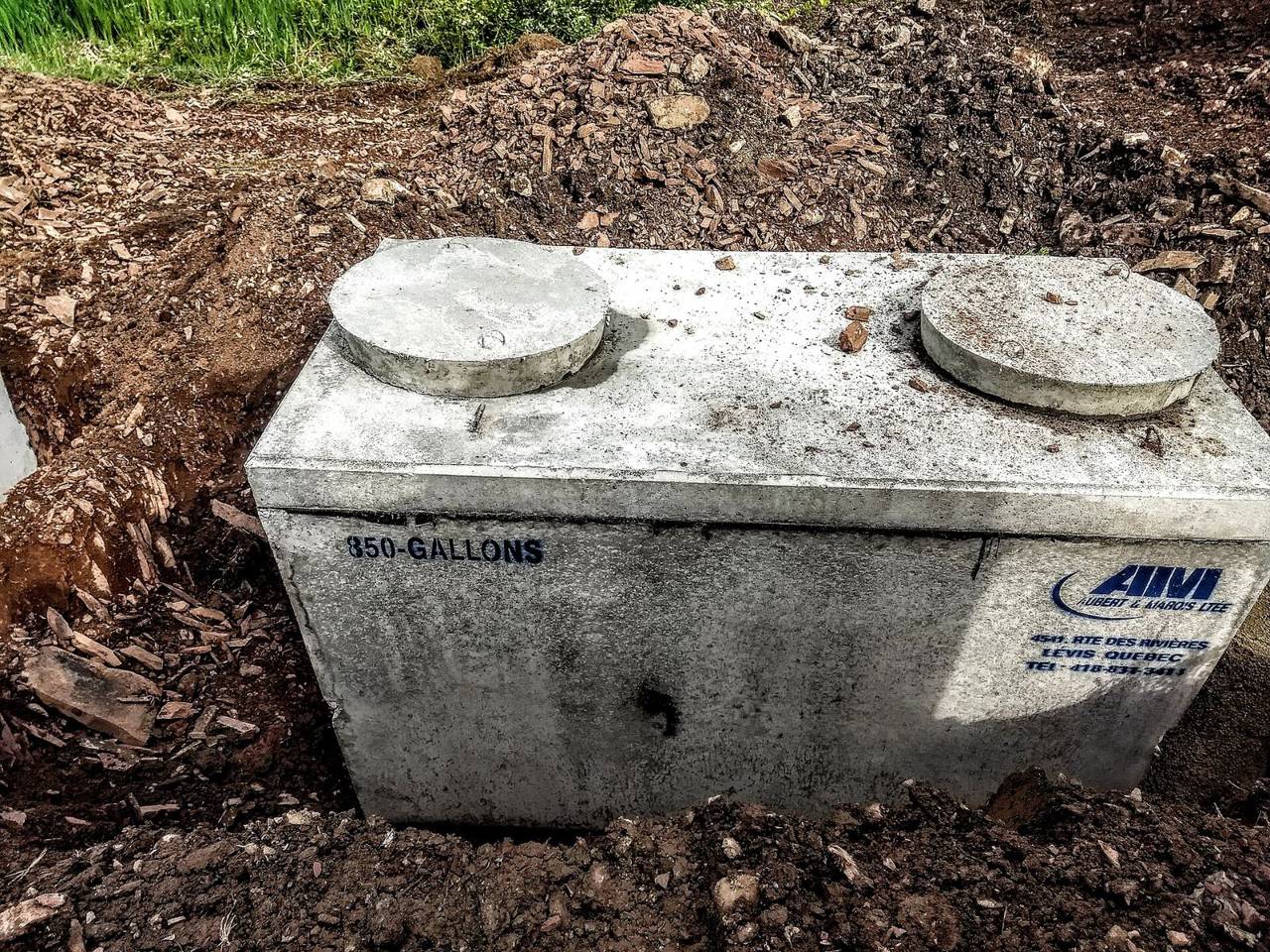
What to know in Bee Cave
Work around irrigation and drip lines
Bee Cave yards are often full of buried sprinkler pipe and drip tubing. Before we dig, we ask about irrigation maps and shut off the zones near the tank. A cut line is easy to repair when we know about it and annoying when we do not. Photograph the finished risers and keep the photos with your records.
Blending with landscape and HOA rules
A lid at grade is visible, which some associations dislike. Low-profile lids in earth tones are available, and a small planting nearby can soften the look. Keep access clear for service, and check your community rules before ordering. Ask for a gasket check at every service visit, since seals dry out over time.
Pricing in plain terms
Risers commonly run a few hundred dollars each, depending on depth, material, and how hard the digging is. These are general market ranges and not a quote. Rock around the tank and several access points raise the price, but savings add up at each future pumping. Make sure the riser sits level. A tilted one can crack or leak.
Signs you may need septic risers & lids
- You do not know where your tank lids are located
- A lid is cracked, broken, missing or sitting loose
- Pumping crews have to dig to reach the tank each visit
- The lid is below grade and collects water or debris
How septic risers & lids works
Texas has specific rules about tank access, found in 30 TAC 285.38, which covers prevention of unauthorized access to on-site sewage facilities. For systems permitted on or after September 1, 2023, inspection and cleanout ports must have risers extending at least two inches above grade, and the smallest dimension of each port opening must be at least 12 inches. Ports must be positioned so the tank can be pumped, and a plug, cap or other restraint must sit below the riser cap to keep a person from falling into the tank if the cap is damaged or removed. Older systems may have been permitted under earlier rules, so check with your county about your own system. Your tank may look different from what the rule describes, so ask before you assume.
The rule also covers how the riser is built. Risers must be permanently fastened to the tank lid or cast into the tank, with a watertight connection, and fitted with removable watertight caps that cannot be taken off by unauthorized people. Acceptable protection includes locks or covers that need tools to remove. That is why a loose pipe stuck in the ground or a cracked cap held down with a rock is not good enough. Watertight matters for two reasons: it keeps stormwater from flooding the tank, and it keeps odors and gases inside. A riser kit designed for your tank and installed correctly addresses all of these points. Ask for the specific parts to be listed on your estimate.
What to expect on a Bee Cave visit
- 01
Locate and assess the tank
We find your tank and its openings using records, probing or locating equipment. We then look at the condition of existing lids, the depth of burial, the number of openings and the material of the tank. This tells us what size and style of riser will fit, and whether any repair is needed first.
- 02
Review rules and your system
We check the access requirements that apply to your system, including the riser height and secure cap rules in 30 TAC 285.38, and any local requirements. Older systems may fall under earlier rules, so we encourage you to confirm what your county expects, especially if risers are part of a larger repair or permit.
- 03
Excavate and inspect
We carefully dig around each opening, taking care not to damage the tank, pipes or wiring. Once the lid is exposed, we inspect it and the tank rim for cracks or wear. If the concrete is damaged, we explain the repair or replacement options before anything gets covered. Careful hand digging near the tank protects it from damage.
- 04
Fit and seal the riser
We choose a riser sized to the opening, set it plumb, and seal it so the connection is watertight. The riser is cut to extend above grade, as required, and fitted with a secure lid and the below-cap restraint. We make sure it is stable and will not shift under mowers or foot traffic.
- 05
Backfill and grade
We backfill and compact soil around each riser, and grade the area so water drains away from the lid instead of toward it. Proper grading helps keep stormwater out of the tank and prevents settling. We clean up the work area and leave the lids clearly accessible. We also check that the lid sits at a safe, visible height.
- 06
Show you the new setup
We walk you through where each lid is, how to secure it and how to check it. We also give you simple tips, such as keeping mulch and planters off the lids and not parking on them. If you have an aerobic system, we point out which lid serves which component.
Our approach in Bee Cave
- We locate and open your tank, aerobic unit and dispersal area, including buried lids common on older Bee Cave properties
- We explain what we find in plain language, with photos where they help
- Repairs and installs are planned around Travis County permitting requirements
- You get written options before any repair work begins
- Aerobic visits are recorded for your maintenance contract
Septic conditions around Bee Cave
Weather in Bee Cave arrives in extremes. Summer droughts bake the thin soils, and the rocky ground can shift enough to loosen lids, crack buried lines and expose pipe edges. Then a hard storm can drop several inches in a few hours, and runoff races down slopes toward Barton Creek. Water that cannot soak into shallow soil sheets across the surface, and drain fields on lower parts of a slope can stay soggy for days. Pay attention to the signs after heavy rain: slow drains, gurgling pipes, a sewage smell near the tank or field, or lush green patches that appear in the middle of dry grass. Keep roof drains and sump discharge pointed away from your system. If an aerobic alarm sounds during or after a storm, do not ignore it, since power flickers and wet conditions can stop the pump or aerator.
Septic Risers & Lids questions from Bee Cave homeowners
Are septic risers required in Bee Cave?
Requirements depend on the system type and the permit. Some systems must have access at or near grade, so check your permit. Check with Travis County, LCRA, or the city for your address. Even where optional, risers make service easier and safer, so they are worth considering. Use only products approved for septic tank access. Fixing a lid with household materials is unsafe.
Will a riser lid make my yard look bad?
Not necessarily. Lids come in low-profile styles and earth-tone colors that blend into turf and mulch. Many owners place a small planter or decorative rock beside the lid, leaving the cover itself clear. Keep the lid reachable and avoid stacking heavy objects on it, since service crews must lift it. If you have several tanks, ask us to riser them all in one visit to save on mobilization.
Can I just replace a cracked lid myself?
A cracked lid is a hazard, so first keep people and pets off it and mark the area. Replacing it is possible for some owners, but heavy lids, tank gases, and the risk of a fall make it risky. A professional can fit a proper lid or a riser, and seal it to keep water out. Stay off a lid you are unsure about, and keep pets and kids away until it is repaired.
My riser lid is cracked. What should I do?
Treat it as urgent. Keep people and pets away, cover the opening safely with something heavy and stable, and call for a replacement. A cracked lid can fail under weight, let stormwater and pests in, and let gases out. Do not stand on it. A replacement lid is usually a small fix compared with the risk. If the tank opening is exposed, also keep any pumps and wires away from the area.
What is a septic riser?
A septic riser is a pipe or cylinder that fits over a tank opening and brings access up to or above ground level, with a lid on top. It lets a pumper or inspector reach the tank without digging. A properly installed riser is also watertight and secured, which keeps stormwater, pests, children and pets out of the tank. Many homeowners are surprised how much easier service becomes once the tank is easy to find.
Does Texas require septic risers?
For systems permitted on or after September 1, 2023, 30 TAC 285.38 calls for risers on inspection and cleanout ports that extend at least two inches above grade, with secure caps. Older systems may fall under earlier rules, and local programs can add requirements. Check with your county about what applies to your system and address. Even where a rule does not strictly apply, a secure and accessible lid is good practice.
More about septic risers & lids → · All septic services in Bee Cave →
Need septic risers & lids in Bee Cave?
Call or send a request. We will ask a few questions about your system and the property, then schedule a visit.