Johnson City · Blanco County
Septic System Repair in Johnson City, TX
Typical repairs around Johnson City include broken baffles, cracked or shifted pipes, failed pumps and tree roots from oak and cedar. We trace the problem before digging so we can limit disturbance on rocky ground. We explain what failed, the repair options and what to expect afterward, so you can make a confident decision. Early repairs usually cost far less than waiting for a bigger failure.
Septic System Repair for Johnson City homes
A septic problem on a Johnson City property can begin quietly: a slow tub, a gurgle in the toilet, grass that is greener than the rest over one corner of the yard. By the time sewage appears, the system has usually been struggling for a while. Catching it early and finding the real cause often means a smaller repair than most owners fear. Many owners try a quick fix first, like additives or chemical drain openers, and wait too long to call. These products rarely address the actual cause and can harm the tank. A simple inspection often finds a clogged filter, a loose baffle or a broken pipe that can be repaired for far less than the cost of ignoring it for another year.
We start by running water and watching how the tank behaves. A full tank with a clear outlet suggests a blockage ahead of the tank. Liquid standing at the lid suggests a plugged outlet filter, a blocked line to the field or a failing field. We check the distribution box, camera the line if needed, and test the lid seals. This sequence sorts out the problem without digging up the whole yard. If a pipe between house and tank is damaged, repair means finding the break and replacing that section. Modern pipe is smooth and sealed, so roots have fewer ways in. We set it on a stable bed with the right slope, because a sag lets solids collect and clog again. Skipping bedding is how repairs fail the next season.
Local conditions matter. Mesquite, live oak and cedar roots find old clay or cast iron lines quickly, and limestone near the surface can cause pipe to settle unevenly and crack. We replace only the failed section with solid pipe, correct the slope so liquid drains rather than pools, and seal joints. Large repairs, such as field changes, need approval from Blanco County, and we explain the process before work begins. We also check the tank lid and any vents. Missing lids or a blocked vent can cause odors and let rain or animals into the tank. These are low-cost items that make a difference. Leaving them undone can undo an otherwise good repair, so we address the small things while we are on site.
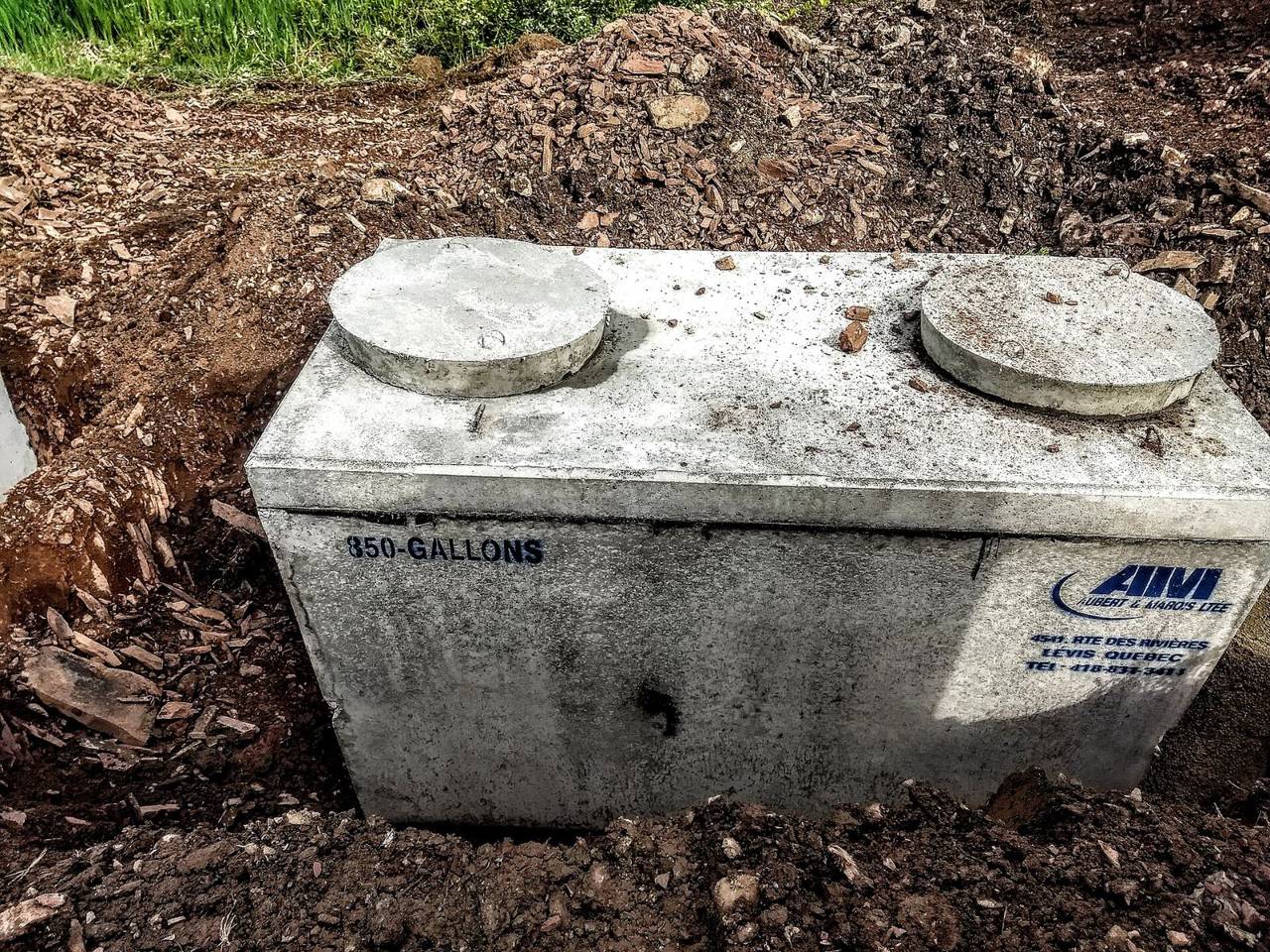
What to know in Johnson City
Old systems on older homes
Many homes around Johnson City were built decades ago, with steel tanks or clay lines that have reached the end of their lives. A steel tank can rust through and collapse. We check tank material and age so you know whether a repair is worth it. Ask before we dig about surface restoration. Rock, gravel and grass each need different treatment, and a quick conversation sets expectations.
Trenching through rock
Digging a repair trench in limestone takes time and sometimes breaker equipment. We plan the route to limit rock cutting, avoid utilities and protect trees. Ask about restoration, since gravel, flagstone or grass may need replacing after the work. Water use is part of the repair. Reducing laundry loads and fixing leaks while the system recovers gives the repair a better chance of lasting.
Cost and priorities
Repairs range from modest, such as a baffle or lid, to substantial, such as a new line. Ask for a written list in priority order, with what is urgent, what can wait and what each costs. That helps you spend where it matters. Keep receipts and notes. They show a pattern of upkeep to a buyer, and if you later sell the home, they tell the story of how the system was cared for.
Signs you may need septic system repair
- Wet or spongy ground above the tank or field
- Cracked, broken or missing tank lids
- Bright green grass over the field during dry weather
- Sewage backing up into tubs, toilets or floor drains
How septic system repair works
You can help the repair go smoothly. Take notes on when the problem started, what changed and where you see signs. Photos of wet ground or backups are useful. Avoid using lots of water until the cause is found, and do not use chemical drain cleaners or septic additives, which can harm the system. Keep pets and kids away from any wet or smelly areas, because untreated sewage is a health hazard. If sewage is backing up into the home, treat it as an emergency, stop using water and call for help right away. Quick action limits the damage inside your home and the cost of cleanup. Knowing the right steps in advance keeps a stressful day from becoming a costly one.
Septic system repair covers everything that can go wrong between your house and your drain field. The main parts are the sewer line leaving the home, the septic tank, the baffles or outlet tees, the effluent filter, the distribution box and the field lines. A problem in any one of them can look like a problem in all of them. A backup in the shower might come from a clogged filter, a collapsed pipe or a failing field. Septic system repair in Dripping Springs and across the Hill Country begins with finding the real cause. We would rather spend an extra hour on diagnosis than replace a part that was never the issue, because guessing costs you money and time.
What to expect on a Johnson City visit
- 01
Talk through what you are seeing
We listen to when the trouble began and where you notice it. Backups, odors, slow drains and wet ground each point to different causes. We also ask about pumping history, recent weather and any changes in household use, such as guests or new appliances. Short notes from you help a lot.
- 02
Inspect the tank and connected parts
We open the tank and check the liquid level, baffles, filter and pipes. If the tank is full, we may pump it to see the inside. Finding a clog or a broken baffle at this stage can solve the problem quickly and keep the cost of the repair low. Pumping first can reveal the cause.
- 03
Trace the lines and distribution box
We check the line from the house, the outlet and the distribution box. We may use cabling, a camera or water tests to find blocked or broken sections. We also look at how water flows to each field line, since uneven flow is a common clue. We mark what we find on a sketch.
- 04
Evaluate the field or disposal area
We walk the drain field or disposal area and look for wet ground, odors, lush grass and other signs of failure. We compare what we find with your records. If the field is the problem, we explain the next steps and the options that fit your property. Weather and slope are considered.
- 05
Review options and costs with you
We explain what is wrong, what the repair involves and what it is likely to cost. Where there are choices, we lay them out side by side. We note any permit steps the county requires. You decide how to move forward, and nothing starts without your approval. Take your time with the decision.
- 06
Complete the repair and test
We make the repair, restore the site as well as we can and test that water moves through the system correctly. We tell you what to watch for in the coming weeks and give you notes for your records, so the next technician knows what was done. Keep these notes handy.
Our approach in Johnson City
- We locate and open your tank, aerobic unit and dispersal area, including buried lids common on older Johnson City properties
- We explain what we find in plain language, with photos where they help
- Repairs and installs are planned around Blanco County permitting requirements
- You get written options before any repair work begins
- Aerobic visits are recorded for your maintenance contract
Septic conditions around Johnson City
Weather around Johnson City can be harsh on septic systems. Long dry spells shrink clay soils and can crack lines, loosen lids and expose pipes. Then a fast storm hits, and the Pedernales River and the smaller creeks around town rise quickly, flooding low-lying yards and saturating drain fields. Thin soil on slopes sheds water rapidly, but fields at the base of a slope may stay soggy long afterward. Spread out laundry and dishwasher loads during wet periods, and avoid pumping a tank when the ground is saturated. Watch for slow drains, odors, wet areas and alarms. Out here, help can be a long drive away, so a basic understanding of your system and a routine maintenance schedule are your best protection against surprise failures during a holiday weekend. Knowing where your tank and lids are, and writing it down, saves time in a real emergency.
Septic System Repair questions from Johnson City homeowners
Why is only one drain in my house slow?
A single slow drain usually means a clog in that fixture's line, not a septic problem. If several drains slow at once, or a toilet gurgles when another fixture drains, the main line or tank is suspect. A plumber or septic technician can run a camera to find out. A solo slow drain is usually a local clog. Multiple slow drains, gurgling or backups in a low fixture suggest the main line or the tank. If in doubt, a technician can quickly tell the difference.
Can I use bleach and cleaners freely with septic?
Small amounts of ordinary household cleaners are generally fine, but heavy bleach use, drain chemicals and antibacterial products can upset tank bacteria. Spread out laundry and avoid pouring paint, solvents or grease down drains. When in doubt, use less. Everyday cleaners used in normal amounts are fine. Heavy bleach, drain openers and antibacterial products in large amounts can hurt tank bacteria. Wipes, even those labeled flushable, should go in the trash.
Can I fix a lid or vent myself?
Replacing a vent cap or a plastic lid with a bolted one is reasonable for a careful owner, as long as you never lean into the tank. For cracked concrete lids, broken risers or anything involving digging, call a professional, since tanks hold dangerous gases and heavy lids. Some owners handle vents and plastic lids. Anything that requires digging, heavy concrete or entering a tank should be left to professionals. The gases and weight are not worth the risk.
Do tree roots damage septic systems?
Yes. Roots seek water and can enter small cracks in pipes, tank joints and the distribution box. Once inside, they grow and block flow. Cabling or hydro-jetting can clear roots, but the pipe may need repair. Planting trees well away from lines and tanks helps prevent the problem from coming back. A camera inspection can show whether roots have entered a line.
Do I need a permit for septic repairs?
Small repairs like replacing a lid, filter or baffle often do not. Larger work, such as replacing a tank or changing the field, usually does. Permits come from your local authorized agent, such as Hays County or Travis County. Call the permitting office before work starts so you know what applies to your address. Penalties for unpermitted work can be costly, so ask first.
Is a sewage backup an emergency?
Yes. Stop using water, keep people and pets away from affected areas and call for help. Sewage carries bacteria and can damage floors and walls. Do not try to clean large spills without protection. After the source is fixed, cleanup and disinfection of the affected area may also be needed to make the space safe. Wear gloves and wash hands well if contact happens.
More about septic system repair → · All septic services in Johnson City →
Need septic system repair in Johnson City?
Call or send a request. We will ask a few questions about your system and the property, then schedule a visit.