Henly · Hays County
Septic System Repair in Henly, TX
Repairs in Henly are often about aging equipment. Rusted steel tanks, cracked concrete lids, collapsed pipes and roots in the lines turn up on older properties, and hard rock can make each fix slower. We diagnose the cause, tell you what needs to be done now and what can wait, and note whether the work needs approval from the county. On long driveways, we plan equipment access first so the job goes smoothly.
Septic System Repair for Henly homes
Septic repair in Henly covers a wide range, from a cracked pipe between the house and tank to a collapsed baffle or a failed effluent pump. The trick is finding the real cause. A slow drain in the kitchen might be a clogged line, a full tank or a saturated field, and each needs a different response. We work from the house outward so we do not dig where we do not have to. Henly is far from any supply house, which makes a good first diagnosis more valuable. A repair that requires a second trip costs time as well as money.
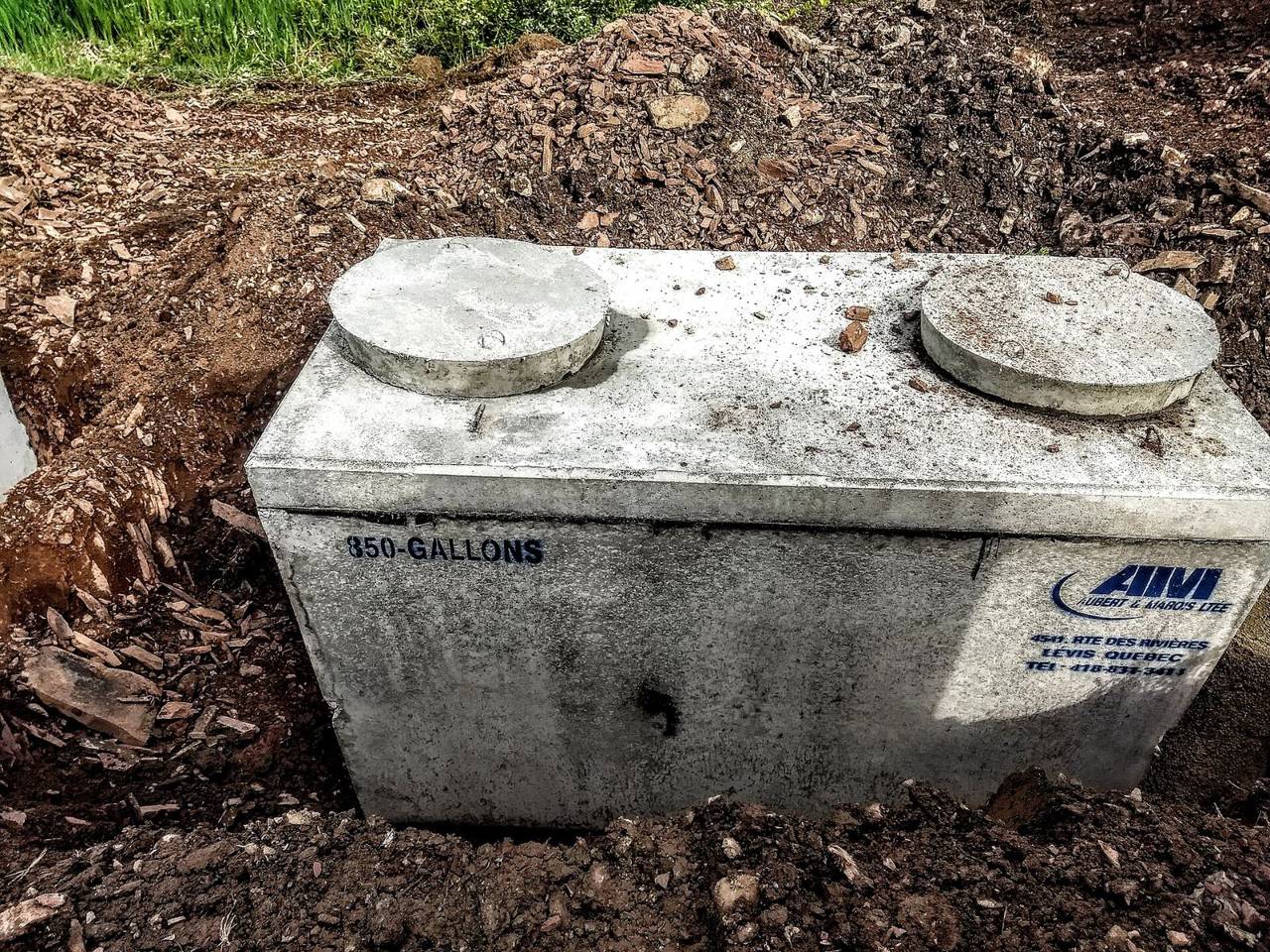
Roots and rock are the two repeat offenders in this part of the Hill Country. Live oaks and cedar send roots toward the moisture in sewer lines and tank joints. Meanwhile, shallow limestone and shifting clay can put stress on pipes, and a pipe that settles even slightly can form a low spot where solids collect. A camera run through the line shows these problems clearly and spares you guesswork. Tank condition matters. Older concrete tanks can corrode from the inside, especially at the inlet where gases collect, and a thin wall or exposed rebar is a sign to plan for replacement rather than patching.
Not every repair needs a permit, but some do. Replacing a baffle or a pipe section is maintenance. Replacing the tank or changing the field usually requires approval through Hays County Development Services. We help you figure out which side of that line your job falls on. If a repair would only delay a bigger failure, we say so plainly, so that you spend money where it counts. We prefer to repair what is clearly broken, document what is not, and give you a priority list. That helps you spread the cost across a budget instead of reacting to an emergency later.
What to know in Henly
Caliche and bedrock digging
Digging a repair trench in Henly can mean breaking through caliche or limestone. That slows the work and affects what a job takes. A site visit lets us see what is under the surface before giving you an honest scope. Ask for photos of the damage. They are useful when you talk to the county, an insurer or a future buyer.
Tree roots near lines
Oaks and cedars near the house can invade clay and cast iron lines. We can clear roots and camera the pipe, then advise if the line needs replacing. Keeping new plantings away from the tank and field is the long-term fix. Clearing a few shrubs and marking utilities before we arrive speeds up the visit and avoids damage to irrigation lines.
Temporary use during repairs
With no sewer to fall back on, you may have to limit water use while work is under way. We explain what is safe, such as skipping laundry, so the household can plan around it. Plan for a day without full water use when major work happens, and arrange laundry or showers elsewhere.
Signs you may need septic system repair
- Sewage odor in the yard or near the tank
- Wet or spongy ground above the tank or field
- Cracked, broken or missing tank lids
- Bright green grass over the field during dry weather
How septic system repair works
Distribution boxes and field lines are the next place we look. The distribution box splits the flow among the drain field lines. If it settles, cracks or fills with solids, some lines get too much water while others get none. That can cause wet spots and backups even though the lines themselves are fine. Leveling or replacing a box is a modest repair compared with replacing a field. If lines are clogged or the soil has failed, repair may not be enough, and the system may need a larger solution such as drain field repair or replacement, which we cover on its own service page. Ask for a written explanation of what failed, so you can compare options with confidence.
Some repairs depend on rules. A simple part replacement often does not need a permit, but larger changes can. In Texas, on-site sewage facility rules come from TCEQ under 30 TAC Chapter 285, and your local authorized agent, such as Hays County Development Services, Travis County or the City of Austin, handles permits. Before major repairs, check with the right office. Work that changes the size, type or location of a system usually needs approval. Keeping your paperwork in order protects you when you sell the home, and it protects the land and water around you. If you are unsure, call the county first and ask. A short phone call to the permitting office can save weeks of delay and avoid fines later.
What to expect on a Henly visit
- 01
Talk through what you are seeing
We listen to when the trouble began and where you notice it. Backups, odors, slow drains and wet ground each point to different causes. We also ask about pumping history, recent weather and any changes in household use, such as guests or new appliances. Short notes from you help a lot.
- 02
Inspect the tank and connected parts
We open the tank and check the liquid level, baffles, filter and pipes. If the tank is full, we may pump it to see the inside. Finding a clog or a broken baffle at this stage can solve the problem quickly and keep the cost of the repair low. Pumping first can reveal the cause.
- 03
Trace the lines and distribution box
We check the line from the house, the outlet and the distribution box. We may use cabling, a camera or water tests to find blocked or broken sections. We also look at how water flows to each field line, since uneven flow is a common clue. We mark what we find on a sketch.
- 04
Evaluate the field or disposal area
We walk the drain field or disposal area and look for wet ground, odors, lush grass and other signs of failure. We compare what we find with your records. If the field is the problem, we explain the next steps and the options that fit your property. Weather and slope are considered.
- 05
Review options and costs with you
We explain what is wrong, what the repair involves and what it is likely to cost. Where there are choices, we lay them out side by side. We note any permit steps the county requires. You decide how to move forward, and nothing starts without your approval. Take your time with the decision.
- 06
Complete the repair and test
We make the repair, restore the site as well as we can and test that water moves through the system correctly. We tell you what to watch for in the coming weeks and give you notes for your records, so the next technician knows what was done. Keep these notes handy.
Our approach in Henly
- We locate and open your tank, aerobic unit and dispersal area, including buried lids common on older Henly properties
- We explain what we find in plain language, with photos where they help
- Repairs and installs are planned around Hays County permitting requirements
- You get written options before any repair work begins
- Aerobic visits are recorded for your maintenance contract
Septic conditions around Henly
Weather out here is wide open. Summer drought bakes the ground, cracks clay and dries spray fields, while a single big storm can drop several inches of rain onto thin soil that has no place to hold it. After a storm, low spots in a field can stay wet for days. Wind and lightning are real concerns for aerobic systems, since a power surge can damage the control panel or air pump, and a power outage stops treatment until the electricity is restored. Livestock and ranch vehicles add risk, because heavy loads on a field compress soil and crush shallow lines. Roots from cedar and oak will find their way into pipes if allowed. A seasonal walk around the field, lids and panel catches most problems early. Long gravel drives also need planning for service: a heavy pump truck needs firm ground and room to turn, so scheduling after a dry stretch helps. Flag your tank lids ahead of time, and tell us if you are unsure where the tank is.
Septic System Repair questions from Henly homeowners
How do I know whether the problem is the pipe, tank or field?
Look at where it shows up. A backup in every drain at once often points to the main line or a full tank. Wet ground and smells in the yard point to the field. A single slow fixture is usually local plumbing. We confirm with a camera, a tank check and a look at the field. Cast iron lines under old slabs are a separate plumbing matter, and a camera can show whether the fault is before or after the tank.
Can a septic repair wait until after a big rain?
Minor ones can, but sewage surfacing should not wait. After heavy rain the ground is saturated and a stressed system struggles more. If you see standing wastewater or smell sewage near the house, call promptly. Limit water use in the meantime. If the backup returns soon after pumping, the cause is probably downstream. Do not pay for repeat pumping without a diagnosis.
Will my repair need county approval?
Small like-for-like repairs generally do not, but replacing a tank or altering the field does. Rules come from TCEQ and are applied by Hays County in this area. We recommend a quick call to Development Services before a larger job, so you are not surprised. Save receipts and permits. A clean repair record supports your property value.
Do tree roots damage septic systems?
Yes. Roots seek water and can enter small cracks in pipes, tank joints and the distribution box. Once inside, they grow and block flow. Cabling or hydro-jetting can clear roots, but the pipe may need repair. Planting trees well away from lines and tanks helps prevent the problem from coming back. A camera inspection can show whether roots have entered a line.
Do I need a permit for septic repairs?
Small repairs like replacing a lid, filter or baffle often do not. Larger work, such as replacing a tank or changing the field, usually does. Permits come from your local authorized agent, such as Hays County or Travis County. Call the permitting office before work starts so you know what applies to your address. Penalties for unpermitted work can be costly, so ask first.
Is a sewage backup an emergency?
Yes. Stop using water, keep people and pets away from affected areas and call for help. Sewage carries bacteria and can damage floors and walls. Do not try to clean large spills without protection. After the source is fixed, cleanup and disinfection of the affected area may also be needed to make the space safe. Wear gloves and wash hands well if contact happens.
More about septic system repair → · All septic services in Henly →
Need septic system repair in Henly?
Call or send a request. We will ask a few questions about your system and the property, then schedule a visit.