Driftwood · Hays County
Septic System Repair in Driftwood, TX
Septic repair in Driftwood usually means working around rock and distance. A cracked line or failed effluent pump might be a short job in sandy soil, but here the trench may need to be cut through limestone, and the equipment has to reach a back corner of a large tract. We diagnose first and explain the options. If a repair would change the system's design or layout, the county may need to approve it, and we will tell you when to call Hays County first.
Septic System Repair for Driftwood homes
Septic repair in Driftwood often involves a combination of old equipment and demanding ground. Many homes here were built before current rules, with steel or early concrete tanks, clay tile lines or simple trench fields. Parts wear out. A cracked baffle sends solids to the field. A collapsed line sends sewage back toward the house. A broken distribution box sends all the flow to one trench, which then floods. These are manageable repairs when found early, and each one has clear signs we teach homeowners to watch for. Insurance rarely covers a failing septic system, so a small repair now beats a replacement later. Keep that in mind when you are tempted to wait out a slow drain through the holidays.
The first step is diagnosis. We start inside the house with the cleanout and a camera if needed, then move out to the tank and the distribution box. Along the way we ask when the trouble began. A slow drain that only shows up after laundry points to one thing, while a backup after a heavy rain points to another. Driftwood soils drain slowly when wet, so a field that seems fine in July can be saturated in March and show symptoms for just a few weeks each year. We also see plenty of repairs that are really maintenance in disguise, such as replacing a missing cover or clearing a clogged outlet filter. Those cost little and prevent far bigger bills.
Because the property is often large, we also look at how water moves across the lot. Gutter downspouts, driveway runoff and pasture drainage can end up soaking the tank area or the field and make a healthy system look sick. Sometimes the best repair is a few feet of regrading or a diverted downspout. When digging is needed, we try to preserve oaks and mature cedar, and we explain what the county will want to know about the repair. After a repair, we record what we found and what we changed so the next person who opens the tank has a head start.
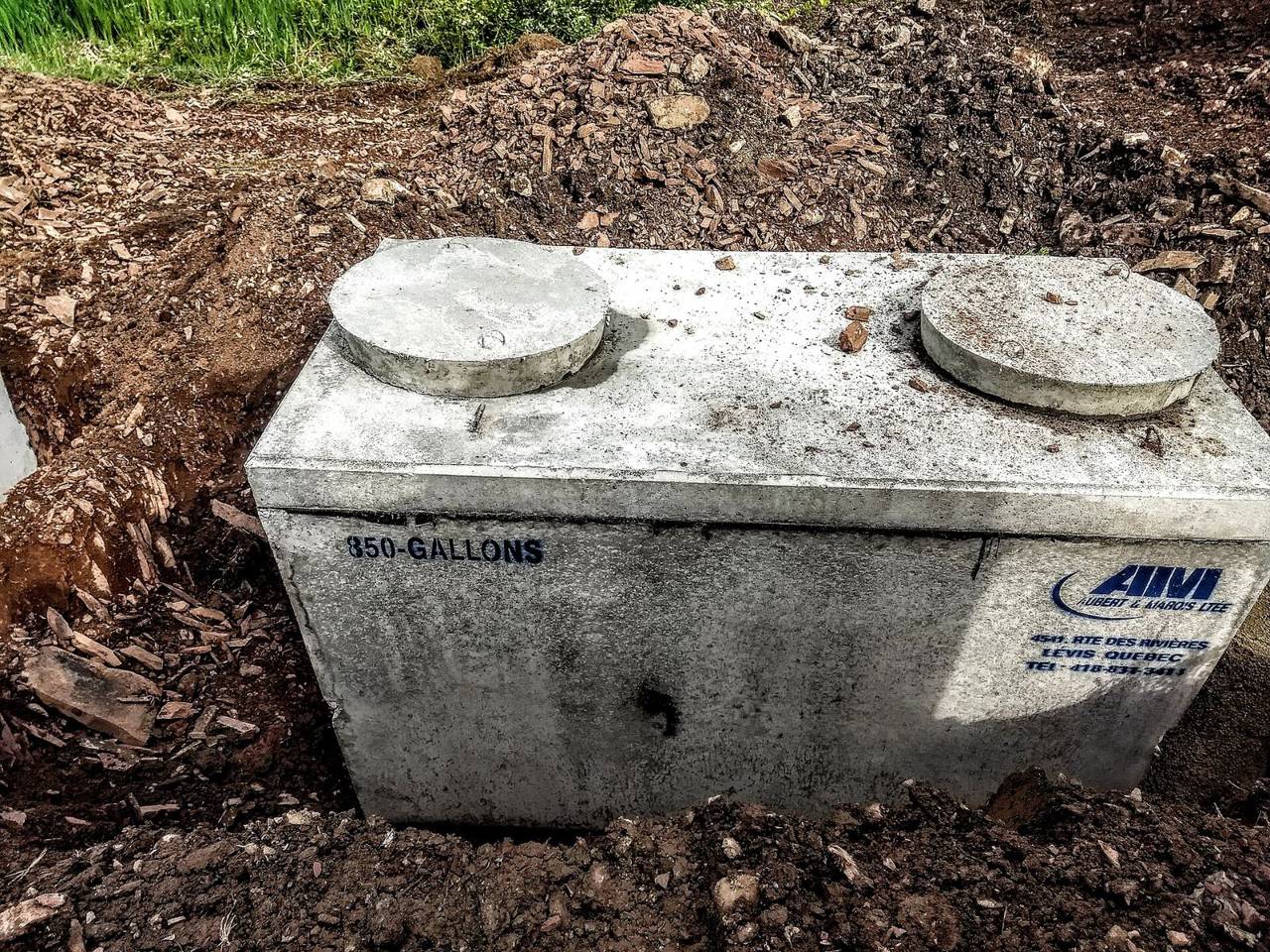
What to know in Driftwood
Old tanks and clay lines
Systems built decades ago may use materials that have outlived their design. We check tank walls for cracks and corrosion and use a camera to inspect lines. If a tank is failing, patching rarely lasts, and we will say so rather than sell you a repair that will not hold. We watch for rodent damage too.
Water arriving from outside the system
Downspouts, driveway runoff and sloped pasture can push surface water over a tank or field. That adds load the soil cannot take. Redirecting water away from the system is cheap compared with rebuilding it, and it often fixes recurring wet spots. A quick regrade can fix a lot.
Working around trees and rock
Driftwood lots tend to have mature oaks and shallow bedrock. Both complicate trenching. We plan routes that avoid major roots where possible and bring the right equipment for rock, so repairs are done correctly without needless damage to the property. Ask us what roots we see.
Signs you may need septic system repair
- Slow drains throughout the house, not just one fixture
- Gurgling sounds in plumbing after flushing
- Sewage odor in the yard or near the tank
- Wet or spongy ground above the tank or field
How septic system repair works
The cheapest repairs are often the ones people put off. A cracked lid, a missing gasket or a clogged effluent filter takes little time to fix, but left alone these can let in rainwater, roots, children and pets. A broken baffle or outlet tee lets solids flow into the drain field, where they slowly clog the soil. Many drain field failures start with a tank problem that went unnoticed for years. If we find a small problem during pumping or inspection, we tell you before it becomes a big one. Prompt repairs protect your home, your landscaping and the groundwater under your property, and they keep your long-term costs down. A routine tank check every few years makes these small fixes easy to catch before they spread.
Pipes cause a lot of trouble. The line from the house to the tank can crack, sag or fill with roots. Cast iron and clay pipes in older homes are especially prone to failure. A belly in the line holds water and collects solids, which leads to repeated clogs. Hydro-jetting or cabling clears many blockages, and a camera can show whether the line is damaged. When a pipe is broken, the fix is to dig and replace the damaged section. Limestone and caliche make digging in the Hill Country slow, so we plan the work carefully to limit the mess in your yard and to protect trees and driveways. A camera inspection takes the guesswork out, showing exactly where the line has failed before any digging starts.
What to expect on a Driftwood visit
- 01
Talk through what you are seeing
We listen to when the trouble began and where you notice it. Backups, odors, slow drains and wet ground each point to different causes. We also ask about pumping history, recent weather and any changes in household use, such as guests or new appliances. Short notes from you help a lot.
- 02
Inspect the tank and connected parts
We open the tank and check the liquid level, baffles, filter and pipes. If the tank is full, we may pump it to see the inside. Finding a clog or a broken baffle at this stage can solve the problem quickly and keep the cost of the repair low. Pumping first can reveal the cause.
- 03
Trace the lines and distribution box
We check the line from the house, the outlet and the distribution box. We may use cabling, a camera or water tests to find blocked or broken sections. We also look at how water flows to each field line, since uneven flow is a common clue. We mark what we find on a sketch.
- 04
Evaluate the field or disposal area
We walk the drain field or disposal area and look for wet ground, odors, lush grass and other signs of failure. We compare what we find with your records. If the field is the problem, we explain the next steps and the options that fit your property. Weather and slope are considered.
- 05
Review options and costs with you
We explain what is wrong, what the repair involves and what it is likely to cost. Where there are choices, we lay them out side by side. We note any permit steps the county requires. You decide how to move forward, and nothing starts without your approval. Take your time with the decision.
- 06
Complete the repair and test
We make the repair, restore the site as well as we can and test that water moves through the system correctly. We tell you what to watch for in the coming weeks and give you notes for your records, so the next technician knows what was done. Keep these notes handy.
Our approach in Driftwood
- We locate and open your tank, aerobic unit and dispersal area, including buried lids common on older Driftwood properties
- We explain what we find in plain language, with photos where they help
- Repairs and installs are planned around Hays County permitting requirements
- You get written options before any repair work begins
- Aerobic visits are recorded for your maintenance contract
Septic conditions around Driftwood
Driftwood is largely unincorporated, and centralized sewer lines are generally not available to the rural tracts that surround FM 150 and FM 1826. Property listings in the area regularly note that sewer is not available, which means septic or aerobic treatment is the plan for nearly every home. That is a simple answer compared with many nearby towns, but it comes with responsibility. There is no city crew to call when a system acts up, and a neglected tank can foul your yard, your well or a neighbor's. A few developments may be served by a shared or utility-operated system, so confirm with the seller or your homeowner's association if you are not sure. As a practical rule, if you do not pay a monthly sewer bill, you own a septic system and the upkeep that goes with it.
Septic System Repair questions from Driftwood homeowners
My yard is soggy but I have not used much water. Why?
Several things can cause that. A leaking pipe, a failing field, a full tank or surface water from a downspout can all create wet ground. After heavy rain, clay soils can hold water for days. We look at where the water appears and test the system to find the actual source before suggesting work. Skip the store additives.
Should I use additives to fix my septic problems?
Additives do not repair cracked baffles, broken lines or clogged fields, and some can harm the system. Regular pumping and careful use of water do far more. If you are thinking of using a product, ask us first. Many Hill Country systems do fine with no additives at all. Ask for a written summary.
How long will a repair last?
It depends on what failed and why. A new baffle or lid can last many years. A line repair lasts as long as the roots and soil movement allow. If the repair treats a symptom of overload, the problem may return. We explain what to expect when we finish the job. A follow-up check is easy to schedule.
Can I use chemical drain cleaners on a septic system?
It is best to avoid them. Harsh chemicals can kill the bacteria that break down waste and may damage pipes. If a drain is slow, try a plunger or call a professional. Aerobic systems are especially sensitive to bleach and strong cleaners. A technician can clear a clog without hurting the system or the soil. Mild soap and normal use of cleaning products are fine, but bulk chemicals are not.
How do I know if my drain field is failing?
Signs include soggy ground, sewage odors, lush green grass over the lines and backups in the house. A failing field cannot absorb water the way it should. A technician can check the tank, the box and the lines to confirm whether the field is the cause or whether a simpler repair will fix the problem. Early detection can save a field that would otherwise need full replacement.
Do tree roots damage septic systems?
Yes. Roots seek water and can enter small cracks in pipes, tank joints and the distribution box. Once inside, they grow and block flow. Cabling or hydro-jetting can clear roots, but the pipe may need repair. Planting trees well away from lines and tanks helps prevent the problem from coming back. A camera inspection can show whether roots have entered a line.
More about septic system repair → · All septic services in Driftwood →
Need septic system repair in Driftwood?
Call or send a request. We will ask a few questions about your system and the property, then schedule a visit.