Buda · Hays County
Septic System Repair in Buda, TX
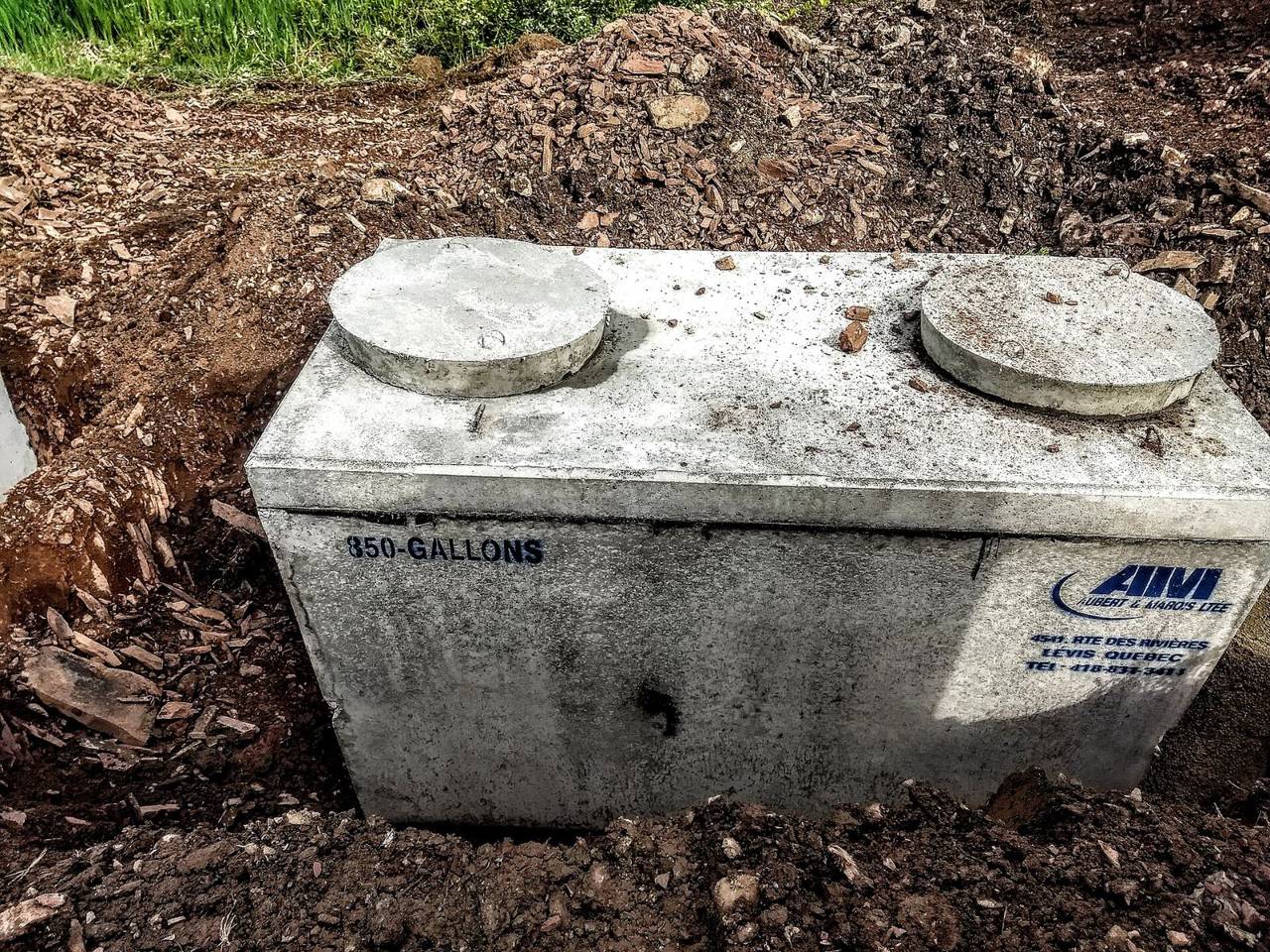
Repairs in Buda often involve pipes and tanks that moved. Clay that swells and shrinks can crack lines, pull connections apart and tilt tanks over the years. We locate the damage, explain what failed and what can wait, and fix the actual cause instead of treating symptoms. If the repair changes the system's design, the county may need to approve it, and we will let you know when a call to Hays County is needed before work begins.
Septic System Repair for Buda homes
A septic repair in the Buda area starts with a map question: is this property really on septic, and where are the parts? Many rural homes east and west of town were built over decades, and records can be thin. A repair crew that starts digging without a plan can hit a water line or miss the failure by ten feet. We find the tank and lines first, then locate the failure. Diagnosis comes first. Slow drains can start with something as simple as a vent problem or a clogged line between house and tank, and that is a lot cheaper to fix than a field. We check the cleanout, run a camera if needed and look at the tank levels. Only after ruling out the cheap causes do we suggest bigger work. This approach saves most customers real money.
Common repairs here include replacing a cracked inlet or outlet tee, rebuilding a damaged distribution box, fixing a broken line between house and tank, and swapping a worn effluent pump. Clay soil is hard on pipes. As it swells and shrinks with weather, it can shift lines, open joints and create low spots where waste collects. West of I-35, limestone does the opposite, putting hard edges against buried plastic. The age of the home also guides repairs. A house built in the 1970s may have clay tile or cast iron lines that break down over time, while newer homes use PVC. Roots invade old tile and cast iron joints readily, especially from the live oaks and pecans common around Buda. Replacing a damaged section is often enough, and a camera shows how much of the line is sound.
We also help you decide how much to spend. If the tank is old, the field is tired and a city sewer line is within reach, a series of repairs may cost more than connecting. If the system is sound apart from one failed part, repair makes sense. We explain both paths clearly, and we tell you when something is outside our scope or needs a call to the county. After the repair, we leave the property in a state you can live with. We backfill and tamp the trench, note any settling to watch and give you a clear explanation of what was done. If the repair shows that the system is near the end of its life, we say so and talk about next steps, including whether a sewer connection could be an option for your address.
What to know in Buda
Shrink-swell damage
Blackland clay east of town moves with moisture. After long dry spells followed by heavy rain, pipes can pull apart at joints. Watering the foundation evenly during droughts can reduce this movement around the house and the line. A trench in clay can settle for months. Ask us to check it after the first heavy rain and top it off if needed.
Utility conflicts
Buda's edge areas have gas, water, fiber and irrigation lines. Call 811 before digging. We do, and you should if you plan any yard work near the system. Call 811 before any digging near property lines. Edge-of-town roads often carry buried fiber and gas.
Weighing repair against sewer connection
Connection costs vary and depend on distance to the line, city fees and plumbing changes. Get a quote from the city before deciding. A repair bill is easier to judge once you know that number. Keep a copy of the invoice. If a similar issue arises, the history helps us pinpoint causes.
Signs you may need septic system repair
- Wet or spongy ground above the tank or field
- Cracked, broken or missing tank lids
- Bright green grass over the field during dry weather
- Sewage backing up into tubs, toilets or floor drains
How septic system repair works
Some repairs depend on rules. A simple part replacement often does not need a permit, but larger changes can. In Texas, on-site sewage facility rules come from TCEQ under 30 TAC Chapter 285, and your local authorized agent, such as Hays County Development Services, Travis County or the City of Austin, handles permits. Before major repairs, check with the right office. Work that changes the size, type or location of a system usually needs approval. Keeping your paperwork in order protects you when you sell the home, and it protects the land and water around you. If you are unsure, call the county first and ask. A short phone call to the permitting office can save weeks of delay and avoid fines later.
You can help the repair go smoothly. Take notes on when the problem started, what changed and where you see signs. Photos of wet ground or backups are useful. Avoid using lots of water until the cause is found, and do not use chemical drain cleaners or septic additives, which can harm the system. Keep pets and kids away from any wet or smelly areas, because untreated sewage is a health hazard. If sewage is backing up into the home, treat it as an emergency, stop using water and call for help right away. Quick action limits the damage inside your home and the cost of cleanup. Knowing the right steps in advance keeps a stressful day from becoming a costly one.
What to expect on a Buda visit
- 01
Talk through what you are seeing
We listen to when the trouble began and where you notice it. Backups, odors, slow drains and wet ground each point to different causes. We also ask about pumping history, recent weather and any changes in household use, such as guests or new appliances. Short notes from you help a lot.
- 02
Inspect the tank and connected parts
We open the tank and check the liquid level, baffles, filter and pipes. If the tank is full, we may pump it to see the inside. Finding a clog or a broken baffle at this stage can solve the problem quickly and keep the cost of the repair low. Pumping first can reveal the cause.
- 03
Trace the lines and distribution box
We check the line from the house, the outlet and the distribution box. We may use cabling, a camera or water tests to find blocked or broken sections. We also look at how water flows to each field line, since uneven flow is a common clue. We mark what we find on a sketch.
- 04
Evaluate the field or disposal area
We walk the drain field or disposal area and look for wet ground, odors, lush grass and other signs of failure. We compare what we find with your records. If the field is the problem, we explain the next steps and the options that fit your property. Weather and slope are considered.
- 05
Review options and costs with you
We explain what is wrong, what the repair involves and what it is likely to cost. Where there are choices, we lay them out side by side. We note any permit steps the county requires. You decide how to move forward, and nothing starts without your approval. Take your time with the decision.
- 06
Complete the repair and test
We make the repair, restore the site as well as we can and test that water moves through the system correctly. We tell you what to watch for in the coming weeks and give you notes for your records, so the next technician knows what was done. Keep these notes handy.
Our approach in Buda
- We locate and open your tank, aerobic unit and dispersal area, including buried lids common on older Buda properties
- We explain what we find in plain language, with photos where they help
- Repairs and installs are planned around Hays County permitting requirements
- You get written options before any repair work begins
- Aerobic visits are recorded for your maintenance contract
Septic conditions around Buda
Buda has grown fast, but not every part of it grew the same way. Dense neighborhoods and new subdivisions closer to I-35 were built with sewer service, while larger rural tracts, older subdivisions and acreage on the edges were built around septic. Driving the back roads outside town, you find horse properties, small farms, and custom homes with long driveways. Those lots often have a conventional tank and field if the soil allows, or an aerobic system if it does not. Clay lots frequently need drain fields that are longer or placed carefully to work. Because the area keeps changing, a house that once sat in the country may now be next to a new development while still running an older septic system. Knowing which side of that line you are on is the first step.
Septic System Repair questions from Buda homeowners
What are the usual signs of a septic problem near Buda?
Slow drains, gurgling toilets, sewage smells outdoors, and wet or unusually green patches over the field are the usual signs. If every fixture is slow at once, suspect the main line or a full tank. If only one is slow, it is likely a local clog. If a problem shows up right after pumping, tell us. It may point to a broken baffle or a clogged outlet filter.
Can I fix a septic problem myself?
Some simple steps are fine, like cutting water use and checking the breaker on an aerobic unit. Opening a tank, digging near lines and replacing parts are better left to a professional. Tanks contain dangerous gases, and a mistake can damage the system. Never pour grease, wipes or coffee grounds down the drain. These are common causes of repeat repairs.
Does Buda inspect septic repairs?
Septic permitting outside city limits goes through Hays County Development Services, and larger repairs may need approval. Inside city limits, ask the City of Buda. Small like-for-like repairs are usually simpler, but confirm before you start. Costs depend on depth, soil, access and parts. Ask for a written estimate with the scope spelled out.
Do I need a permit for septic repairs?
Small repairs like replacing a lid, filter or baffle often do not. Larger work, such as replacing a tank or changing the field, usually does. Permits come from your local authorized agent, such as Hays County or Travis County. Call the permitting office before work starts so you know what applies to your address. Penalties for unpermitted work can be costly, so ask first.
Is a sewage backup an emergency?
Yes. Stop using water, keep people and pets away from affected areas and call for help. Sewage carries bacteria and can damage floors and walls. Do not try to clean large spills without protection. After the source is fixed, cleanup and disinfection of the affected area may also be needed to make the space safe. Wear gloves and wash hands well if contact happens.
How long does a septic repair take?
Small repairs can be done in an hour or two. Pipe replacement, box repair or work involving rock and permits can take a day or more. Weather, access and parts also play a part. You should get a realistic timeline after diagnosis, and a good contractor tells you early if anything changes along the way. Wet ground or cold weather can add time, so ask for a flexible window.
More about septic system repair → · All septic services in Buda →
Need septic system repair in Buda?
Call or send a request. We will ask a few questions about your system and the property, then schedule a visit.