Bee Cave · Travis County
Septic System Repair in Bee Cave, TX
Septic repair in the Bee Cave area often involves cracked or shifted lines on rocky ground, failed baffles, bad pumps, or roots that have worked into a pipe. We find the exact problem first so that digging stays limited on tight, sloped lots. Then we explain the repair and the likely cost range in plain language so you can decide with confidence. Small fixes caught early usually cost far less than a failed field.
Septic System Repair for Bee Cave homes
Septic repair in Bee Cave covers the problems that sit between routine pumping and full replacement. A broken baffle, a clogged outlet filter, a cracked riser, a damaged line to the house, or a failed effluent pump can each cause slow drains, backups, or odors. Many of these fixes are straightforward when found early. The challenge on Bee Cave properties is usually reaching the problem and understanding how the ground has shaped it. Older tanks in the area often have steel or clay components that rust or crumble, and baffles are the first to go. A missing baffle may not cause a visible problem for a year or two, then the field starts to clog. Spotting the damage during pumping is the cheapest time to fix it.
Limestone is the main character. Shallow rock under a Bee Cave yard means tanks and lines were often placed in trenches carved or blasted into stone. Backfill can settle unevenly over the years, leaving a pipe unsupported and sagging. Rock can also shift slightly with changes in moisture and construction nearby. Road work, new homes, and heavy equipment on adjacent lots create vibration and load that older tanks and lines may not have been built to handle. A line that bellied after a nearby build is a pattern we look for. A clog can also come from the house plumbing, such as a sag under a slab or a bellied line beneath a patio. We separate house plumbing from septic piping, and we tell you honestly if the real fix belongs to a plumber instead of us.
Our process begins in the house and works outward. We check fixtures and the cleanout, then the tank inlet, the liquid level, the baffles, the filter, and the outlet. A camera can show whether a pipe is cracked, offset, or full of roots. We explain what we see in plain terms and lay out options with the reasons for each. If a repair involves a change that needs review, we tell you which office to contact, whether that is Travis County, LCRA for lake-area homes, or the city. When we finish, we run water and watch the flow through the system. The aim is to leave you with a working setup, a written note of what changed, and a plain list of what we would keep an eye on over the next year.
What to know in Bee Cave
Blasted rock trenches and settling
Backfill placed in rock trenches can settle over the years, leaving lines with little support. A sag holds water and collects solids, which causes repeated clogs. Repair usually means rebuilding the bedding and replacing the affected pipe section, not just clearing it again. Pumping fixes a full tank, but not a cracked pipe. Ask what changed after pumping if drains are still slow.
Cedar and oak roots
Ashe juniper and live oak roots chase moisture, and joints in older pipe offer an easy way in. If clogs keep coming back at the same spot, roots are a likely suspect. A camera shows the extent, and sometimes a short replacement with tight joints ends the cycle. Mark repair locations on a sketch and keep it with the system records.
Nearby construction effects
Bee Cave has seen steady building. Heavy trucks driving over a buried tank or line can crack it, and grading changes can redirect water toward the field. If trouble started after work on your lot or next door, tell us, since it helps narrow the cause. If a tank repair involves opening the ground on a steep slope, ask about erosion control afterward.
Signs you may need septic system repair
- Sewage backing up into tubs, toilets or floor drains
- Slow drains throughout the house, not just one fixture
- Gurgling sounds in plumbing after flushing
- Sewage odor in the yard or near the tank
How septic system repair works
The cheapest repairs are often the ones people put off. A cracked lid, a missing gasket or a clogged effluent filter takes little time to fix, but left alone these can let in rainwater, roots, children and pets. A broken baffle or outlet tee lets solids flow into the drain field, where they slowly clog the soil. Many drain field failures start with a tank problem that went unnoticed for years. If we find a small problem during pumping or inspection, we tell you before it becomes a big one. Prompt repairs protect your home, your landscaping and the groundwater under your property, and they keep your long-term costs down. A routine tank check every few years makes these small fixes easy to catch before they spread.
Pipes cause a lot of trouble. The line from the house to the tank can crack, sag or fill with roots. Cast iron and clay pipes in older homes are especially prone to failure. A belly in the line holds water and collects solids, which leads to repeated clogs. Hydro-jetting or cabling clears many blockages, and a camera can show whether the line is damaged. When a pipe is broken, the fix is to dig and replace the damaged section. Limestone and caliche make digging in the Hill Country slow, so we plan the work carefully to limit the mess in your yard and to protect trees and driveways. A camera inspection takes the guesswork out, showing exactly where the line has failed before any digging starts.
What to expect on a Bee Cave visit
- 01
Talk through what you are seeing
We listen to when the trouble began and where you notice it. Backups, odors, slow drains and wet ground each point to different causes. We also ask about pumping history, recent weather and any changes in household use, such as guests or new appliances. Short notes from you help a lot.
- 02
Inspect the tank and connected parts
We open the tank and check the liquid level, baffles, filter and pipes. If the tank is full, we may pump it to see the inside. Finding a clog or a broken baffle at this stage can solve the problem quickly and keep the cost of the repair low. Pumping first can reveal the cause.
- 03
Trace the lines and distribution box
We check the line from the house, the outlet and the distribution box. We may use cabling, a camera or water tests to find blocked or broken sections. We also look at how water flows to each field line, since uneven flow is a common clue. We mark what we find on a sketch.
- 04
Evaluate the field or disposal area
We walk the drain field or disposal area and look for wet ground, odors, lush grass and other signs of failure. We compare what we find with your records. If the field is the problem, we explain the next steps and the options that fit your property. Weather and slope are considered.
- 05
Review options and costs with you
We explain what is wrong, what the repair involves and what it is likely to cost. Where there are choices, we lay them out side by side. We note any permit steps the county requires. You decide how to move forward, and nothing starts without your approval. Take your time with the decision.
- 06
Complete the repair and test
We make the repair, restore the site as well as we can and test that water moves through the system correctly. We tell you what to watch for in the coming weeks and give you notes for your records, so the next technician knows what was done. Keep these notes handy.
Our approach in Bee Cave
- We locate and open your tank, aerobic unit and dispersal area, including buried lids common on older Bee Cave properties
- We explain what we find in plain language, with photos where they help
- Repairs and installs are planned around Travis County permitting requirements
- You get written options before any repair work begins
- Aerobic visits are recorded for your maintenance contract
Septic conditions around Bee Cave
Weather in Bee Cave arrives in extremes. Summer droughts bake the thin soils, and the rocky ground can shift enough to loosen lids, crack buried lines and expose pipe edges. Then a hard storm can drop several inches in a few hours, and runoff races down slopes toward Barton Creek. Water that cannot soak into shallow soil sheets across the surface, and drain fields on lower parts of a slope can stay soggy for days. Pay attention to the signs after heavy rain: slow drains, gurgling pipes, a sewage smell near the tank or field, or lush green patches that appear in the middle of dry grass. Keep roof drains and sump discharge pointed away from your system. If an aerobic alarm sounds during or after a storm, do not ignore it, since power flickers and wet conditions can stop the pump or aerator.
Septic System Repair questions from Bee Cave homeowners
Why do my drains gurgle even after pumping?
Gurgling after a fresh pumping points away from a full tank. Likely causes include a clogged outlet filter, a blocked or sagging pipe, a vent problem in the house plumbing, or a saturated field. A camera and a flow test can find the spot. Please avoid chemical drain cleaners, which can harm the tank and complicate the diagnosis. Grease is a common culprit in repeat clogs. Scrape pans into the trash, not the sink.
Is a cracked septic tank repairable?
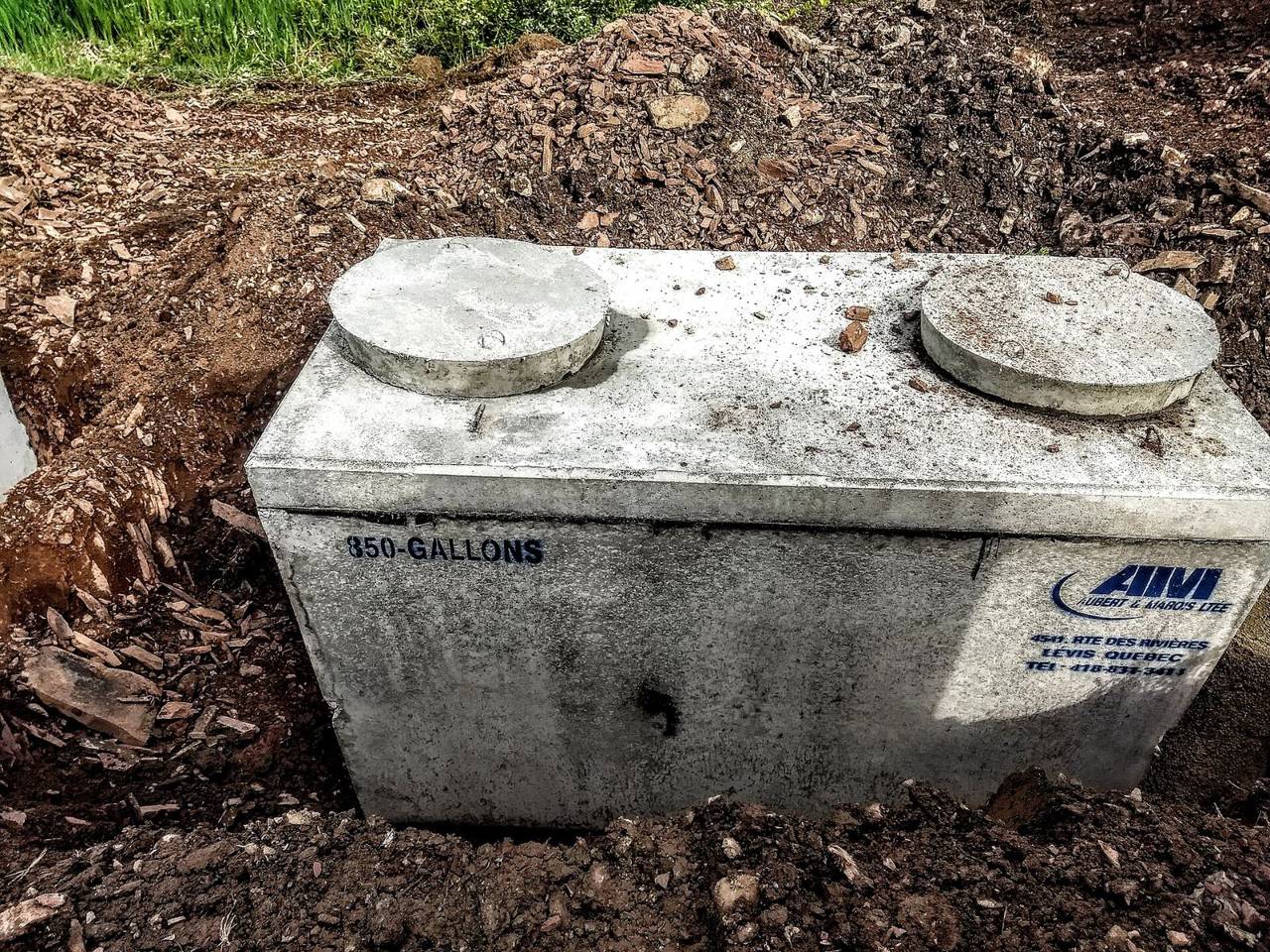
Small cracks in a concrete tank can sometimes be sealed, but a tank with structural damage, collapsed walls, or serious leaks is better replaced. A leaking tank can let groundwater in or waste out, both of which cause trouble. We inspect the tank empty to judge its condition before recommending a path. Garbage disposals add solids that tanks struggle to break down. Use sparingly.
Do septic repairs in Bee Cave require permits?
Minor repairs such as filters, lids, or baffles often do not, but larger work on tanks or disposal areas typically does. Travis County handles unincorporated areas, LCRA handles the lake zone, and the city may handle lots within its limits. Contact the right office before work begins to avoid delays or penalties. Tell us if you notice a change in smell, sound, or drain speed. Early reports often mean cheaper repairs.
Can a septic tank be repaired, or does it need to be replaced?
Many problems, such as damaged baffles, cracked lids and small leaks, can be repaired. A tank with major cracks, collapsed walls or severe corrosion may need replacement. The material, age and condition matter. We explain what we see and let you compare the cost of repair with the cost of a new tank before you decide. Ask for photos of the damage, so you can see what the technician sees.
What causes septic backups?
Common causes include a full tank, a clogged filter, a blocked or broken pipe, roots in the line and a failing drain field. Flushing wipes or grease can also cause clogs. A backup in just one fixture usually points to a local clog, while backups in many fixtures suggest a problem in the tank, the main line or the field.
Can I use chemical drain cleaners on a septic system?
It is best to avoid them. Harsh chemicals can kill the bacteria that break down waste and may damage pipes. If a drain is slow, try a plunger or call a professional. Aerobic systems are especially sensitive to bleach and strong cleaners. A technician can clear a clog without hurting the system or the soil. Mild soap and normal use of cleaning products are fine, but bulk chemicals are not.
More about septic system repair → · All septic services in Bee Cave →
Need septic system repair in Bee Cave?
Call or send a request. We will ask a few questions about your system and the property, then schedule a visit.