Dripping Springs & the Texas Hill Country
Septic System Repair
Septic problems rarely fix themselves. We find the actual cause of backups, odors and slow drains, explain your repair options and handle the work, from broken pipes to damaged baffles.
Septic system repair covers everything that can go wrong between your house and your drain field. The main parts are the sewer line leaving the home, the septic tank, the baffles or outlet tees, the effluent filter, the distribution box and the field lines. A problem in any one of them can look like a problem in all of them. A backup in the shower might come from a clogged filter, a collapsed pipe or a failing field. Septic system repair in Dripping Springs and across the Hill Country begins with finding the real cause. We would rather spend an extra hour on diagnosis than replace a part that was never the issue, because guessing costs you money and time.
The cheapest repairs are often the ones people put off. A cracked lid, a missing gasket or a clogged effluent filter takes little time to fix, but left alone these can let in rainwater, roots, children and pets. A broken baffle or outlet tee lets solids flow into the drain field, where they slowly clog the soil. Many drain field failures start with a tank problem that went unnoticed for years. If we find a small problem during pumping or inspection, we tell you before it becomes a big one. Prompt repairs protect your home, your landscaping and the groundwater under your property, and they keep your long-term costs down. A routine tank check every few years makes these small fixes easy to catch before they spread.
Pipes cause a lot of trouble. The line from the house to the tank can crack, sag or fill with roots. Cast iron and clay pipes in older homes are especially prone to failure. A belly in the line holds water and collects solids, which leads to repeated clogs. Hydro-jetting or cabling clears many blockages, and a camera can show whether the line is damaged. When a pipe is broken, the fix is to dig and replace the damaged section. Limestone and caliche make digging in the Hill Country slow, so we plan the work carefully to limit the mess in your yard and to protect trees and driveways. A camera inspection takes the guesswork out, showing exactly where the line has failed before any digging starts.
Distribution boxes and field lines are the next place we look. The distribution box splits the flow among the drain field lines. If it settles, cracks or fills with solids, some lines get too much water while others get none. That can cause wet spots and backups even though the lines themselves are fine. Leveling or replacing a box is a modest repair compared with replacing a field. If lines are clogged or the soil has failed, repair may not be enough, and the system may need a larger solution such as drain field repair or replacement, which we cover on its own service page. Ask for a written explanation of what failed, so you can compare options with confidence.
Some repairs depend on rules. A simple part replacement often does not need a permit, but larger changes can. In Texas, on-site sewage facility rules come from TCEQ under 30 TAC Chapter 285, and your local authorized agent, such as Hays County Development Services, Travis County or the City of Austin, handles permits. Before major repairs, check with the right office. Work that changes the size, type or location of a system usually needs approval. Keeping your paperwork in order protects you when you sell the home, and it protects the land and water around you. If you are unsure, call the county first and ask. A short phone call to the permitting office can save weeks of delay and avoid fines later.
You can help the repair go smoothly. Take notes on when the problem started, what changed and where you see signs. Photos of wet ground or backups are useful. Avoid using lots of water until the cause is found, and do not use chemical drain cleaners or septic additives, which can harm the system. Keep pets and kids away from any wet or smelly areas, because untreated sewage is a health hazard. If sewage is backing up into the home, treat it as an emergency, stop using water and call for help right away. Quick action limits the damage inside your home and the cost of cleanup. Knowing the right steps in advance keeps a stressful day from becoming a costly one.
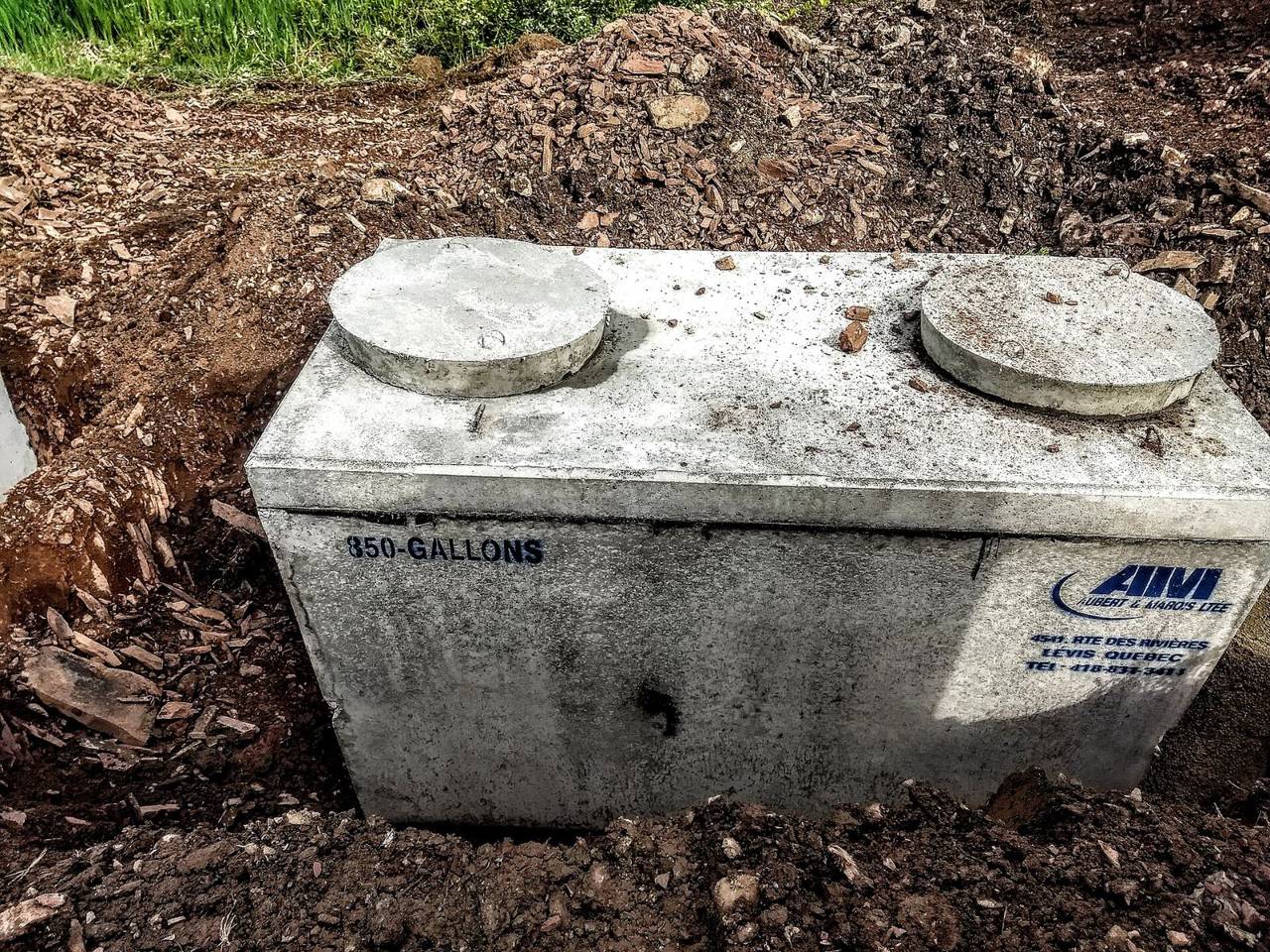
Signs you may need septic system repair
- Sewage backing up into tubs, toilets or floor drains
- Slow drains throughout the house, not just one fixture
- Gurgling sounds in plumbing after flushing
- Sewage odor in the yard or near the tank
- Wet or spongy ground above the tank or field
- Cracked, broken or missing tank lids
- Bright green grass over the field during dry weather
Septic System Repair on Hill Country properties
Limestone, caliche and thin rocky soils across the western Hill Country make trenching slow and sometimes call for special equipment. Repair plans should account for what is under your yard and for how close your lines run to trees, slabs and slopes before any digging begins.
Live oaks, cedar and mesquite are common on Hill Country lots, and their roots search for water. Roots can enter cracked pipes, tank joints and distribution boxes. Keeping large trees away from lines and fixing leaks early helps prevent repeat clogs and repeat repair bills.
Steep slopes can send drain field water downhill, and heavy storms can erode soil over buried lines and tanks. After flooding on creeks like Onion Creek or Barton Creek, check lids, vents and the field for settling or damage before using the system heavily again.
Many properties lie over or near the Edwards Aquifer recharge and contributing zones, where county rules take groundwater protection seriously. A leaking tank or a failing field can send untreated wastewater into fractured limestone and toward wells. Prompt repair protects your family and your neighbors.
Permitting varies. Hays County Development Services serves most of Hays County, while Travis County and the City of Austin cover their own areas, and Blanco and Burnet Counties have their own arrangements. A repair near Johnson City or Spicewood may involve a different office than one in Dripping Springs, so confirm before you start.
Our septic system repair process
- 01
Talk through what you are seeing
We listen to when the trouble began and where you notice it. Backups, odors, slow drains and wet ground each point to different causes. We also ask about pumping history, recent weather and any changes in household use, such as guests or new appliances. Short notes from you help a lot.
- 02
Inspect the tank and connected parts
We open the tank and check the liquid level, baffles, filter and pipes. If the tank is full, we may pump it to see the inside. Finding a clog or a broken baffle at this stage can solve the problem quickly and keep the cost of the repair low. Pumping first can reveal the cause.
- 03
Trace the lines and distribution box
We check the line from the house, the outlet and the distribution box. We may use cabling, a camera or water tests to find blocked or broken sections. We also look at how water flows to each field line, since uneven flow is a common clue. We mark what we find on a sketch.
- 04
Evaluate the field or disposal area
We walk the drain field or disposal area and look for wet ground, odors, lush grass and other signs of failure. We compare what we find with your records. If the field is the problem, we explain the next steps and the options that fit your property. Weather and slope are considered.
- 05
Review options and costs with you
We explain what is wrong, what the repair involves and what it is likely to cost. Where there are choices, we lay them out side by side. We note any permit steps the county requires. You decide how to move forward, and nothing starts without your approval. Take your time with the decision.
- 06
Complete the repair and test
We make the repair, restore the site as well as we can and test that water moves through the system correctly. We tell you what to watch for in the coming weeks and give you notes for your records, so the next technician knows what was done. Keep these notes handy.
What affects the cost of septic system repair
Scope of the problem
A replaced lid or filter is a small job. A broken pipe, collapsed baffle or failed distribution box costs more. Major repairs can reach several thousand dollars. Costs vary by property, so a firm number is only possible after the cause has been found and the work is defined. Early repairs cost far less.
Digging and site conditions
Rock, caliche, tree roots and tight spaces make digging harder. Long pipe runs and steep slopes add time. Work near driveways, trees or landscaping may need extra care. These conditions can raise labor costs, so tell us about anything buried that we should know about. Mark any buried utilities you know of.
Parts and materials
Tanks, risers, pipe and tees vary in price. Concrete, plastic and fiberglass tanks have different costs and lifespans. Using the right size and type of part matters for permits and for long-term reliability, so we match parts to your system and your county's rules. Ask what warranty the part carries.
Permits and inspections
Minor repairs may not need a permit, but larger work often does. Permit fees and county inspections add cost and time. Ask your authorized agent what applies before work begins, and keep copies of any approvals with your septic records for future owners. Approvals can add days, so plan ahead.
Cause and condition of the system
A repair that fixes the cause lasts longer than one that only treats a symptom. If the tank or field is near the end of its life, a repair may be a short-term fix. We help you weigh repair against replacement, so you spend money where it pays off. Be honest about your timeline.
Septic System Repair FAQs
What causes septic backups?
Common causes include a full tank, a clogged filter, a blocked or broken pipe, roots in the line and a failing drain field. Flushing wipes or grease can also cause clogs. A backup in just one fixture usually points to a local clog, while backups in many fixtures suggest a problem in the tank, the main line or the field.
Can I use chemical drain cleaners on a septic system?
It is best to avoid them. Harsh chemicals can kill the bacteria that break down waste and may damage pipes. If a drain is slow, try a plunger or call a professional. Aerobic systems are especially sensitive to bleach and strong cleaners. A technician can clear a clog without hurting the system or the soil. Mild soap and normal use of cleaning products are fine, but bulk chemicals are not.
How do I know if my drain field is failing?
Signs include soggy ground, sewage odors, lush green grass over the lines and backups in the house. A failing field cannot absorb water the way it should. A technician can check the tank, the box and the lines to confirm whether the field is the cause or whether a simpler repair will fix the problem. Early detection can save a field that would otherwise need full replacement.
Do tree roots damage septic systems?
Yes. Roots seek water and can enter small cracks in pipes, tank joints and the distribution box. Once inside, they grow and block flow. Cabling or hydro-jetting can clear roots, but the pipe may need repair. Planting trees well away from lines and tanks helps prevent the problem from coming back. A camera inspection can show whether roots have entered a line.
Do I need a permit for septic repairs?
Small repairs like replacing a lid, filter or baffle often do not. Larger work, such as replacing a tank or changing the field, usually does. Permits come from your local authorized agent, such as Hays County or Travis County. Call the permitting office before work starts so you know what applies to your address. Penalties for unpermitted work can be costly, so ask first.
Is a sewage backup an emergency?
Yes. Stop using water, keep people and pets away from affected areas and call for help. Sewage carries bacteria and can damage floors and walls. Do not try to clean large spills without protection. After the source is fixed, cleanup and disinfection of the affected area may also be needed to make the space safe. Wear gloves and wash hands well if contact happens.
How long does a septic repair take?
Small repairs can be done in an hour or two. Pipe replacement, box repair or work involving rock and permits can take a day or more. Weather, access and parts also play a part. You should get a realistic timeline after diagnosis, and a good contractor tells you early if anything changes along the way. Wet ground or cold weather can add time, so ask for a flexible window.
Can a septic tank be repaired, or does it need to be replaced?
Many problems, such as damaged baffles, cracked lids and small leaks, can be repaired. A tank with major cracks, collapsed walls or severe corrosion may need replacement. The material, age and condition matter. We explain what we see and let you compare the cost of repair with the cost of a new tank before you decide. Ask for photos of the damage, so you can see what the technician sees.
Septic System Repair near you
- Septic System Repair in Dripping Springs
- Septic System Repair in Driftwood
- Septic System Repair in Wimberley
- Septic System Repair in Henly
- Septic System Repair in Buda
- Septic System Repair in Kyle
- Septic System Repair in San Marcos
- Septic System Repair in Bee Cave
- Septic System Repair in Lakeway
- Septic System Repair in Southwest Austin
- Septic System Repair in Spicewood
- Septic System Repair in Johnson City
Need septic service in the Hill Country?
Call or send a request. We will ask a few questions about your system and the property, then schedule a visit.