Southwest Austin · Travis County
Septic Tank Pumping in Southwest Austin, TX
Septic pumping in Southwest Austin is for homes that sit outside city sewer, often older lots with tanks that have not seen service in years. Most conventional tanks need pumping every three to five years, depending on size and household. We pump out the solids, check the baffles and filter, and note the tank's condition. Because many tanks are buried, locating the lids can be part of the job.
Septic Tank Pumping for Southwest Austin homes
Most of Southwest Austin sits on city sewer, so septic pumping here is a job for the edges: older acreage lots off US-290 west of Oak Hill, hillside homes in the Barton Creek watershed, and parcels that never got a sewer line. If your property is one of them, the tank in your yard is the only thing standing between household wastewater and a sensitive creek system, and regular pumping is the cheapest protection you can buy. Pumping cost commonly lands in the low-to-mid hundreds of dollars, shifting with tank size, how far the truck must reach and how full the tank has become. Those are general market figures, not a quote, and a tank that has gone a decade without service can take longer to empty because the sludge has hardened at the bottom.
A conventional tank separates your wastewater into three layers. Heavy solids settle, grease and light material float, and clearer liquid in the middle flows on to the drain field. Pumping removes the sludge and scum before they build up enough to slip past the outlet baffle and clog the soil. Many households pump every three to five years, but a big family, a garbage disposal or a small tank shortens that window. After the tank is empty, we look at what the walls and baffles tell us. Stains well above the outlet suggest the tank has been running full, which hints at a field that is slow to drain. Cracks, missing baffle tees or roots entering the walls are easier to deal with while the tank is open and dry, and you can see them yourself if you want to.
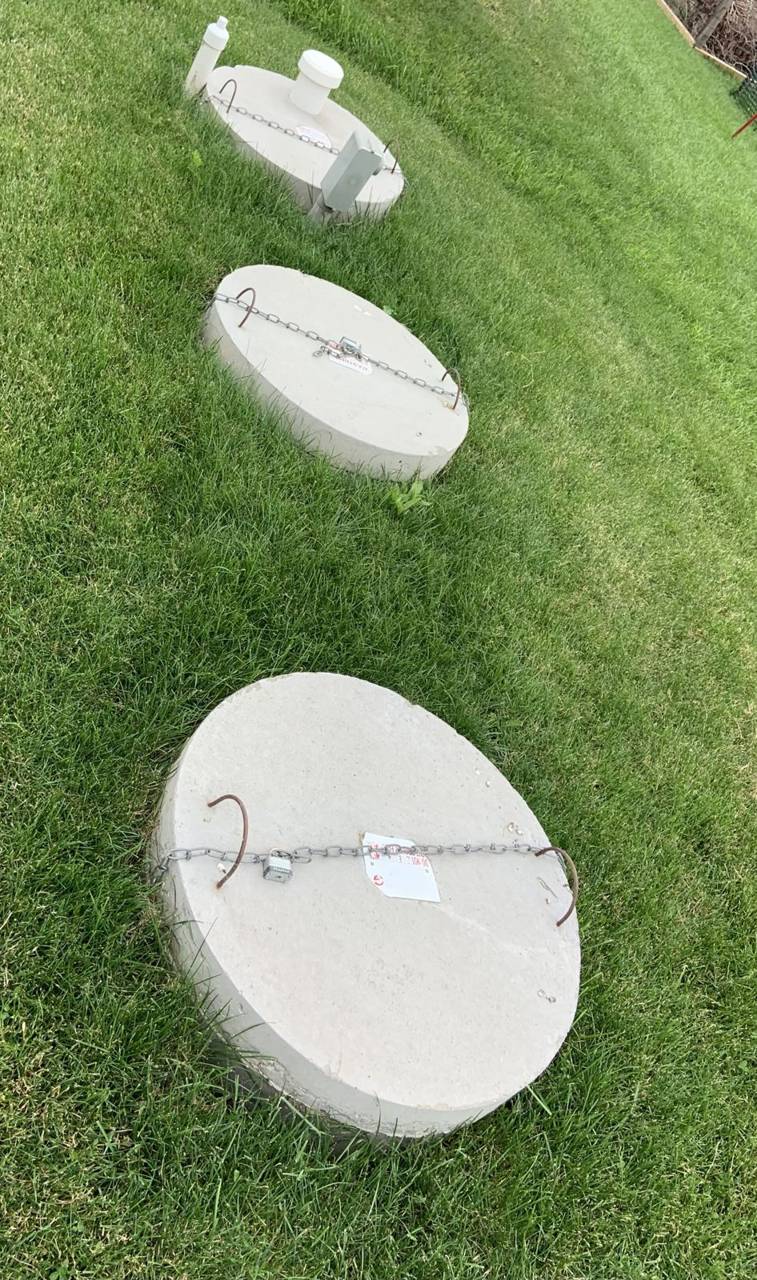
Access is the part people in Southwest Austin underestimate. Our trucks often work on steep driveways, behind gates, and across lawns where landscaping has crept over the lids. Before we arrive, you can help by locating the tank, clearing a path for the hose, and making sure pets are inside. If you cannot find the lid, a probe or a look at your original permit drawing usually solves it. Keep a simple log: the date, the tank size, what was found and when the next pumping is due. A one-page record helps when you sell, and it helps the next technician. If your Southwest Austin home has a disposal, a water softener that backwashes into the tank or frequent houseguests, shorten the interval and ask us about your sludge depth.
What to know in Southwest Austin
Barton Creek watershed sensitivity
Much of Southwest Austin drains toward Barton Creek and the Edwards Aquifer recharge and contributing zones. An overfull tank that pushes solids into the field can send poorly treated water into thin soil and fractured limestone. Staying on a pumping schedule keeps that risk low and gives you a record to show a buyer or inspector. If your property is close to a creek channel or a steep draw, pumping before the wet season is wise.
Hills, gates and hose reach
Tanks on sloped Southwest Austin lots can sit well downhill from the nearest spot a truck can park. Long hose runs take more time, and a locked gate or HOA entry code can stall a visit. Tell us about slopes, gates and tight turns when you book so the right equipment arrives. Ask us to confirm the access path and the lid weight before the visit.
What the pumper should inspect
Pumping is also the best moment to look inside. We check the baffles, the effluent filter if you have one, and how fast liquid returns after the tank empties. A fast refill can point to groundwater entering the tank or a field that is already backing up, which is worth catching early. Photograph the open tank if we allow it, and keep the pictures with your records.
Signs you may need septic tank pumping
- Wet, soggy or unusually green spots over the drain field
- Sewage backing up into tubs, sinks or floor drains
- More than three to five years since the last pumping
- A high-water alarm on an aerobic system or pump tank
How septic tank pumping works
Aerobic systems need pumping too, though the schedule and the process differ from a basic tank. An aerobic treatment unit has several chambers, including a trash tank, an aeration chamber and a clarifier, and each one collects solids at a different rate. The trash tank usually fills first. Because aerobic units depend on oxygen and healthy bacteria, a careless pumping can upset the biology. We pump the right chambers, leave the system in working order and make sure the air pump is running before we go. If your aerobic system is under a maintenance contract, the licensed maintenance provider usually tells you when the tank needs to be pumped, and we are glad to coordinate with that provider so the paperwork stays in order.
Many homeowners wait until something goes wrong, and by then pumping alone may not fix the problem. Slow drains, gurgling pipes, wet spots over the drain field and sewage smells are late signs. A tank that has gone too long without service often has a thick, packed sludge layer, and solids may already have reached the effluent filter or the field lines. Scheduled pumping costs a fraction of drain field repair. Think of it like an oil change for your system. It is routine, it is predictable, and it keeps small problems from growing into major ones. Homes that are being bought, sold or refinanced also benefit from a pumping, since it lets everyone see the actual condition of the tank.
What to expect on a Southwest Austin visit
- 01
Locate and uncover the tank
We confirm where the tank is using your records, a probe rod or a quick walk of the yard. If the lids are buried, we dig them out carefully and avoid your landscaping where we can. We also check the area for sprinkler lines, drain field lines and other hazards before the truck sets up.
- 02
Open the lids and check liquid levels
Once the lids are safely open, we compare the liquid level with the outlet pipe. A level that is too high can mean a clogged outlet or a saturated drain field. A level that is too low can mean a leak. We also note the condition of the lids, seals and any risers.
- 03
Pump out scum, liquid and sludge
We remove the floating scum, the liquid and the settled sludge from each compartment. We break up compacted solids so the tank empties fully. For aerobic systems we handle each chamber according to its design, and we keep the health of the bacteria in mind throughout the job. Anything unusual in the waste, like grease clumps or flushed wipes, gets pointed out to you.
- 04
Inspect the empty tank
With the tank empty, we check the walls, baffles or tees, and the inlet and outlet pipes for cracks, corrosion, roots and wear. We clean the effluent filter if your tank has one. We explain what we see in plain terms so you know what is normal and what is not.
- 05
Close up and restore the site
We reseat the lids, replace gaskets or hardware where we can, and put soil and sod back where we dug. We leave the area tidy. If a lid is cracked or unsafe, we tell you right away and talk through the options for a safe replacement or a riser. Disturbed ground is raked smooth, and we mention any low spots that may need fill after settling.
- 06
Review findings and set the next date
We walk you through the sludge level, the tank condition and anything that needs attention. We suggest a pumping interval based on your tank size and household use, and we explain any recommended repairs in plain language. You decide what to do next, and you keep the notes. Keep this summary with your septic records so the next visit starts from a known baseline.
Our approach in Southwest Austin
- We locate and open your tank, aerobic unit and dispersal area, including buried lids common on older Southwest Austin properties
- We explain what we find in plain language, with photos where they help
- Repairs and installs are planned around Travis County permitting requirements
- You get written options before any repair work begins
- Aerobic visits are recorded for your maintenance contract
Septic conditions around Southwest Austin
How do you confirm your wastewater status? Austin Water maintains an interactive map of OSSF jurisdiction that also shows whether a parcel sits on the Edwards Aquifer Recharge Zone or in the Barton Springs segment. Check it along with your utility bill. A wastewater line item means you are likely on city sewer. Water-only bills, or a private well, usually point to septic. Older permits are often available from the city. The distinction matters when you buy a home. An older Southwest Austin lot with mature trees may have a tank placed decades ago, with records that are incomplete. An inspection helps you learn the tank location, the system type and the field condition, and it identifies whether the home would be a candidate to connect to the city sewer if a line becomes available nearby.
Septic Tank Pumping questions from Southwest Austin homeowners
How often should a Southwest Austin home pump its septic tank?
A common rule is every three to five years, but the real answer depends on tank size and how many people live in the house. A four-person home on a 1,000-gallon tank reaches the sludge limit sooner than a couple with a larger tank. A garbage disposal also speeds things up. Ask us to measure sludge depth at your next service and set the interval from that number.
Do I need to be home when the tank is pumped?
Not always. If the lids are exposed, the gate is open and the path is clear, we can often work while you are away. If lids are buried, or you want to talk through what we find, being home helps. Either way, keep dogs inside, move cars off the driveway and tell us about steep slopes or tight turns beforehand.
Can I pump only the liquid and leave the solids?
No. Removing only the liquid leaves behind the sludge and scum that cause the trouble. A proper pumping empties the whole tank, then we check the baffles and outlet before it goes back into service. Anything less just resets the clock on a tank that is still carrying a heavy load of solids toward your field. Ask us to explain what we see in the tank.
What happens if I never pump my septic tank?
Sludge and scum keep building until solids leave the tank and clog the outlet, the pipes and the soil in the drain field. A clogged field can fail, which leads to backups, wet ground and strong odors. Replacing a drain field is one of the biggest septic expenses, so routine pumping is far cheaper than waiting for a failure to happen.
Can I pump my own septic tank?
Not in practice. Tanks contain toxic gases and wastewater that must be hauled and disposed of properly, and opening a tank can be dangerous. Pumping also requires a proper hauling truck and equipment. You can help by finding and marking the lids, keeping records and watching for the warning signs listed on this page, then calling a pro. If you are curious about your tank, ask the technician to show you the sludge layer during service.
Do aerobic septic systems need pumping too?
Yes, though the schedule differs from a basic tank. The trash tank and other chambers collect solids over time. If your system is under a maintenance contract, the licensed maintenance provider can tell you when pumping is due. Pumping an aerobic unit takes care, since the bacteria that treat the water need to recover quickly afterward. Ask your provider to note the pumping date in your service report so your records stay complete.
More about septic tank pumping → · All septic services in Southwest Austin →
Need septic tank pumping in Southwest Austin?
Call or send a request. We will ask a few questions about your system and the property, then schedule a visit.