Kyle · Hays County
Septic Tank Pumping in Kyle, TX
Pumping around Kyle matters most for rural homes outside city sewer. Clay fields are sensitive to solids, so staying on a regular schedule protects them. A typical household may need service every three to five years, while a larger family with a disposal may need it sooner. We check baffles, outlet filters and sludge depth while the tank is open. Pumping commonly costs a few hundred dollars, depending on tank size and how deep the lid is.
Septic Tank Pumping for Kyle homes
Kyle is one of the fastest-growing cities in Hays County, and nearly all of its new neighborhoods connect to city sewer. Septic pumping in Kyle is therefore a job for the outskirts: acreage west along FM 150 toward Driftwood, old farm parcels off the county roads east of I-35, and homes near Plum Creek that sit outside the line of city service. If your utility bill includes wastewater from the City of Kyle, you have no tank to pump. Kyle's outskirts mix old and new in a way that surprises buyers. A 1970s farmhouse may sit beside a recent custom home, each with its own tank of a different type and age. Do not assume the neighbor's pumping schedule fits your property. Tank size, bedroom count and household habits drive the interval, and the only dependable check is looking inside yours.
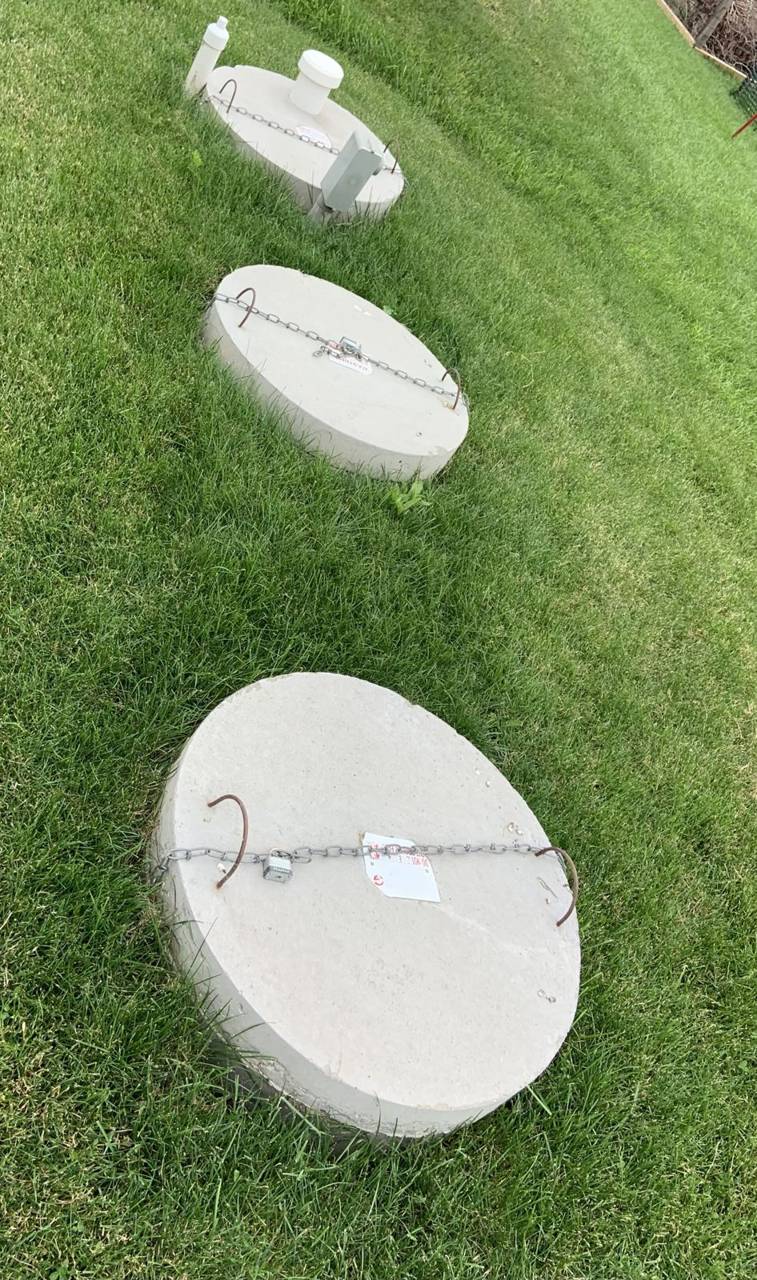
For the properties that do have one, the tank is usually older than the house around it. Rural Kyle parcels were often split from larger farms, and the first owner may have installed a concrete tank by the barn with little paperwork. We start by finding it, then open the lids and measure scum and sludge. A tank full of settled solids that has gone a decade without service looks and smells very different from one pumped every few years, and we show you which you have. We record what we find on every visit: tank volume, number of compartments, scum and sludge depth, and the condition of the baffles and outlet. A filter on the outlet, if you have one, gets cleaned during the same trip. Those details turn pumping from a chore into a maintenance log that tells you, years later, how fast your tank fills and whether anything about its behavior has changed.
Pumping every three to five years is the standard advice for a family home, and Kyle's mix of heavy clay and seasonal storms is a reason to stay on the shorter end. Saturated clay slows the field, so a tank full of solids sends more trouble downstream. If your property is outside city limits and you cannot remember the last pump-out, schedule one before the next wet season arrives. Water habits matter more than most owners expect. A leaking toilet can send thousands of gallons through a tank in a month, and a water softener sending brine to the system can stress it. If your tank fills faster than your neighbor's, we help look for the reason. Fixing a running toilet is cheaper than pumping a tank over and over.
What to know in Kyle
Blackland clay around the tank
East of I-35 and along Plum Creek, soils are dark, sticky clay that swells when wet. A truck can sink into it after a storm, and the ground around a tank stays soggy longer. We may recommend a dry-weather visit so the property is not torn up. Check the ground a few days after rain. If the lid area stays swampy while the rest of the yard dries, groundwater may be entering the tank.
Plum Creek and flood-prone ground
Low spots near Plum Creek can flood in heavy rain, and floodwater covering a tank lid can push water into the tank. After a flood, have the system checked before resuming normal use, and keep children and pets away from the area. Photograph the flooded area and the date. Insurers, the county and your own records may need it later, and it helps us judge the damage.
Annexation and city service
As Kyle expands, properties on the edge can be annexed or offered service. Ask the City of Kyle whether your address is inside city limits or planned for sewer. If you are unincorporated, Hays County handles septic permits. If you are surprised by a wastewater charge or lack of one, the city's customer service line can settle the question quickly.
Signs you may need septic tank pumping
- A high-water alarm on an aerobic system or pump tank
- No record of when the tank was last pumped
- Slow drains or toilets that gurgle throughout the house
- Sewage smells near the tank, the drain field or inside the home
How septic tank pumping works
There are a few things you can do before and after a visit. Clear a path to the tank lids and mark them if you know where they are. Keep dogs inside, and let us know about any underground sprinkler lines or utilities nearby. Do not run large loads of laundry the morning of service. After pumping, the tank slowly refills with wastewater, which is normal. Keep a record of the date, the tank size and any notes about the condition of the baffles and filter. That record helps the next technician and is useful when you sell the home. Ask us about adding risers if your lids are deep, since easy access makes every future pumping faster, cleaner and less disruptive to your yard.
Septic tank pumping is the removal of the solids and liquid that collect inside your tank. Every time you flush a toilet or run a drain, wastewater flows into the tank. Heavy solids sink and form a layer of sludge. Grease, soap scum and other light material float to the top as scum. The liquid in the middle, called effluent, flows out to the drain field or to the next treatment stage. Bacteria in the tank break down some of the waste, but not all of it. Over time the sludge and scum layers get thicker and leave less room for the liquid to rest. When that happens, solids can slip out of the tank and clog the pipes and soil downstream. Regular septic tank pumping in Dripping Springs keeps those layers in check and protects the part of the system that costs the most to fix, the drain field.
What to expect on a Kyle visit
- 01
Locate and uncover the tank
We confirm where the tank is using your records, a probe rod or a quick walk of the yard. If the lids are buried, we dig them out carefully and avoid your landscaping where we can. We also check the area for sprinkler lines, drain field lines and other hazards before the truck sets up.
- 02
Open the lids and check liquid levels
Once the lids are safely open, we compare the liquid level with the outlet pipe. A level that is too high can mean a clogged outlet or a saturated drain field. A level that is too low can mean a leak. We also note the condition of the lids, seals and any risers.
- 03
Pump out scum, liquid and sludge
We remove the floating scum, the liquid and the settled sludge from each compartment. We break up compacted solids so the tank empties fully. For aerobic systems we handle each chamber according to its design, and we keep the health of the bacteria in mind throughout the job. Anything unusual in the waste, like grease clumps or flushed wipes, gets pointed out to you.
- 04
Inspect the empty tank
With the tank empty, we check the walls, baffles or tees, and the inlet and outlet pipes for cracks, corrosion, roots and wear. We clean the effluent filter if your tank has one. We explain what we see in plain terms so you know what is normal and what is not.
- 05
Close up and restore the site
We reseat the lids, replace gaskets or hardware where we can, and put soil and sod back where we dug. We leave the area tidy. If a lid is cracked or unsafe, we tell you right away and talk through the options for a safe replacement or a riser. Disturbed ground is raked smooth, and we mention any low spots that may need fill after settling.
- 06
Review findings and set the next date
We walk you through the sludge level, the tank condition and anything that needs attention. We suggest a pumping interval based on your tank size and household use, and we explain any recommended repairs in plain language. You decide what to do next, and you keep the notes. Keep this summary with your septic records so the next visit starts from a known baseline.
Our approach in Kyle
- We locate and open your tank, aerobic unit and dispersal area, including buried lids common on older Kyle properties
- We explain what we find in plain language, with photos where they help
- Repairs and installs are planned around Hays County permitting requirements
- You get written options before any repair work begins
- Aerobic visits are recorded for your maintenance contract
Septic conditions around Kyle
Knowing which category your address falls into is the most useful thing a Kyle homeowner can do. Check your utility bill for a sewer charge. If you have one, you are connected. If you do not, you most likely have a tank somewhere in the yard. Properties along FM 150 outside the city, on county roads and in unincorporated pockets near Kyle generally rely on septic or aerobic treatment. Be careful with annexation, too. A property that was rural a few years ago may now be inside city limits, though that does not automatically mean sewer service has reached it. If a line becomes available, the city may require or encourage connection, so ask. Until then, an existing septic system still needs regular pumping and care, and neglect on a small lot can affect neighbors quickly.
Septic Tank Pumping questions from Kyle homeowners
Is my Kyle home on septic or city sewer?
Look at your utility bill. A wastewater line item from the City of Kyle means sewer. If there is none, and your property sits outside a newer subdivision, you probably have a tank. Hays County Development Services may have a permit on file for your address that confirms it. If your address is on the line between city and county, check both. The City of Kyle will know whether sewer is available, and Hays County will know whether a septic permit exists.
How much does septic pumping cost near Kyle?
Pumping commonly runs a few hundred dollars, depending on tank size, access and how far the truck must reach. Costs vary by company and by situation, and this is a general market range, not a quote. A buried lid or a long hose run can add time. Extra charges can come from a distant lid, buried tank or a second compartment. Ask for a clear scope before the visit.
Can wet weather delay a pump-out?
It can. Saturated clay may not support a heavy truck without damaging the yard. If the ground is soft, we may suggest waiting a few days. If the tank is overflowing or sewage is backing up, that is an emergency and we will find a way to help. Pumping does not repair a tank. If we see cracks, bad baffles or leaks, we tell you so you can plan next steps.
Should I pump before buying or selling a home?
It is a smart step. Pumping lets the technician see the inside of the tank and check the baffles, the filter and the liquid levels. Buyers get a clearer picture of the condition, and sellers can fix small issues early. Some lenders or buyers ask for it as part of an inspection, so check your contract and talk with your agent.
Do additives or treatments replace pumping?
No. Septic additives claim to break down solids, but they do not remove the sludge that settles in your tank, and some products can harm the system. Pumping is the only way to take out the solids that build up over the years. A healthy tank already has the bacteria it needs, so everyday habits matter far more than products.
How can I make my septic tank last longer between pumpings?
Spread laundry across the week, fix leaking fixtures and avoid putting grease, wipes, paper towels and feminine products down the drain. Limit garbage disposal use and keep harsh chemicals and bleach to a minimum. Keep cars and heavy equipment off the tank and drain field. These habits reduce solids and protect the bacteria that do the work. Small habits add up, and a tank that gets fewer solids and less water can go longer between visits.
More about septic tank pumping → · All septic services in Kyle →
Need septic tank pumping in Kyle?
Call or send a request. We will ask a few questions about your system and the property, then schedule a visit.