Johnson City · Blanco County
Septic Tank Pumping in Johnson City, TX
Septic pumping around Johnson City mostly serves rural homes, ranches and country properties outside the town sewer. A common schedule for a conventional tank is every three to five years, though size and household use change that. We pump the tank, check baffles and filters and describe what we find. Long gravel drives and gates are normal here, so let us know about access.
Septic Tank Pumping for Johnson City homes
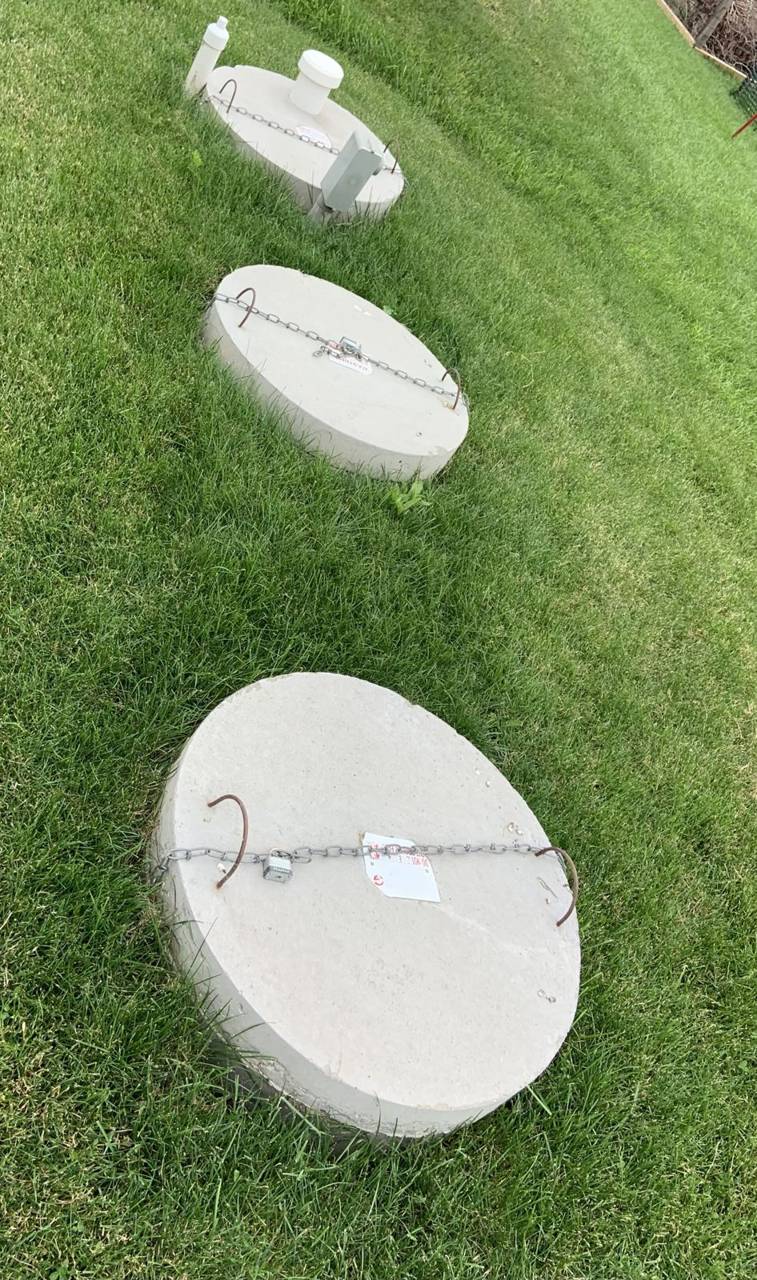
Johnson City has its own sewer service inside town limits, so septic pumping here is mostly a question for the ranches, farm lots and rural homes strung along US-290, US-281 and the county roads that fan out toward the Pedernales River. If your house sits outside the city's sewer lines, the tank buried in your yard handles every drop of wastewater. A pumping schedule is how you keep that quiet job running without a surprise. Owners who just bought a place outside Johnson City often have no idea when the tank was last emptied. If the seller cannot say, assume it has been a while and schedule a pumping within the first few months. That visit also gives you a first look at the tank, lids and baffles, and lets you start a service log from a known date.
In a conventional tank, heavy solids settle into sludge, grease and light material float as scum, and the clearer layer between them moves out to the drain field. Pumping empties the sludge and scum before they build enough to slip past the outlet. Most households land between three and five years. Larger families, garbage disposals, a water softener or a hunting-season crowd can push that sooner, and a retired couple in a big tank may stretch it longer. Pumping also gives a view of the tank's condition that is hard to get any other way. With the tank empty, we can see cracks, root intrusion, missing baffles and stains that show how high the liquid has been running. Older concrete tanks in this area can deteriorate, and steel tanks from decades ago can rust through, so a pumping day doubles as a quick health check.
Rural access shapes how the job goes. Many Blanco County properties have long gravel drives, cattle guards and locked ranch gates, and the tank may sit hundreds of feet from the road. Tell us about gate codes, low-water crossings and where the lids are. Pumping costs commonly run a few hundred dollars, shifting with tank size and distance, and that is a general market range rather than a quote. We recommend keeping a simple routine. Pump on a regular interval, keep grease, wipes and paper towels out of drains, spread out laundry loads and keep heavy vehicles off the tank and field. The cost of regular pumping is small next to replacing a field, and the habits are easy to teach to everyone in the household, including renters and guests.
What to know in Johnson City
Ranch gates and long hose runs
Large Johnson City acreage often means a tank far from where a truck can park. Long hose runs take more time and may need extra equipment. Leave gates unlocked or share the code, and mark the lids with flags so the crew is not searching pasture. Keep livestock penned away from the work area. Leave a clear path from the gate to the lid, and let us know about soft ground after rain.
Drought and wet spells
Hill Country weather swings from long dry stretches to sudden downpours. After a wet spell, shallow soil over limestone can hold water and slow a field. A tank pumped on schedule has spare room to hold flow while the ground drains, which protects the field when conditions are poor. Plan the pumping around known use. If a hunting lease, a family reunion or a stretch of rentals is coming, schedule the service before the crowd arrives, not after problems appear.
Rental and hunting-season use
Cabins, guest houses and weekend rentals around Johnson City can go from empty to full in one afternoon. A burst of guests loads the tank with solids and water faster than normal. Pump before the busy season, not after, and keep a log of when you host large groups. Write the date on a card kept near the breaker box and share it with anyone who manages the property. Using one shared record avoids duplicate visits and missed intervals.
Signs you may need septic tank pumping
- More than three to five years since the last pumping
- A high-water alarm on an aerobic system or pump tank
- No record of when the tank was last pumped
- Slow drains or toilets that gurgle throughout the house
How septic tank pumping works
There are a few things you can do before and after a visit. Clear a path to the tank lids and mark them if you know where they are. Keep dogs inside, and let us know about any underground sprinkler lines or utilities nearby. Do not run large loads of laundry the morning of service. After pumping, the tank slowly refills with wastewater, which is normal. Keep a record of the date, the tank size and any notes about the condition of the baffles and filter. That record helps the next technician and is useful when you sell the home. Ask us about adding risers if your lids are deep, since easy access makes every future pumping faster, cleaner and less disruptive to your yard.
Septic tank pumping is the removal of the solids and liquid that collect inside your tank. Every time you flush a toilet or run a drain, wastewater flows into the tank. Heavy solids sink and form a layer of sludge. Grease, soap scum and other light material float to the top as scum. The liquid in the middle, called effluent, flows out to the drain field or to the next treatment stage. Bacteria in the tank break down some of the waste, but not all of it. Over time the sludge and scum layers get thicker and leave less room for the liquid to rest. When that happens, solids can slip out of the tank and clog the pipes and soil downstream. Regular septic tank pumping in Dripping Springs keeps those layers in check and protects the part of the system that costs the most to fix, the drain field.
What to expect on a Johnson City visit
- 01
Locate and uncover the tank
We confirm where the tank is using your records, a probe rod or a quick walk of the yard. If the lids are buried, we dig them out carefully and avoid your landscaping where we can. We also check the area for sprinkler lines, drain field lines and other hazards before the truck sets up.
- 02
Open the lids and check liquid levels
Once the lids are safely open, we compare the liquid level with the outlet pipe. A level that is too high can mean a clogged outlet or a saturated drain field. A level that is too low can mean a leak. We also note the condition of the lids, seals and any risers.
- 03
Pump out scum, liquid and sludge
We remove the floating scum, the liquid and the settled sludge from each compartment. We break up compacted solids so the tank empties fully. For aerobic systems we handle each chamber according to its design, and we keep the health of the bacteria in mind throughout the job. Anything unusual in the waste, like grease clumps or flushed wipes, gets pointed out to you.
- 04
Inspect the empty tank
With the tank empty, we check the walls, baffles or tees, and the inlet and outlet pipes for cracks, corrosion, roots and wear. We clean the effluent filter if your tank has one. We explain what we see in plain terms so you know what is normal and what is not.
- 05
Close up and restore the site
We reseat the lids, replace gaskets or hardware where we can, and put soil and sod back where we dug. We leave the area tidy. If a lid is cracked or unsafe, we tell you right away and talk through the options for a safe replacement or a riser. Disturbed ground is raked smooth, and we mention any low spots that may need fill after settling.
- 06
Review findings and set the next date
We walk you through the sludge level, the tank condition and anything that needs attention. We suggest a pumping interval based on your tank size and household use, and we explain any recommended repairs in plain language. You decide what to do next, and you keep the notes. Keep this summary with your septic records so the next visit starts from a known baseline.
Our approach in Johnson City
- We locate and open your tank, aerobic unit and dispersal area, including buried lids common on older Johnson City properties
- We explain what we find in plain language, with photos where they help
- Repairs and installs are planned around Blanco County permitting requirements
- You get written options before any repair work begins
- Aerobic visits are recorded for your maintenance contract
Septic conditions around Johnson City
Weather around Johnson City can be harsh on septic systems. Long dry spells shrink clay soils and can crack lines, loosen lids and expose pipes. Then a fast storm hits, and the Pedernales River and the smaller creeks around town rise quickly, flooding low-lying yards and saturating drain fields. Thin soil on slopes sheds water rapidly, but fields at the base of a slope may stay soggy long afterward. Spread out laundry and dishwasher loads during wet periods, and avoid pumping a tank when the ground is saturated. Watch for slow drains, odors, wet areas and alarms. Out here, help can be a long drive away, so a basic understanding of your system and a routine maintenance schedule are your best protection against surprise failures during a holiday weekend. Knowing where your tank and lids are, and writing it down, saves time in a real emergency.
Septic Tank Pumping questions from Johnson City homeowners
Is my Johnson City home on septic or city sewer?
Homes inside the city's sewer service area connect to the city, while many properties outside town use septic. Check your utility bill, look for a tank lid or cleanout in the yard, or ask the city utility office. If you do have a tank, plan on pumping it every three to five years. Counting on the city for the answer is not enough, since service areas have edges. If your bill shows a sewer charge, you are connected. If not, you probably have a tank.
How do I find a septic tank on a big rural lot?
Start with the permit and as-built drawing from Blanco County, which may show distances from the house. Then follow the main sewer line out from the house, which usually leaves on the side where the plumbing is. A probe or electronic locator finds the rest. Flag the lid once it is found. The permit file at Blanco County often shows a sketch with distances. If none exists, tapping the ground with a steel probe along the sewer line path usually finds the tank within a few tries.
Does pumping fix a septic system that backs up?
Sometimes, if the cause is a full tank. Pumping buys time, but if backups return within days, the cause is likely a blocked outlet, a failing field or a broken line. We check those while the tank is empty, so you learn whether pumping solved the problem or only paused it. Ask us to look at the tank, outlet and field while it is empty. We will tell you what the pumping fixed and what it did not, and whether you need a repair or a different schedule.
Do aerobic septic systems need pumping too?
Yes, though the schedule differs from a basic tank. The trash tank and other chambers collect solids over time. If your system is under a maintenance contract, the licensed maintenance provider can tell you when pumping is due. Pumping an aerobic unit takes care, since the bacteria that treat the water need to recover quickly afterward. Ask your provider to note the pumping date in your service report so your records stay complete.
How do I know where my septic tank is?
Start with your permit paperwork or the as-built drawing, which many counties keep on file. You can also look for lids or risers in the yard, or follow the main sewer line out from the house. If none of that works, a technician can use a probe rod or a locator to find it. Marking the lids saves time on every future visit.
Should I pump before buying or selling a home?
It is a smart step. Pumping lets the technician see the inside of the tank and check the baffles, the filter and the liquid levels. Buyers get a clearer picture of the condition, and sellers can fix small issues early. Some lenders or buyers ask for it as part of an inspection, so check your contract and talk with your agent.
More about septic tank pumping → · All septic services in Johnson City →
Need septic tank pumping in Johnson City?
Call or send a request. We will ask a few questions about your system and the property, then schedule a visit.