Henly · Hays County
Septic Tank Pumping in Henly, TX
Pumping in Henly often starts with finding the tank. Many older rural properties have buried tanks with no marked lid, so we use records, probing and the line from the house to locate it. Once open, we check baffles, the outlet and sludge depth. Because Henly homes are far from other services, bundling pumping with an inspection is a practical choice. Cost commonly runs a few hundred dollars, depending on tank size, how deep the lid is and how easy the property is to reach.
Septic Tank Pumping for Henly homes
Henly sits along US-290 west of Dripping Springs, in the Hays County stretch that runs toward the Blanco County line. There is no city sewer line out here. Every house, barn apartment and shop depends on its own tank, so septic pumping in Henly is a routine part of owning property rather than a rare event. Most homes use a conventional tank with a gravity or pumped drain field, and the solids inside build up a little more every month, whether you notice or not. Property sizes make a difference here. A five-acre Henly lot usually has a tank installed years ago by whoever built the house, and the paperwork may have changed hands twice since then.
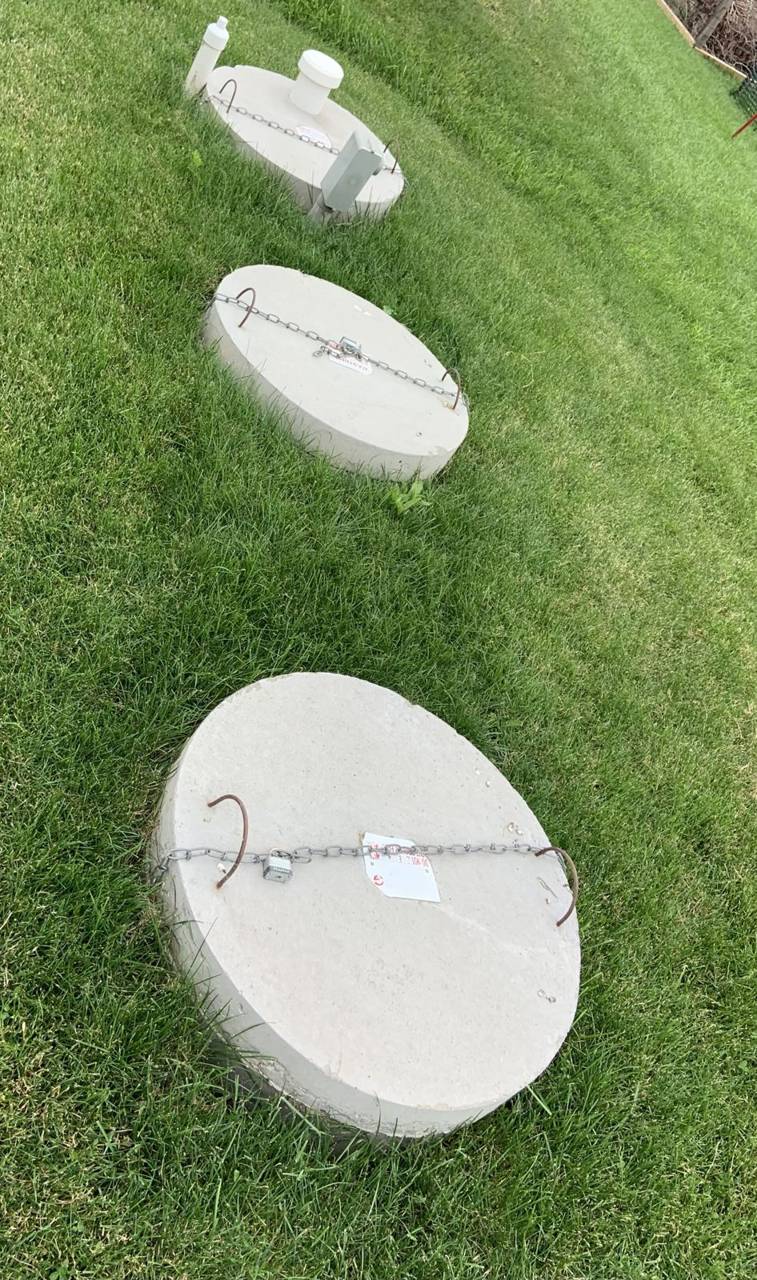
A typical pump-out starts at the lid. On large Henly lots the tank can sit a long way from the house, sometimes under grass that has grown thick over the lid. We locate it, open it, and measure the scum layer on top and the sludge layer on the bottom before anything is pumped. Those two numbers tell you whether the tank was due, and they give you a record to compare against next time. We also look at the baffles and the outlet, because a cracked baffle lets solids ride into the drain field. We also write down tank size, number of compartments and the date, so the next pump-out has something to compare against. Ask for that note and keep it with your deed papers.
Plan on a pump-out every three to five years for a family home, sooner with a big household, a garbage disposal or a water softener that discharges to the tank. Vacation houses and weekend cabins in the area often sit idle for weeks, then take a full load of guests. That swing is hard on a tank. If you bought a property here and do not know when it was last pumped, assume it is overdue and have it checked. Heavy rain is another trigger worth knowing. After a wet spring on the Onion Creek side of the county, a tank sitting in saturated ground can float or leak groundwater inward, which fills it faster than usual.
What to know in Henly
Long driveways and heavy trucks
Many Henly properties sit at the end of a gravel or caliche road with a cattle guard or a gate. A pump truck is heavy, so we need a clear path and a dry surface. After a hard rain, a soft low-water crossing or washed-out drive can force a reschedule. Tell us about gates, codes and dogs before the visit. If you rent out a guest house or cabin, tell us, because the load is higher than the bedroom count suggests.
Rocky ground and hidden lids
Shallow limestone means tanks are often set in blasted or excavated pits, and lids may be buried under a few inches of soil. If you cannot find yours, check the original permit drawing at Hays County Development Services, or let us probe for it. Finding it early saves time on the day. A simple probe rod and the old permit sketch usually find the tank in minutes, so it is worth a short call to the county before you start digging.
Water wells close by
Most Henly homes run on a private well, and the tank must stay a required distance from it under TCEQ rules. A tank that is overfull or leaking is a well-water risk, not just a nuisance. Pumping on schedule is one of the cheapest ways to protect the water you drink. If you also use a rain-fed cistern or have had a well test lately, share the result so we can talk about the whole picture.
Signs you may need septic tank pumping
- Sewage backing up into tubs, sinks or floor drains
- More than three to five years since the last pumping
- A high-water alarm on an aerobic system or pump tank
- No record of when the tank was last pumped
How septic tank pumping works
Aerobic systems need pumping too, though the schedule and the process differ from a basic tank. An aerobic treatment unit has several chambers, including a trash tank, an aeration chamber and a clarifier, and each one collects solids at a different rate. The trash tank usually fills first. Because aerobic units depend on oxygen and healthy bacteria, a careless pumping can upset the biology. We pump the right chambers, leave the system in working order and make sure the air pump is running before we go. If your aerobic system is under a maintenance contract, the licensed maintenance provider usually tells you when the tank needs to be pumped, and we are glad to coordinate with that provider so the paperwork stays in order.
Many homeowners wait until something goes wrong, and by then pumping alone may not fix the problem. Slow drains, gurgling pipes, wet spots over the drain field and sewage smells are late signs. A tank that has gone too long without service often has a thick, packed sludge layer, and solids may already have reached the effluent filter or the field lines. Scheduled pumping costs a fraction of drain field repair. Think of it like an oil change for your system. It is routine, it is predictable, and it keeps small problems from growing into major ones. Homes that are being bought, sold or refinanced also benefit from a pumping, since it lets everyone see the actual condition of the tank.
What to expect on a Henly visit
- 01
Locate and uncover the tank
We confirm where the tank is using your records, a probe rod or a quick walk of the yard. If the lids are buried, we dig them out carefully and avoid your landscaping where we can. We also check the area for sprinkler lines, drain field lines and other hazards before the truck sets up.
- 02
Open the lids and check liquid levels
Once the lids are safely open, we compare the liquid level with the outlet pipe. A level that is too high can mean a clogged outlet or a saturated drain field. A level that is too low can mean a leak. We also note the condition of the lids, seals and any risers.
- 03
Pump out scum, liquid and sludge
We remove the floating scum, the liquid and the settled sludge from each compartment. We break up compacted solids so the tank empties fully. For aerobic systems we handle each chamber according to its design, and we keep the health of the bacteria in mind throughout the job. Anything unusual in the waste, like grease clumps or flushed wipes, gets pointed out to you.
- 04
Inspect the empty tank
With the tank empty, we check the walls, baffles or tees, and the inlet and outlet pipes for cracks, corrosion, roots and wear. We clean the effluent filter if your tank has one. We explain what we see in plain terms so you know what is normal and what is not.
- 05
Close up and restore the site
We reseat the lids, replace gaskets or hardware where we can, and put soil and sod back where we dug. We leave the area tidy. If a lid is cracked or unsafe, we tell you right away and talk through the options for a safe replacement or a riser. Disturbed ground is raked smooth, and we mention any low spots that may need fill after settling.
- 06
Review findings and set the next date
We walk you through the sludge level, the tank condition and anything that needs attention. We suggest a pumping interval based on your tank size and household use, and we explain any recommended repairs in plain language. You decide what to do next, and you keep the notes. Keep this summary with your septic records so the next visit starts from a known baseline.
Our approach in Henly
- We locate and open your tank, aerobic unit and dispersal area, including buried lids common on older Henly properties
- We explain what we find in plain language, with photos where they help
- Repairs and installs are planned around Hays County permitting requirements
- You get written options before any repair work begins
- Aerobic visits are recorded for your maintenance contract
Septic conditions around Henly
Weather out here is wide open. Summer drought bakes the ground, cracks clay and dries spray fields, while a single big storm can drop several inches of rain onto thin soil that has no place to hold it. After a storm, low spots in a field can stay wet for days. Wind and lightning are real concerns for aerobic systems, since a power surge can damage the control panel or air pump, and a power outage stops treatment until the electricity is restored. Livestock and ranch vehicles add risk, because heavy loads on a field compress soil and crush shallow lines. Roots from cedar and oak will find their way into pipes if allowed. A seasonal walk around the field, lids and panel catches most problems early. Long gravel drives also need planning for service: a heavy pump truck needs firm ground and room to turn, so scheduling after a dry stretch helps. Flag your tank lids ahead of time, and tell us if you are unsure where the tank is.
Septic Tank Pumping questions from Henly homeowners
How often should a Henly home pump its septic tank?
For a conventional tank serving a family, every three to five years is the common guideline. Tank size, household headcount and habits change that. A 1,000 gallon tank with five people in the house needs attention sooner than a 1,500 gallon tank with two. The reliable answer comes from measuring sludge and scum depth at the tank, which we do on every visit. Households with a disposal or a softener should lean toward the short end of that range. Pumping late is the more costly mistake.
Can the truck reach my tank on a long rural drive?
Usually yes, but the hose has a limited reach and the truck needs firm ground. If your lid is more than about a hundred feet from where the truck can park, tell us when you book. A dry, graded drive matters more than width. In wet weather, a soft shoulder can be the real obstacle, so we may suggest a drier day. If gravel or caliche makes parking difficult, say so, and we can plan the visit around the dry part of the day.
Does pumping show me problems with the drain field?
It can point to them. If the tank refills quickly after pumping, or liquid flows back from the drain field side, the field may be saturated or failing. We note what we see at the outlet and the water level, then explain whether a drain field evaluation makes sense. Pumping alone does not fix a failing field. Ask for the written depth measurements after each visit. They show whether your tank is filling quickly or slowly over time.
Do aerobic septic systems need pumping too?
Yes, though the schedule differs from a basic tank. The trash tank and other chambers collect solids over time. If your system is under a maintenance contract, the licensed maintenance provider can tell you when pumping is due. Pumping an aerobic unit takes care, since the bacteria that treat the water need to recover quickly afterward. Ask your provider to note the pumping date in your service report so your records stay complete.
How do I know where my septic tank is?
Start with your permit paperwork or the as-built drawing, which many counties keep on file. You can also look for lids or risers in the yard, or follow the main sewer line out from the house. If none of that works, a technician can use a probe rod or a locator to find it. Marking the lids saves time on every future visit.
Should I pump before buying or selling a home?
It is a smart step. Pumping lets the technician see the inside of the tank and check the baffles, the filter and the liquid levels. Buyers get a clearer picture of the condition, and sellers can fix small issues early. Some lenders or buyers ask for it as part of an inspection, so check your contract and talk with your agent.
More about septic tank pumping → · All septic services in Henly →
Need septic tank pumping in Henly?
Call or send a request. We will ask a few questions about your system and the property, then schedule a visit.