Dripping Springs · Hays County
Septic Tank Pumping in Dripping Springs, TX
Pumping in Dripping Springs is driven mostly by tank size and household size. Many conventional tanks hold 1,000 to 1,500 gallons, and families often need service every three to five years, sooner with a garbage disposal. Hill Country lots add access issues, since tanks can sit behind gates, on slopes or under rocky ground. We locate the lids, check the baffles and outlet filter, and note sludge and scum levels so you know where the tank stands. Pumping commonly runs a few hundred dollars, depending on capacity and access.
Septic Tank Pumping for Dripping Springs homes
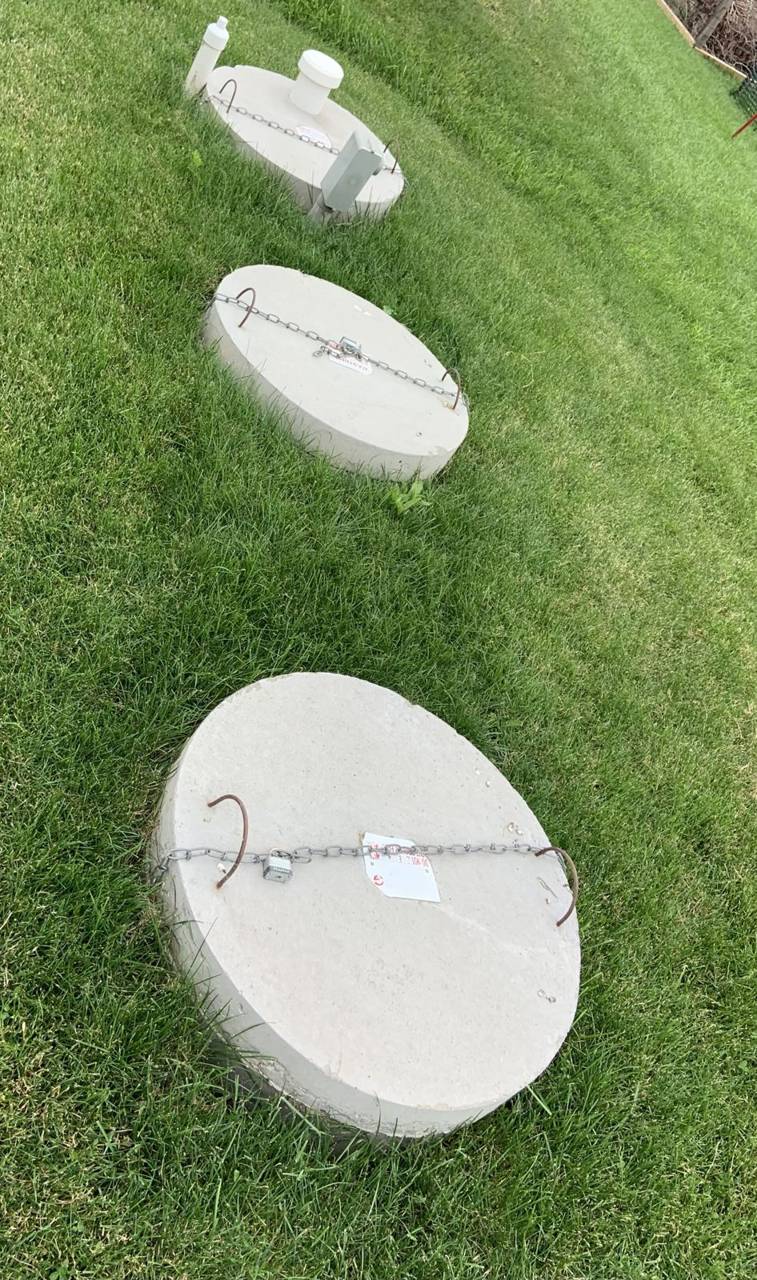
Septic tank pumping in Dripping Springs looks different from pumping in a flat, sewered suburb. Many homes here sit on half-acre to multi-acre lots north and south of US-290, and the tank may be a long way from the road. Before we back a truck in, we walk the route from the driveway to the lid. Gates, cedar limbs, low oak branches and soft shoulders after a rain all decide how close we can park and how much hose we need to reach the tank. A short walk up front saves a lot of trouble once the truck is running. Newer subdivisions off the main corridors also tend to have paved cul-de-sacs where the tank sits under a front yard, which is easier. Older acreage is the opposite, so we ask for a photo or a hand sketch when you book.
Most older homes in town run a standard two-compartment tank, often 1,000 to 1,500 gallons, but plenty of newer houses use a tank ahead of an aerobic treatment unit. Pumping a tank that feeds an aerobic system is a different job. We pump the trash tank and the clarifier, check the pump tank, and make sure solids are not being carried over into the spray or drip field. For a conventional tank, every three to five years is a common interval, and sooner for a big family or a house with a garbage disposal. Ask for the tank size on your permit, because guessing at it leads to pumping on the wrong schedule. If you cannot find a permit, we can measure the volume while the tank is open and write it down for you.
The clay pockets and shallow limestone around Dripping Springs make a full tank costly. Solids that escape the tank clog the soil faster where there is little depth to absorb them, and a dug-up field here can run into rock a foot or two down. Pumping is the cheapest protection you have. We note the sludge and scum depth each visit so you can see how fast your own tank fills, and we tell you honestly if a longer interval looks safe. Commonly, pumping runs a few hundred dollars depending on tank size and access. Think of it as a yard-saving habit, not a repair. A pumped tank also lets us look at the baffles and the outlet filter, which are cheap to fix now and miserable to fix once the field is soaked.
What to know in Dripping Springs
Long driveways and gated lots
Ranchette-style properties off RR 12 and the farm roads around town often have locked gates and narrow lanes. Tell us the gate code or leave it open, and mention any low branches. If the lid is far from where a truck can safely park, we plan for extra hose and a little more time on site. We also flag rutted lanes before the visit.
Tanks that feed an aerobic unit
If your lot uses spray or drip irrigation, pumping has to fit your maintenance schedule. The chambers must be refilled and the system restarted properly so the bacteria can recover, and the pumps, floats and timer should be checked afterward. Skipping that step is how a routine pumping turns into a service call. Skipping it is a common mistake.
Dry summers and wet spring storms
Pumping during a drought is easy on the truck and the yard. After heavy spring rain, saturated clay can make access tricky and a high water table can press on an empty tank. We may suggest waiting a few days for the soil to drain before opening a lid. Wet clay can wait a day or two.
Signs you may need septic tank pumping
- Slow drains or toilets that gurgle throughout the house
- Sewage smells near the tank, the drain field or inside the home
- Wet, soggy or unusually green spots over the drain field
- Sewage backing up into tubs, sinks or floor drains
How septic tank pumping works
Septic tank pumping is the removal of the solids and liquid that collect inside your tank. Every time you flush a toilet or run a drain, wastewater flows into the tank. Heavy solids sink and form a layer of sludge. Grease, soap scum and other light material float to the top as scum. The liquid in the middle, called effluent, flows out to the drain field or to the next treatment stage. Bacteria in the tank break down some of the waste, but not all of it. Over time the sludge and scum layers get thicker and leave less room for the liquid to rest. When that happens, solids can slip out of the tank and clog the pipes and soil downstream. Regular septic tank pumping in Dripping Springs keeps those layers in check and protects the part of the system that costs the most to fix, the drain field.
A pumping visit is more than emptying a tank. We start by finding the tank lids, which can sit under a few inches of soil or sod on older properties. Once the lids are open, we look at the liquid level, because a level well above or below the outlet pipe can point to a clog or a leak. Then we pump out the scum, liquid and sludge. Good practice is to break up the solids so the tank is cleaned out fully, instead of leaving a layer stuck to the bottom and walls. Afterward we look inside the empty tank for cracks, root intrusion, damaged baffles and corroded fittings. This is the best look you will ever get at the tank, so we describe what we see in plain language and answer your questions.
What to expect on a Dripping Springs visit
- 01
Locate and uncover the tank
We confirm where the tank is using your records, a probe rod or a quick walk of the yard. If the lids are buried, we dig them out carefully and avoid your landscaping where we can. We also check the area for sprinkler lines, drain field lines and other hazards before the truck sets up.
- 02
Open the lids and check liquid levels
Once the lids are safely open, we compare the liquid level with the outlet pipe. A level that is too high can mean a clogged outlet or a saturated drain field. A level that is too low can mean a leak. We also note the condition of the lids, seals and any risers.
- 03
Pump out scum, liquid and sludge
We remove the floating scum, the liquid and the settled sludge from each compartment. We break up compacted solids so the tank empties fully. For aerobic systems we handle each chamber according to its design, and we keep the health of the bacteria in mind throughout the job. Anything unusual in the waste, like grease clumps or flushed wipes, gets pointed out to you.
- 04
Inspect the empty tank
With the tank empty, we check the walls, baffles or tees, and the inlet and outlet pipes for cracks, corrosion, roots and wear. We clean the effluent filter if your tank has one. We explain what we see in plain terms so you know what is normal and what is not.
- 05
Close up and restore the site
We reseat the lids, replace gaskets or hardware where we can, and put soil and sod back where we dug. We leave the area tidy. If a lid is cracked or unsafe, we tell you right away and talk through the options for a safe replacement or a riser. Disturbed ground is raked smooth, and we mention any low spots that may need fill after settling.
- 06
Review findings and set the next date
We walk you through the sludge level, the tank condition and anything that needs attention. We suggest a pumping interval based on your tank size and household use, and we explain any recommended repairs in plain language. You decide what to do next, and you keep the notes. Keep this summary with your septic records so the next visit starts from a known baseline.
Our approach in Dripping Springs
- We locate and open your tank, aerobic unit and dispersal area, including buried lids common on older Dripping Springs properties
- We explain what we find in plain language, with photos where they help
- Repairs and installs are planned around Hays County permitting requirements
- You get written options before any repair work begins
- Aerobic visits are recorded for your maintenance contract
Septic conditions around Dripping Springs
Growth has changed Dripping Springs quickly. Older homes on acreage and small ranches now share the area with newer neighborhoods, and new construction keeps appearing along US-290, RR 12 and FM 150. That mix means you can find a decades-old conventional tank on one lot and a modern aerobic system on the next. Older systems were often sized for fewer bedrooms and fewer people than the house holds today, and a remodel or an added bathroom can push a tank past the load it was designed to handle. Newer builds usually come with aerobic units, risers and a spray field or drip lines, along with a maintenance contract from day one. Many Hill Country homes also use a private well, so drinking water and wastewater sit close together on the same property. A failing system matters more here than it would on a small city lot. When we visit a Dripping Springs property, the first job is working out what kind of system is there, how old it is, and what the household really puts through it.
Septic Tank Pumping questions from Dripping Springs homeowners
How often should I pump my septic tank in Dripping Springs?
For a conventional tank, every three to five years is a common range, but the real answer depends on tank size and how many people live in the house. A family of five with a disposal needs pumping sooner than a couple. If you have an aerobic system, follow what your maintenance provider recommends, since solids build up differently there. Bring any permit paperwork you have to the visit.
Can you pump my tank if the lid is buried?
Yes, but we have to find and uncover it first. Many older Hill Country tanks have lids a foot or more under the surface, and rocky soil makes digging slow. Plan on a little extra time, and consider adding a riser so future visits do not require digging through caliche and roots again. We will mark the lid locations on a sketch for you.
Will pumping hurt my spray field or drip lines?
No, when it is done correctly. Pumping removes solids that would otherwise leave the tank and clog emitters or soil. The key is following the right steps for an aerobic system, so the pumps, floats and aerator are all working before the system is returned to normal service and the first load of laundry goes in. Keep the pump invoice with your home records.
How often should I pump my septic tank?
A common rule of thumb is every three to five years for a typical household. The right interval depends on tank size, the number of people in the home, and how much water and waste goes down the drain. Garbage disposals and heavy laundry use shorten the interval. A look inside your tank is the best way to set a schedule that fits your home.
What happens if I never pump my septic tank?
Sludge and scum keep building until solids leave the tank and clog the outlet, the pipes and the soil in the drain field. A clogged field can fail, which leads to backups, wet ground and strong odors. Replacing a drain field is one of the biggest septic expenses, so routine pumping is far cheaper than waiting for a failure to happen.
Can I pump my own septic tank?
Not in practice. Tanks contain toxic gases and wastewater that must be hauled and disposed of properly, and opening a tank can be dangerous. Pumping also requires a proper hauling truck and equipment. You can help by finding and marking the lids, keeping records and watching for the warning signs listed on this page, then calling a pro. If you are curious about your tank, ask the technician to show you the sludge layer during service.
More about septic tank pumping → · All septic services in Dripping Springs →
Need septic tank pumping in Dripping Springs?
Call or send a request. We will ask a few questions about your system and the property, then schedule a visit.