Bee Cave · Travis County
Septic Tank Pumping in Bee Cave, TX
Septic pumping around Bee Cave mostly serves acreage homes and older properties outside the sewer service area. Most tanks need attention every three to five years, depending on size and how many people live in the house. We pump the tank, look at the baffles and effluent filter while it is open, and tell you what we see. Steep driveways and long runs to the tank are common here, so mention access when you call.
Septic Tank Pumping for Bee Cave homes
Bee Cave is better known for the Hill Country Galleria and the RR 620 and SH 71 corridor than for septic tanks, and that is fair. Much of the developed center of the city is served by centralized wastewater, mostly through the West Travis County Public Utility Agency. But once you leave that grid, the picture changes. Estates and acreage lots along Hamilton Pool Road, on the ridges above Lake Travis, and in older pockets that never got a sewer line still rely on a tank in the yard. Septic pumping in Bee Cave is for those homes, and the first step is confirming which group yours belongs to. Newer subdivisions inside the city were built with sewer from the start, while older homesites and acreage tracts were platted before lines arrived. A quick look at your closing papers or plat can settle the question in minutes.
The tank itself works the same way here as anywhere. Heavy solids sink, grease floats, and clarified water exits toward the field or the aerobic treatment stage. What changes on a Bee Cave property is the setting. Large homes with several bathrooms, guest suites, and sometimes a pool house send a lot of water through one system. A tank sized for the permitted bedroom count can run close to its limit once a full house of visitors arrives, so a calendar that fits a quiet household may be too relaxed for yours. Garbage disposals, water softeners that backwash into the system, and big laundry loads all add to the load. In a house with six or seven people, those habits can cut the pumping interval nearly in half.
A pumping visit on a hillside lot starts with access. Long, steep driveways and tight gates limit what a truck can reach, and hose length becomes a real planning question. We locate every lid, pump each compartment fully, and inspect the baffles, outlet, and any filter. We also check the liquid level against the outlet, because a level that sits too high or too low points to trouble downstream. Afterward you get a plain summary of the sludge depth and what we would watch next. If the tank sits uphill from the house, gravity helps. If it sits downhill and needs a lift pump, we also check the pump tank at the same visit, because a failing pump often hides behind a normal-looking tank.
What to know in Bee Cave
Steep driveways and hose reach
Many Bee Cave estates sit well above the road on winding drives. A tank at the back of a lot can be hundreds of feet from the nearest spot a truck can park. Tell us about gates, grade, and lid locations ahead of time so we can bring enough hose and plan the approach safely. Ask us to measure, not guess. Depth readings on two visits give a real pumping interval for your home.
Heavy water use from big households
Large homes with many fixtures, a laundry room that runs daily, and visiting family fill a tank faster than the permit may assume. Track pumping by usage, not only the calendar, and shorten the interval if guests are frequent or you added bedrooms since the system was installed. Aerobic homes should schedule pumping with the maintenance provider, since the first chamber often fills first.
Landscaping over lids
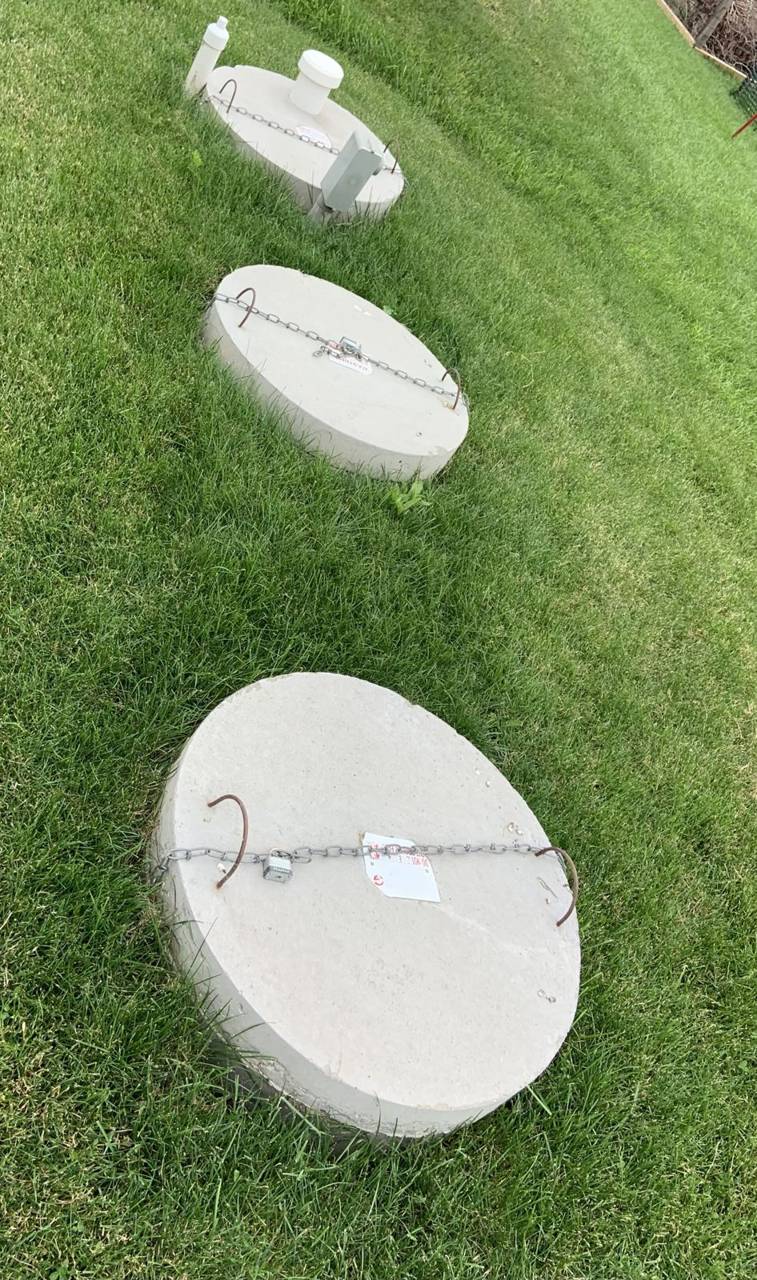
Manicured lawns, mulch beds, and drip irrigation lines often cover access lids in Bee Cave yards. Before pumping day, mark where the lids are or find the permit drawing. Digging through a planting bed costs time and can damage irrigation, so a lid riser is worth considering. Leave the permit drawing, if you have one, in a folder we can see. Lids on hillside lots can be far from where logic suggests.
Signs you may need septic tank pumping
- Slow drains or toilets that gurgle throughout the house
- Sewage smells near the tank, the drain field or inside the home
- Wet, soggy or unusually green spots over the drain field
- Sewage backing up into tubs, sinks or floor drains
How septic tank pumping works
A pumping visit is more than emptying a tank. We start by finding the tank lids, which can sit under a few inches of soil or sod on older properties. Once the lids are open, we look at the liquid level, because a level well above or below the outlet pipe can point to a clog or a leak. Then we pump out the scum, liquid and sludge. Good practice is to break up the solids so the tank is cleaned out fully, instead of leaving a layer stuck to the bottom and walls. Afterward we look inside the empty tank for cracks, root intrusion, damaged baffles and corroded fittings. This is the best look you will ever get at the tank, so we describe what we see in plain language and answer your questions.
How often you need pumping depends on the tank size, how many people live in the home and how much water and waste the system handles. A common rule of thumb is every three to five years for a typical household. A large family with a small tank may need service more often. A couple in a house with a big tank may stretch the interval. Garbage disposals add a lot of solids and shorten the time between visits. So do water softener backwash and heavy laundry use. Vacation homes and weekend cabins near Lake Travis and the Pedernales River often sit empty for weeks, which changes how the tank behaves. We suggest a schedule based on your home, not a single number for everyone.
What to expect on a Bee Cave visit
- 01
Locate and uncover the tank
We confirm where the tank is using your records, a probe rod or a quick walk of the yard. If the lids are buried, we dig them out carefully and avoid your landscaping where we can. We also check the area for sprinkler lines, drain field lines and other hazards before the truck sets up.
- 02
Open the lids and check liquid levels
Once the lids are safely open, we compare the liquid level with the outlet pipe. A level that is too high can mean a clogged outlet or a saturated drain field. A level that is too low can mean a leak. We also note the condition of the lids, seals and any risers.
- 03
Pump out scum, liquid and sludge
We remove the floating scum, the liquid and the settled sludge from each compartment. We break up compacted solids so the tank empties fully. For aerobic systems we handle each chamber according to its design, and we keep the health of the bacteria in mind throughout the job. Anything unusual in the waste, like grease clumps or flushed wipes, gets pointed out to you.
- 04
Inspect the empty tank
With the tank empty, we check the walls, baffles or tees, and the inlet and outlet pipes for cracks, corrosion, roots and wear. We clean the effluent filter if your tank has one. We explain what we see in plain terms so you know what is normal and what is not.
- 05
Close up and restore the site
We reseat the lids, replace gaskets or hardware where we can, and put soil and sod back where we dug. We leave the area tidy. If a lid is cracked or unsafe, we tell you right away and talk through the options for a safe replacement or a riser. Disturbed ground is raked smooth, and we mention any low spots that may need fill after settling.
- 06
Review findings and set the next date
We walk you through the sludge level, the tank condition and anything that needs attention. We suggest a pumping interval based on your tank size and household use, and we explain any recommended repairs in plain language. You decide what to do next, and you keep the notes. Keep this summary with your septic records so the next visit starts from a known baseline.
Our approach in Bee Cave
- We locate and open your tank, aerobic unit and dispersal area, including buried lids common on older Bee Cave properties
- We explain what we find in plain language, with photos where they help
- Repairs and installs are planned around Travis County permitting requirements
- You get written options before any repair work begins
- Aerobic visits are recorded for your maintenance contract
Septic conditions around Bee Cave
Weather in Bee Cave arrives in extremes. Summer droughts bake the thin soils, and the rocky ground can shift enough to loosen lids, crack buried lines and expose pipe edges. Then a hard storm can drop several inches in a few hours, and runoff races down slopes toward Barton Creek. Water that cannot soak into shallow soil sheets across the surface, and drain fields on lower parts of a slope can stay soggy for days. Pay attention to the signs after heavy rain: slow drains, gurgling pipes, a sewage smell near the tank or field, or lush green patches that appear in the middle of dry grass. Keep roof drains and sump discharge pointed away from your system. If an aerobic alarm sounds during or after a storm, do not ignore it, since power flickers and wet conditions can stop the pump or aerator.
Septic Tank Pumping questions from Bee Cave homeowners
Is my Bee Cave home on septic or city sewer?
Start with your monthly bills. If you pay a wastewater charge to a utility such as the West Travis County Public Utility Agency, you are likely on sewer. If you pay none and have a tank or aerobic unit in the yard, you are on septic. The city does not run utilities itself, so call the provider or check your closing documents to confirm. Call for the date of your last pumping if you cannot remember. Many owners lose track after buying a home.
How often does a Bee Cave septic tank need pumping?
Many conventional tanks need service every three to five years, but a big household with many fixtures may need it sooner. Tank size, the number of people, and garbage disposal use all matter. Aerobic units follow their own schedule under the maintenance contract. The most reliable method is to measure sludge and scum depth during a visit. If you are unsure of the tank size, ask us to measure it at the visit and we will record it for you.
Who regulates septic systems in Bee Cave?
State rules come from TCEQ under 30 TAC Chapter 285. Locally, unincorporated Travis County properties are handled by Travis County Transportation and Natural Resources. Homes within 2,000 feet of Lake Travis fall under LCRA's on-site sewage program. If your lot is inside city limits, confirm with Bee Cave. A jurisdiction map from the county can help sort this out. Mention steep slopes and gates when you book, so the truck and hose are planned for.
How can I make my septic tank last longer between pumpings?
Spread laundry across the week, fix leaking fixtures and avoid putting grease, wipes, paper towels and feminine products down the drain. Limit garbage disposal use and keep harsh chemicals and bleach to a minimum. Keep cars and heavy equipment off the tank and drain field. These habits reduce solids and protect the bacteria that do the work. Small habits add up, and a tank that gets fewer solids and less water can go longer between visits.
How often should I pump my septic tank?
A common rule of thumb is every three to five years for a typical household. The right interval depends on tank size, the number of people in the home, and how much water and waste goes down the drain. Garbage disposals and heavy laundry use shorten the interval. A look inside your tank is the best way to set a schedule that fits your home.
What happens if I never pump my septic tank?
Sludge and scum keep building until solids leave the tank and clog the outlet, the pipes and the soil in the drain field. A clogged field can fail, which leads to backups, wet ground and strong odors. Replacing a drain field is one of the biggest septic expenses, so routine pumping is far cheaper than waiting for a failure to happen.
More about septic tank pumping → · All septic services in Bee Cave →
Need septic tank pumping in Bee Cave?
Call or send a request. We will ask a few questions about your system and the property, then schedule a visit.