Dripping Springs & the Texas Hill Country
Septic Tank Pumping
Septic tank pumping removes the sludge and scum that build up inside your tank so solids never reach your drain field. We pump conventional and aerobic systems across the western Austin Hill Country and explain what we find in your tank as we go.
Septic tank pumping is the removal of the solids and liquid that collect inside your tank. Every time you flush a toilet or run a drain, wastewater flows into the tank. Heavy solids sink and form a layer of sludge. Grease, soap scum and other light material float to the top as scum. The liquid in the middle, called effluent, flows out to the drain field or to the next treatment stage. Bacteria in the tank break down some of the waste, but not all of it. Over time the sludge and scum layers get thicker and leave less room for the liquid to rest. When that happens, solids can slip out of the tank and clog the pipes and soil downstream. Regular septic tank pumping in Dripping Springs keeps those layers in check and protects the part of the system that costs the most to fix, the drain field.
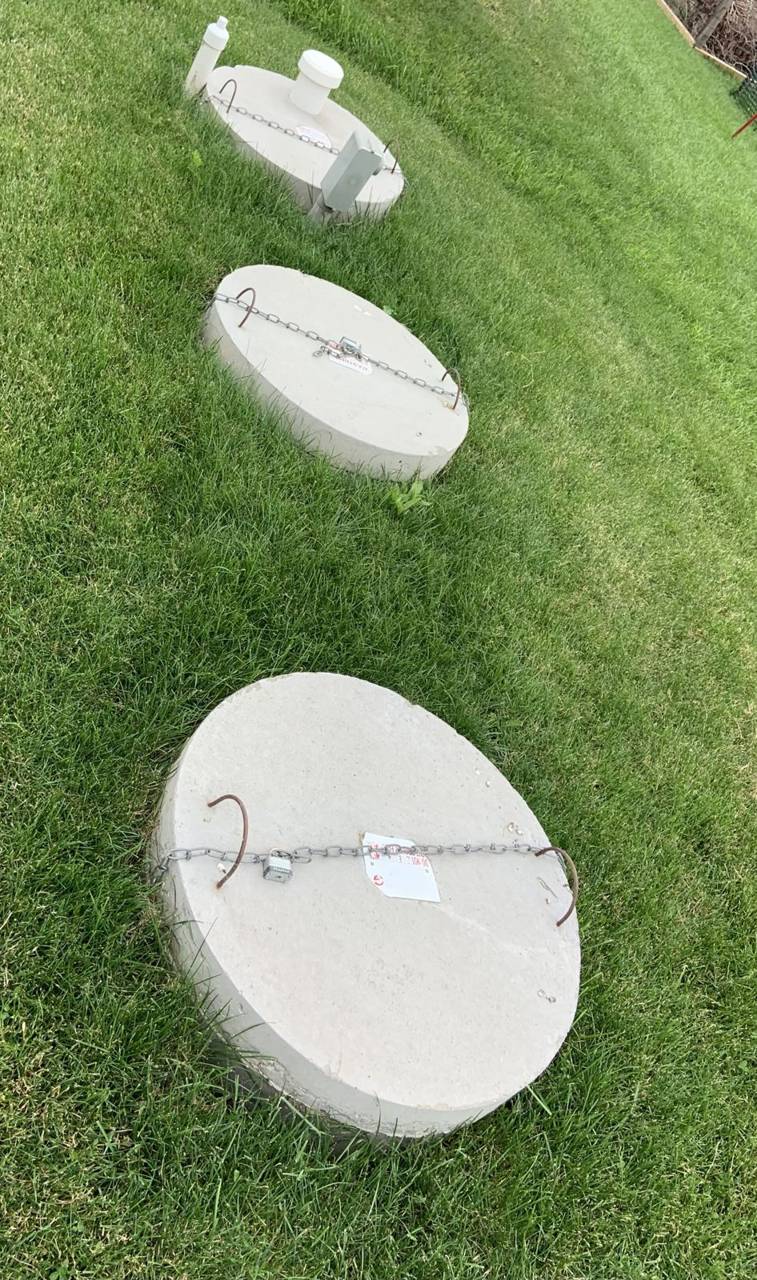
A pumping visit is more than emptying a tank. We start by finding the tank lids, which can sit under a few inches of soil or sod on older properties. Once the lids are open, we look at the liquid level, because a level well above or below the outlet pipe can point to a clog or a leak. Then we pump out the scum, liquid and sludge. Good practice is to break up the solids so the tank is cleaned out fully, instead of leaving a layer stuck to the bottom and walls. Afterward we look inside the empty tank for cracks, root intrusion, damaged baffles and corroded fittings. This is the best look you will ever get at the tank, so we describe what we see in plain language and answer your questions.
How often you need pumping depends on the tank size, how many people live in the home and how much water and waste the system handles. A common rule of thumb is every three to five years for a typical household. A large family with a small tank may need service more often. A couple in a house with a big tank may stretch the interval. Garbage disposals add a lot of solids and shorten the time between visits. So do water softener backwash and heavy laundry use. Vacation homes and weekend cabins near Lake Travis and the Pedernales River often sit empty for weeks, which changes how the tank behaves. We suggest a schedule based on your home, not a single number for everyone.
Aerobic systems need pumping too, though the schedule and the process differ from a basic tank. An aerobic treatment unit has several chambers, including a trash tank, an aeration chamber and a clarifier, and each one collects solids at a different rate. The trash tank usually fills first. Because aerobic units depend on oxygen and healthy bacteria, a careless pumping can upset the biology. We pump the right chambers, leave the system in working order and make sure the air pump is running before we go. If your aerobic system is under a maintenance contract, the licensed maintenance provider usually tells you when the tank needs to be pumped, and we are glad to coordinate with that provider so the paperwork stays in order.
Many homeowners wait until something goes wrong, and by then pumping alone may not fix the problem. Slow drains, gurgling pipes, wet spots over the drain field and sewage smells are late signs. A tank that has gone too long without service often has a thick, packed sludge layer, and solids may already have reached the effluent filter or the field lines. Scheduled pumping costs a fraction of drain field repair. Think of it like an oil change for your system. It is routine, it is predictable, and it keeps small problems from growing into major ones. Homes that are being bought, sold or refinanced also benefit from a pumping, since it lets everyone see the actual condition of the tank.
There are a few things you can do before and after a visit. Clear a path to the tank lids and mark them if you know where they are. Keep dogs inside, and let us know about any underground sprinkler lines or utilities nearby. Do not run large loads of laundry the morning of service. After pumping, the tank slowly refills with wastewater, which is normal. Keep a record of the date, the tank size and any notes about the condition of the baffles and filter. That record helps the next technician and is useful when you sell the home. Ask us about adding risers if your lids are deep, since easy access makes every future pumping faster, cleaner and less disruptive to your yard.
Signs you may need septic tank pumping
- Slow drains or toilets that gurgle throughout the house
- Sewage smells near the tank, the drain field or inside the home
- Wet, soggy or unusually green spots over the drain field
- Sewage backing up into tubs, sinks or floor drains
- More than three to five years since the last pumping
- A high-water alarm on an aerobic system or pump tank
- No record of when the tank was last pumped
Septic Tank Pumping on Hill Country properties
Much of the Hill Country sits on limestone with thin, rocky soil and caliche layers. That makes digging to a buried lid slower than it would be on soft ground. It also means the soil around a drain field may not absorb water as well, so keeping solids out of the field through regular pumping matters even more here.
Many homes along US-290, RR 12 and FM 150 sit on acreage with long driveways and gates. Long hose runs and tight turns for the truck are common. Tell us about gate codes, low branches and steep driveways ahead of time, so the visit goes smoothly and nothing gets scraped.
Parts of western Hays and Travis Counties fall over the Edwards Aquifer recharge and contributing zones. Protecting groundwater is a big reason local agencies take septic maintenance seriously. A tank that is pumped on time helps keep untreated waste out of the soil, the springs and the water that your neighbors use.
Heavy rain and flash flooding near creeks such as Onion Creek and Barton Creek can saturate the ground around a system. After a major storm, go easy on water use until the soil drains. If your tank lids sit low, risers and sealed lids help keep stormwater from flowing into the tank.
Seasonal and second homes near Lake Travis and the Pedernales River can sit empty for weeks. Low use can starve the tank's bacteria, and a sudden group of guests can overload it. Tell us how the home is used so we can suggest a pumping schedule that fits real life, not an average.
Our septic tank pumping process
- 01
Locate and uncover the tank
We confirm where the tank is using your records, a probe rod or a quick walk of the yard. If the lids are buried, we dig them out carefully and avoid your landscaping where we can. We also check the area for sprinkler lines, drain field lines and other hazards before the truck sets up.
- 02
Open the lids and check liquid levels
Once the lids are safely open, we compare the liquid level with the outlet pipe. A level that is too high can mean a clogged outlet or a saturated drain field. A level that is too low can mean a leak. We also note the condition of the lids, seals and any risers.
- 03
Pump out scum, liquid and sludge
We remove the floating scum, the liquid and the settled sludge from each compartment. We break up compacted solids so the tank empties fully. For aerobic systems we handle each chamber according to its design, and we keep the health of the bacteria in mind throughout the job. Anything unusual in the waste, like grease clumps or flushed wipes, gets pointed out to you.
- 04
Inspect the empty tank
With the tank empty, we check the walls, baffles or tees, and the inlet and outlet pipes for cracks, corrosion, roots and wear. We clean the effluent filter if your tank has one. We explain what we see in plain terms so you know what is normal and what is not.
- 05
Close up and restore the site
We reseat the lids, replace gaskets or hardware where we can, and put soil and sod back where we dug. We leave the area tidy. If a lid is cracked or unsafe, we tell you right away and talk through the options for a safe replacement or a riser. Disturbed ground is raked smooth, and we mention any low spots that may need fill after settling.
- 06
Review findings and set the next date
We walk you through the sludge level, the tank condition and anything that needs attention. We suggest a pumping interval based on your tank size and household use, and we explain any recommended repairs in plain language. You decide what to do next, and you keep the notes. Keep this summary with your septic records so the next visit starts from a known baseline.
What affects the cost of septic tank pumping
Tank size
Larger tanks hold more waste and take more time and truck capacity to empty. Many Hill Country homes have tanks from about 1,000 to 1,500 gallons, and larger homes or aerobic systems can have more. Pumping commonly runs a few hundred dollars, and the final number moves with the volume removed.
Access to the tank
Buried lids, long hose runs, steep slopes and gated drives all add time and effort. On rocky ground, digging down to a lid can take longer than expected. Risers bring the lids up to grade and make access easier, which often reduces the effort needed on later visits. Ask whether the estimate assumes the lids are exposed, since digging is often priced as a separate line.
Condition of the sludge layer
A tank pumped on schedule empties quickly. A tank that has gone many years without service may hold hard, compacted solids that need extra water, time and labor to break up. Long gaps between visits can also mean extra work to clean filters and outlet lines. Pumping on a regular schedule keeps this factor small, which is one more reason to avoid long gaps.
System type
Aerobic systems have several chambers and may need more careful handling than a single-compartment tank. Some also have pump tanks that need attention. The number of compartments and the type of system change how long the job takes and how the work is done. A tank with several compartments or a separate pump chamber takes longer than a simple single-chamber tank does.
Extra services
Filter cleaning, lid replacement, riser installation and minor repairs are separate from the pumping itself. Disposal fees can also vary. Costs differ from company to company and from property to property, so ask for a written estimate that explains exactly what is included. Request the estimate in writing, with each service listed, so you can compare it fairly with other quotes.
Septic Tank Pumping FAQs
How often should I pump my septic tank?
A common rule of thumb is every three to five years for a typical household. The right interval depends on tank size, the number of people in the home, and how much water and waste goes down the drain. Garbage disposals and heavy laundry use shorten the interval. A look inside your tank is the best way to set a schedule that fits your home.
What happens if I never pump my septic tank?
Sludge and scum keep building until solids leave the tank and clog the outlet, the pipes and the soil in the drain field. A clogged field can fail, which leads to backups, wet ground and strong odors. Replacing a drain field is one of the biggest septic expenses, so routine pumping is far cheaper than waiting for a failure to happen.
Can I pump my own septic tank?
Not in practice. Tanks contain toxic gases and wastewater that must be hauled and disposed of properly, and opening a tank can be dangerous. Pumping also requires a proper hauling truck and equipment. You can help by finding and marking the lids, keeping records and watching for the warning signs listed on this page, then calling a pro. If you are curious about your tank, ask the technician to show you the sludge layer during service.
Do aerobic septic systems need pumping too?
Yes, though the schedule differs from a basic tank. The trash tank and other chambers collect solids over time. If your system is under a maintenance contract, the licensed maintenance provider can tell you when pumping is due. Pumping an aerobic unit takes care, since the bacteria that treat the water need to recover quickly afterward. Ask your provider to note the pumping date in your service report so your records stay complete.
How do I know where my septic tank is?
Start with your permit paperwork or the as-built drawing, which many counties keep on file. You can also look for lids or risers in the yard, or follow the main sewer line out from the house. If none of that works, a technician can use a probe rod or a locator to find it. Marking the lids saves time on every future visit.
Should I pump before buying or selling a home?
It is a smart step. Pumping lets the technician see the inside of the tank and check the baffles, the filter and the liquid levels. Buyers get a clearer picture of the condition, and sellers can fix small issues early. Some lenders or buyers ask for it as part of an inspection, so check your contract and talk with your agent.
Do additives or treatments replace pumping?
No. Septic additives claim to break down solids, but they do not remove the sludge that settles in your tank, and some products can harm the system. Pumping is the only way to take out the solids that build up over the years. A healthy tank already has the bacteria it needs, so everyday habits matter far more than products.
How can I make my septic tank last longer between pumpings?
Spread laundry across the week, fix leaking fixtures and avoid putting grease, wipes, paper towels and feminine products down the drain. Limit garbage disposal use and keep harsh chemicals and bleach to a minimum. Keep cars and heavy equipment off the tank and drain field. These habits reduce solids and protect the bacteria that do the work. Small habits add up, and a tank that gets fewer solids and less water can go longer between visits.
Septic Tank Pumping near you
- Septic Tank Pumping in Dripping Springs
- Septic Tank Pumping in Driftwood
- Septic Tank Pumping in Wimberley
- Septic Tank Pumping in Henly
- Septic Tank Pumping in Buda
- Septic Tank Pumping in Kyle
- Septic Tank Pumping in San Marcos
- Septic Tank Pumping in Bee Cave
- Septic Tank Pumping in Lakeway
- Septic Tank Pumping in Southwest Austin
- Septic Tank Pumping in Spicewood
- Septic Tank Pumping in Johnson City
Need septic service in the Hill Country?
Call or send a request. We will ask a few questions about your system and the property, then schedule a visit.