Spicewood · Travis and Burnet Counties
Septic System Installation in Spicewood, TX
A new septic system in Spicewood starts with a soil and site evaluation and confirming whether Travis County, Burnet County or the LCRA is the permit authority. Rock depth, slope and wells shape the design. In Burnet County, a 911 address and building permit come first. We lay out realistic options before work starts. We also explain upkeep each design needs and what the permit office will want to review before approval.
Septic System Installation for Spicewood homes
Building a home near Spicewood means planning wastewater from day one. With no municipal sewer on most lots, the septic system is as essential as the foundation, and it has to be permitted before the house can be finished. A site and soil evaluation sets what is possible, a design follows, and then the county reviews the application. The design professional you choose plays a big role. Some counties require a registered professional for certain systems, and a good designer understands both the soil and the local review process. Ask for references and examples of systems designed for similar Hill Country lots. A cheap design that is rejected costs more than a careful one that is approved. Early planning also gives your builder time to adjust the house location.
Design options track the ground. Deeper, well-drained soil can support a conventional gravity system. Thin soil, rock and sloped lots often call for an aerobic treatment unit with spray or drip dispersal, which brings a required maintenance contract with a TCEQ-licensed provider. Lot layout matters too: the house, driveway, well, pool and any future guest house all compete for space with the field. Installation day is quieter than many owners expect. Crews set the tank, run lines, build the field and connect the controls for aerobic units. They stage materials to limit damage and keep the approved plan on site. The inspector reviews the work before backfill, and you receive the paperwork once it passes. Ask your designer to explain why each option fits or does not fit your site.
Permitting depends on the county. Travis County Transportation and Natural Resources reviews septic permits for unincorporated Travis County. In Burnet County, the process starts with a 911 address, and a building permit must come before the septic permit. Some lakeside parcels may have extra requirements, so ask early. Once approved, installation follows the plan, and an inspector approves the work before the tank and lines are covered. After approval, learn your system. Walk the lines with the installer, locate each lid, learn what the control panel alarms mean and sign the maintenance contract if your system is aerobic. Store the as-built drawing and permit with your closing documents. Future owners and service providers will rely on these records. Keep digital copies as well, in case paper records get damaged or lost.
What to know in Spicewood
Sequence with the builder
Septic trenching, well drilling, foundation work and utility trenches share the same limited ground. Agree on the order with your builder and designer before anyone digs, so a new field is not driven over and the house footprint does not block the best soil. If a well is on your lot, the plan must respect required distances. Drilling a well after the septic design is approved can cause conflicts, so coordinate both at the same time.
Rock and access
Spicewood limestone and caliche can add excavation time. Long, steep or narrow driveways limit equipment. Tell your installer about gates, culverts and fencing so they can plan how a tank and machinery will arrive. Ask the contractor what happens if rock is bigger than expected. A written change process avoids surprises, and clear communication helps you budget for the unknown.
Planning for growth
A system is sized for bedrooms and use. If you may later add a casita, a bunkhouse or a short-term rental, tell your designer now. Sizing for a bigger footprint is easier than re-permitting a larger system later. Consider the cost of long-term care. Aerobic systems need contracts, power and parts, while conventional systems need pumping and occasional repairs. Compare lifetime costs, not just the installation bill.
Signs you may need septic system installation
- Your property was never permitted or has no records on file
- A buyer, lender or inspector flags the system as noncompliant
- Repeated backups continue even after pumping and repair
- You are converting a cabin, barn or shop into living space
How septic system installation works
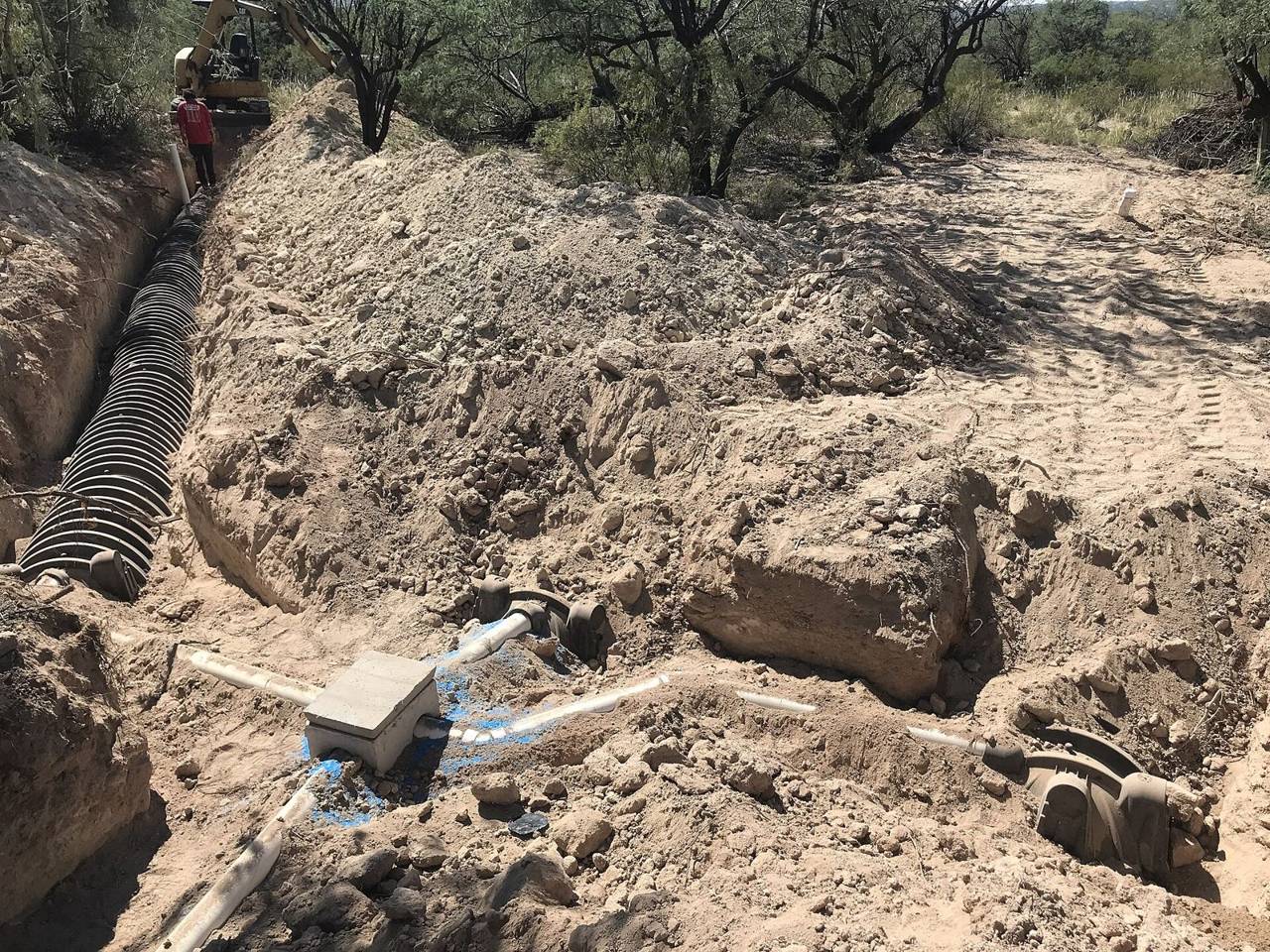
Once the permit is in hand, installation can start. Crews set the tanks level and watertight, run pipes with proper slope, install pumps, alarms, aerators and controls where the design calls for them, and build the disposal area exactly as drawn. Details matter. A tank set at the wrong depth, a pipe with a low spot or a trench dug in wet soil can cause trouble years later. Many work areas in this region involve rock, so excavation takes patience and the right equipment. We follow the approved plan, keep the county informed, and avoid shortcuts that would put your approval at risk. If site conditions force a change, the design must be updated and approved first. Weather also plays a part, since digging in saturated ground can smear soil and hurt how a field absorbs water.
After the equipment is in, the county inspects the system before it is covered or approved for use. Inspectors check tank placement, pipe work, the field and, for advanced systems, controls and alarms. Once the system passes, you can cover and landscape, and the paperwork is filed. Plan for the first year to be a learning period. Learn where your tank lids are, what the alarm sounds like, which breaker feeds the aerator, and who holds your maintenance contract. Keep your permit, plan and inspection records in one folder, because buyers, lenders and inspectors will ask for them later. A well designed and carefully installed system can serve a household for many years. Treat the system as part of the home, with its own schedule, rather than something you can forget about.
What to expect on a Spicewood visit
- 01
Confirm the permitting authority
We begin by confirming which agency reviews septic permits for your address, since that differs between Hays County, Travis County, the City of Austin and neighboring counties. Then we discuss your plans for the home, including bedroom count, future additions, outbuildings and where a well or pool may go, because those choices affect system size and placement.
- 02
Site and soil evaluation
A TCEQ licensed site evaluator or professional engineer examines the lot, digs soil profile holes, records depth to rock and restrictive layers, and maps slopes, drainage and setbacks. We help you prepare the property so the evaluation goes smoothly, including marking the well, property corners and any features that limit where the system can go.
- 03
Design and plan approval
A designer selects a system type that fits the evaluation, sizes it for the home and prepares the drawings. We review the plan with you in plain language so you know what is being built and why. The application goes to the permitting authority, and we respond to any questions or corrections that come back.
- 04
Excavation and tank setting
After approval, we stake the layout and excavate. Tanks are set on a prepared base, leveled and checked for watertight joints. Hill Country rock can slow this stage, so we plan access and equipment ahead of time. We protect trees, wells and utilities where we can and keep you updated as the work moves along.
- 05
Field, controls and connections
Next we build the disposal area as drawn, whether that is trenches, spray heads, drip lines, a dosing system or a mound. For aerobic and pumped systems, we install pumps, aerators, alarms and electrical connections. We then connect the home to the tank, check slopes and flow, and test the equipment before anything is covered.
- 06
Inspection, startup and handoff
The permitting authority inspects the installation, and we address anything it flags. Once approved, we backfill and finish grading. We walk you through lids, alarms, maintenance duties and your required contract, then leave you with the paperwork you need to keep on file. We also explain who to call if an alarm goes off or something seems wrong.
Our approach in Spicewood
- We locate and open your tank, aerobic unit and dispersal area, including buried lids common on older Spicewood properties
- We explain what we find in plain language, with photos where they help
- Repairs and installs are planned around Travis and Burnet Counties permitting requirements
- You get written options before any repair work begins
- Aerobic visits are recorded for your maintenance contract
Septic conditions around Spicewood
Burnet County Development Services handles septic permitting on its side of the line, and the county ties the process to a 911 address and a building permit, so those steps usually come first for new construction. On the Travis County side, Transportation and Natural Resources acts as the permit authority for unincorporated land under TCEQ's 30 TAC Chapter 285. The LCRA adds another layer near the water. It has regulated septic systems for decades within a zone around Lake Travis, so lakeside lots may fall under its program, and the Burnet County site links to an LCRA jurisdiction map. Texas also requires aerobic systems to be covered by a maintenance contract with a licensed provider. Before you start a repair, replacement or new install, confirm the correct office for your parcel. Phone the permit office early, because a short call can save an application from being sent to the wrong place.
Septic System Installation questions from Spicewood homeowners
Do I need a septic permit before I start building in Spicewood?
Yes, plan on it. Septic permits and building permits go together, and in Burnet County a building permit must come before the septic permit. Travis County has its own application process. Confirm the steps with the county for your parcel before spending on plans. Starting too early can cost you. Plans change with the permit review, and a house layout may shift to fit the field. Wait for approval before ordering major materials or scheduling heavy work.
What does a septic site evaluation involve?
A qualified professional digs test holes or borings, notes soil texture, depth and drainage, and maps slopes, wells, water features and property lines. The results decide what systems are allowed. It is the foundation of the design, so it pays to hire someone careful. The evaluator should be properly licensed in Texas, and the designer should know the local county's requirements. Ask for credentials, which a legitimate professional will share.
How much does a new septic system cost in the Hill Country?
General market figures range from several thousand dollars for simple conventional systems to much more for engineered aerobic and drip designs. Rock, distance and permit requirements move the number. Get a written scope after the site evaluation, since costs depend on your lot. Treat any estimate as general guidance until the design and permit are final. Rock, distance and tank type change cost, and a firm number depends on your lot.
What is the difference between a conventional and an aerobic system?
A conventional system relies on a septic tank and a soil-based trench field, with gravity doing most of the work. An aerobic system adds an air-driven treatment unit that cleans the wastewater more before it goes to a spray or drip field. Aerobic systems are common in shallow soil, and they require a maintenance contract with a licensed provider. Both types can work well when they match the site and are cared for properly over the years.
Why does my Hill Country lot need an advanced system?
Thin soil over limestone, clay pockets, high groundwater or tight setbacks can make a conventional trench field unworkable. State rules require an alternative design when soil is unsuitable or a restrictive layer is present. Spray, drip, low pressure dosing and mound designs are the usual answers. Your site evaluation decides which options your lot allows. It is better to learn this at the evaluation stage than after buying land or hiring a builder.
Can I install my own septic system?
Rules differ by location and use. Hays County states that a homeowner may install their own residential system, while a system for commercial use, including a rental house, must be installed by a licensed installer. You would still need a permit, an approved plan and an inspection. Check with your county about what applies to you. We can explain the steps and help you prepare, but the county has the final say on what is allowed.
More about septic system installation → · All septic services in Spicewood →
Need septic system installation in Spicewood?
Call or send a request. We will ask a few questions about your system and the property, then schedule a visit.