Southwest Austin · Travis County
Septic System Installation in Southwest Austin, TX
Installing a new system in Southwest Austin starts with a site evaluation and the correct permit authority. Many sites call for advanced treatment because of the recharge zone or Barton Springs rules. Slope, rock depth and creek distance shape the design. We lay out your options and next steps before any work begins. We also explain the ongoing care each design needs and what the city may ask to see during review.
Septic System Installation for Southwest Austin homes
Installing a new septic system on a Southwest Austin property begins long before any digging. First comes a soil and site evaluation, then a design, then a permit. The land here can look simple from the road, yet shallow limestone, steep slopes and nearby creek drainages shape what can legally and practically be built on a given lot. Ask your designer about the effluent quality required. Some designs must meet higher treatment standards because of the setting. In the Barton Creek watershed, for instance, the permitting office may expect disinfected, evenly dosed effluent, which points toward aerobic treatment with drip or spray dispersal. Lot lines along older Southwest Austin roads can be irregular, so a current survey saves arguments later about where setbacks fall.
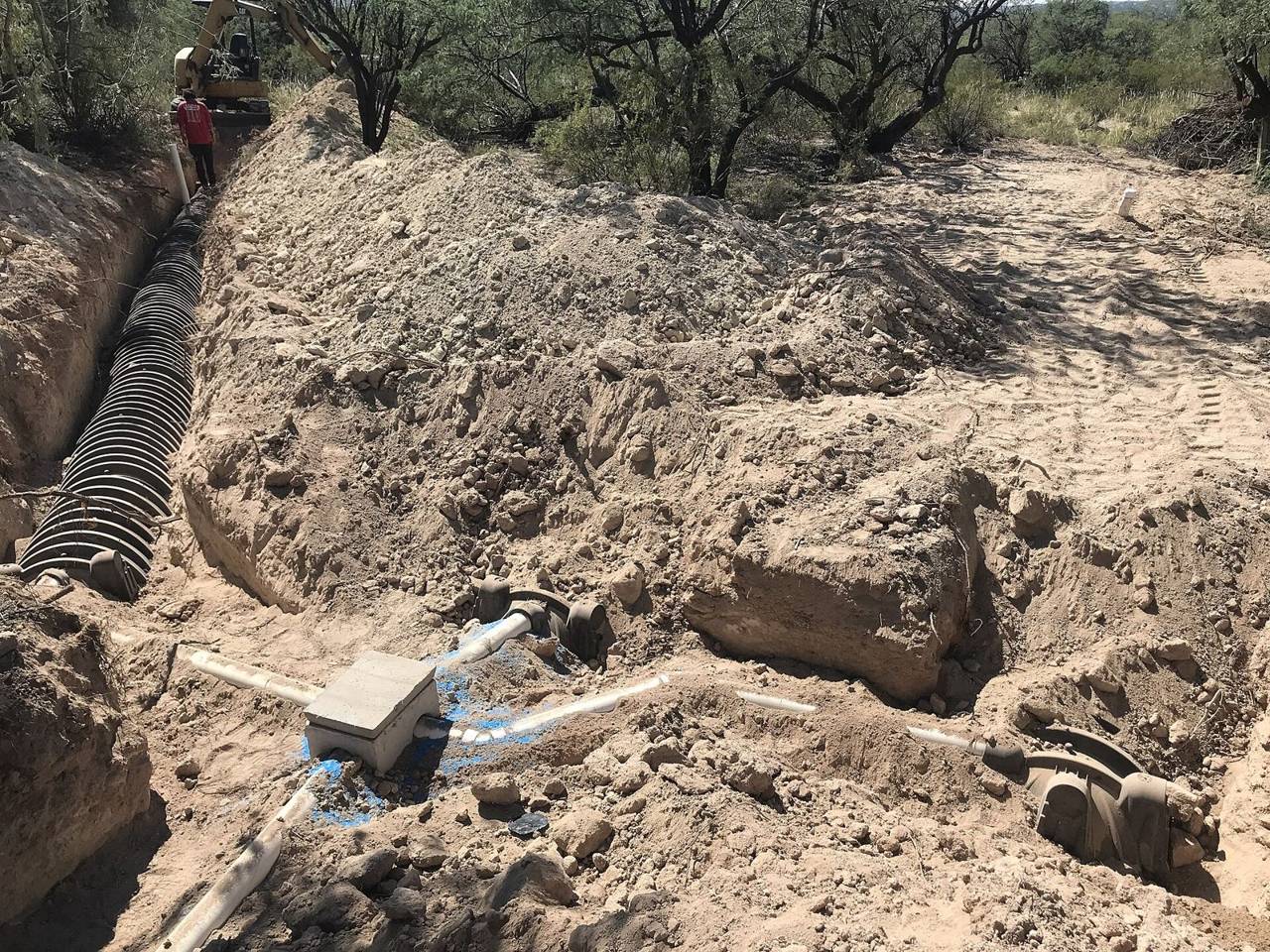
The type of system follows the site. A conventional gravity system suits deeper, well-drained soil. Where soil is thin or the lot is small, a design with an aerobic treatment unit and spray or drip disposal is more common. Each option has different space needs, power requirements and long-term upkeep, and an aerobic system adds a required maintenance contract with a TCEQ-licensed provider. Construction day brings a crew, an excavator and sometimes a crane to set the tank. We stage materials so as little of your yard as possible is torn up, protect heritage trees where we can and keep the permit available for the inspector. The inspector visits before backfilling to confirm that everything matches the approved plan. Whichever design fits, the goal is the same: treat the water well enough to protect nearby wells, creeks and the aquifer below.
Permitting is the gate to everything else. Properties inside the City of Austin's jurisdiction go through the city's septic program, and unincorporated Travis County properties go through Travis County Transportation and Natural Resources. A property near the edge of the city may be a surprise either way, so we advise confirming with both before paying for a design. Once approved, installation follows the plan, and an inspector signs off before anything is covered. After the inspection passes, you receive your records. Keep the as-built drawing, the permit, the maintenance contract for an aerobic system and the manual. You will need them for repairs, resales and future questions. We walk you through the control panel, alarms and your yearly care tasks.
What to know in Southwest Austin
Lot size and building plans
The system is sized by the number of bedrooms and expected use, not by the lot. Planning a guest house, a pool or a future addition? Tell the designer now, since adding bedrooms later can require re-permitting a larger system. Costs vary enormously. A basic conventional install is on one end and a fully engineered aerobic system with drip dispersal on the other. General market ranges are wide, so treat any number as a starting point until a design exists.
Excavation in rock
Tank holes and trenches in limestone can require breakers or rock saws, and that raises cost and schedule. A site evaluation helps predict where rock will be shallow, but some surprises only show up when the ground is opened. Try to schedule the work around your building project. Septic trenching and a foundation pour can conflict, and heavy equipment can crush a finished field. Plan sequence, access and staging with your builder.
Aquifer-zone requirements
Parts of Southwest Austin sit over the Edwards Aquifer recharge or contributing zone, where extra protection rules can apply. Ask the permitting office early whether your parcel is in one of those areas, since it can change design and review time. Think about electricity. Aerobic systems need a dedicated circuit, and a long run from the house to the tank adds cost. An electrician familiar with septic panels can save you trouble.
Signs you may need septic system installation
- A repair estimate shows the tank or field has failed beyond fixing
- Your property was never permitted or has no records on file
- A buyer, lender or inspector flags the system as noncompliant
- Repeated backups continue even after pumping and repair
How septic system installation works
Design and permitting come next. A designer prepares a plan sized to your home, usually based on the number of bedrooms and expected water use. The plan shows tank sizes, field layout, setbacks, elevations and equipment. The application, plan and fees then go to the local authority. In Hays County, for example, applications are reviewed by staff before an Authorization to Construct or approval is issued, and advanced or aerobic systems require a maintenance affidavit and an initial two-year maintenance contract with a licensed provider. The rules give permitting authorities a set review window, commonly about 30 days for a complete application, but timing varies, so ask your county. Do not break ground before you are approved. Use the waiting time to line up your electrical plan, your builder's schedule and your maintenance provider.
Once the permit is in hand, installation can start. Crews set the tanks level and watertight, run pipes with proper slope, install pumps, alarms, aerators and controls where the design calls for them, and build the disposal area exactly as drawn. Details matter. A tank set at the wrong depth, a pipe with a low spot or a trench dug in wet soil can cause trouble years later. Many work areas in this region involve rock, so excavation takes patience and the right equipment. We follow the approved plan, keep the county informed, and avoid shortcuts that would put your approval at risk. If site conditions force a change, the design must be updated and approved first. Weather also plays a part, since digging in saturated ground can smear soil and hurt how a field absorbs water.
What to expect on a Southwest Austin visit
- 01
Confirm the permitting authority
We begin by confirming which agency reviews septic permits for your address, since that differs between Hays County, Travis County, the City of Austin and neighboring counties. Then we discuss your plans for the home, including bedroom count, future additions, outbuildings and where a well or pool may go, because those choices affect system size and placement.
- 02
Site and soil evaluation
A TCEQ licensed site evaluator or professional engineer examines the lot, digs soil profile holes, records depth to rock and restrictive layers, and maps slopes, drainage and setbacks. We help you prepare the property so the evaluation goes smoothly, including marking the well, property corners and any features that limit where the system can go.
- 03
Design and plan approval
A designer selects a system type that fits the evaluation, sizes it for the home and prepares the drawings. We review the plan with you in plain language so you know what is being built and why. The application goes to the permitting authority, and we respond to any questions or corrections that come back.
- 04
Excavation and tank setting
After approval, we stake the layout and excavate. Tanks are set on a prepared base, leveled and checked for watertight joints. Hill Country rock can slow this stage, so we plan access and equipment ahead of time. We protect trees, wells and utilities where we can and keep you updated as the work moves along.
- 05
Field, controls and connections
Next we build the disposal area as drawn, whether that is trenches, spray heads, drip lines, a dosing system or a mound. For aerobic and pumped systems, we install pumps, aerators, alarms and electrical connections. We then connect the home to the tank, check slopes and flow, and test the equipment before anything is covered.
- 06
Inspection, startup and handoff
The permitting authority inspects the installation, and we address anything it flags. Once approved, we backfill and finish grading. We walk you through lids, alarms, maintenance duties and your required contract, then leave you with the paperwork you need to keep on file. We also explain who to call if an alarm goes off or something seems wrong.
Our approach in Southwest Austin
- We locate and open your tank, aerobic unit and dispersal area, including buried lids common on older Southwest Austin properties
- We explain what we find in plain language, with photos where they help
- Repairs and installs are planned around Travis County permitting requirements
- You get written options before any repair work begins
- Aerobic visits are recorded for your maintenance contract
Septic conditions around Southwest Austin
How do you confirm your wastewater status? Austin Water maintains an interactive map of OSSF jurisdiction that also shows whether a parcel sits on the Edwards Aquifer Recharge Zone or in the Barton Springs segment. Check it along with your utility bill. A wastewater line item means you are likely on city sewer. Water-only bills, or a private well, usually point to septic. Older permits are often available from the city. The distinction matters when you buy a home. An older Southwest Austin lot with mature trees may have a tank placed decades ago, with records that are incomplete. An inspection helps you learn the tank location, the system type and the field condition, and it identifies whether the home would be a candidate to connect to the city sewer if a line becomes available nearby.
Septic System Installation questions from Southwest Austin homeowners
How long does it take to install a septic system near Austin?
The physical install can take a few days, but the full timeline is dominated by evaluation, design and permit review. Weather, rock and inspection scheduling add more. Ask the permitting office for current review times, because they vary through the year, and avoid committing to a move-in date until the permit is approved. Build the permit wait into your project schedule.
Why would my lot need an aerobic system instead of a conventional one?
Aerobic systems treat water more fully before it reaches the soil, so they work on lots with shallow soil, high rock or limited space. The tradeoff is power use, more parts and the required maintenance contract with a TCEQ-licensed provider. The site evaluation will point to which designs are allowed on your parcel. We can walk through maintenance costs before you choose.
What should I have ready before asking for an installation estimate?
Bring your plat or survey, the planned number of bedrooms, the building footprint and the location of any well, creek or easement. If a previous permit exists, bring it. With those details an estimate can be much more specific, though costs vary widely with design, rock and how far the tank sits from the house. A rough sketch of the lot also helps a great deal.
How long does septic installation take from start to finish?
The physical installation often takes days, but the whole project takes longer because of evaluation, design, permit review and scheduling. Many counties work within a review window of about a month for a complete application, though timing varies. Weather, rock, and inspection scheduling can also move the date, so plan ahead before your build. A realistic schedule also leaves room for corrections the county may ask for after its first review.
What is the difference between a conventional and an aerobic system?
A conventional system relies on a septic tank and a soil-based trench field, with gravity doing most of the work. An aerobic system adds an air-driven treatment unit that cleans the wastewater more before it goes to a spray or drip field. Aerobic systems are common in shallow soil, and they require a maintenance contract with a licensed provider. Both types can work well when they match the site and are cared for properly over the years.
Why does my Hill Country lot need an advanced system?
Thin soil over limestone, clay pockets, high groundwater or tight setbacks can make a conventional trench field unworkable. State rules require an alternative design when soil is unsuitable or a restrictive layer is present. Spray, drip, low pressure dosing and mound designs are the usual answers. Your site evaluation decides which options your lot allows. It is better to learn this at the evaluation stage than after buying land or hiring a builder.
More about septic system installation → · All septic services in Southwest Austin →
Need septic system installation in Southwest Austin?
Call or send a request. We will ask a few questions about your system and the property, then schedule a visit.