Lakeway · Travis County
Septic System Installation in Lakeway, TX
Installing a septic system near Lakeway begins with a site and soil evaluation. Rock depth, slope, the distance to Lake Travis and neighboring wells all affect what design is allowed. The permit may come from Travis County or the LCRA depending on the address. We outline realistic options for your lot before any work begins. We also explain the maintenance each design will need after installation, so there are no surprises later.
Septic System Installation for Lakeway homes
Most new homes in Lakeway tie into a utility, so a septic installation here is usually tied to a special lot. It might be acreage in the area around the city, a lot beyond the reach of the sewer, or a rebuild of an older home that already has a tank. Septic system installation in Lakeway begins with a simple question: is sewer available at your address? Call the utility and ask for written confirmation, including the connection costs, before deciding on a septic system. The conversation about sewer versus septic should include the long term. A septic system is yours to maintain, with pumping, inspections, and sometimes a maintenance contract. A utility connection brings monthly fees instead. Neither is free, so compare the whole picture.
If septic is the answer, the next step is a site and soil evaluation. A qualified evaluator examines soil depth, texture, slope, and signs of saturation, and measures distances to wells, drainage ways, and the lake. Those findings decide what the site can host. With thin soil over limestone and sloping lots, many lake-area designs use aerobic treatment with spray or drip disposal. The design goes to the authorized agent. Within 2,000 feet of Lake Travis, that is LCRA, which inspects the site and issues a construction permit, then a separate permit to operate after completion. Lot choice matters. If you are shopping for land, ask for the soil evaluation before closing, since a lot that cannot support a system may be worth far less than it looks. A few days of testing can protect a major purchase.
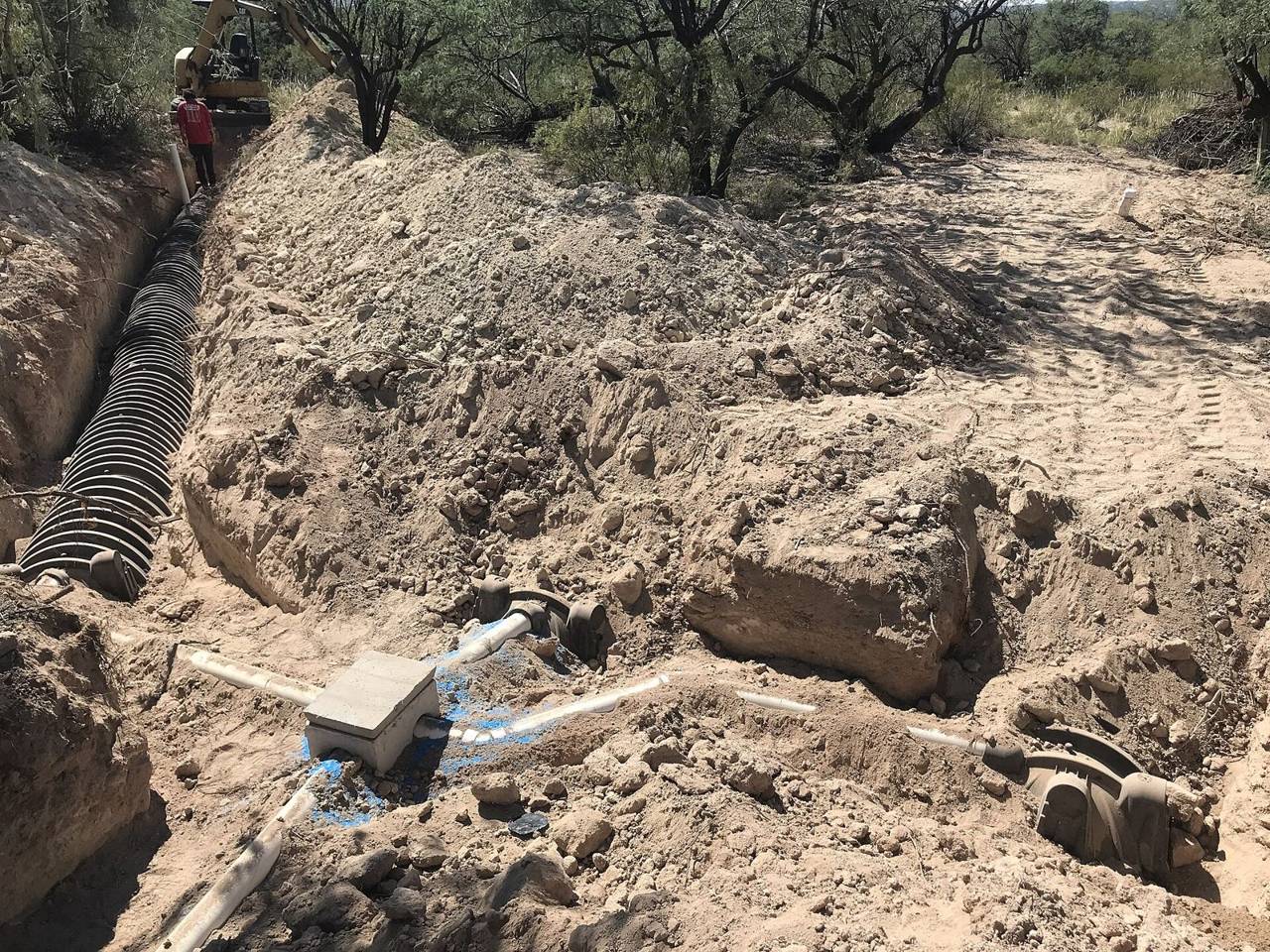
Construction follows approval. We stake the layout, excavate, set tanks, make the connections, install the disposal system, and schedule inspections before anything is buried. Rock can slow the work, and access on tight or steep lots may call for smaller equipment. For an aerobic system, a maintenance contract with a licensed provider must be in place. We walk you through the process, from first call to the final approval, and help you gather the paperwork you will need when the property changes hands. We prefer to explain each step in terms you can use, like which person is responsible for the permit, who orders the tank, and when the final approval happens. Keeping those hand-offs clear avoids delays and finger-pointing between builders, designers, and installers.
What to know in Lakeway
Two permits near the lake
Inside LCRA's zone, there is a construction permit before work and a permit to operate after the system is finished and approved. Skipping or delaying the second step can cause trouble at sale. Ask the agency for the full list of steps and fees before you begin. Ask LCRA or the county for current forms, since versions change and old ones may be refused.
Site constraints on lakeside lots
Narrow lots, steep drops, and shoreline setbacks reduce options. A designer may recommend a smaller footprint system such as drip dispersal. Treat the evaluation as a design tool, not just paperwork, and bring it into early house planning. Plan for temporary construction access and where to store excavated rock.
Sewer versus septic cost
Connecting to a utility can cost real money for line extensions and fees, while installing septic costs many thousands of dollars plus maintenance. Compare both in writing. These are general market figures. The right answer depends on distance to the line, soil, and long-term costs. Be sure the plan shows the reserve area for a future replacement field.
Signs you may need septic system installation
- Your existing system is too small for added bedrooms or a guest house
- A repair estimate shows the tank or field has failed beyond fixing
- Your property was never permitted or has no records on file
- A buyer, lender or inspector flags the system as noncompliant
How septic system installation works
System choice follows the soil. Where the ground is deep and drains well, a conventional gravity system with a tank and trench field may be approved. Where soil is thin, rocky, clay heavy or too close to groundwater, state rules call for an alternative system. Common options in our area include aerobic treatment units paired with spray irrigation, subsurface drip disposal, low pressure dosing, and raised mound beds. Each has strengths and costs. Aerobic systems treat wastewater more thoroughly but need power, moving parts and a maintenance contract. Gravity systems are simpler but need good ground. Your designer will explain what the evaluation allows and what the county will accept. We do not push one type over another. The right choice is the one the soil allows and you can afford to maintain.
Design and permitting come next. A designer prepares a plan sized to your home, usually based on the number of bedrooms and expected water use. The plan shows tank sizes, field layout, setbacks, elevations and equipment. The application, plan and fees then go to the local authority. In Hays County, for example, applications are reviewed by staff before an Authorization to Construct or approval is issued, and advanced or aerobic systems require a maintenance affidavit and an initial two-year maintenance contract with a licensed provider. The rules give permitting authorities a set review window, commonly about 30 days for a complete application, but timing varies, so ask your county. Do not break ground before you are approved. Use the waiting time to line up your electrical plan, your builder's schedule and your maintenance provider.
What to expect on a Lakeway visit
- 01
Confirm the permitting authority
We begin by confirming which agency reviews septic permits for your address, since that differs between Hays County, Travis County, the City of Austin and neighboring counties. Then we discuss your plans for the home, including bedroom count, future additions, outbuildings and where a well or pool may go, because those choices affect system size and placement.
- 02
Site and soil evaluation
A TCEQ licensed site evaluator or professional engineer examines the lot, digs soil profile holes, records depth to rock and restrictive layers, and maps slopes, drainage and setbacks. We help you prepare the property so the evaluation goes smoothly, including marking the well, property corners and any features that limit where the system can go.
- 03
Design and plan approval
A designer selects a system type that fits the evaluation, sizes it for the home and prepares the drawings. We review the plan with you in plain language so you know what is being built and why. The application goes to the permitting authority, and we respond to any questions or corrections that come back.
- 04
Excavation and tank setting
After approval, we stake the layout and excavate. Tanks are set on a prepared base, leveled and checked for watertight joints. Hill Country rock can slow this stage, so we plan access and equipment ahead of time. We protect trees, wells and utilities where we can and keep you updated as the work moves along.
- 05
Field, controls and connections
Next we build the disposal area as drawn, whether that is trenches, spray heads, drip lines, a dosing system or a mound. For aerobic and pumped systems, we install pumps, aerators, alarms and electrical connections. We then connect the home to the tank, check slopes and flow, and test the equipment before anything is covered.
- 06
Inspection, startup and handoff
The permitting authority inspects the installation, and we address anything it flags. Once approved, we backfill and finish grading. We walk you through lids, alarms, maintenance duties and your required contract, then leave you with the paperwork you need to keep on file. We also explain who to call if an alarm goes off or something seems wrong.
Our approach in Lakeway
- We locate and open your tank, aerobic unit and dispersal area, including buried lids common on older Lakeway properties
- We explain what we find in plain language, with photos where they help
- Repairs and installs are planned around Travis County permitting requirements
- You get written options before any repair work begins
- Aerobic visits are recorded for your maintenance contract
Septic conditions around Lakeway
Lakeway is a mostly built-out lakeside city with golf, marinas and large homes along RR 620 and Lohmans Crossing. Because it grew with a central utility in mind, a large share of homes connect to sewer through Lakeway Municipal Utility District, which provides wastewater service to a portion of the city and some nearby areas. If your home is on the district's sewer, you do not own a septic tank, and we will tell you that honestly. Septic systems still exist in specific pockets. Local reporting has noted older sections of the city, such as Section 17, where homes use septic, though the details may have changed over time. Beyond the city limits, acreage and ranch properties on the roads west and north of Lakeway are almost entirely on septic. Those lots are where most of our Lakeway-area calls come from.
Septic System Installation questions from Lakeway homeowners
Can I get septic approval for a lot near Lake Travis?
Possibly, if the soil, slope, and setbacks allow. LCRA handles permits within 2,000 feet of the lake, and it inspects the site before issuing a construction permit. A failed soil evaluation or a lot too small to meet setbacks can block approval, so evaluate the lot before buying or building. Request a written timeline that lists the design, permit, install, and inspection steps.
How long does it take to get a permit in the lake zone?
It depends on the agency's workload and the completeness of your application. A site inspection, plan review, and permit issuance take time, and errors cause delays. Start early, submit complete forms, and use the current versions the agency requires. We cannot promise a date, but a clean application helps. If a builder bundles septic into a contract, ask for the system type and brand to be listed.
Do I need an aerobic system in Lakeway?
Not always. The soil evaluation and the design standards decide. Shallow rock, steep slopes, or close proximity to water often point to an aerobic system, while deeper soil may allow a conventional one. Ask the designer to explain every approved option and what each will cost to operate. Decide on maintenance in advance, since aerobic systems must have a contract from day one.
Do I need a permit to install a septic system in Texas?
Yes, in most cases. Texas on-site sewage rules under 30 TAC Chapter 285 call for a permit through the local authorized agent, which for most of Hays County is Hays County Development Services. A site evaluation and a designed plan are normally part of the application. Tract size and local rules can change the details, so confirm with the county. Starting with a call to the permitting office is the quickest way to learn what your property needs.
How long does septic installation take from start to finish?
The physical installation often takes days, but the whole project takes longer because of evaluation, design, permit review and scheduling. Many counties work within a review window of about a month for a complete application, though timing varies. Weather, rock, and inspection scheduling can also move the date, so plan ahead before your build. A realistic schedule also leaves room for corrections the county may ask for after its first review.
What is the difference between a conventional and an aerobic system?
A conventional system relies on a septic tank and a soil-based trench field, with gravity doing most of the work. An aerobic system adds an air-driven treatment unit that cleans the wastewater more before it goes to a spray or drip field. Aerobic systems are common in shallow soil, and they require a maintenance contract with a licensed provider. Both types can work well when they match the site and are cared for properly over the years.
More about septic system installation → · All septic services in Lakeway →
Need septic system installation in Lakeway?
Call or send a request. We will ask a few questions about your system and the property, then schedule a visit.