Johnson City · Blanco County
Septic System Installation in Johnson City, TX
Installing a septic system on Blanco County acreage begins with a soil and site evaluation, then a design that fits the home, the rock depth and the well location. Confirm the permit authority with Blanco County and TCEQ before you start. We describe realistic options, including aerobic systems with spray or drip dispersal, before any equipment arrives. We also explain the upkeep each design needs and what the reviewing office is likely to want to see.
Septic System Installation for Johnson City homes
Putting in a septic system for a home near Johnson City starts with a question: will the lot support one? A site and soil evaluation answers it, looking at soil depth, texture, slope, floodplain, wells and property lines. In this part of the Hill Country the answer often involves shallow limestone, which shapes both the type of system and the cost. Ask your designer how they handle drainage, because water moving across a lot can undermine a field. Johnson City properties vary, from open ranch land to wooded lots with draws, and the design should keep stormwater away from tanks and fields. Grading, swales and the field's position on the slope all affect long-term performance and are worth discussing before construction.
Design options follow the ground. Where soil is deep enough, a conventional gravity system may work. Where it is thin or the lot is small, an aerobic treatment unit with spray or drip dispersal is common. Aerobic systems add power needs and a required maintenance contract with a TCEQ-licensed provider. Your designer should explain each option's footprint, upkeep and lifetime costs in plain terms. An aerobic design adds more to plan for. You need a dedicated electrical circuit, a control panel in a protected place, a spray or drip layout and an access plan for service. You also need a TCEQ-licensed maintenance provider under contract. Compare the monthly and annual costs of those items with a conventional system's costs before deciding what suits your budget.
Permitting comes next. For properties outside the city, Blanco County handles on-site sewage permits, so confirm the application steps, fees and inspections with the county before paying for design. If your parcel is near Johnson City's sewer lines, ask the city whether connecting is possible, since sewer can be simpler over time. Once a permit is issued, the installer builds to the approved plan and an inspection is scheduled before the system is covered. When construction is finished, you should receive the approved plan, the as-built drawing, inspection sign-offs and the operating instructions. Put them in a folder and keep a digital copy. When you sell, repair or add on, those documents save time and show buyers and regulators that the system was built and inspected properly.
What to know in Johnson City
Fit with the building site
House, driveway, well, barn and field all compete for the same acreage. Lay them out together. A field placed first, on the best soil, gives you a clearer plan for where the home and outbuildings go. Discuss tree clearing early. Removing cedar and brush can be needed for the field and trenches, but it changes drainage. A plan that keeps important shade trees while protecting the field is possible with care.
Excavation and equipment access
Limestone can mean rock saws or hammers, which affects schedule and cost. Narrow gates, cattle guards and steep drives limit equipment. Walk the route with your installer and discuss any trees or fences that need to be moved. Ask about permit expiration and inspection scheduling. Some permits have time limits, and inspections must happen before backfill. A delayed inspection can hold up the work.
Choosing the right installer
Ask for a licensed installer, local references and a written scope. Check what is covered if rock is bigger than expected, what happens on inspection day and who handles records. Clear terms prevent disputes and delays. Ask for a start-up walk-through. Seeing how the system runs on day one teaches you its sounds and signs, and makes later problems easier to spot.
Signs you may need septic system installation
- A buyer, lender or inspector flags the system as noncompliant
- Repeated backups continue even after pumping and repair
- You are converting a cabin, barn or shop into living space
- You are building a new home or cabin where no sewer line is available
How septic system installation works
After the equipment is in, the county inspects the system before it is covered or approved for use. Inspectors check tank placement, pipe work, the field and, for advanced systems, controls and alarms. Once the system passes, you can cover and landscape, and the paperwork is filed. Plan for the first year to be a learning period. Learn where your tank lids are, what the alarm sounds like, which breaker feeds the aerator, and who holds your maintenance contract. Keep your permit, plan and inspection records in one folder, because buyers, lenders and inspectors will ask for them later. A well designed and carefully installed system can serve a household for many years. Treat the system as part of the home, with its own schedule, rather than something you can forget about.
A new septic system is one of the largest decisions you will make on a rural property, and it starts before anyone brings in a backhoe. In Texas, on-site sewage facilities (OSSFs) are regulated under 30 TAC Chapter 285, which is administered by TCEQ. Day to day, though, your local permitting authority makes the call. Most of Hays County is handled by Hays County Development Services. Unincorporated Travis County has its own program, the City of Austin handles septic inside its jurisdiction, and Blanco and Burnet counties have their own arrangements. Septic installation in Dripping Springs therefore begins with finding out who will review your plans, because their rules shape the whole project. Asking that question first saves weeks of rework, and it keeps your budget honest from the start.
What to expect on a Johnson City visit
- 01
Confirm the permitting authority
We begin by confirming which agency reviews septic permits for your address, since that differs between Hays County, Travis County, the City of Austin and neighboring counties. Then we discuss your plans for the home, including bedroom count, future additions, outbuildings and where a well or pool may go, because those choices affect system size and placement.
- 02
Site and soil evaluation
A TCEQ licensed site evaluator or professional engineer examines the lot, digs soil profile holes, records depth to rock and restrictive layers, and maps slopes, drainage and setbacks. We help you prepare the property so the evaluation goes smoothly, including marking the well, property corners and any features that limit where the system can go.
- 03
Design and plan approval
A designer selects a system type that fits the evaluation, sizes it for the home and prepares the drawings. We review the plan with you in plain language so you know what is being built and why. The application goes to the permitting authority, and we respond to any questions or corrections that come back.
- 04
Excavation and tank setting
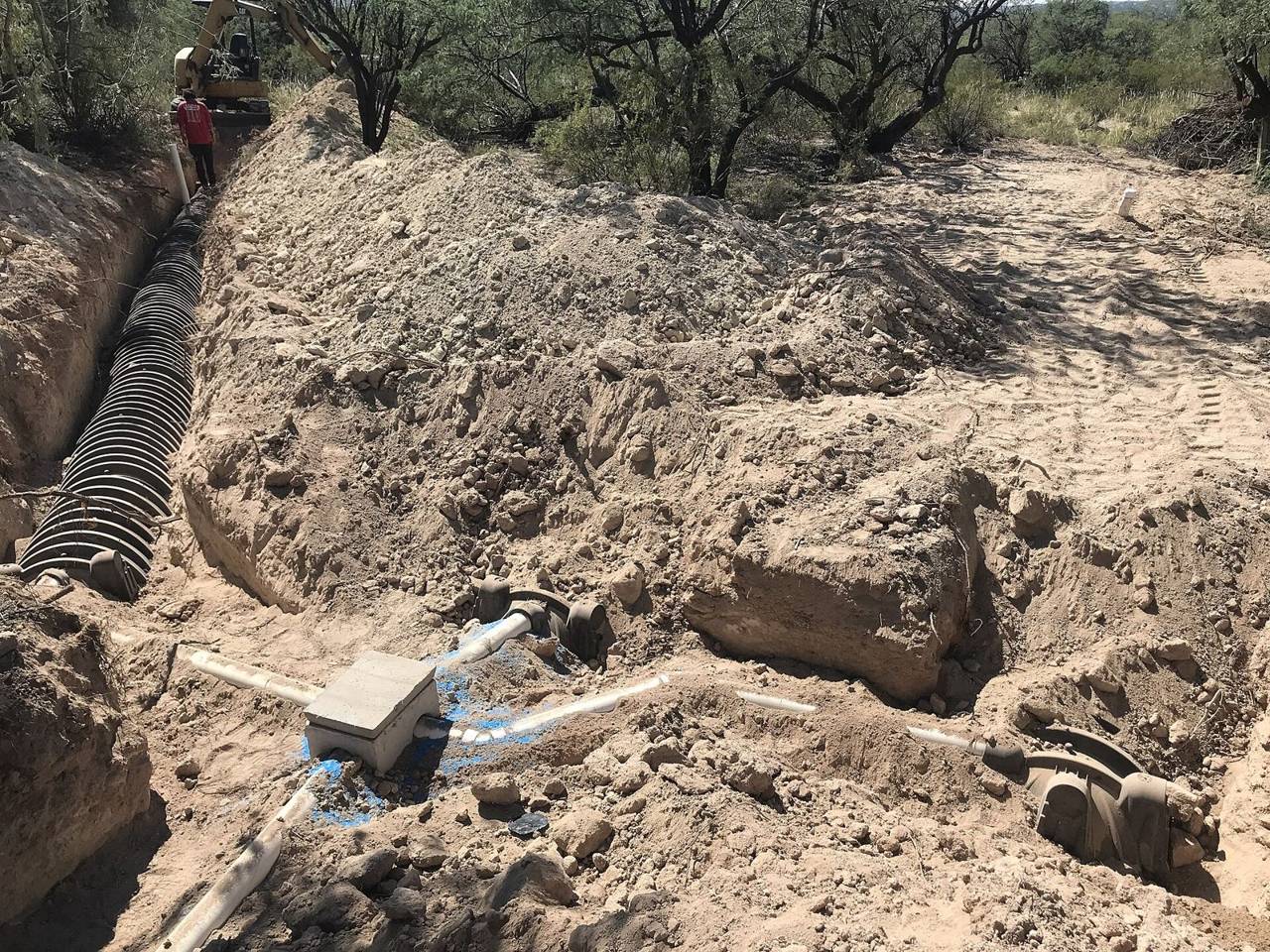
After approval, we stake the layout and excavate. Tanks are set on a prepared base, leveled and checked for watertight joints. Hill Country rock can slow this stage, so we plan access and equipment ahead of time. We protect trees, wells and utilities where we can and keep you updated as the work moves along.
- 05
Field, controls and connections
Next we build the disposal area as drawn, whether that is trenches, spray heads, drip lines, a dosing system or a mound. For aerobic and pumped systems, we install pumps, aerators, alarms and electrical connections. We then connect the home to the tank, check slopes and flow, and test the equipment before anything is covered.
- 06
Inspection, startup and handoff
The permitting authority inspects the installation, and we address anything it flags. Once approved, we backfill and finish grading. We walk you through lids, alarms, maintenance duties and your required contract, then leave you with the paperwork you need to keep on file. We also explain who to call if an alarm goes off or something seems wrong.
Our approach in Johnson City
- We locate and open your tank, aerobic unit and dispersal area, including buried lids common on older Johnson City properties
- We explain what we find in plain language, with photos where they help
- Repairs and installs are planned around Blanco County permitting requirements
- You get written options before any repair work begins
- Aerobic visits are recorded for your maintenance contract
Septic conditions around Johnson City
Weather around Johnson City can be harsh on septic systems. Long dry spells shrink clay soils and can crack lines, loosen lids and expose pipes. Then a fast storm hits, and the Pedernales River and the smaller creeks around town rise quickly, flooding low-lying yards and saturating drain fields. Thin soil on slopes sheds water rapidly, but fields at the base of a slope may stay soggy long afterward. Spread out laundry and dishwasher loads during wet periods, and avoid pumping a tank when the ground is saturated. Watch for slow drains, odors, wet areas and alarms. Out here, help can be a long drive away, so a basic understanding of your system and a routine maintenance schedule are your best protection against surprise failures during a holiday weekend. Knowing where your tank and lids are, and writing it down, saves time in a real emergency.
Septic System Installation questions from Johnson City homeowners
What permits do I need for a new septic system in Blanco County?
An on-site sewage facility permit from the county, supported by a site evaluation and design. Building permits and other approvals may also apply. Contact Blanco County to confirm current forms, fees and the sequence, since local arrangements can change. Local rules can require a licensed professional for design and installation. Ask for a copy of credentials and check them. Skipping this step can cost you an approval and money.
How long does septic installation take in total?
The construction can take a few days, but evaluation, design and permit review often take longer. Weather, rock and inspector schedules add time. Plan for the full process when you set a move-in date, and ask the county for current review times. Not always. If sewer is available at your property line, connecting may be possible, and the city can explain the requirements. If not, a septic system is the normal option outside town.
Should I connect to city sewer instead if I can?
If your property is inside the city's service area or close to a line, ask about connection costs and fees. Sewer removes the need for a field and tank maintenance but has its own charges. Compare both options before you commit to a septic design. Yes, typically. Lot size, soil depth, bedroom count and distance from a well all influence price. Treat any number before design as a rough guide, and get a written quote when the plan is final.
Why does my Hill Country lot need an advanced system?
Thin soil over limestone, clay pockets, high groundwater or tight setbacks can make a conventional trench field unworkable. State rules require an alternative design when soil is unsuitable or a restrictive layer is present. Spray, drip, low pressure dosing and mound designs are the usual answers. Your site evaluation decides which options your lot allows. It is better to learn this at the evaluation stage than after buying land or hiring a builder.
Can I install my own septic system?
Rules differ by location and use. Hays County states that a homeowner may install their own residential system, while a system for commercial use, including a rental house, must be installed by a licensed installer. You would still need a permit, an approved plan and an inspection. Check with your county about what applies to you. We can explain the steps and help you prepare, but the county has the final say on what is allowed.
How much does a new septic system cost?
Costs vary widely. As a general market range, simple conventional designs can cost several thousand dollars, while aerobic and mound systems often cost well into five figures once evaluation, design, permit fees and rock excavation are included. These are broad ranges, not our pricing. The site evaluation and design are what produce a reliable number. Plan for a cushion in your budget, since rock and access can change the final figure on hard lots.
More about septic system installation → · All septic services in Johnson City →
Need septic system installation in Johnson City?
Call or send a request. We will ask a few questions about your system and the property, then schedule a visit.