Bee Cave · Travis County
Septic System Installation in Bee Cave, TX
Installing a septic system near Bee Cave starts with a soil and site evaluation by a licensed professional. Shallow rock, slope and nearby drainages often push designs toward aerobic treatment with spray or drip dispersal. The permit goes through the city, Travis County or the LCRA depending on the address. We explain your options before any equipment shows up. You also get a clear explanation of the permit steps, the likely timeline drivers and what the county or city will want to see.
Septic System Installation for Bee Cave homes
Building a new home on acreage west of the Bee Cave city center or out toward Hamilton Pool Road often means installing your own septic system. Septic system installation in Bee Cave starts with the question of whether sewer is available at all. Some lots can connect to a utility such as the West Travis County Public Utility Agency, and others cannot. If you cannot, the system you install will shape your house plan, your landscape, and your budget, so it deserves attention at the start. If the lot is large, there may be more than one workable spot for a field. A good designer will compare locations by soil depth, slope, and distance from the house, then pick the one that leaves the best view and the least cost to maintain.
The process begins with a site and soil evaluation by a qualified evaluator. They examine soil depth, texture, signs of saturation, slope, and distances to wells, creeks, and property lines. The results determine which designs the site can support. In Bee Cave, shallow limestone and steep slopes often push the design toward aerobic treatment with drip or spray disposal, since a conventional trench field may not fit. Once the design is ready, it goes to the permitting authority, which is Travis County in unincorporated areas, LCRA for lots in its lake zone, or the city for lots inside it. Costs should be discussed openly. Installed systems commonly run from many thousands of dollars upward, and drip or aerobic designs cost more than a basic gravity layout. We prefer to lay out the main cost drivers rather than guess a number before the site is evaluated.
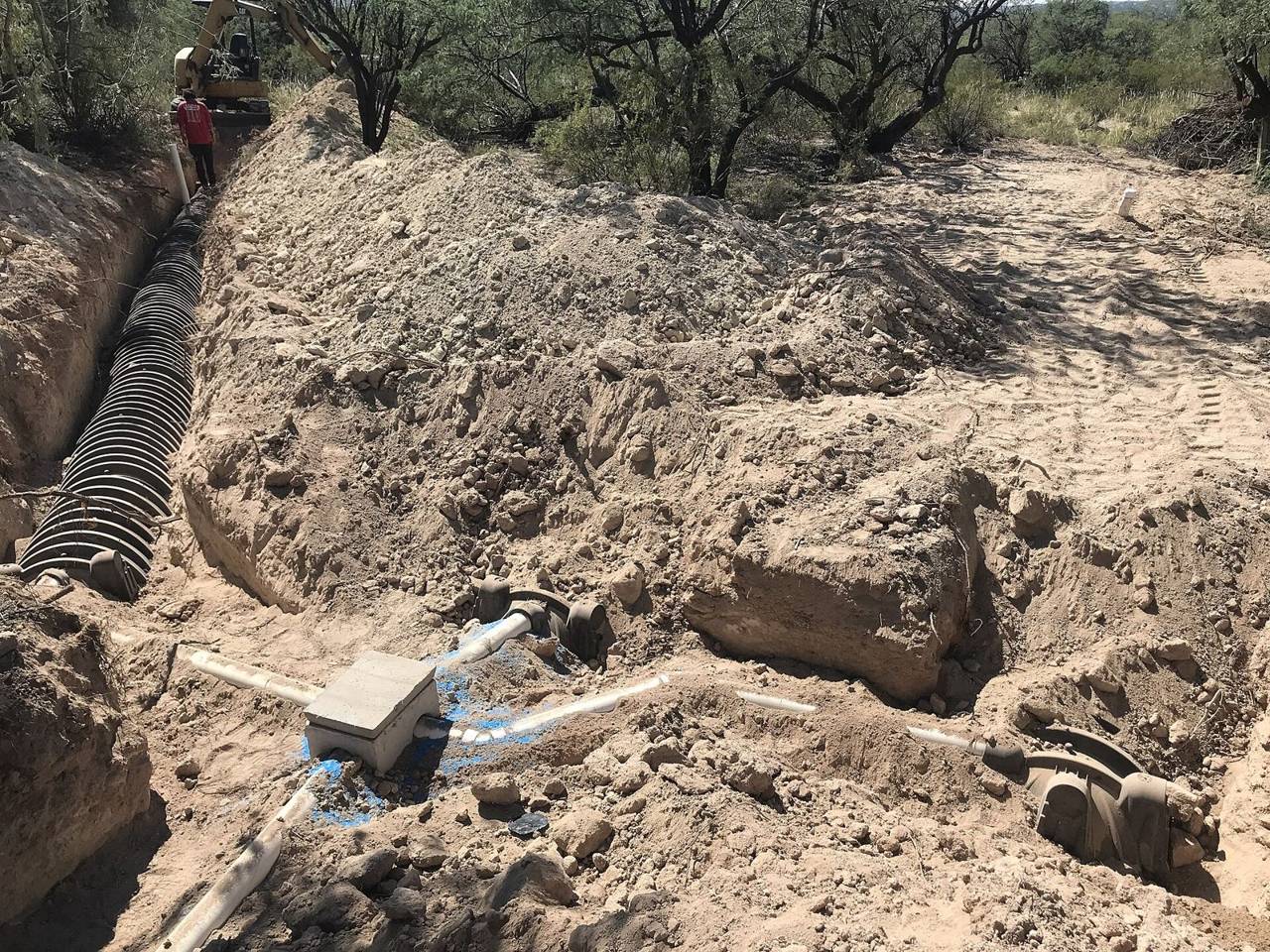
After approval, construction begins. We lay out the system, excavate, set tanks, plumb the connections, install the field or distribution lines, and arrange the required inspections before covering. Rock excavation can change the schedule, so a plan for hauling and breaking stone helps. If you install an aerobic system, you will need a maintenance contract with a licensed provider from the start. We walk you through what will be buried in your yard, what stays visible, and how to keep records for the day you sell. Finally, plan the paperwork. Keep the permit, the as-built drawing, the inspection approvals, and the maintenance contract together. A lender, a buyer, or an authority may ask for them years from now, and a complete file makes any transaction smoother.
What to know in Bee Cave
Design the house and system together
The best fields use the best soil, and the best soil may not be where you want the patio. Bringing a soil evaluation into early planning can keep the house, driveway, and pool out of areas the septic system needs. Moving a house is cheap on paper and expensive after clearing. Ask whether your builder or a separate contractor handles the septic scope, so no step falls between them.
Rock excavation and access
Digging in limestone takes heavier equipment and more time than digging in soil, and steep or narrow access adds cost. Ask for a plan covering rock, hauling, and restoration. Costs for installed systems commonly run into many thousands of dollars, and are general market figures that vary by site. Plan for utility trenches. Electric to the compressor and pump tank is part of an aerobic installation.
Know your jurisdiction early
Travis County, LCRA, and the city each have their own applications and timelines. Reviews can take weeks, and a mistake in the application restarts the clock. A quick call to confirm which office covers your parcel avoids submitting to the wrong one. Check setbacks from the lake, creeks, and wells before the house footprint is final.
Signs you may need septic system installation
- You are building a new home or cabin where no sewer line is available
- Your existing system is too small for added bedrooms or a guest house
- A repair estimate shows the tank or field has failed beyond fixing
- Your property was never permitted or has no records on file
How septic system installation works
The first technical step is the site and soil evaluation. A qualified evaluator, either a TCEQ licensed site evaluator or a professional engineer, studies the lot. That work commonly includes digging soil profile holes, looking at soil texture and depth to rock or a restrictive layer, mapping slopes, noting drainage paths and flood boundaries, and measuring distances to wells, creeks, property lines and buildings. The results decide which types of systems are even allowed. On many Hill Country lots, the evaluation will show shallow soil over limestone, and that single finding changes the design. It is far better to learn this on paper than after trenches are cut. Good evaluators also note things you cannot see from the driveway, such as buried rock ledges and seasonal wet areas.
System choice follows the soil. Where the ground is deep and drains well, a conventional gravity system with a tank and trench field may be approved. Where soil is thin, rocky, clay heavy or too close to groundwater, state rules call for an alternative system. Common options in our area include aerobic treatment units paired with spray irrigation, subsurface drip disposal, low pressure dosing, and raised mound beds. Each has strengths and costs. Aerobic systems treat wastewater more thoroughly but need power, moving parts and a maintenance contract. Gravity systems are simpler but need good ground. Your designer will explain what the evaluation allows and what the county will accept. We do not push one type over another. The right choice is the one the soil allows and you can afford to maintain.
What to expect on a Bee Cave visit
- 01
Confirm the permitting authority
We begin by confirming which agency reviews septic permits for your address, since that differs between Hays County, Travis County, the City of Austin and neighboring counties. Then we discuss your plans for the home, including bedroom count, future additions, outbuildings and where a well or pool may go, because those choices affect system size and placement.
- 02
Site and soil evaluation
A TCEQ licensed site evaluator or professional engineer examines the lot, digs soil profile holes, records depth to rock and restrictive layers, and maps slopes, drainage and setbacks. We help you prepare the property so the evaluation goes smoothly, including marking the well, property corners and any features that limit where the system can go.
- 03
Design and plan approval
A designer selects a system type that fits the evaluation, sizes it for the home and prepares the drawings. We review the plan with you in plain language so you know what is being built and why. The application goes to the permitting authority, and we respond to any questions or corrections that come back.
- 04
Excavation and tank setting
After approval, we stake the layout and excavate. Tanks are set on a prepared base, leveled and checked for watertight joints. Hill Country rock can slow this stage, so we plan access and equipment ahead of time. We protect trees, wells and utilities where we can and keep you updated as the work moves along.
- 05
Field, controls and connections
Next we build the disposal area as drawn, whether that is trenches, spray heads, drip lines, a dosing system or a mound. For aerobic and pumped systems, we install pumps, aerators, alarms and electrical connections. We then connect the home to the tank, check slopes and flow, and test the equipment before anything is covered.
- 06
Inspection, startup and handoff
The permitting authority inspects the installation, and we address anything it flags. Once approved, we backfill and finish grading. We walk you through lids, alarms, maintenance duties and your required contract, then leave you with the paperwork you need to keep on file. We also explain who to call if an alarm goes off or something seems wrong.
Our approach in Bee Cave
- We locate and open your tank, aerobic unit and dispersal area, including buried lids common on older Bee Cave properties
- We explain what we find in plain language, with photos where they help
- Repairs and installs are planned around Travis County permitting requirements
- You get written options before any repair work begins
- Aerobic visits are recorded for your maintenance contract
Septic conditions around Bee Cave
Weather in Bee Cave arrives in extremes. Summer droughts bake the thin soils, and the rocky ground can shift enough to loosen lids, crack buried lines and expose pipe edges. Then a hard storm can drop several inches in a few hours, and runoff races down slopes toward Barton Creek. Water that cannot soak into shallow soil sheets across the surface, and drain fields on lower parts of a slope can stay soggy for days. Pay attention to the signs after heavy rain: slow drains, gurgling pipes, a sewage smell near the tank or field, or lush green patches that appear in the middle of dry grass. Keep roof drains and sump discharge pointed away from your system. If an aerobic alarm sounds during or after a storm, do not ignore it, since power flickers and wet conditions can stop the pump or aerator.
Septic System Installation questions from Bee Cave homeowners
Can I connect to sewer instead of installing septic in Bee Cave?
Sometimes. Many central areas are served by utilities such as the West Travis County Public Utility Agency, but outlying lots may be too far from a line. Ask the utility whether service is available and what connection costs. If a line is not reasonably available, a septic or aerobic system is the usual route. Ask the installer about warranties on the tank and on the workmanship, and get the answers in writing.
How long does septic installation take in Bee Cave?
The physical work can take several days to a couple of weeks, depending on the system type and rock. The design and permit phase usually takes longer than the construction, so start early. Weather delays and inspection scheduling also matter. Build time for approvals into your construction schedule rather than treating them as a final step. Bring up any future pool, guest house, or addition now, so the system can be sized for it.
What type of system suits a Bee Cave lot?
It depends on the soil evaluation. Deep, well-draining soil may allow a conventional system. Shallow rock or slopes often call for an aerobic unit with drip or spray disposal. A licensed designer chooses what the authority will approve. Ask what each option costs to install and to maintain over the years. Confirm how the final inspection will be scheduled and who attends it.
Can I connect to city sewer instead?
Sometimes. If a sewer main runs close to your property and the utility allows a connection, it may be an option, but extensions can be costly or unavailable on rural roads. Areas near Buda, Kyle and San Marcos are often served by sewer, while much of the outlying Hill Country is not. Ask the utility before planning a septic system. We suggest checking with the utility early, since extension costs can change the whole decision.
Do I need a permit to install a septic system in Texas?
Yes, in most cases. Texas on-site sewage rules under 30 TAC Chapter 285 call for a permit through the local authorized agent, which for most of Hays County is Hays County Development Services. A site evaluation and a designed plan are normally part of the application. Tract size and local rules can change the details, so confirm with the county. Starting with a call to the permitting office is the quickest way to learn what your property needs.
How long does septic installation take from start to finish?
The physical installation often takes days, but the whole project takes longer because of evaluation, design, permit review and scheduling. Many counties work within a review window of about a month for a complete application, though timing varies. Weather, rock, and inspection scheduling can also move the date, so plan ahead before your build. A realistic schedule also leaves room for corrections the county may ask for after its first review.
More about septic system installation → · All septic services in Bee Cave →
Need septic system installation in Bee Cave?
Call or send a request. We will ask a few questions about your system and the property, then schedule a visit.