Wimberley · Hays County
Septic Inspections in Wimberley, TX
Wimberley real estate moves often, and a septic inspection is a standard part of buying a home here. We open the tank, check baffles and filters, test pumps, and look at the drain or spray field, paying attention to slopes where effluent can surface. For a rental or vacation property, we note how the system's capacity compares with the largest group that might stay. Your report can help in price negotiations or repair planning before closing.
Septic Inspections for Wimberley homes
A septic inspection in Wimberley deserves extra attention because of the setting. Much of the valley sits on or near water, and homes range from historic cottages to new construction on steep, wooded lots. Septic systems here vary just as widely. You may find a small old tank under a patio, a pair of tanks from a past addition, or a modern aerobic unit with drip lines threaded through oak roots. An inspection that fits one of those does not necessarily fit another, so we start by learning what you actually have. A buyer from out of town may not know that Wimberley has a long history of debate about septic systems near the center of the valley. We encourage you to ask the county about any local rules that apply to your address.
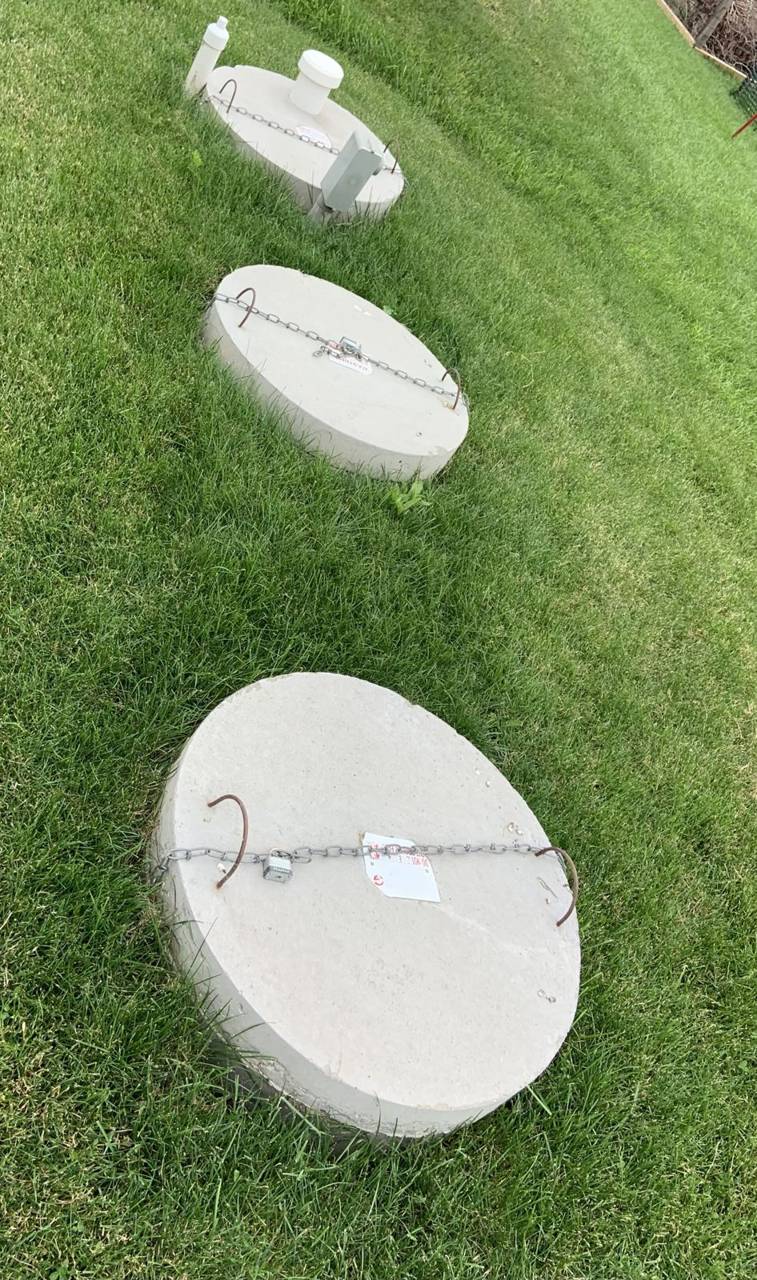
On the day of the inspection we find and open the lids, review the tank condition and liquid levels, and look at how the effluent leaves the tank. For aerobic systems we test the pump, aerator, floats and alarm, and walk the dispersal area. We also look at the location of the system relative to creeks, wells and slopes. In Wimberley, a field that is close to a drainage or a floodplain deserves a closer look, because rain events can carry untreated water directly into streams that feed the Blanco River. In older cottages, we also look for plumbing that was added over the years, such as a second bath or a laundry room, which may put more load on the tank than the permit assumed.
Because Wimberley has many second homes and rentals, usage matters as much as age. We ask how many people use the house, whether it is rented, and how many bedrooms the permit shows. Hays County Development Services is the first stop for permit records. A system permitted for a two-bedroom cabin that now hosts ten guests every weekend is overloaded by design. We explain what we found in plain terms so you can decide whether to buy, negotiate or plan upgrades. Ask us to focus on what matters for your plans. A weekend retreat has different needs than a full-time family home or a rental business. If the system is aerobic, we also compare the report dates against the contract. Gaps in service are worth knowing about before you take over the account.
What to know in Wimberley
Older cabins and hidden tanks
Historic cottages and small cabins may have tanks that were never documented, and lids that were covered by decks or landscaping. Allow time to find and uncover them. A buyer should ask the seller for any maps or records in advance. Ask for photos of each lid.
Rental history
If a home has been used as a vacation rental, the system may have seen heavy use. Ask for pumping records and any repairs. A system sized for a family can wear out quickly under constant guest turnover. Get pumping receipts.
Proximity to water
Septic systems close to creeks, springs or river banks carry more environmental risk if they fail. We note distances and visible drainage paths, and we flag concerns so you can discuss them with the county or a designer. Share your rental plans with us.
Signs you may need septic inspections
- Slow drains or gurgling that started recently
- Wet or smelly ground near the tank or field
- An aerobic system with an expired or missing maintenance contract
- An older system, or a home that sat empty for a long time
How septic inspections works
Texas does not appear to have a single statewide rule that forces every septic system to be inspected when a home sells. Central Texas real estate resources say as much, though you should confirm current rules with the county. That does not mean inspections are skipped. Buyers can ask for one through the contract, and sellers must disclose known problems under the Texas Property Code. Counties handle the paperwork side. Many permitting offices want the permit transferred to the new owner after a sale, and an aerobic system must stay under a valid maintenance contract. Ask your county permitting office what it needs at closing, because each authorized agent has its own forms and timelines. Keep copies of anything you sign or file, since transfer paperwork can matter years later when you sell.
Loans can change the picture. Appraisers for FHA and VA loans look at the property, including the septic system. Older HUD guidance says an inspection is not automatic, but it is called for when it is customary in the area, when the appraiser suspects a problem, or when problems are common locally. In those cases the loan can be conditioned on a report from a qualified professional or the local health authority. Requirements differ by lender and change over time, so ask your lender and your agent what they need before you schedule anything. We can give you a written report that describes what we saw, but the lender decides what it will accept. If your loan has special conditions, share them with us up front so the report covers what your lender wants to see.
What to expect on a Wimberley visit
- 01
Gather records and paperwork
We ask for any permit, as-built drawing, maintenance reports and pumping history you can share. If you do not have them, the county may. These records show the tank size, system type and any past problems, which helps us focus the inspection where it counts. Even partial records help. We note gaps.
- 02
Locate and open the tank
We find the tank lids, dig them out if needed and open them safely. We check the liquid level against the outlet, note any odors and look for signs of backup. Buried, damaged or unsafe lids are noted in the report so nothing is missed. Safety comes first at every open lid.
- 03
Inspect inside the tank
We check the inlet and outlet pipes, the baffles or tees and the effluent filter. We measure sludge and scum layers where possible. If a full view is needed, the tank may be pumped so we can inspect the walls and floor for cracks and leaks. We photograph what we find.
- 04
Test the field or spray area
We look at the drain field or the aerobic spray or drip area. We check for wet spots, odors, surfacing water and unusual grass growth. We may run water through the system to see how it responds and whether any line is leaking or blocked. Weather and recent use are noted.
- 05
Check aerobic components if present
For aerobic systems we test the alarm, the air pump, the control panel and the disinfection unit. We review maintenance reports and the tag on the system. Missing reports or an expired contract are noted so you know what to fix before closing. We list what to fix first. Findings go in the report.
- 06
Deliver a written report
You get a clear report with photos, findings and recommendations. We walk through it with you and answer questions. If repairs or further steps are needed, we explain the options. The report is for your use, and your lender or agent decides how to use it. Plan time to read it.
Our approach in Wimberley
- We locate and open your tank, aerobic unit and dispersal area, including buried lids common on older Wimberley properties
- We explain what we find in plain language, with photos where they help
- Repairs and installs are planned around Hays County permitting requirements
- You get written options before any repair work begins
- Aerobic visits are recorded for your maintenance contract
Septic conditions around Wimberley
Wimberley is in Hays County, so septic permits for most properties run through Hays County Development Services, the authorized agent under the state rules TCEQ sets in 30 TAC Chapter 285. A new system, replacement or major repair generally needs a permit and inspections. Hays County asks for an initial two-year maintenance contract on new aerobic systems, and after that the owner needs a contract with a licensed provider or must complete the county's coursework to maintain the system personally. If your property lies inside Wimberley city limits, ask the city whether any local rules apply on top of the county's. Wells in the area are usually regulated separately by a groundwater district, which is a different office from septic. Call before you plan work. Requirements and fees change, and a short call saves expensive mistakes.
Septic Inspections questions from Wimberley homeowners
Should I inspect a septic system on a Wimberley rental property?
Yes, and regularly if you own it. Rentals tend to put more load on a system, and a failure can cost bookings and reputation. An inspection before buying shows what you are taking on, and annual checks as an owner help you catch problems before a guest does. Share your property's flood history.
Can the inspection tell if my system is harming the creek?
Not directly, because water quality requires lab testing. We can see signs of trouble such as surfacing effluent, strong odors and saturated areas, and we can tell you if the layout puts waste near water. If you suspect contamination, local water-monitoring groups and county health staff can advise on testing. Bring questions to the walk-through.
What documents should I gather before an inspection?
Collect the permit, any site drawings, pumping and repair receipts, and for aerobic systems the maintenance contract and recent reports. Also note any remodeling or additions. If you cannot find the permit, ask Hays County Development Services whether a file exists for the address. Store the report with your closing file.
What is the difference between a home inspection and a septic inspection?
A home inspector checks that fixtures drain and notes obvious issues, but does not usually open the tank. A septic inspection looks at the tank, baffles, filter, field or spray area, and aerobic controls. Most buyers on septic should order both, because they answer different questions about the same property. Ask your agent to schedule both inspections within the same option period.
How long does a septic inspection take?
Many inspections take a couple of hours on site. Aerobic systems and large properties can take longer. Time also depends on whether the lids are buried and whether the tank is pumped. The written report usually follows after the visit, so ask about timing when you schedule, especially if you have a short option period. Plan ahead if you also want the tank pumped, since that can add time.
Should the tank be pumped during the inspection?
Pumping gives the clearest view. Without it, the inspector can only see the liquid and the top of the tank. With the tank empty, the inspector can check baffles, walls, the inlet and outlet, and signs of cracks or leaks. For a home sale, pumping is often a good idea, and it is easy to schedule together. If you do not pump, the report should say which parts could not be seen.
More about septic inspections → · All septic services in Wimberley →
Need septic inspections in Wimberley?
Call or send a request. We will ask a few questions about your system and the property, then schedule a visit.