Spicewood · Travis and Burnet Counties
Septic Inspections in Spicewood, TX
A septic inspection is an important step when buying a Spicewood home, since most properties here are on septic and many are on private wells too. We find the tank, check levels and baffles, examine pumps and controls and look at the field. We also note the distance to wells and drainages. You get a written summary in plain language. We also flag items worth watching, even when they are not urgent.
Septic Inspections for Spicewood homes
Spicewood draws buyers looking for lake access, acreage and quiet, and almost all of those properties rely on septic. A septic inspection during a purchase is how you learn whether the system under that peaceful lawn is healthy. Sellers benefit too, since a clean report removes one of the biggest unknowns from a negotiation. Timing is tight in the lake market, and buyers sometimes skip the septic inspection to win a bid. That can be an expensive choice. Repairing a field or replacing an aerobic unit can cost many thousands of dollars, and a short inspection is a small price compared with that risk. Even a basic report gives you something to negotiate with. Tell us early if the closing date is tight, and we will plan around it.
A good inspection starts with paperwork. We look for the permit, any repair history and an as-built drawing, then locate and open the tank. We note liquid level, baffles, sludge and scum, and signs of backflow from the field. For aerobic units we add the blower, pump, panel, spray heads and a review of maintenance contract records, since a missing service history is itself useful information. On acreage, find out how far the tank and field sit from the well, the house and any property line. We measure what we can and note the distances in the report. If a distance looks too small compared with current rules, the report flags it and suggests asking the county how a repair or upgrade would be treated.
Spicewood adds some special questions. Does the home still match the permit, or has a guest cottage, extra bedrooms or a pool house been added since? Is the field near a well, a slope or the lake? Are the records in Travis County or Burnet County? We flag mismatches so you can decide before closing, and we note any limits on what we could see or reach. The final report should be written for a normal reader, with photos of the tank, lids and any problem spots. We separate must-fix items from things to watch. You should walk away knowing whether to pump, repair or plan a larger project, and what each step is likely to involve in your county.
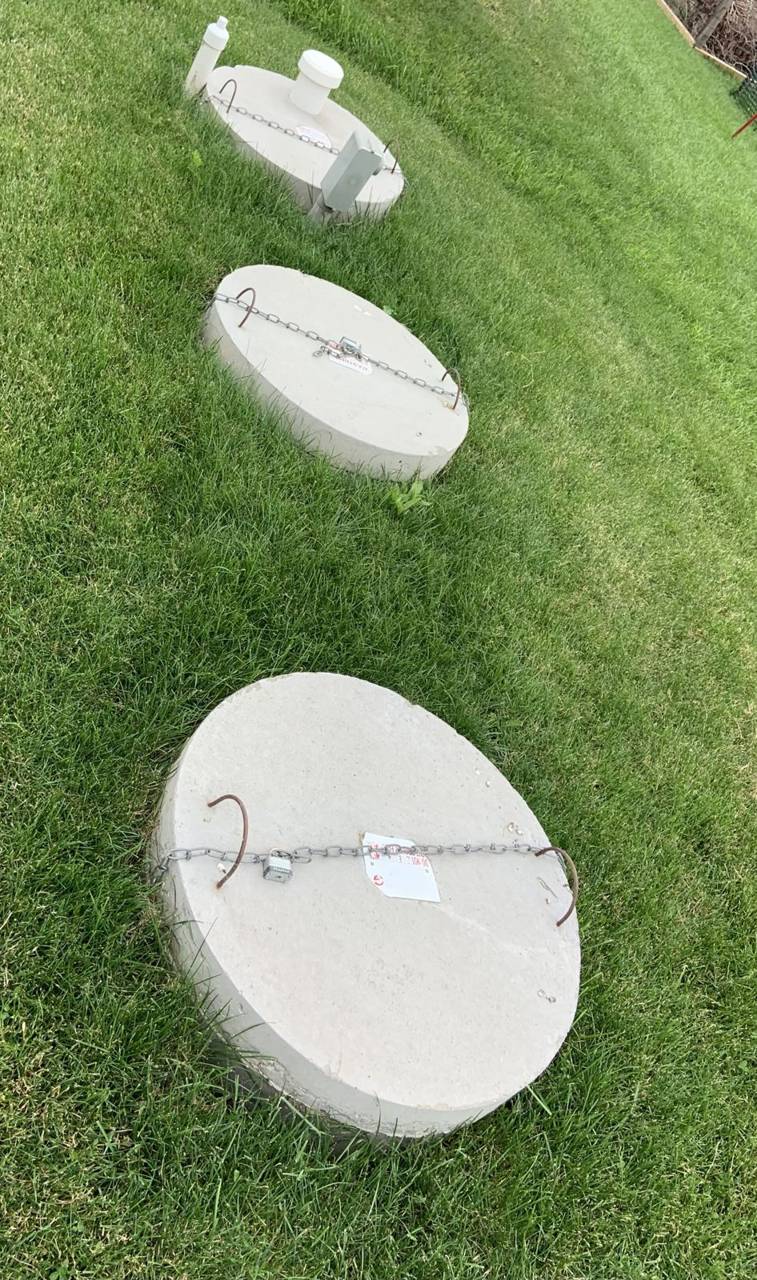
What to know in Spicewood
Additions and bedroom counts
Septic systems are sized by bedrooms and expected use. A converted garage, an extra bedroom or a rental unit can overload an older system. Compare the permit's design with what the property now contains, and ask the county if you see a difference. Large gatherings in the days before an inspection can affect results. Tell us about guests, parties or recent heavy use so we can read a high water level correctly.
Wells and water sources
Most Spicewood properties draw from private wells. A septic inspection is not a water quality test, but if the tank or field sits near a well, ask about water testing too. A buyer should confirm both systems before closing. If you are the seller, locate lids and clear brush before the inspector arrives. A smooth appointment lets the inspector focus on the system, not the search.
Timing around lake season
Demand for lake homes peaks in spring and summer, and inspection slots book up. Order early and make sure the seller can leave lids accessible. A tank buried under new landscaping or decking costs time to uncover. Bring a copy of your closing timeline. We schedule inspections to leave room for repairs, county questions and a possible re-inspection.
Signs you may need septic inspections
- Wet or smelly ground near the tank or field
- An aerobic system with an expired or missing maintenance contract
- An older system, or a home that sat empty for a long time
- Flooding or heavy rain has recently soaked the property
How septic inspections works
On the day of the inspection, expect to spend a couple of hours on the property. The inspector locates and opens the tank, checks the liquid level, looks for signs of backup and examines the baffles and the filter. Depending on the scope, the tank may be pumped so the inside walls can be seen. The inspector may run water to see how the drain field or spray area responds, and may use dye to trace a leak. For an aerobic system, the inspector tests the alarm, runs the pump and checks the water for odor and clarity. Photos and notes go into a written report that you can share with your agent. We suggest that buyers and agents be present, because seeing the inside of a tank makes the report easier to understand.
A good report is easy to read. It lists what was checked, what was found and what the inspector recommends. Items might be marked as working, worn, needing repair or needing further evaluation. A system that works but is old may get a note about its remaining life. A system with a failed drain field or a broken tank will say so plainly. Use the report to negotiate repairs, plan a budget or decide whether to walk away. If something is unclear, ask questions. We are happy to explain the findings and to point you to the right permitting office for the next steps in your county. You will also leave knowing how to care for the system, which is worth as much as the findings.
What to expect on a Spicewood visit
- 01
Gather records and paperwork
We ask for any permit, as-built drawing, maintenance reports and pumping history you can share. If you do not have them, the county may. These records show the tank size, system type and any past problems, which helps us focus the inspection where it counts. Even partial records help. We note gaps.
- 02
Locate and open the tank
We find the tank lids, dig them out if needed and open them safely. We check the liquid level against the outlet, note any odors and look for signs of backup. Buried, damaged or unsafe lids are noted in the report so nothing is missed. Safety comes first at every open lid.
- 03
Inspect inside the tank
We check the inlet and outlet pipes, the baffles or tees and the effluent filter. We measure sludge and scum layers where possible. If a full view is needed, the tank may be pumped so we can inspect the walls and floor for cracks and leaks. We photograph what we find.
- 04
Test the field or spray area
We look at the drain field or the aerobic spray or drip area. We check for wet spots, odors, surfacing water and unusual grass growth. We may run water through the system to see how it responds and whether any line is leaking or blocked. Weather and recent use are noted.
- 05
Check aerobic components if present
For aerobic systems we test the alarm, the air pump, the control panel and the disinfection unit. We review maintenance reports and the tag on the system. Missing reports or an expired contract are noted so you know what to fix before closing. We list what to fix first. Findings go in the report.
- 06
Deliver a written report
You get a clear report with photos, findings and recommendations. We walk through it with you and answer questions. If repairs or further steps are needed, we explain the options. The report is for your use, and your lender or agent decides how to use it. Plan time to read it.
Our approach in Spicewood
- We locate and open your tank, aerobic unit and dispersal area, including buried lids common on older Spicewood properties
- We explain what we find in plain language, with photos where they help
- Repairs and installs are planned around Travis and Burnet Counties permitting requirements
- You get written options before any repair work begins
- Aerobic visits are recorded for your maintenance contract
Septic conditions around Spicewood
Burnet County Development Services handles septic permitting on its side of the line, and the county ties the process to a 911 address and a building permit, so those steps usually come first for new construction. On the Travis County side, Transportation and Natural Resources acts as the permit authority for unincorporated land under TCEQ's 30 TAC Chapter 285. The LCRA adds another layer near the water. It has regulated septic systems for decades within a zone around Lake Travis, so lakeside lots may fall under its program, and the Burnet County site links to an LCRA jurisdiction map. Texas also requires aerobic systems to be covered by a maintenance contract with a licensed provider. Before you start a repair, replacement or new install, confirm the correct office for your parcel. Phone the permit office early, because a short call can save an application from being sent to the wrong place.
Septic Inspections questions from Spicewood homeowners
Where do I find the septic records for a Spicewood property?
Start with the county that issued the permit: Travis County Transportation and Natural Resources or Burnet County Development Services. A seller may also have an as-built drawing. If records are thin, an inspector can still locate and assess the system. If you have the old permit and inspection reports, they show how the system has changed. Without them, the inspector's report is even more important, and we will say what we could and could not verify.
Does an inspection tell me how many years the system has left?
Not exactly. It tells you condition today, what is wearing out and what is likely to need work soon. Tanks can last for decades, while pumps, filters and fields vary with use. A good report gives you a sense of the next few years, not a guarantee. Experienced inspectors note tank material, age, number of compartments, lid condition and the type of field. Combined with maintenance records, that tells you what to expect in the next several years.
What if the inspector cannot find the tank?
On big lots this happens. We search using records, the sewer line path and a probe. If the tank still cannot be found, the report says so, and a buyer can ask the seller for help or reduce risk through a contract clause. Unknown systems deserve caution. An unlocated tank is a risk worth pricing into the deal. A buyer can ask for a locator visit, a seller credit or an extended period to investigate before closing.
What is the difference between a home inspection and a septic inspection?
A home inspector checks that fixtures drain and notes obvious issues, but does not usually open the tank. A septic inspection looks at the tank, baffles, filter, field or spray area, and aerobic controls. Most buyers on septic should order both, because they answer different questions about the same property. Ask your agent to schedule both inspections within the same option period.
How long does a septic inspection take?
Many inspections take a couple of hours on site. Aerobic systems and large properties can take longer. Time also depends on whether the lids are buried and whether the tank is pumped. The written report usually follows after the visit, so ask about timing when you schedule, especially if you have a short option period. Plan ahead if you also want the tank pumped, since that can add time.
Should the tank be pumped during the inspection?
Pumping gives the clearest view. Without it, the inspector can only see the liquid and the top of the tank. With the tank empty, the inspector can check baffles, walls, the inlet and outlet, and signs of cracks or leaks. For a home sale, pumping is often a good idea, and it is easy to schedule together. If you do not pump, the report should say which parts could not be seen.
More about septic inspections → · All septic services in Spicewood →
Need septic inspections in Spicewood?
Call or send a request. We will ask a few questions about your system and the property, then schedule a visit.