Johnson City · Blanco County
Septic Inspections in Johnson City, TX
A septic inspection is especially valuable when buying rural property near Johnson City, where a hidden problem can be costly. We locate the tank, check levels and baffles, examine pumps and controls and look at the drain or spray field. We also note how the system sits relative to wells and drainages. You receive a clear written summary. We also flag items worth watching, even when they are not urgent right now.
Septic Inspections for Johnson City homes
Johnson City draws buyers who want small-town charm, acreage and room to spread out, and many of the homes on those larger lots depend on a septic system. A pre-purchase inspection tells you what is buried under the grass before you own it. Sellers can also order one to avoid surprises mid-contract and to show serious buyers that the system has been looked after. The cost of an inspection varies with system type, access and whether pumping is part of the visit. A basic conventional inspection is generally a modest cost compared with the price of the property, and an aerobic system can cost more because there is more to test. Ask for a written scope in advance so you know what is included and what would be extra.
A thorough inspection begins with documents. We ask for the permit, any repair records and the as-built drawing, then find and open the tank. We note liquid level, baffles, sludge and scum depth, lid condition and any signs of backflow from the field. For aerobic systems, we also review the maintenance contract history, test the blower and pump, and run the spray zones so you see how they behave. We look carefully at field conditions. Walking the field in different light helps. We look for soft ground, odors, bright green growth and signs of surfacing water. We compare what we find with the original design, since a field built for three bedrooms may be strained by a home now used as five. The comparison tells a buyer how much margin the system has left.
Johnson City properties raise some particular questions. Has a guest house, a workshop with a bathroom or an extra bedroom been added since the permit? Is the field close to a well, a draw or the Pedernales watershed? Is the lot inside the city sewer service area, so that connecting might be possible? We flag mismatches and describe what we could and could not reach, so the report is honest about its limits. For homes with aerobic systems, expect more documentation. We ask for the maintenance contract, past service reports and the system manual. Gaps in service are not always a disqualifier, but they raise questions about how the system has performed. We tell you what we see in plain terms and suggest next steps if the history looks thin.
What to know in Johnson City
Unpermitted additions
Rural homes often grow over the years: a converted garage, a bunkhouse, a bathroom added to a barn. Septic systems are sized by use, and extra plumbing can overload an older one. Compare the permit with the property as it stands and ask the county what an upgrade would require. Check the sewer service boundary if the home is near town.
Wells nearby
Most rural homes here depend on a private well or rainwater. A septic inspection is not a water test, but a tank or field near a well is worth noting. Consider testing the well water too, so you know both systems are healthy before closing. Schedule early. In busy periods, inspectors book up, and the option period is short. Having the lids uncovered before arrival makes the appointment efficient.
Records in Blanco County
Permit files for properties outside the city sit with Blanco County. Older systems may have thin records or none at all. A request to the county before the inspection gives the inspector something to compare against and gives you a fuller picture. Make a copy of the report for your records. If you later sell, a report from your purchase shows the system's starting condition, which is useful history.
Signs you may need septic inspections
- An aerobic system with an expired or missing maintenance contract
- An older system, or a home that sat empty for a long time
- Flooding or heavy rain has recently soaked the property
- You are buying, selling or refinancing a home on septic
How septic inspections works
A good report is easy to read. It lists what was checked, what was found and what the inspector recommends. Items might be marked as working, worn, needing repair or needing further evaluation. A system that works but is old may get a note about its remaining life. A system with a failed drain field or a broken tank will say so plainly. Use the report to negotiate repairs, plan a budget or decide whether to walk away. If something is unclear, ask questions. We are happy to explain the findings and to point you to the right permitting office for the next steps in your county. You will also leave knowing how to care for the system, which is worth as much as the findings.
A septic inspection is a close look at every part of your wastewater system, from the pipe leaving the house to the area where treated water is released. For a home with a septic tank, the inspector checks the tank, the inlet and outlet, the baffles or tees, the effluent filter and the drain field. For an aerobic system, the inspection also covers the air pump, the control panel, the alarm, the disinfection unit and the spray heads or drip lines. A thorough septic inspection in Dripping Springs or elsewhere in the Hill Country is different from a general home inspection. A home inspector usually checks that fixtures drain and that nothing looks obviously wrong. A septic inspection looks at the system itself, including parts you cannot see from the yard.
What to expect on a Johnson City visit
- 01
Gather records and paperwork
We ask for any permit, as-built drawing, maintenance reports and pumping history you can share. If you do not have them, the county may. These records show the tank size, system type and any past problems, which helps us focus the inspection where it counts. Even partial records help. We note gaps.
- 02
Locate and open the tank
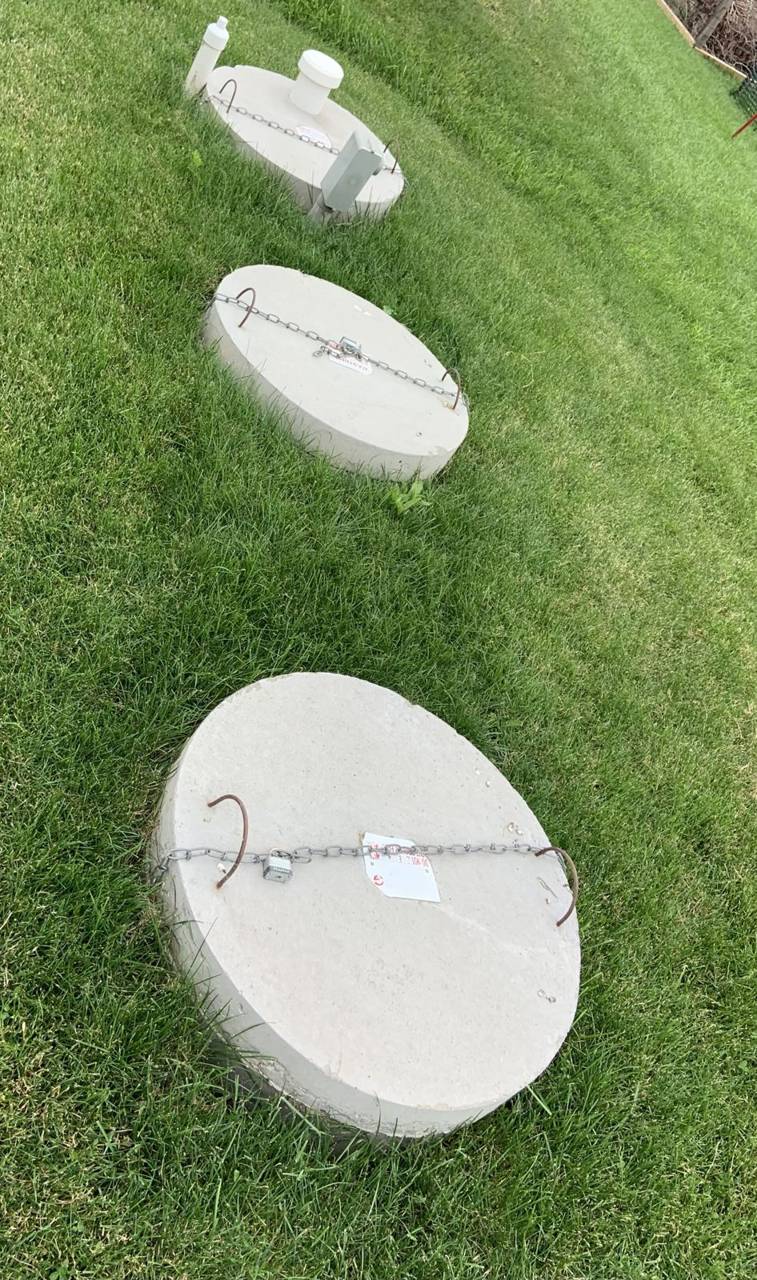
We find the tank lids, dig them out if needed and open them safely. We check the liquid level against the outlet, note any odors and look for signs of backup. Buried, damaged or unsafe lids are noted in the report so nothing is missed. Safety comes first at every open lid.
- 03
Inspect inside the tank
We check the inlet and outlet pipes, the baffles or tees and the effluent filter. We measure sludge and scum layers where possible. If a full view is needed, the tank may be pumped so we can inspect the walls and floor for cracks and leaks. We photograph what we find.
- 04
Test the field or spray area
We look at the drain field or the aerobic spray or drip area. We check for wet spots, odors, surfacing water and unusual grass growth. We may run water through the system to see how it responds and whether any line is leaking or blocked. Weather and recent use are noted.
- 05
Check aerobic components if present
For aerobic systems we test the alarm, the air pump, the control panel and the disinfection unit. We review maintenance reports and the tag on the system. Missing reports or an expired contract are noted so you know what to fix before closing. We list what to fix first. Findings go in the report.
- 06
Deliver a written report
You get a clear report with photos, findings and recommendations. We walk through it with you and answer questions. If repairs or further steps are needed, we explain the options. The report is for your use, and your lender or agent decides how to use it. Plan time to read it.
Our approach in Johnson City
- We locate and open your tank, aerobic unit and dispersal area, including buried lids common on older Johnson City properties
- We explain what we find in plain language, with photos where they help
- Repairs and installs are planned around Blanco County permitting requirements
- You get written options before any repair work begins
- Aerobic visits are recorded for your maintenance contract
Septic conditions around Johnson City
Weather around Johnson City can be harsh on septic systems. Long dry spells shrink clay soils and can crack lines, loosen lids and expose pipes. Then a fast storm hits, and the Pedernales River and the smaller creeks around town rise quickly, flooding low-lying yards and saturating drain fields. Thin soil on slopes sheds water rapidly, but fields at the base of a slope may stay soggy long afterward. Spread out laundry and dishwasher loads during wet periods, and avoid pumping a tank when the ground is saturated. Watch for slow drains, odors, wet areas and alarms. Out here, help can be a long drive away, so a basic understanding of your system and a routine maintenance schedule are your best protection against surprise failures during a holiday weekend. Knowing where your tank and lids are, and writing it down, saves time in a real emergency.
Septic Inspections questions from Johnson City homeowners
Is a septic inspection required to buy a home in Johnson City?
Requirements depend on the loan, the contract and any local rules, and a lender may ask for one. Even if not required, it is a wise step for any home on septic. Ask your agent and Blanco County what applies, and plan for the timing in your option period. No law makes this a universal requirement, and lenders and contracts vary. The inspection is for your protection, and failing to do one leaves you guessing about a system that can cost a lot to replace.
What will the inspector open and look at?
At minimum the tank lids, the inlet and outlet, baffles, liquid level and sludge. We also walk the field, look for wet spots and check any pump or alarm. Aerobic units get a deeper review of the blower, panel, heads and service records. We photograph what we can, including the tank interior, baffles and any problem. If a part is not reachable, we say so. The goal is a record you can use in a negotiation or repair plan.
What if the report finds problems after I make an offer?
You have options: ask the seller to repair, negotiate a credit, get quotes for work or walk away within your contract terms. A clear written report with photos makes those conversations easier. We can help you understand the likely cost and urgency of each item. Prices for repairs depend on what is found. We help you get quotes or recommend next steps. You decide how to proceed, whether that is a credit, a repair or a different property.
How long does a septic inspection take?
Many inspections take a couple of hours on site. Aerobic systems and large properties can take longer. Time also depends on whether the lids are buried and whether the tank is pumped. The written report usually follows after the visit, so ask about timing when you schedule, especially if you have a short option period. Plan ahead if you also want the tank pumped, since that can add time.
Should the tank be pumped during the inspection?
Pumping gives the clearest view. Without it, the inspector can only see the liquid and the top of the tank. With the tank empty, the inspector can check baffles, walls, the inlet and outlet, and signs of cracks or leaks. For a home sale, pumping is often a good idea, and it is easy to schedule together. If you do not pump, the report should say which parts could not be seen.
How often should I have my septic system inspected?
Many experts suggest every few years for a conventional system, along with pumping. Aerobic systems get regular checks through their maintenance contract. You should also inspect before buying a home, after major flooding or if you see warning signs. Check with your county for any local rules that set a different schedule. Keep each report, so you can track changes in the system over time.
More about septic inspections → · All septic services in Johnson City →
Need septic inspections in Johnson City?
Call or send a request. We will ask a few questions about your system and the property, then schedule a visit.