Henly · Hays County
Septic Inspections in Henly, TX
An inspection in Henly is especially valuable for older farmsteads. We locate the tank and field, check the age and material of the tank, test for backups and look for signs of long-term failure. If records are missing, the report helps document what is on the property. Buyers of rural acreage often find a system that is much older than the house. Findings help you decide whether to repair, replace or negotiate before closing.
Septic Inspections for Henly homes
Property in Henly sells for the land, the views and the quiet, but the septic system is part of what the buyer is paying for. A septic inspection tells you what is buried on the lot, how well it is working today and what it may cost to keep it that way. For a home on a few acres with no city sewer, it is one of the most useful checks in a purchase. Sellers benefit too. An inspection before listing lets you fix small items quietly, instead of negotiating under a deadline.
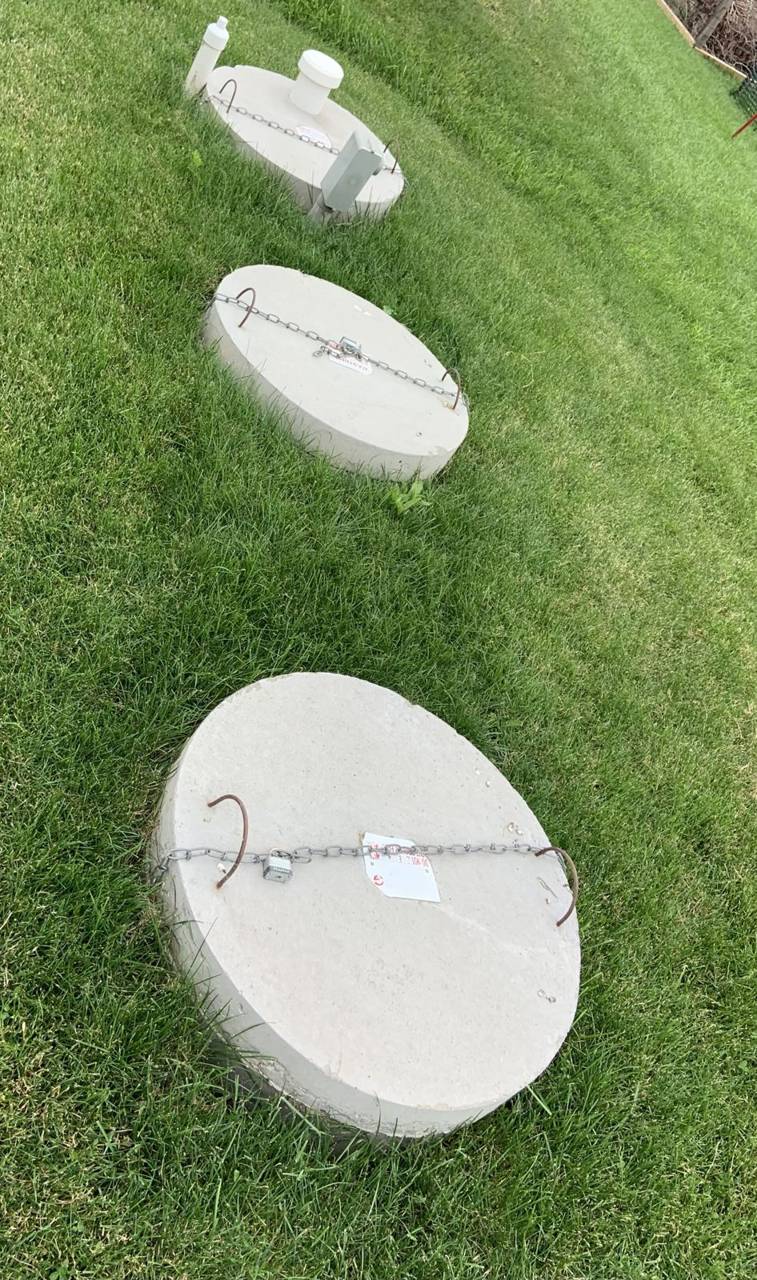
A thorough inspection begins with records. We ask for the Hays County permit, the as-built drawing and any maintenance contracts, and we compare them to what is actually in the ground. Then we find the tank, open the lids, check water level, baffles and the condition of the concrete or poly. For an aerobic system, we test the alarm, compressor and spray heads. For a conventional system, we look closely at the drain field for wet areas, lush strips of grass or odors. For a pre-purchase job, it is wise to schedule the inspection early in the option period. Digging out lids and arranging a pump-out takes a few days, and weekend or wet weather delays are common out here.
Hays County asks for a transfer of the permit and a current maintenance contract after a sale for aerobic systems, so the buyer inherits more than a tank. A good report ends with plain findings, not a pass or fail stamp alone. We tell you what we saw, what is normal for the age of the system, and what to budget for. If a record is missing, we say so, and suggest you check with the county. Photographs are included whenever possible so you can see the tank, baffles and field conditions yourself. A report you can read without a glossary is part of doing this job well.
What to know in Henly
Unpermitted or older systems
Some rural homes predate current permitting, and additions such as extra bedrooms or a guest house may have outgrown the original design. A system sized for two bedrooms cannot safely serve five. We compare the home's size to the permitted capacity. Ask whether the home was built or remodeled after the permit was issued. Added bathrooms change the water load.
Seasonal conditions
A dry August can hide a failing field because the soil is thirsty. A wet spring shows problems better. We note the recent weather in the report so you know how to read the result, and we may suggest a follow-up if conditions were unusual. If the report looks mixed, we can tell you which items are normal wear and which deserve a second opinion or a county call.
Wells and setbacks
On acreage, the tank, field, well and property lines all have required spacing under TCEQ rules. An inspection looks at what is visible and flags anything that seems too close. The county can confirm the official setbacks. If your lot is near a creek draw or low area, the inspection should note drainage patterns that could affect the field after storms.
Signs you may need septic inspections
- Wet or smelly ground near the tank or field
- An aerobic system with an expired or missing maintenance contract
- An older system, or a home that sat empty for a long time
- Flooding or heavy rain has recently soaked the property
How septic inspections works
Loans can change the picture. Appraisers for FHA and VA loans look at the property, including the septic system. Older HUD guidance says an inspection is not automatic, but it is called for when it is customary in the area, when the appraiser suspects a problem, or when problems are common locally. In those cases the loan can be conditioned on a report from a qualified professional or the local health authority. Requirements differ by lender and change over time, so ask your lender and your agent what they need before you schedule anything. We can give you a written report that describes what we saw, but the lender decides what it will accept. If your loan has special conditions, share them with us up front so the report covers what your lender wants to see.
On the day of the inspection, expect to spend a couple of hours on the property. The inspector locates and opens the tank, checks the liquid level, looks for signs of backup and examines the baffles and the filter. Depending on the scope, the tank may be pumped so the inside walls can be seen. The inspector may run water to see how the drain field or spray area responds, and may use dye to trace a leak. For an aerobic system, the inspector tests the alarm, runs the pump and checks the water for odor and clarity. Photos and notes go into a written report that you can share with your agent. We suggest that buyers and agents be present, because seeing the inside of a tank makes the report easier to understand.
What to expect on a Henly visit
- 01
Gather records and paperwork
We ask for any permit, as-built drawing, maintenance reports and pumping history you can share. If you do not have them, the county may. These records show the tank size, system type and any past problems, which helps us focus the inspection where it counts. Even partial records help. We note gaps.
- 02
Locate and open the tank
We find the tank lids, dig them out if needed and open them safely. We check the liquid level against the outlet, note any odors and look for signs of backup. Buried, damaged or unsafe lids are noted in the report so nothing is missed. Safety comes first at every open lid.
- 03
Inspect inside the tank
We check the inlet and outlet pipes, the baffles or tees and the effluent filter. We measure sludge and scum layers where possible. If a full view is needed, the tank may be pumped so we can inspect the walls and floor for cracks and leaks. We photograph what we find.
- 04
Test the field or spray area
We look at the drain field or the aerobic spray or drip area. We check for wet spots, odors, surfacing water and unusual grass growth. We may run water through the system to see how it responds and whether any line is leaking or blocked. Weather and recent use are noted.
- 05
Check aerobic components if present
For aerobic systems we test the alarm, the air pump, the control panel and the disinfection unit. We review maintenance reports and the tag on the system. Missing reports or an expired contract are noted so you know what to fix before closing. We list what to fix first. Findings go in the report.
- 06
Deliver a written report
You get a clear report with photos, findings and recommendations. We walk through it with you and answer questions. If repairs or further steps are needed, we explain the options. The report is for your use, and your lender or agent decides how to use it. Plan time to read it.
Our approach in Henly
- We locate and open your tank, aerobic unit and dispersal area, including buried lids common on older Henly properties
- We explain what we find in plain language, with photos where they help
- Repairs and installs are planned around Hays County permitting requirements
- You get written options before any repair work begins
- Aerobic visits are recorded for your maintenance contract
Septic conditions around Henly
Weather out here is wide open. Summer drought bakes the ground, cracks clay and dries spray fields, while a single big storm can drop several inches of rain onto thin soil that has no place to hold it. After a storm, low spots in a field can stay wet for days. Wind and lightning are real concerns for aerobic systems, since a power surge can damage the control panel or air pump, and a power outage stops treatment until the electricity is restored. Livestock and ranch vehicles add risk, because heavy loads on a field compress soil and crush shallow lines. Roots from cedar and oak will find their way into pipes if allowed. A seasonal walk around the field, lids and panel catches most problems early. Long gravel drives also need planning for service: a heavy pump truck needs firm ground and room to turn, so scheduling after a dry stretch helps. Flag your tank lids ahead of time, and tell us if you are unsure where the tank is.
Septic Inspections questions from Henly homeowners
Does Hays County require a septic inspection when I buy a house?
We could not confirm a county-mandated inspection at sale. What the county does ask is that the owner request a permit transfer, and for aerobic systems, that a signed maintenance contract reach Development Services within 30 days of the sale. Many lenders and buyers request an inspection anyway. Check with the county for current requirements. Bring the permit file if you have it. The county can supply copies, which helps when the seller has lost the papers.
How long does a septic inspection take?
Plan on one to two hours for most Henly properties, longer if the lids are buried or the lot is large. Finding and digging out a lid is the slow part. If the tank needs pumping to see inside, that adds time. Having the permit papers ready helps us finish faster. A buyer should be present if possible. Seeing the tank in person makes the report much clearer.
What if the inspection finds a problem?
You get a written explanation and options. Some findings are small, like a cracked lid or a clogged filter. Others, like a saturated drain field, are larger. Buyers often use the report to negotiate repairs or credits. We describe what we saw and leave the negotiating to you and your agent. Repairs found during inspection are often cheaper to fix before closing than after. Use the findings to plan, not to panic.
How long does a septic inspection take?
Many inspections take a couple of hours on site. Aerobic systems and large properties can take longer. Time also depends on whether the lids are buried and whether the tank is pumped. The written report usually follows after the visit, so ask about timing when you schedule, especially if you have a short option period. Plan ahead if you also want the tank pumped, since that can add time.
Should the tank be pumped during the inspection?
Pumping gives the clearest view. Without it, the inspector can only see the liquid and the top of the tank. With the tank empty, the inspector can check baffles, walls, the inlet and outlet, and signs of cracks or leaks. For a home sale, pumping is often a good idea, and it is easy to schedule together. If you do not pump, the report should say which parts could not be seen.
How often should I have my septic system inspected?
Many experts suggest every few years for a conventional system, along with pumping. Aerobic systems get regular checks through their maintenance contract. You should also inspect before buying a home, after major flooding or if you see warning signs. Check with your county for any local rules that set a different schedule. Keep each report, so you can track changes in the system over time.
More about septic inspections → · All septic services in Henly →
Need septic inspections in Henly?
Call or send a request. We will ask a few questions about your system and the property, then schedule a visit.