Dripping Springs · Hays County
Septic Inspections in Dripping Springs, TX
Inspections matter in a market where homes change hands often. A Dripping Springs inspection looks at the tank, lids, baffles, the pump or aerator, and the drain or spray field. We also consider how the system fits the house, since extra bedrooms can exceed the original design. For a sale, a written report lets buyers and sellers deal with problems before closing. Hays County may also have your permit records on file, so pull them early.
Septic Inspections for Dripping Springs homes
Dripping Springs has a busy housing market, and a septic inspection is often part of a home sale. Buyers see the granite counters and the view of the hills, but the septic system is buried, so it is easy to overlook. An inspection tells you what type of system serves the property, where the tank and lids are, how full the tank is, and whether pumps, alarms and distribution look healthy. It is not a guarantee of future performance, but it removes a lot of guesswork before you sign. Sellers benefit too. An inspection done before listing lets you pump the tank, fix a cracked lid and hand over a clean report, which calms buyers and keeps a contract on track.
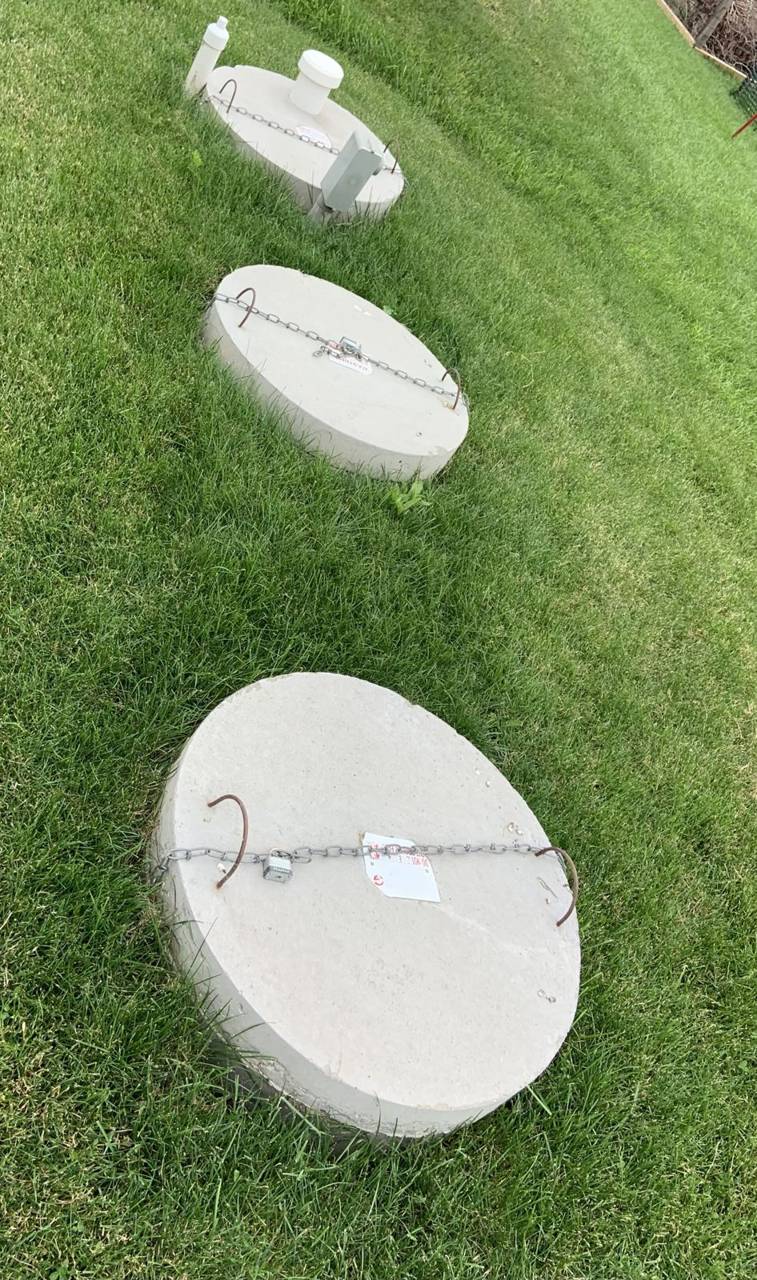
For a conventional system, we locate and open the tank, check the baffles and the inlet and outlet tees, look at sludge and scum depth, and observe whether the field area is wet or oddly lush. For an aerobic system, we add the compressor, floats, pump tank, panel and spray or drip zones, and we ask for the maintenance records and contract. In Hays County, an aerobic system without a current contract is a problem a buyer should know about up front. We take notes on lid condition, tank depth and risers, because those details tell the next owner how easy the system will be to service. Photos go in the report so you can see what we saw.
Local conditions matter. Shallow limestone, clay pockets and steep lots mean a drain field can be undersized or poorly placed even though everything seems to flow. We also ask whether the house has been expanded, because a two-bedroom permit on a four-bedroom house is a real concern. Pulling the original permit file from the county is part of a thorough review, and we recommend buyers request it before closing, not after. A buyer can also ask how old the compressor and pumps are. Those parts are cheap to replace but add up if all fail within a year or two of closing, and age is easy to check on the nameplate.
What to know in Dripping Springs
Pulling the permit record
Hays County Development Services keeps OSSF permit files for permitted systems. Comparing the permit to the house today shows whether bedrooms were added or the system was altered. Older homes may have little or no paperwork, which is a flag worth knowing about before you commit to a purchase. Ask the seller for past pumping receipts.
Timing during a fast sale
Buyers often have a short option period. Book the inspection early and ask the seller to uncover lids and provide the maintenance contract. Pumping before the inspection helps us see the inside of the tank and the baffles, which gives a more useful report for everyone involved. Plan one extra day for repairs.
What an inspection cannot see
We cannot see through soil or rock. A drain field that works today may fail with a larger household or a wet spring. We report what we find, tell you what was not accessible, and suggest next steps if anything looks uncertain, so you know the limits of the report. Request photos for your file.
Signs you may need septic inspections
- You are buying, selling or refinancing a home on septic
- No records of the system, permit or last pumping
- Slow drains or gurgling that started recently
- Wet or smelly ground near the tank or field
How septic inspections works
A septic inspection is a close look at every part of your wastewater system, from the pipe leaving the house to the area where treated water is released. For a home with a septic tank, the inspector checks the tank, the inlet and outlet, the baffles or tees, the effluent filter and the drain field. For an aerobic system, the inspection also covers the air pump, the control panel, the alarm, the disinfection unit and the spray heads or drip lines. A thorough septic inspection in Dripping Springs or elsewhere in the Hill Country is different from a general home inspection. A home inspector usually checks that fixtures drain and that nothing looks obviously wrong. A septic inspection looks at the system itself, including parts you cannot see from the yard.
People order inspections for different reasons. The most common is a home purchase. Buyers want to know what they are getting, because a drain field replacement can cost thousands of dollars. Sellers sometimes order an inspection first so they can fix problems or set a fair price. Homeowners also order inspections before refinancing, after a flood, or when they inherit or take over a property and do not know the system history. A routine inspection every few years is also a smart habit for any septic owner. It catches slow leaks, worn parts and early signs of drain field trouble before they turn into emergencies, and it gives you a record you can hand to the next owner. Having this record also helps you plan pumping and repairs on your own schedule instead of reacting to a crisis.
What to expect on a Dripping Springs visit
- 01
Gather records and paperwork
We ask for any permit, as-built drawing, maintenance reports and pumping history you can share. If you do not have them, the county may. These records show the tank size, system type and any past problems, which helps us focus the inspection where it counts. Even partial records help. We note gaps.
- 02
Locate and open the tank
We find the tank lids, dig them out if needed and open them safely. We check the liquid level against the outlet, note any odors and look for signs of backup. Buried, damaged or unsafe lids are noted in the report so nothing is missed. Safety comes first at every open lid.
- 03
Inspect inside the tank
We check the inlet and outlet pipes, the baffles or tees and the effluent filter. We measure sludge and scum layers where possible. If a full view is needed, the tank may be pumped so we can inspect the walls and floor for cracks and leaks. We photograph what we find.
- 04
Test the field or spray area
We look at the drain field or the aerobic spray or drip area. We check for wet spots, odors, surfacing water and unusual grass growth. We may run water through the system to see how it responds and whether any line is leaking or blocked. Weather and recent use are noted.
- 05
Check aerobic components if present
For aerobic systems we test the alarm, the air pump, the control panel and the disinfection unit. We review maintenance reports and the tag on the system. Missing reports or an expired contract are noted so you know what to fix before closing. We list what to fix first. Findings go in the report.
- 06
Deliver a written report
You get a clear report with photos, findings and recommendations. We walk through it with you and answer questions. If repairs or further steps are needed, we explain the options. The report is for your use, and your lender or agent decides how to use it. Plan time to read it.
Our approach in Dripping Springs
- We locate and open your tank, aerobic unit and dispersal area, including buried lids common on older Dripping Springs properties
- We explain what we find in plain language, with photos where they help
- Repairs and installs are planned around Hays County permitting requirements
- You get written options before any repair work begins
- Aerobic visits are recorded for your maintenance contract
Septic conditions around Dripping Springs
Growth has changed Dripping Springs quickly. Older homes on acreage and small ranches now share the area with newer neighborhoods, and new construction keeps appearing along US-290, RR 12 and FM 150. That mix means you can find a decades-old conventional tank on one lot and a modern aerobic system on the next. Older systems were often sized for fewer bedrooms and fewer people than the house holds today, and a remodel or an added bathroom can push a tank past the load it was designed to handle. Newer builds usually come with aerobic units, risers and a spray field or drip lines, along with a maintenance contract from day one. Many Hill Country homes also use a private well, so drinking water and wastewater sit close together on the same property. A failing system matters more here than it would on a small city lot. When we visit a Dripping Springs property, the first job is working out what kind of system is there, how old it is, and what the household really puts through it.
Septic Inspections questions from Dripping Springs homeowners
Do I need a septic inspection when buying a home in Dripping Springs?
Texas does not require every buyer to have one, but lenders, insurers or the contract may ask for it. Local rules can change, so check with Hays County Development Services. Either way, an inspection is wise, since a failed system can be an expensive surprise after closing. Ask for it in writing.
How long does an inspection take?
Expect about one to two hours for a conventional system and longer for an aerobic system with several spray zones. Extra time is needed if lids are buried or the tank has to be pumped first. We tell you in advance if we expect delays, so you can plan around your option period. We cannot comment on soil we cannot see.
What if the inspection finds a problem?
We explain what we saw, what it likely means and the options, from a minor repair to a drain field replacement. Buyers can use the report to negotiate repairs or a credit. Sellers can fix issues first and avoid last-minute surprises that slow down a closing. Request the permit before your option ends.
Does Texas require a septic inspection when I sell my home?
There does not appear to be a single statewide rule that requires an inspection at every sale. Buyers often ask for one in the contract, and sellers must disclose known problems. Counties may have transfer steps for the permit or maintenance contract. Check with your permitting office and your real estate agent about what applies to your address. A home sale is also a good time to ask the county about permit records.
Will an FHA or VA loan require a septic inspection?
It can. Lenders and appraisers decide based on the property and local practice. Older HUD guidance says an inspection is called for when it is customary in the area or when the appraiser suspects a problem. Rules and lender policies change, so ask your lender what report and what qualifications they will accept before you book. Because requirements are not uniform, a quick call to your loan officer can prevent delays at closing.
What is the difference between a home inspection and a septic inspection?
A home inspector checks that fixtures drain and notes obvious issues, but does not usually open the tank. A septic inspection looks at the tank, baffles, filter, field or spray area, and aerobic controls. Most buyers on septic should order both, because they answer different questions about the same property. Ask your agent to schedule both inspections within the same option period.
More about septic inspections → · All septic services in Dripping Springs →
Need septic inspections in Dripping Springs?
Call or send a request. We will ask a few questions about your system and the property, then schedule a visit.