Driftwood · Hays County
Septic Inspections in Driftwood, TX
Buying acreage in Driftwood means buying its septic system too, so an inspection pays for itself. We locate every tank on the property, including those serving a guest house, then check lids, baffles, pumps and the field. We also ask whether the system matches the home's bedroom count and whether it is shared. A written report helps you negotiate before closing. Hays County may hold permit records that show what was approved, and comparing them to what is in the ground is useful.
Septic Inspections for Driftwood homes
A septic inspection in Driftwood is worth doing before you buy because the property is often more than a house. You may be buying acreage, a well, a barn with a bathroom and a septic system, all at once. We start by finding out how many structures drain to the system and how many bedrooms the permit allows. With rural property, it is not unusual to find a guest quarters, a studio or a workshop bath that was added without updating the septic permit. That is the kind of surprise we want you to catch before closing. A short report can matter as much as a long one. We keep ours readable, listing items as urgent, worth watching or fine, so you can use it during a negotiation without a translator.
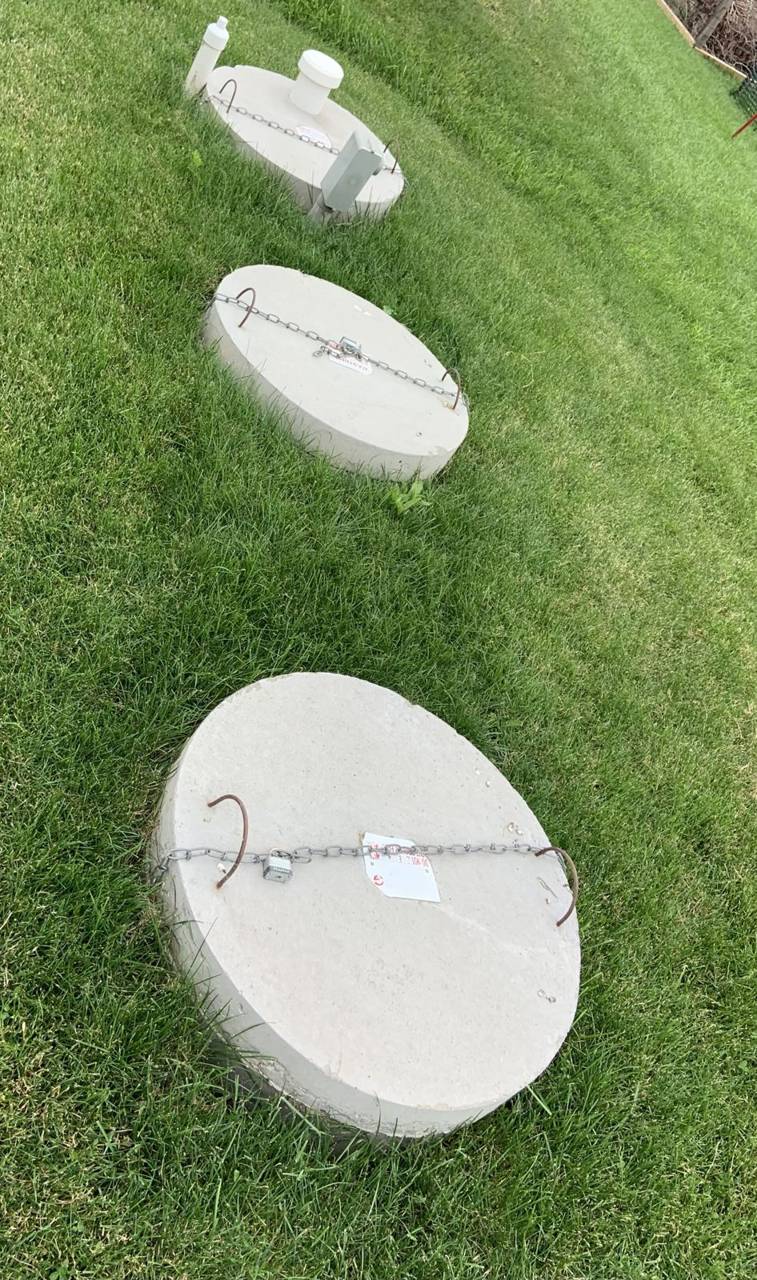
On site, we locate the tank or tanks, open the lids, and look at the baffles, the liquid level and the condition of the walls. For aerobic systems, we run the pumps and the compressor, test the alarm, and walk the spray or drip area. We also check how far the system sits from the well, the creek and the property line. Driftwood sits close to Onion Creek and several smaller drainages, so we pay attention to floodplain and runoff paths that could carry wastewater. Remember that cedar and live oak roots wander far out on these lots. If trees stand over the tank or lines, we note it as a risk for the years ahead.
We ask for service records, maintenance contracts and any county permits the seller has. If the system is aerobic, you should see a current contract and reports. If the seller cannot find them, Hays County Development Services may have copies. Our written report explains what we found in plain language, what was not accessible, and what repairs we recommend. We do not guarantee the future life of any system, but we do tell you honestly what the evidence shows today. When the seller has a well, it is also worth asking when the water was last tested. That test and the septic report together give a better picture of the land.
What to know in Driftwood
Unpermitted additions
Guest houses, converted garages and workshop baths often tie into the main system. If the load grew without a permit update, the tank and field may be undersized. Ask the seller what has been added and compare it to the county's file. Ask about pumping receipts too.
Well and creek distances
Rural lots have more to measure around. Required separation distances protect wells and waterways. If a tank, field or spray area looks too close to a well or a creek bank, we note it so you can ask the county or a designer how to proceed. Bring the survey if you have it.
Inspecting after a dry spell
Drought hides drain field problems because soil is dry and absorbs more. If the season has been dry, a good-looking field does not prove the system is healthy. We look for other clues, and we suggest a recheck after heavy rain when possible. Do the check before closing.
Signs you may need septic inspections
- No records of the system, permit or last pumping
- Slow drains or gurgling that started recently
- Wet or smelly ground near the tank or field
- An aerobic system with an expired or missing maintenance contract
How septic inspections works
People order inspections for different reasons. The most common is a home purchase. Buyers want to know what they are getting, because a drain field replacement can cost thousands of dollars. Sellers sometimes order an inspection first so they can fix problems or set a fair price. Homeowners also order inspections before refinancing, after a flood, or when they inherit or take over a property and do not know the system history. A routine inspection every few years is also a smart habit for any septic owner. It catches slow leaks, worn parts and early signs of drain field trouble before they turn into emergencies, and it gives you a record you can hand to the next owner. Having this record also helps you plan pumping and repairs on your own schedule instead of reacting to a crisis.
Texas does not appear to have a single statewide rule that forces every septic system to be inspected when a home sells. Central Texas real estate resources say as much, though you should confirm current rules with the county. That does not mean inspections are skipped. Buyers can ask for one through the contract, and sellers must disclose known problems under the Texas Property Code. Counties handle the paperwork side. Many permitting offices want the permit transferred to the new owner after a sale, and an aerobic system must stay under a valid maintenance contract. Ask your county permitting office what it needs at closing, because each authorized agent has its own forms and timelines. Keep copies of anything you sign or file, since transfer paperwork can matter years later when you sell.
What to expect on a Driftwood visit
- 01
Gather records and paperwork
We ask for any permit, as-built drawing, maintenance reports and pumping history you can share. If you do not have them, the county may. These records show the tank size, system type and any past problems, which helps us focus the inspection where it counts. Even partial records help. We note gaps.
- 02
Locate and open the tank
We find the tank lids, dig them out if needed and open them safely. We check the liquid level against the outlet, note any odors and look for signs of backup. Buried, damaged or unsafe lids are noted in the report so nothing is missed. Safety comes first at every open lid.
- 03
Inspect inside the tank
We check the inlet and outlet pipes, the baffles or tees and the effluent filter. We measure sludge and scum layers where possible. If a full view is needed, the tank may be pumped so we can inspect the walls and floor for cracks and leaks. We photograph what we find.
- 04
Test the field or spray area
We look at the drain field or the aerobic spray or drip area. We check for wet spots, odors, surfacing water and unusual grass growth. We may run water through the system to see how it responds and whether any line is leaking or blocked. Weather and recent use are noted.
- 05
Check aerobic components if present
For aerobic systems we test the alarm, the air pump, the control panel and the disinfection unit. We review maintenance reports and the tag on the system. Missing reports or an expired contract are noted so you know what to fix before closing. We list what to fix first. Findings go in the report.
- 06
Deliver a written report
You get a clear report with photos, findings and recommendations. We walk through it with you and answer questions. If repairs or further steps are needed, we explain the options. The report is for your use, and your lender or agent decides how to use it. Plan time to read it.
Our approach in Driftwood
- We locate and open your tank, aerobic unit and dispersal area, including buried lids common on older Driftwood properties
- We explain what we find in plain language, with photos where they help
- Repairs and installs are planned around Hays County permitting requirements
- You get written options before any repair work begins
- Aerobic visits are recorded for your maintenance contract
Septic conditions around Driftwood
Driftwood is largely unincorporated, and centralized sewer lines are generally not available to the rural tracts that surround FM 150 and FM 1826. Property listings in the area regularly note that sewer is not available, which means septic or aerobic treatment is the plan for nearly every home. That is a simple answer compared with many nearby towns, but it comes with responsibility. There is no city crew to call when a system acts up, and a neglected tank can foul your yard, your well or a neighbor's. A few developments may be served by a shared or utility-operated system, so confirm with the seller or your homeowner's association if you are not sure. As a practical rule, if you do not pay a monthly sewer bill, you own a septic system and the upkeep that goes with it.
Septic Inspections questions from Driftwood homeowners
What should I ask a seller about their septic system?
Ask for the permit, the last pumping date, any repair records and, for aerobic systems, the current maintenance contract and recent reports. Ask whether anything has been added to the house or property since the system was installed. Honest answers, backed by paper, save headaches after closing. Bring questions to the walk.
Will the inspection tell me if the drain field will last?
It tells you the condition today and flags risk factors, but nobody can promise a field lifespan. Soil, water use and maintenance all matter. We look for signs of stress, evaluate the layout and tell you if the system looks undersized or heavily worn for your intended use. Rain can change findings.
Can I be present during the inspection?
Yes, and we recommend it. Walking the property with us helps you learn where the tank, lids and field sit and what regular care looks like. You can ask questions as we go, and we point out anything you will want to budget for in the first few years of ownership. Ask for lids to be uncovered.
Will an FHA or VA loan require a septic inspection?
It can. Lenders and appraisers decide based on the property and local practice. Older HUD guidance says an inspection is called for when it is customary in the area or when the appraiser suspects a problem. Rules and lender policies change, so ask your lender what report and what qualifications they will accept before you book. Because requirements are not uniform, a quick call to your loan officer can prevent delays at closing.
What is the difference between a home inspection and a septic inspection?
A home inspector checks that fixtures drain and notes obvious issues, but does not usually open the tank. A septic inspection looks at the tank, baffles, filter, field or spray area, and aerobic controls. Most buyers on septic should order both, because they answer different questions about the same property. Ask your agent to schedule both inspections within the same option period.
How long does a septic inspection take?
Many inspections take a couple of hours on site. Aerobic systems and large properties can take longer. Time also depends on whether the lids are buried and whether the tank is pumped. The written report usually follows after the visit, so ask about timing when you schedule, especially if you have a short option period. Plan ahead if you also want the tank pumped, since that can add time.
More about septic inspections → · All septic services in Driftwood →
Need septic inspections in Driftwood?
Call or send a request. We will ask a few questions about your system and the property, then schedule a visit.