Spicewood · Travis and Burnet Counties
Emergency Septic Service in Spicewood, TX
If sewage is backing into your Spicewood home, wastewater is surfacing or an alarm will not stop, cut water use and keep people and pets away. Call us so we can check the tank, pump and lines. We tell you what can be fixed right away and what needs a follow-up visit once conditions allow. Rural distances make early calls especially useful, so do not wait for the problem to grow.
Emergency Septic Service for Spicewood homes
Septic emergencies are never convenient, and in Spicewood distance adds stress. Properties are spread out along SH 71 and small county roads, and help may take longer than in a tight neighborhood. Knowing what to do while you wait can limit damage and make our work faster when we arrive. Think ahead now. Save our number, locate your septic lids and panel, and write the tank size and permit information on a card near the breaker box. In an emergency, those details save time. A caretaker or relative who watches the house should also know where to find them and what to do. Share your gate code or access instructions ahead of time to avoid delays. Out here, planning ahead really helps.
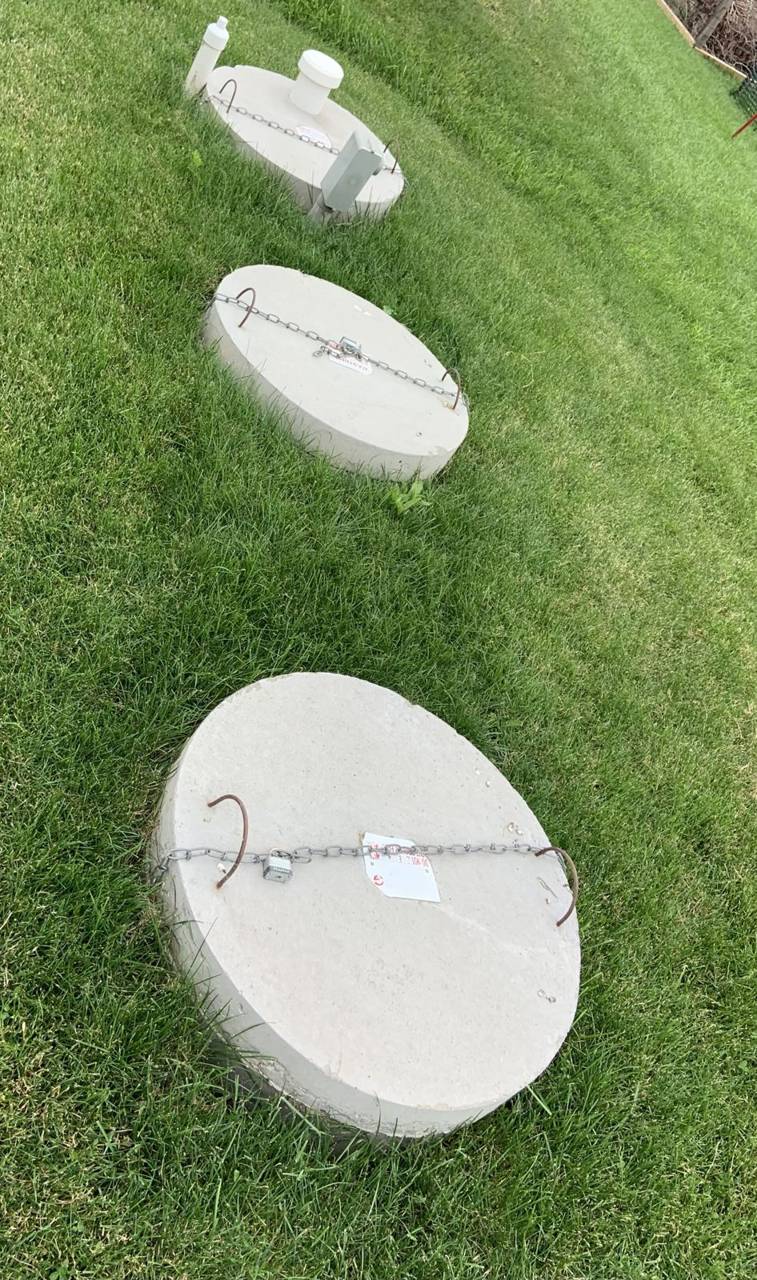
First, stop water use. No laundry, no dishwasher, no long showers. If sewage is backing up indoors, keep people and pets out and ventilate the space. Do not open an aerobic unit or tank lid to look, since gases and falls are real hazards. Note what happened just before the problem and write down any alarm lights. That information often points straight to the cause. We check for safety before anything else. Gas, electricity and wet ground all create risks, so we work carefully around the panel and lids. After pumping and clearing, we test flow and watch the system run. If a pump or float has failed, we tell you whether a quick repair is possible or whether parts must be ordered.
Typical causes include a full tank, a blocked outlet filter, a failed pump, a tripped breaker after a storm and a saturated field after heavy rain. We stabilize the situation, usually by pumping and clearing a blockage, then explain next steps. We do not promise specific arrival times because road, weather and call volume vary, but we will be honest about what we can do and when. Afterward, talk through prevention. Most emergencies trace back to a missed pumping, a stuck float or a field that was already saturated. We can help you set a schedule, add a riser for easier access or suggest alarm upgrades. A small change often prevents the next midnight call. Ask us any questions about how to avoid a repeat before we leave.
What to know in Spicewood
Storms and power loss
Thunderstorms and the outages they cause are part of life here. For aerobic systems, an outage stops the blower and pump. Reduce water use during outages, and check the panel when power returns. A generator-ready circuit can help owners who live out of reach of quick repairs. Keep a flashlight, gloves and the service number near the panel. Have a plan for water use if power fails, and know where the main water shutoff is.
Protecting lake and creek
Overflowing effluent near Lake Travis, the Pedernales or a creek raises concern for neighbors and water quality. Keep people and animals away, stop water use and call. If effluent leaves your property, contact your county permitting office. Clean-up matters. If sewage reaches carpet or drywall, a professional cleaning company may be needed. Tell your insurer promptly and keep photos and invoices.
After the emergency
Stopping the backup is only the first step. Ask for a written note on the cause, whether the field or tank was affected and any follow-up needed. That record supports insurance conversations and helps prevent a repeat. We can talk through temporary measures such as pumping on a schedule while a larger repair is arranged, but they are not a replacement for a permanent fix.
Signs you may need emergency septic service
- Strong sewage odor inside the house or around the tank
- Every drain in the house running slowly or gurgling
- A pump or aerator that has gone silent or will not run
- Standing water over the tank or field after dry weather
How emergency septic service works
Texas rules recognize that some failures cannot wait for paperwork. Under 30 TAC 285.35, certain emergency repairs can be made without a permit when they address an immediate and serious health hazard and do not change the system's planning materials or how it functions. The person making the repair must notify the permitting authority in writing within 72 hours after starting the work, describing the methods and materials used, and the authority may inspect the repair. Bigger changes, such as a replacement field or a new tank design, generally need a permit. Because local programs can be stricter than state minimums, confirm what applies in your county, whether that is Hays, Travis, Blanco or Burnet. When in doubt about whether your repair qualifies, ask the county before you assume it does.
An emergency repair often fixes the symptom, and a follow up fixes the cause. After the immediate hazard is controlled, ask what led to it. A tank that was overdue for pumping, a broken baffle, roots in a line, a failed pump or a worn drain field each call for a different plan. Aerobic owners should check that the maintenance contract is current, since a provider can often spot warning signs early. Keep the paperwork for any emergency repair, including the notice to the county, because future buyers and inspectors may ask for it. Once the system is stable, we help you set up a pumping and inspection routine that makes the next emergency much less likely. That habit is the best protection against another late night call.
What to expect on a Spicewood visit
- 01
Triage by phone
When you call, we ask what is happening, where the sewage is showing up, whether an alarm is sounding and what the system looks like. We give you safe steps to take while you wait, such as cutting back water use and keeping people away from contaminated areas. Please ask us about availability when you call, since we do not want to promise a timeframe we cannot confirm.
- 02
Make the scene safe
On site, we first look for hazards. We check for standing wastewater, electrical risks near wet equipment, and open or damaged lids. If needed, we advise shutting off power to a pump or aerator, limiting water use or keeping people out of an area. Safety comes before diagnosis, and we will not rush past a hazard.
- 03
Find the cause
We open the tank and trace the problem from the house to the disposal area. That means checking the main line, inlet and outlet, liquid level, filter, pump or aerator, float switches, control panel and the field itself. We separate what is causing the problem from what is only a symptom, so the repair is aimed at the right place.
- 04
Relieve and stabilize
Depending on the cause, we may pump the tank, clear a blocked line, reset or replace a failed control, or repair a leak. The goal is to get wastewater moving again in a safe way. If a full repair is not possible the same day, we explain how to use the system carefully until it is.
- 05
Document and notify
We record what we found and what was done, including methods and materials, because emergency repairs may require written notice to the permitting authority within 72 hours of starting work. We tell you whether the repair is likely to fall under that rule or whether it needs a permit, and we help you with the notice.
- 06
Plan the follow up
Once things are stable, we talk through what caused the failure and what comes next, from a pumping schedule to repairs of a worn drain field. We outline the options plainly and leave the decisions to you. Our aim is to turn a stressful day into a clear plan. We can also help you plan routine care.
Our approach in Spicewood
- We locate and open your tank, aerobic unit and dispersal area, including buried lids common on older Spicewood properties
- We explain what we find in plain language, with photos where they help
- Repairs and installs are planned around Travis and Burnet Counties permitting requirements
- You get written options before any repair work begins
- Aerobic visits are recorded for your maintenance contract
Septic conditions around Spicewood
Burnet County Development Services handles septic permitting on its side of the line, and the county ties the process to a 911 address and a building permit, so those steps usually come first for new construction. On the Travis County side, Transportation and Natural Resources acts as the permit authority for unincorporated land under TCEQ's 30 TAC Chapter 285. The LCRA adds another layer near the water. It has regulated septic systems for decades within a zone around Lake Travis, so lakeside lots may fall under its program, and the Burnet County site links to an LCRA jurisdiction map. Texas also requires aerobic systems to be covered by a maintenance contract with a licensed provider. Before you start a repair, replacement or new install, confirm the correct office for your parcel. Phone the permit office early, because a short call can save an application from being sent to the wrong place.
Emergency Septic Service questions from Spicewood homeowners
What counts as a septic emergency out here?
Sewage inside the home, effluent surfacing in the yard and an alarm with a full tank cannot wait. A slow drain or faint odor can usually be scheduled. If you are unsure, call, describe what you see and we will help you decide how urgent it is. Anything that threatens health or property, like sewage in the house or effluent flowing off your land, deserves a call right away. If the problem is slow and contained, schedule service promptly.
Should I pour something into the tank to fix a backup?
No. Chemicals and additives can harm the helpful bacteria and will not clear a full tank or a blocked line. Stop water use and call for service. Pumping and clearing the blockage are the reliable fixes. Chemicals can kill the useful bacteria and still leave the blockage in place. They may also harm components and make our work riskier. Keep water use low and wait for help.
Who do I notify if sewage reaches a neighbor's land?
Contact the permitting office that covers your address: Travis County for Travis County properties or Burnet County for Burnet County properties. Stop the flow first, then document what happened. We can help you describe the cause and the corrective work. Document the event: date, time, weather and photos. The county may ask for details, and you should tell them what you did to stop it and who is making repairs.
Does an emergency septic repair need a permit in Texas?
Under 30 TAC 285.35, certain emergency repairs that address an immediate and serious health hazard, and do not change the system's function, may be done without a permit. The person doing the work must notify the permitting authority in writing within 72 hours after starting. Larger changes need a permit. Check with your county to confirm. Local rules can be stricter than the state minimum, so confirm what your county expects.
Why is my aerobic system alarm going off?
Common causes include a high water level, a failed or stuck float, a tripped breaker, a failed aerator or pump, or a clogged filter. Some alarms are triggered by heavy rain or a power outage. Silence the alarm if the panel allows, cut back water use and call for service. Do not ignore it, because the alarm exists to warn you.
Can heavy rain cause a septic emergency?
Yes. Saturated soil cannot absorb treated wastewater, especially in the thin soils common in the Hill Country. Backups, soggy fields and alarms can follow a big storm. Limiting water use until the ground drains helps. If problems continue after the soil dries, the system likely has a deeper issue that needs a closer look. Rain-related problems often ease as the soil dries, but repeated trouble points to a deeper cause.
More about emergency septic service → · All septic services in Spicewood →
Need emergency septic service in Spicewood?
Call or send a request. We will ask a few questions about your system and the property, then schedule a visit.