Southwest Austin · Travis County
Emergency Septic Service in Southwest Austin, TX
A sewage backup, constant alarm or wastewater surfacing in the yard needs prompt attention, particularly in an aquifer-sensitive area. Stop water use, keep people and pets away, and call us. We inspect the tank, pump and lines, find the cause and explain what can be repaired immediately and what needs follow-up once the ground dries. We also document the problem so you have records if the city or county asks later.
Emergency Septic Service for Southwest Austin homes
A septic emergency in Southwest Austin usually shows up in one of three ways: sewage backing up into a tub or floor drain, a tank alarm that will not quit, or effluent bubbling up in the yard. All three call for fast action, because raw sewage in a home is a health hazard and an overflow near a creek is a concern for neighbors and the aquifer. Safety matters most. Septic tanks produce gases that can be dangerous, and you should never climb into one or lean over an open tank. If a lid is off or broken, mark it and keep people away. A pumping truck and its crew have the right gear to open the tank safely. Tell us if the property sits close to a creek or neighbor.
While you wait for help, stop adding water. Skip laundry, dishwashing and long showers, and keep children and pets away from any wet area. Do not open an aerobic unit or pour chemicals into the system. If sewage is inside the house, avoid contact and keep the space ventilated. These steps limit damage and help us find the cause faster when we arrive. Once we arrive, we work in a set order. We find the source of the backup, empty the tank if it is full and check the pump, float and alarm if it is aerobic. We clear the line between the house and tank if the blockage is there. Then we explain what happened and what, if anything, needs repair or a permit.
Heavy spring rains can flood a field that was fine the week before, and a power outage can stop an aerobic unit's blower and pump. Many emergencies have simple roots, like a full tank, a tripped breaker or a stuck float. Others need pumping first, then a repair plan. We aim to stabilize the situation and then explain what comes next, including any permit needed for a larger fix. Emergency calls can arrive at awkward times, and we do not promise specific response times, since traffic on US-290 or SH 71 and weather change by the hour. What we do promise is to keep you informed about what we can do and when. Call early, describe the symptoms and we will help you decide the next step.
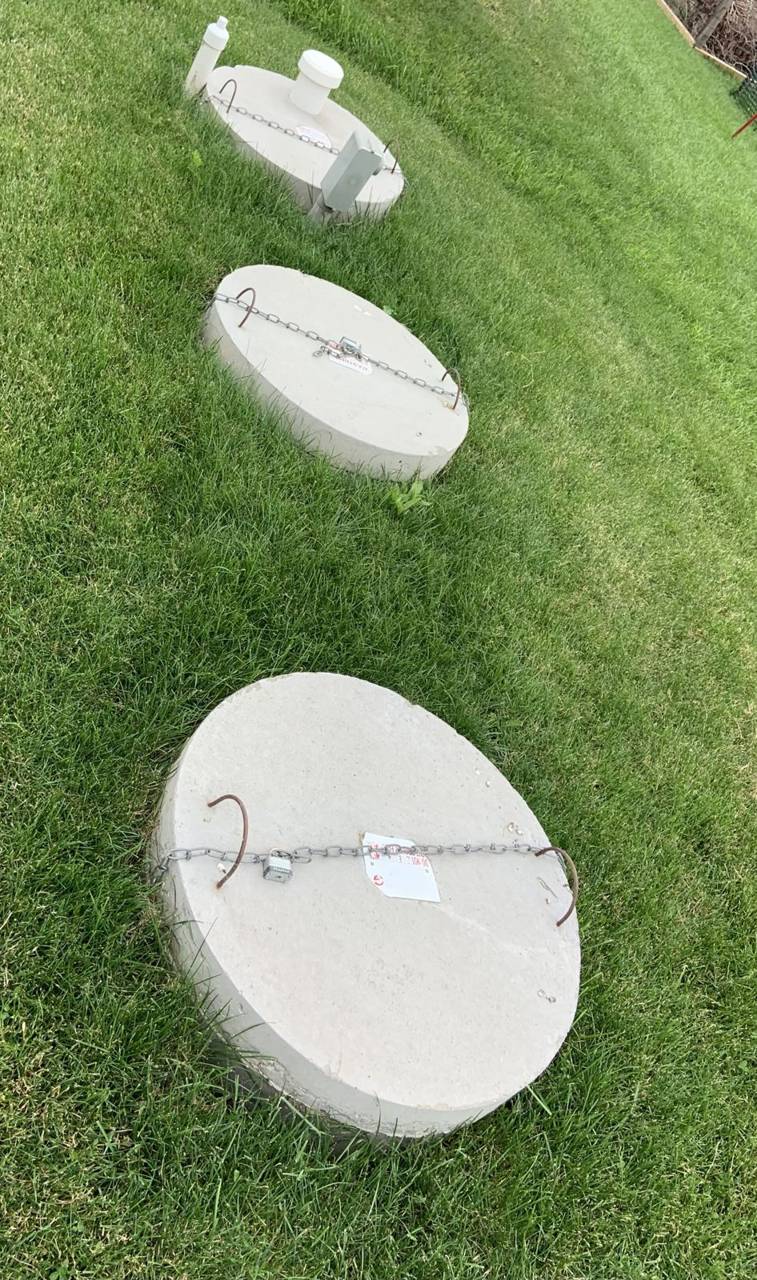
What to know in Southwest Austin
What counts as an emergency
Sewage inside the home, surfacing effluent and a steady alarm with a full tank cannot wait. A slow drain or a faint odor can usually be scheduled. If you are unsure, call and describe what you see, and we will help you sort the urgency. After pumping, the cause still matters. A tank can fill because of a field problem, a stuck float or a leaking fixture. Without finding the root cause, you may be calling again within days.
Rain and runoff
Storm runoff on Southwest Austin hillsides can send water straight across drain fields and into tank lids. Check that downspouts and drainage swales point away from the system. Standing water over the field is a sign to cut water use immediately. Ask whether you should move out of the house for the night. Small backups in a tub can often be managed by staying out of that area, but if sewage has spread across floors, professional cleaning may be required.
Documenting for follow-up
Photograph the problem, note the date and write down which fixtures were in use. That record helps with diagnosis, and it may help if an insurance claim or a city or county notice follows. Keep any service paperwork together. Make a list of recent changes. A new dishwasher, houseguests, a repaired pipe or a large cleaning job can all explain a sudden overload. That information helps pinpoint the cause quickly.
Signs you may need emergency septic service
- An aerobic system alarm that will not reset
- Strong sewage odor inside the house or around the tank
- Every drain in the house running slowly or gurgling
- A pump or aerator that has gone silent or will not run
How emergency septic service works
On arrival, we confirm what is actually happening before doing anything else. We locate and open the tank, check the liquid level and look at inlet and outlet baffles, filters, pumps, floats and controls. If the tank is full of solids, pumping may relieve the problem right away. If the line to the tank is blocked, clearing it may restore flow. If the problem is a failed part, such as a pump, float switch, aerator, timer or control panel, we explain what failed and what the repair involves. Some jobs can be stabilized the same day, while others need parts or a larger repair, and we will tell you which kind you have. Honest triage matters, because not every emergency needs a major repair.
Texas rules recognize that some failures cannot wait for paperwork. Under 30 TAC 285.35, certain emergency repairs can be made without a permit when they address an immediate and serious health hazard and do not change the system's planning materials or how it functions. The person making the repair must notify the permitting authority in writing within 72 hours after starting the work, describing the methods and materials used, and the authority may inspect the repair. Bigger changes, such as a replacement field or a new tank design, generally need a permit. Because local programs can be stricter than state minimums, confirm what applies in your county, whether that is Hays, Travis, Blanco or Burnet. When in doubt about whether your repair qualifies, ask the county before you assume it does.
What to expect on a Southwest Austin visit
- 01
Triage by phone
When you call, we ask what is happening, where the sewage is showing up, whether an alarm is sounding and what the system looks like. We give you safe steps to take while you wait, such as cutting back water use and keeping people away from contaminated areas. Please ask us about availability when you call, since we do not want to promise a timeframe we cannot confirm.
- 02
Make the scene safe
On site, we first look for hazards. We check for standing wastewater, electrical risks near wet equipment, and open or damaged lids. If needed, we advise shutting off power to a pump or aerator, limiting water use or keeping people out of an area. Safety comes before diagnosis, and we will not rush past a hazard.
- 03
Find the cause
We open the tank and trace the problem from the house to the disposal area. That means checking the main line, inlet and outlet, liquid level, filter, pump or aerator, float switches, control panel and the field itself. We separate what is causing the problem from what is only a symptom, so the repair is aimed at the right place.
- 04
Relieve and stabilize
Depending on the cause, we may pump the tank, clear a blocked line, reset or replace a failed control, or repair a leak. The goal is to get wastewater moving again in a safe way. If a full repair is not possible the same day, we explain how to use the system carefully until it is.
- 05
Document and notify
We record what we found and what was done, including methods and materials, because emergency repairs may require written notice to the permitting authority within 72 hours of starting work. We tell you whether the repair is likely to fall under that rule or whether it needs a permit, and we help you with the notice.
- 06
Plan the follow up
Once things are stable, we talk through what caused the failure and what comes next, from a pumping schedule to repairs of a worn drain field. We outline the options plainly and leave the decisions to you. Our aim is to turn a stressful day into a clear plan. We can also help you plan routine care.
Our approach in Southwest Austin
- We locate and open your tank, aerobic unit and dispersal area, including buried lids common on older Southwest Austin properties
- We explain what we find in plain language, with photos where they help
- Repairs and installs are planned around Travis County permitting requirements
- You get written options before any repair work begins
- Aerobic visits are recorded for your maintenance contract
Septic conditions around Southwest Austin
How do you confirm your wastewater status? Austin Water maintains an interactive map of OSSF jurisdiction that also shows whether a parcel sits on the Edwards Aquifer Recharge Zone or in the Barton Springs segment. Check it along with your utility bill. A wastewater line item means you are likely on city sewer. Water-only bills, or a private well, usually point to septic. Older permits are often available from the city. The distinction matters when you buy a home. An older Southwest Austin lot with mature trees may have a tank placed decades ago, with records that are incomplete. An inspection helps you learn the tank location, the system type and the field condition, and it identifies whether the home would be a candidate to connect to the city sewer if a line becomes available nearby.
Emergency Septic Service questions from Southwest Austin homeowners
What should I do first if sewage is backing up in my house?
Stop using water at once, including toilets and washers. Keep people and pets out of the affected area and open windows if you can. Then call for service. Do not try chemical drain cleaners, which can harm the bacteria in the tank and will not clear a full tank. Photograph the problem for your records. Tell us everything you notice when you call.
Is an overflowing septic tank near Barton Creek reportable?
A discharge that reaches a creek or a neighbor's land can raise regulatory concerns. Contact the City of Austin septic program or Travis County, depending on your address, if effluent leaves your property. We can help you describe what happened and what is being done to correct it, and we can pump the tank to stop further flow. Good records here protect you later.
Can a power outage cause a septic emergency?
For aerobic systems, yes. Without power the blower and pump stop, and the tank can fill if the outage lasts. Cut back on water use during outages. After power returns, check for alarms, and call if the panel does not reset or the tank sounds wrong. A surge protector on the panel circuit helps after storms. Keep a list of alarm and breaker locations handy.
Is a septic backup always an emergency?
Not always, but sewage inside the home or flowing across the yard should be treated as urgent because of the health risk. A single slow drain is often a local clog. If several fixtures back up at once, or you see wastewater outdoors, act quickly. When in doubt, limit water use and call for advice. Early action keeps a small problem from becoming a larger cleanup.
Does an emergency septic repair need a permit in Texas?
Under 30 TAC 285.35, certain emergency repairs that address an immediate and serious health hazard, and do not change the system's function, may be done without a permit. The person doing the work must notify the permitting authority in writing within 72 hours after starting. Larger changes need a permit. Check with your county to confirm. Local rules can be stricter than the state minimum, so confirm what your county expects.
Why is my aerobic system alarm going off?
Common causes include a high water level, a failed or stuck float, a tripped breaker, a failed aerator or pump, or a clogged filter. Some alarms are triggered by heavy rain or a power outage. Silence the alarm if the panel allows, cut back water use and call for service. Do not ignore it, because the alarm exists to warn you.
More about emergency septic service → · All septic services in Southwest Austin →
Need emergency septic service in Southwest Austin?
Call or send a request. We will ask a few questions about your system and the property, then schedule a visit.