Lakeway · Travis County
Emergency Septic Service in Lakeway, TX
A sewage backup, overflowing tank or alarm that will not stop is an emergency, especially near the lake where surfacing wastewater can run downhill. Stop water use, keep people and pets away, and call us. We check the tank, pumps and lines to identify the failure, and we tell you what we can fix right away and what needs follow-up. Please call about any sewage smell near the lake shore right away.
Emergency Septic Service for Lakeway homes
Septic trouble in Lakeway often arrives when the house is at its fullest. A holiday weekend, a lake party, or a rental stay can push a tank past its limit, and the first sign may be a toilet that will not flush or water pooling in the yard. Emergency septic service in Lakeway aims to stop the damage first and fix the cause second. Sewage in a lake-area yard is more than a nuisance, since runoff can move toward the water and the neighbors. Think about the particular risks of a lake home. Floors with finished wood or tile near the bathrooms, boat storage at a lower level, and basements all can be hit by a backup. Moving valuables up and away is the first protective step you can take.
Before help arrives, stop using water that goes to the system. That means laundry, dishwashers, baths, and extra flushes. Keep children and pets away from wet areas and from any sewage. Do not pour chemical drain cleaners into the system. If an aerobic alarm is sounding, note the light and the sound. If wastewater is moving toward the shoreline or a drainage ditch, contain it if you can do so safely, and tell us right away. Photographs of the problem help us plan, and they help with any report to the authority. If you manage a rental, give guests a one-page note with the shutoff location, what not to flush, and who to call. Many emergencies in rentals start with wipes or grease, and a simple note prevents a surprising number of them.
When we arrive, we trace the source before we pump. A backup may come from a full tank, a clogged filter, a failed pump, a blocked line, or a flooded field. Pumping can provide relief while a permanent fix is planned. We are also direct about what falls outside of our work, such as restoring flooring or drywall after a house backup. We do not promise a response time, but we will tell you what we can do and how to limit damage while you wait. After the emergency, we recommend a follow-up. A backup is a symptom, and learning the cause is the only way to prevent another. That may mean a repair, a change in water habits, or a new schedule for pumping and service.
What to know in Lakeway
Protecting the lake and neighbors
Wastewater that reaches Lake Travis or a drainage easement is a serious matter. If it leaves your property, tell us immediately and ask the authority for your address whether notice is required. Quick containment and documentation protect both the environment and you. Keep a basic spill kit at home with gloves, a bucket, absorbent material, and disinfectant.
Full-house weekends
Guests, parties, and rentals can send more water to a system than it was built for. If you expect a crowd, pump beforehand, spread out laundry, and ask guests to follow simple rules like no wipes. An overloaded system fails at the worst time. Know whether your home insurance covers sewage backup, and add coverage if it does not.
Tight lots and access
Narrow streets, steep drives, and HOA gates can slow a response. Share gate codes, parking notes, and tank location when you call. If you know where the lids are, mark them with cones or a chair so the crew can start sooner. Do not use the system until you are told it is safe, even if the water seems to have drained.
Signs you may need emergency septic service
- Wastewater pooling or flowing across the yard
- An aerobic system alarm that will not reset
- Strong sewage odor inside the house or around the tank
- Every drain in the house running slowly or gurgling
How emergency septic service works
Many emergencies turn out to have simple causes, and a quick check can sort the cause from the symptom. If only one fixture is slow, the problem is probably a local clog in a house drain, not the septic system. If every drain is slow or gurgling, the problem is likely in the main line or the tank. If the backup happens after heavy rain, saturated soil may be the cause. If an aerobic alarm is going off, a tripped breaker, a failed aerator, a stuck float or a blocked filter may be at fault. Telling us what you noticed, and when, helps us bring the right tools and decide how to proceed. Small details from you can save real time on site.
On arrival, we confirm what is actually happening before doing anything else. We locate and open the tank, check the liquid level and look at inlet and outlet baffles, filters, pumps, floats and controls. If the tank is full of solids, pumping may relieve the problem right away. If the line to the tank is blocked, clearing it may restore flow. If the problem is a failed part, such as a pump, float switch, aerator, timer or control panel, we explain what failed and what the repair involves. Some jobs can be stabilized the same day, while others need parts or a larger repair, and we will tell you which kind you have. Honest triage matters, because not every emergency needs a major repair.
What to expect on a Lakeway visit
- 01
Triage by phone
When you call, we ask what is happening, where the sewage is showing up, whether an alarm is sounding and what the system looks like. We give you safe steps to take while you wait, such as cutting back water use and keeping people away from contaminated areas. Please ask us about availability when you call, since we do not want to promise a timeframe we cannot confirm.
- 02
Make the scene safe
On site, we first look for hazards. We check for standing wastewater, electrical risks near wet equipment, and open or damaged lids. If needed, we advise shutting off power to a pump or aerator, limiting water use or keeping people out of an area. Safety comes before diagnosis, and we will not rush past a hazard.
- 03
Find the cause
We open the tank and trace the problem from the house to the disposal area. That means checking the main line, inlet and outlet, liquid level, filter, pump or aerator, float switches, control panel and the field itself. We separate what is causing the problem from what is only a symptom, so the repair is aimed at the right place.
- 04
Relieve and stabilize
Depending on the cause, we may pump the tank, clear a blocked line, reset or replace a failed control, or repair a leak. The goal is to get wastewater moving again in a safe way. If a full repair is not possible the same day, we explain how to use the system carefully until it is.
- 05
Document and notify
We record what we found and what was done, including methods and materials, because emergency repairs may require written notice to the permitting authority within 72 hours of starting work. We tell you whether the repair is likely to fall under that rule or whether it needs a permit, and we help you with the notice.
- 06
Plan the follow up
Once things are stable, we talk through what caused the failure and what comes next, from a pumping schedule to repairs of a worn drain field. We outline the options plainly and leave the decisions to you. Our aim is to turn a stressful day into a clear plan. We can also help you plan routine care.
Our approach in Lakeway
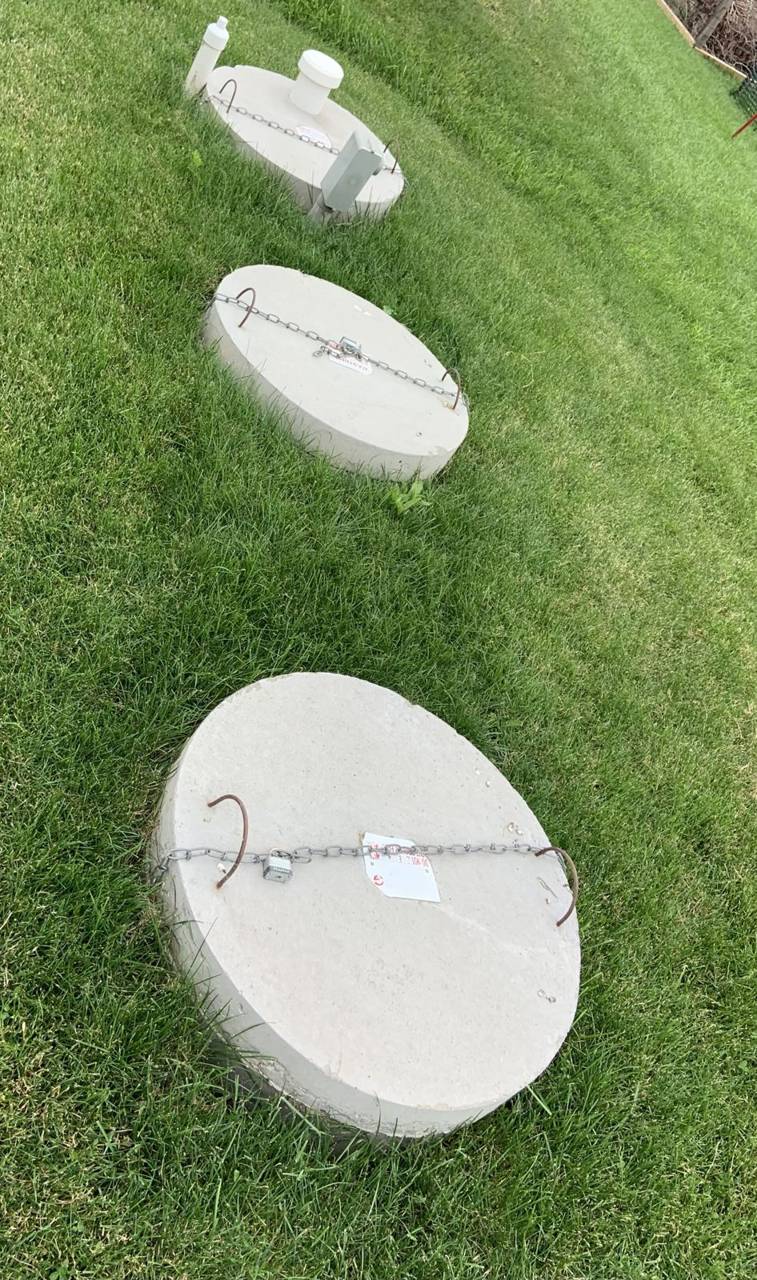
- We locate and open your tank, aerobic unit and dispersal area, including buried lids common on older Lakeway properties
- We explain what we find in plain language, with photos where they help
- Repairs and installs are planned around Travis County permitting requirements
- You get written options before any repair work begins
- Aerobic visits are recorded for your maintenance contract
Septic conditions around Lakeway
Lakeway is a mostly built-out lakeside city with golf, marinas and large homes along RR 620 and Lohmans Crossing. Because it grew with a central utility in mind, a large share of homes connect to sewer through Lakeway Municipal Utility District, which provides wastewater service to a portion of the city and some nearby areas. If your home is on the district's sewer, you do not own a septic tank, and we will tell you that honestly. Septic systems still exist in specific pockets. Local reporting has noted older sections of the city, such as Section 17, where homes use septic, though the details may have changed over time. Beyond the city limits, acreage and ranch properties on the roads west and north of Lakeway are almost entirely on septic. Those lots are where most of our Lakeway-area calls come from.
Emergency Septic Service questions from Lakeway homeowners
What qualifies as a septic emergency in Lakeway?
Sewage backing into the home, a toilet or drain that will not clear, wastewater on the ground, a constant alarm on an aerobic unit, or a strong sewage odor are urgent. Anything moving toward the lake or a neighbor's yard is also urgent. A single slow drain can usually wait for a scheduled visit, though it should still be checked. Mark the tank lid location where crews can find it, even in the dark.
Should I keep using the bathroom during a backup?
It is better not to. Every flush adds more water to a system that cannot take it, and the backup can spread. Use another restroom if you can, and stop laundry and dishwashing. Wait for guidance after we find the cause. If it is only a short delay, small steps now can save big cleanup later. If the spill is near the shoreline, take photos from several angles before cleanup begins.
Does emergency septic service cost more?
After-hours or urgent calls may be priced differently from scheduled visits, and the repair cost depends on what is wrong. We explain likely costs before work starts whenever we can. These are general points, not a price list. Ask about rates when you call so there are no surprises. Update your emergency contacts so family and property managers can reach us for you.
What should I do first if sewage is backing up in my house?
Stop using water right away. That means no laundry, dishwasher, showers or flushing unless you must. Keep children and pets away from the affected area and avoid skin contact with the sewage. If you can, open windows for ventilation. Then call a septic professional. Do not open the tank and go inside. Tank gases can be deadly. If you are unsure what is safe, describe the situation when you call and we can advise.
Is a septic backup always an emergency?
Not always, but sewage inside the home or flowing across the yard should be treated as urgent because of the health risk. A single slow drain is often a local clog. If several fixtures back up at once, or you see wastewater outdoors, act quickly. When in doubt, limit water use and call for advice. Early action keeps a small problem from becoming a larger cleanup.
Does an emergency septic repair need a permit in Texas?
Under 30 TAC 285.35, certain emergency repairs that address an immediate and serious health hazard, and do not change the system's function, may be done without a permit. The person doing the work must notify the permitting authority in writing within 72 hours after starting. Larger changes need a permit. Check with your county to confirm. Local rules can be stricter than the state minimum, so confirm what your county expects.
More about emergency septic service → · All septic services in Lakeway →
Need emergency septic service in Lakeway?
Call or send a request. We will ask a few questions about your system and the property, then schedule a visit.