Kyle · Hays County
Emergency Septic Service in Kyle, TX
Emergencies around Kyle often follow heavy rain, when saturated clay cannot absorb more water and tanks or fields back up. If sewage is entering the house or surfacing in the yard, stop using water, keep people and pets away, and call a professional. Do not use a flooded system until it has been checked. We determine whether the cause is a full tank, blocked line, failed pump or saturated soil, then work to stabilize it.
Emergency Septic Service for Kyle homes
A septic emergency on the edge of Kyle often follows rain. Clay soil saturates, the field stops accepting water, and a system that behaved last month starts backing up into the shower. Other triggers include a failed pump on an aerobic unit, a tank lid broken by a vehicle or a line collapsed by shifting ground. If your home is on City of Kyle sewer, call the city first. If it has a tank, call a septic company. It helps to be prepared before an emergency. Put a card near the breaker panel with the system type, tank size, last service date and our contact information. Teach everyone in the household where the main water shutoff is. In a crisis, a calm adult who can turn off water and describe the problem saves precious time.
Start with the basics. Stop using water. Do not run laundry or the dishwasher, and avoid flushing unless you must. Keep people and pets away from any sewage and do not use drain chemicals. If you have an aerobic system with an alarm, check the breaker. Take photos if you can. Then call and tell us what is happening, what type of system you have and what you see in the yard. Emergency does not always mean sewage in the house. A steady alarm on an ATU at midnight is an emergency of its own, because the tank may fill and overflow within hours of normal use. A cracked lid is an emergency if children play nearby. If something feels dangerous or is getting worse, trust that instinct and call.
When we arrive, we deal with the immediate problem first. Often, that means pumping the tank so you can use the house, then investigating why it filled. If the field is flooded, we explain how long to wait before regular use. If a part failed, we tell you whether it can be fixed now or needs ordering. We do not promise response times, but we will be honest about what is possible and what is not. After the situation stabilizes, we follow up. A same-day pump or part swap is a bandage if the underlying cause remains. We review what happened, check the field for damage and set a plan. In a growing area like Kyle, where heavy storms and clay soil combine, prevention is cheaper than the next emergency.
What to know in Kyle
Flooded fields after storms
When Plum Creek and its tributaries run high, nearby fields can be under or full of water. No amount of pumping helps if the ground cannot take water. Reduce use and wait for the ground to drain, then have the system checked. Keep gutters clear and discharge away from the field before storm season. It reduces the load when rain arrives.
Health precautions
Sewage carries bacteria. Wear gloves, wash up, keep children and pets away and disinfect hard surfaces. If a private well is near the problem, have the water tested before drinking. Check that your sump pump or French drain does not discharge into the septic system. It must not.
Make a plan for the next hours
Find a place to shower and do laundry while the system is out. Many families stay with relatives or use a gym. Planning for it removes pressure and helps you avoid forcing water into a full tank. If the emergency is after hours, leave a detailed message with address, gate codes and a callback number.
Signs you may need emergency septic service
- A pump or aerator that has gone silent or will not run
- Standing water over the tank or field after dry weather
- Sewage backing up into tubs, showers or floor drains
- Wastewater pooling or flowing across the yard
How emergency septic service works
An emergency repair often fixes the symptom, and a follow up fixes the cause. After the immediate hazard is controlled, ask what led to it. A tank that was overdue for pumping, a broken baffle, roots in a line, a failed pump or a worn drain field each call for a different plan. Aerobic owners should check that the maintenance contract is current, since a provider can often spot warning signs early. Keep the paperwork for any emergency repair, including the notice to the county, because future buyers and inspectors may ask for it. Once the system is stable, we help you set up a pumping and inspection routine that makes the next emergency much less likely. That habit is the best protection against another late night call.
A septic emergency is any situation where wastewater is coming up where it should not, or where the system has stopped doing its job and waiting would be unsafe. Typical examples include sewage backing up into tubs, showers or floor drains, effluent pooling in the yard, a tank overflowing, an aerobic system alarm that will not clear, and a pump or aerator that has quit while the home keeps producing wastewater. Wastewater can carry bacteria and viruses, so treat it as a health hazard. Emergency septic service in Dripping Springs and nearby Hill Country communities is about two things: making the situation safe first, then finding the real cause so it does not come back next week. Knowing the difference between an urgent problem and a nuisance helps you respond calmly.
What to expect on a Kyle visit
- 01
Triage by phone
When you call, we ask what is happening, where the sewage is showing up, whether an alarm is sounding and what the system looks like. We give you safe steps to take while you wait, such as cutting back water use and keeping people away from contaminated areas. Please ask us about availability when you call, since we do not want to promise a timeframe we cannot confirm.
- 02
Make the scene safe
On site, we first look for hazards. We check for standing wastewater, electrical risks near wet equipment, and open or damaged lids. If needed, we advise shutting off power to a pump or aerator, limiting water use or keeping people out of an area. Safety comes before diagnosis, and we will not rush past a hazard.
- 03
Find the cause
We open the tank and trace the problem from the house to the disposal area. That means checking the main line, inlet and outlet, liquid level, filter, pump or aerator, float switches, control panel and the field itself. We separate what is causing the problem from what is only a symptom, so the repair is aimed at the right place.
- 04
Relieve and stabilize
Depending on the cause, we may pump the tank, clear a blocked line, reset or replace a failed control, or repair a leak. The goal is to get wastewater moving again in a safe way. If a full repair is not possible the same day, we explain how to use the system carefully until it is.
- 05
Document and notify
We record what we found and what was done, including methods and materials, because emergency repairs may require written notice to the permitting authority within 72 hours of starting work. We tell you whether the repair is likely to fall under that rule or whether it needs a permit, and we help you with the notice.
- 06
Plan the follow up
Once things are stable, we talk through what caused the failure and what comes next, from a pumping schedule to repairs of a worn drain field. We outline the options plainly and leave the decisions to you. Our aim is to turn a stressful day into a clear plan. We can also help you plan routine care.
Our approach in Kyle
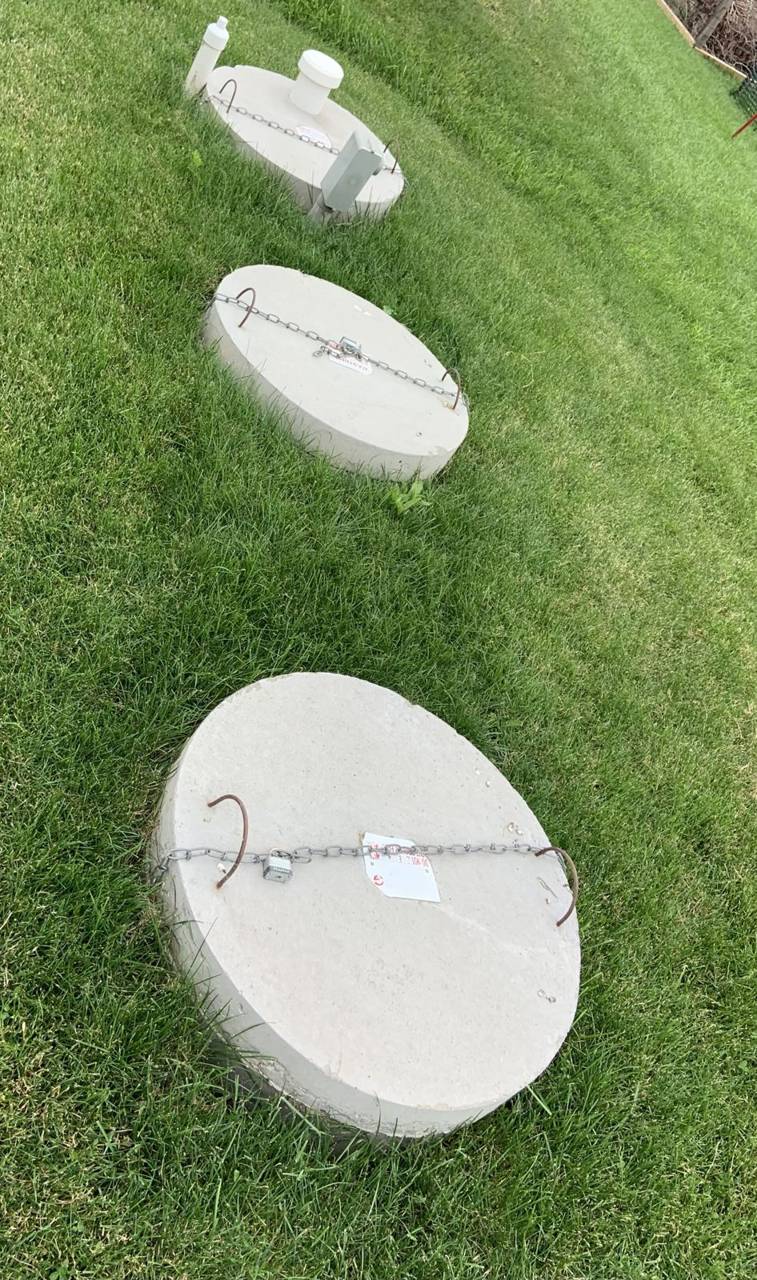
- We locate and open your tank, aerobic unit and dispersal area, including buried lids common on older Kyle properties
- We explain what we find in plain language, with photos where they help
- Repairs and installs are planned around Hays County permitting requirements
- You get written options before any repair work begins
- Aerobic visits are recorded for your maintenance contract
Septic conditions around Kyle
Knowing which category your address falls into is the most useful thing a Kyle homeowner can do. Check your utility bill for a sewer charge. If you have one, you are connected. If you do not, you most likely have a tank somewhere in the yard. Properties along FM 150 outside the city, on county roads and in unincorporated pockets near Kyle generally rely on septic or aerobic treatment. Be careful with annexation, too. A property that was rural a few years ago may now be inside city limits, though that does not automatically mean sewer service has reached it. If a line becomes available, the city may require or encourage connection, so ask. Until then, an existing septic system still needs regular pumping and care, and neglect on a small lot can affect neighbors quickly.
Emergency Septic Service questions from Kyle homeowners
What if sewage is coming up in my yard in Kyle?
Stop water use, keep people and pets away and call. Surface sewage means the field or tank is overloaded or blocked. Pumping may provide relief, but the cause needs finding. If you share a property line with a neighbor, mention it so we can check for spread. Tell us about hazards on the property, such as aggressive dogs, uneven ground or hidden obstacles, so we can work safely.
Is it safe to stay in the house?
If sewage is inside the home, limit contact, ventilate and avoid contaminated areas. If it is only in the yard and you stop using water, many households remain in the house. Use your judgment, and stay elsewhere if odors are strong or you have vulnerable family members. Write down your water meter reading at the start of the problem. It helps us tell whether a leak is involved.
Could the problem be the city's sewer main?
If your home is connected to the City of Kyle system, yes. A blocked main can back up several homes. Ask neighbors, then call the city's utility line. If you have a septic tank, the city is not involved and the issue is on your property. Do not pour bleach or cleaners into the tank to fix smells. They harm the bacteria.
Should I pump my tank when it backs up?
Pumping often relieves a backup caused by a full tank, but it does not fix a broken baffle, a blocked field or a failed pump. If the tank is full of solids, pumping is a sensible first step. Afterward, the cause must still be found, or the problem will return, sometimes within days. A follow up inspection helps confirm the real cause and prevent a repeat.
How much does emergency septic service cost?
It depends on the cause, the time of day, the tank size and the parts involved. As a general market range, pumping commonly runs a few hundred dollars, and repairs can climb from there. After hours calls may carry extra charges. Ask what applies and what the work will include before you agree to start. Ask whether the quote covers disposal, parts and any required county notice.
Is it safe to stay in the house during a backup?
It depends on the extent. Small backups limited to a floor drain can often be handled with care, but significant sewage inside the home is a health risk, especially for young children, older adults and anyone with a weak immune system. If sewage covers floors or the odor is strong, consider staying elsewhere until it is cleaned up. Cleaning with proper protective gear matters, so avoid doing it barehanded.
More about emergency septic service → · All septic services in Kyle →
Need emergency septic service in Kyle?
Call or send a request. We will ask a few questions about your system and the property, then schedule a visit.