Johnson City · Blanco County
Emergency Septic Service in Johnson City, TX
A sewage backup, nonstop alarm or wastewater surfacing in the yard is an emergency, and rural distance makes quick action valuable. Stop using water, keep people and pets away, and call us. We check the tank, pump and lines to find the cause and explain what can be fixed immediately and what needs follow-up. Rural distances make an early call especially helpful, so please do not wait.
Emergency Septic Service for Johnson City homes
Septic emergencies near Johnson City can be especially stressful because many homes sit miles from town. Sewage backing up into a shower, a tank alarm that will not stop or effluent bubbling in the yard each demands quick action. Knowing the first steps can protect your home, your family and your land while you wait for help. Preparation is the best insurance. Learn where your cleanouts, tank lids and control panel are. Know the main water shutoff. Store our number in your phone and on the fridge. If you manage rental property, give guests a simple instruction sheet that says what to do if a drain backs up. Those few minutes now save hours later. Out here, a few minutes of preparation matters.
Start by stopping water use. Hold off on laundry, the dishwasher and long showers. If sewage is inside, keep people and pets out and open windows for airflow. Do not open the tank or enter it, because gases and heavy lids are dangerous. Write down what happened just before the trouble began and what alarm lights show. Those details help us find the cause sooner. On arrival, we assess safety, find the source of the problem and work to stop damage. For a full tank, that means pumping. For a blocked line, clearing it. For an aerobic unit, checking power, float and pump. We keep the work area controlled and tell you what we find. Once stable, we discuss whether a follow-up repair or inspection is needed.
Common causes include a full tank, a blocked outlet filter, a failed pump or float, a tripped breaker after a storm and a field saturated by heavy rain. We pump the tank if needed, clear the blockage, test the system and tell you what must be repaired. We do not promise specific arrival times, since distances, weather and call volume vary, but we will be straightforward about what we can do. Not every emergency is truly urgent, and we are glad to help you sort that out. A slow drain can wait for a regular visit, but a toilet overflowing with sewage cannot. When in doubt, call and describe what you see. We would rather talk it through than have you wait while a small issue grows.
What to know in Johnson City
Flash floods and low crossings
Heavy rain can flood low-water crossings and saturate fields near draws and the Pedernales. If roads are unsafe, do not drive through water. Reduce water use, keep people away from wet ground and tell us about access problems when you call. Keep your cell phone charged and have a backup power plan. Alarms and calls matter when power fails. A small battery pack helps during storms.
Protecting wells and neighbors
Effluent surfacing near a well or running onto a neighbor's property is serious. Keep people and animals away, stop water use and call right away. If effluent leaves your land, contact Blanco County so the issue is on record and handled properly. If the house has a basement or low floor drains, backups tend to appear there first. Put towels or plastic where you can, but do not wade through sewage barefoot.
Be ready before it happens
Keep our number, your tank size, permit information and lid locations in one place near the breaker box. If you rent to others or have a caretaker, share the same information. Preparation shortens every emergency. If you are renting, tell the landlord immediately and keep a written record. Responsibility for repairs depends on your lease, and quick notice protects everyone.
Signs you may need emergency septic service
- Every drain in the house running slowly or gurgling
- A pump or aerator that has gone silent or will not run
- Standing water over the tank or field after dry weather
- Sewage backing up into tubs, showers or floor drains
How emergency septic service works
An emergency repair often fixes the symptom, and a follow up fixes the cause. After the immediate hazard is controlled, ask what led to it. A tank that was overdue for pumping, a broken baffle, roots in a line, a failed pump or a worn drain field each call for a different plan. Aerobic owners should check that the maintenance contract is current, since a provider can often spot warning signs early. Keep the paperwork for any emergency repair, including the notice to the county, because future buyers and inspectors may ask for it. Once the system is stable, we help you set up a pumping and inspection routine that makes the next emergency much less likely. That habit is the best protection against another late night call.
A septic emergency is any situation where wastewater is coming up where it should not, or where the system has stopped doing its job and waiting would be unsafe. Typical examples include sewage backing up into tubs, showers or floor drains, effluent pooling in the yard, a tank overflowing, an aerobic system alarm that will not clear, and a pump or aerator that has quit while the home keeps producing wastewater. Wastewater can carry bacteria and viruses, so treat it as a health hazard. Emergency septic service in Dripping Springs and nearby Hill Country communities is about two things: making the situation safe first, then finding the real cause so it does not come back next week. Knowing the difference between an urgent problem and a nuisance helps you respond calmly.
What to expect on a Johnson City visit
- 01
Triage by phone
When you call, we ask what is happening, where the sewage is showing up, whether an alarm is sounding and what the system looks like. We give you safe steps to take while you wait, such as cutting back water use and keeping people away from contaminated areas. Please ask us about availability when you call, since we do not want to promise a timeframe we cannot confirm.
- 02
Make the scene safe
On site, we first look for hazards. We check for standing wastewater, electrical risks near wet equipment, and open or damaged lids. If needed, we advise shutting off power to a pump or aerator, limiting water use or keeping people out of an area. Safety comes before diagnosis, and we will not rush past a hazard.
- 03
Find the cause
We open the tank and trace the problem from the house to the disposal area. That means checking the main line, inlet and outlet, liquid level, filter, pump or aerator, float switches, control panel and the field itself. We separate what is causing the problem from what is only a symptom, so the repair is aimed at the right place.
- 04
Relieve and stabilize
Depending on the cause, we may pump the tank, clear a blocked line, reset or replace a failed control, or repair a leak. The goal is to get wastewater moving again in a safe way. If a full repair is not possible the same day, we explain how to use the system carefully until it is.
- 05
Document and notify
We record what we found and what was done, including methods and materials, because emergency repairs may require written notice to the permitting authority within 72 hours of starting work. We tell you whether the repair is likely to fall under that rule or whether it needs a permit, and we help you with the notice.
- 06
Plan the follow up
Once things are stable, we talk through what caused the failure and what comes next, from a pumping schedule to repairs of a worn drain field. We outline the options plainly and leave the decisions to you. Our aim is to turn a stressful day into a clear plan. We can also help you plan routine care.
Our approach in Johnson City
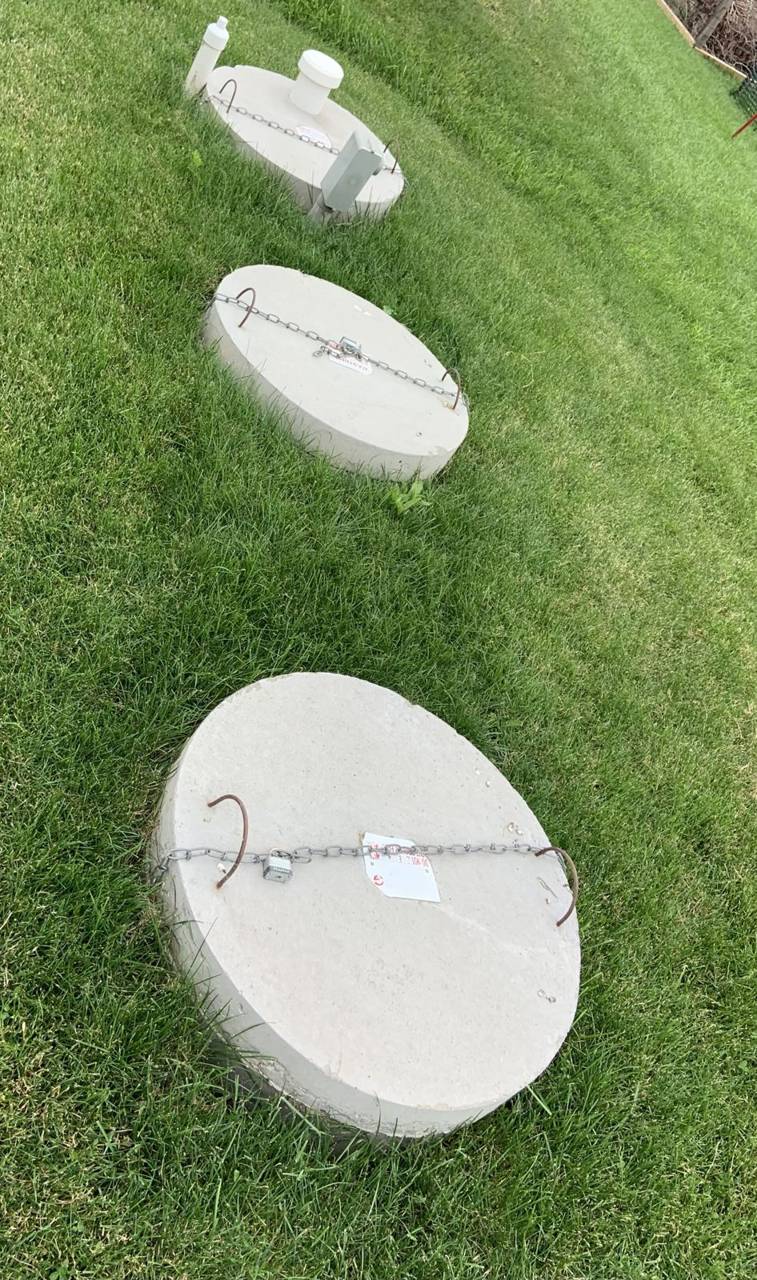
- We locate and open your tank, aerobic unit and dispersal area, including buried lids common on older Johnson City properties
- We explain what we find in plain language, with photos where they help
- Repairs and installs are planned around Blanco County permitting requirements
- You get written options before any repair work begins
- Aerobic visits are recorded for your maintenance contract
Septic conditions around Johnson City
Weather around Johnson City can be harsh on septic systems. Long dry spells shrink clay soils and can crack lines, loosen lids and expose pipes. Then a fast storm hits, and the Pedernales River and the smaller creeks around town rise quickly, flooding low-lying yards and saturating drain fields. Thin soil on slopes sheds water rapidly, but fields at the base of a slope may stay soggy long afterward. Spread out laundry and dishwasher loads during wet periods, and avoid pumping a tank when the ground is saturated. Watch for slow drains, odors, wet areas and alarms. Out here, help can be a long drive away, so a basic understanding of your system and a routine maintenance schedule are your best protection against surprise failures during a holiday weekend. Knowing where your tank and lids are, and writing it down, saves time in a real emergency.
Emergency Septic Service questions from Johnson City homeowners
What should I do if my septic alarm sounds and the tank is full?
Stop using water immediately, silence the alarm if possible and call for service. A full tank can back up into the house within hours. Do not pour chemicals into the system. Note the alarm type and any recent events such as heavy laundry, guests or storms. Cut water use and wait for help. Do not run washers or showers hoping to clear the line. Extra water only pushes more sewage into the house.
Could a drought cause septic trouble?
Yes, in some cases. Dry clay can crack and let water move unevenly, roots may dig toward lines, and a seldom-used system can develop odors. A sudden storm after drought then floods the field. A seasonal check and a pumped tank help reduce those risks. Sometimes. Extended dry periods followed by a deluge can cause field saturation. Pumping before the wet season and keeping the field free of compaction are practical steps.
Is sewage in my yard a health risk?
Yes. Raw sewage can carry bacteria and viruses. Keep children and pets away, avoid contact and wash hands after any exposure. Stopping water use and getting the tank pumped limits further flow. A professional can advise on cleanup and when the area is safe again. Cleanup depends on what was contaminated. Hard surfaces can be disinfected. Carpet and drywall may need professional removal. Contact your insurer and keep photos and receipts.
Why is my aerobic system alarm going off?
Common causes include a high water level, a failed or stuck float, a tripped breaker, a failed aerator or pump, or a clogged filter. Some alarms are triggered by heavy rain or a power outage. Silence the alarm if the panel allows, cut back water use and call for service. Do not ignore it, because the alarm exists to warn you.
Can heavy rain cause a septic emergency?
Yes. Saturated soil cannot absorb treated wastewater, especially in the thin soils common in the Hill Country. Backups, soggy fields and alarms can follow a big storm. Limiting water use until the ground drains helps. If problems continue after the soil dries, the system likely has a deeper issue that needs a closer look. Rain-related problems often ease as the soil dries, but repeated trouble points to a deeper cause.
Should I pump my tank when it backs up?
Pumping often relieves a backup caused by a full tank, but it does not fix a broken baffle, a blocked field or a failed pump. If the tank is full of solids, pumping is a sensible first step. Afterward, the cause must still be found, or the problem will return, sometimes within days. A follow up inspection helps confirm the real cause and prevent a repeat.
More about emergency septic service → · All septic services in Johnson City →
Need emergency septic service in Johnson City?
Call or send a request. We will ask a few questions about your system and the property, then schedule a visit.