Dripping Springs · Hays County
Emergency Septic Service in Dripping Springs, TX
A backup, alarm or overflowing tank does not wait for business hours, and storms make Hill Country problems worse. If sewage is entering the house, stop using water, keep people and pets away from pooled wastewater, and call a professional. Quick action limits damage and protects your well, which many properties here depend on. We assess the cause, whether that is a full tank, a blocked line, a failed pump or a flooded field, and stabilize the situation before a permanent fix is planned.
Emergency Septic Service for Dripping Springs homes
A septic emergency in Dripping Springs usually shows up at a bad moment. Sewage backing into a tub during a family gathering, an alarm sounding at night, or a pool of wastewater beside the driveway after a storm all call for fast action. The first step is to stop adding water. Skip laundry, dishwashers and showers, and keep people and pets away from any standing wastewater. Then call for help and describe exactly what you see and hear. If you hear an alarm, check whether any breakers have tripped, but do not start opening the panel. Note what the alarm light looks like and mention it on the phone so we can bring the right parts.
What we do on arrival depends on the cause. A full tank on a conventional system may need immediate pumping. A tripped breaker or failed pump on an aerobic system may mean restoring power or replacing a part. A blocked line between the house and tank is often cleared with a camera and jetting. Our goal is to stop the sewage coming into your house, then find the underlying cause so it does not repeat next week. For repeated backups, we look past the emergency itself. A short-term fix lets you use the house tonight, and a follow-up visit finds the reason the system quit when it did.
Dripping Springs adds its own wrinkles. Storms can knock out power for hours, and aerobic systems stop working without it. Flash flooding along creeks like Onion Creek and Barton Creek can saturate fields and cover tank lids. Rough, steep driveways can slow any truck. We encourage owners to keep the panel location, gate code and tank map handy. Having that information ready makes an emergency call faster and less stressful for everyone. Many Dripping Springs households have wells as well as septic, so we also keep an eye on the separation between the two and tell you if a spill may have reached the well area.
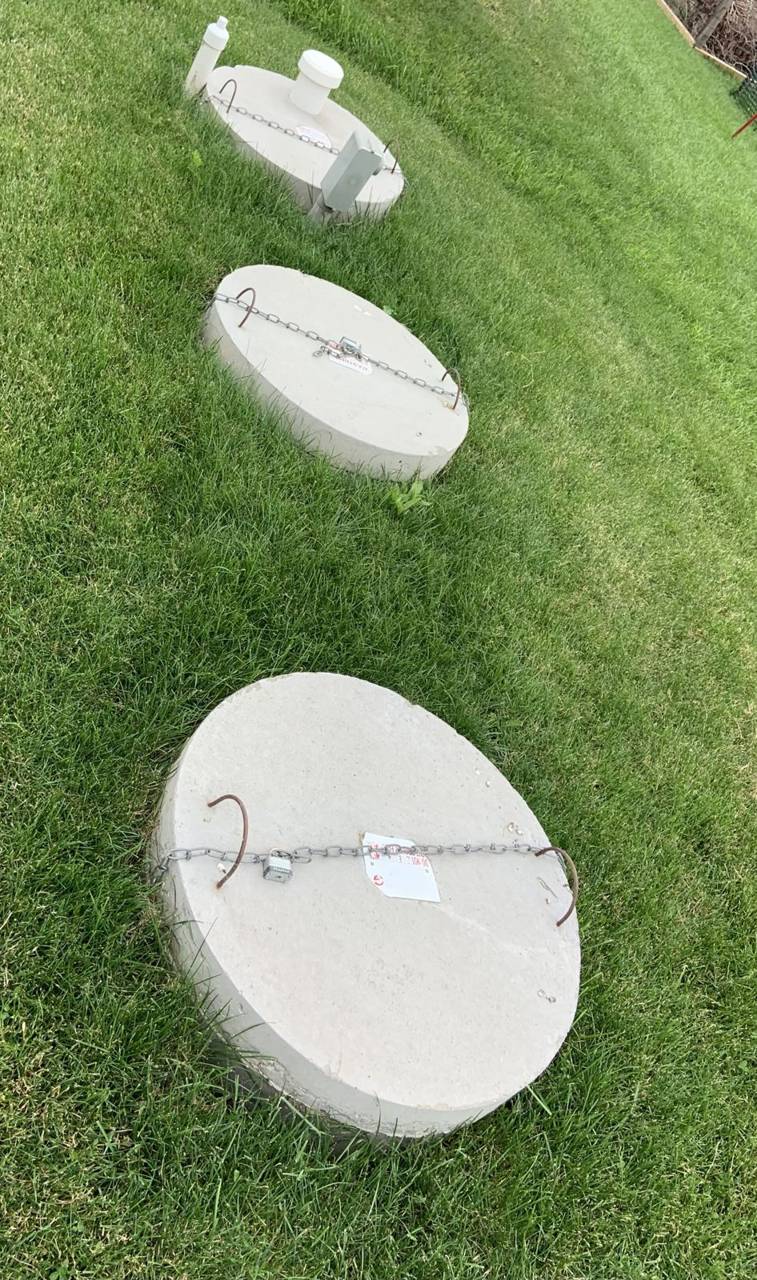
What to know in Dripping Springs
Safety first
Raw sewage carries bacteria and viruses. Keep children and pets away, wear gloves and boots if you must go near it, and wash up well afterward. Do not open a tank lid yourself, since gases inside can be dangerous and a missing lid is a fall hazard. Keep a flashlight near the panel.
After storms and floods
Heavy rain can saturate the soil and keep a drain field from absorbing water. Do not pump a tank in flooded ground without advice, since an empty tank can float out of the saturated soil. Wait for water to recede, then call for an evaluation of the tank and field. Rubber boots are a good idea.
Be reachable and be ready
Make sure we can find you. Rural addresses in the Dripping Springs area can be tricky to locate, and gates stop trucks. Note your cross roads, share the gate code, and keep your permit or system map where you can find it quickly when the pressure is on. Call before you dig.
Signs you may need emergency septic service
- Sewage backing up into tubs, showers or floor drains
- Wastewater pooling or flowing across the yard
- An aerobic system alarm that will not reset
- Strong sewage odor inside the house or around the tank
How emergency septic service works
A septic emergency is any situation where wastewater is coming up where it should not, or where the system has stopped doing its job and waiting would be unsafe. Typical examples include sewage backing up into tubs, showers or floor drains, effluent pooling in the yard, a tank overflowing, an aerobic system alarm that will not clear, and a pump or aerator that has quit while the home keeps producing wastewater. Wastewater can carry bacteria and viruses, so treat it as a health hazard. Emergency septic service in Dripping Springs and nearby Hill Country communities is about two things: making the situation safe first, then finding the real cause so it does not come back next week. Knowing the difference between an urgent problem and a nuisance helps you respond calmly.
Your first steps can reduce the damage while help is on the way. Stop using water as much as you can. That means no laundry, no dishwasher, no long showers and no flushing unless it is necessary. If sewage is inside, keep children and pets away, avoid touching it with bare skin, and open windows if the odor is strong. If an alarm is sounding, silence it using the switch if one is available, but do not ignore it, because the alarm is telling you something is wrong. Never open a tank lid and climb in, and do not lean over an open tank. Tank gases can overcome a person quickly, and tank accidents are often deadly. Once the immediate danger is handled, the next step is a calm look at what went wrong.
What to expect on a Dripping Springs visit
- 01
Triage by phone
When you call, we ask what is happening, where the sewage is showing up, whether an alarm is sounding and what the system looks like. We give you safe steps to take while you wait, such as cutting back water use and keeping people away from contaminated areas. Please ask us about availability when you call, since we do not want to promise a timeframe we cannot confirm.
- 02
Make the scene safe
On site, we first look for hazards. We check for standing wastewater, electrical risks near wet equipment, and open or damaged lids. If needed, we advise shutting off power to a pump or aerator, limiting water use or keeping people out of an area. Safety comes before diagnosis, and we will not rush past a hazard.
- 03
Find the cause
We open the tank and trace the problem from the house to the disposal area. That means checking the main line, inlet and outlet, liquid level, filter, pump or aerator, float switches, control panel and the field itself. We separate what is causing the problem from what is only a symptom, so the repair is aimed at the right place.
- 04
Relieve and stabilize
Depending on the cause, we may pump the tank, clear a blocked line, reset or replace a failed control, or repair a leak. The goal is to get wastewater moving again in a safe way. If a full repair is not possible the same day, we explain how to use the system carefully until it is.
- 05
Document and notify
We record what we found and what was done, including methods and materials, because emergency repairs may require written notice to the permitting authority within 72 hours of starting work. We tell you whether the repair is likely to fall under that rule or whether it needs a permit, and we help you with the notice.
- 06
Plan the follow up
Once things are stable, we talk through what caused the failure and what comes next, from a pumping schedule to repairs of a worn drain field. We outline the options plainly and leave the decisions to you. Our aim is to turn a stressful day into a clear plan. We can also help you plan routine care.
Our approach in Dripping Springs
- We locate and open your tank, aerobic unit and dispersal area, including buried lids common on older Dripping Springs properties
- We explain what we find in plain language, with photos where they help
- Repairs and installs are planned around Hays County permitting requirements
- You get written options before any repair work begins
- Aerobic visits are recorded for your maintenance contract
Septic conditions around Dripping Springs
Growth has changed Dripping Springs quickly. Older homes on acreage and small ranches now share the area with newer neighborhoods, and new construction keeps appearing along US-290, RR 12 and FM 150. That mix means you can find a decades-old conventional tank on one lot and a modern aerobic system on the next. Older systems were often sized for fewer bedrooms and fewer people than the house holds today, and a remodel or an added bathroom can push a tank past the load it was designed to handle. Newer builds usually come with aerobic units, risers and a spray field or drip lines, along with a maintenance contract from day one. Many Hill Country homes also use a private well, so drinking water and wastewater sit close together on the same property. A failing system matters more here than it would on a small city lot. When we visit a Dripping Springs property, the first job is working out what kind of system is there, how old it is, and what the household really puts through it.
Emergency Septic Service questions from Dripping Springs homeowners
What counts as a septic emergency?
Sewage in the house, a continuously sounding alarm, sewage on the surface of the yard, or a total loss of drainage are emergencies. A slow drain alone is urgent but usually not an emergency. When you are unsure, call and describe the situation, and we will help you decide how fast to act. Do not pump flooded ground alone.
What should I do before help arrives?
Stop using water, keep everyone away from the wastewater and take photos for reference. Locate your tank lids and clear a path for the truck. Turn off a pump breaker only if you are told to. Do not pour chemicals or drain cleaners into the system, since they can make things worse. Tell us about any wells nearby.
Can an emergency visit fix the problem permanently?
Often it solves the immediate backup, such as by pumping or clearing a line. If the root cause is a failed pump, broken line or damaged field, you may need a follow-up repair. We explain what was done, what remains and how urgent the next step is, so you can plan. Keep your address clear for dispatch.
What should I do first if sewage is backing up in my house?
Stop using water right away. That means no laundry, dishwasher, showers or flushing unless you must. Keep children and pets away from the affected area and avoid skin contact with the sewage. If you can, open windows for ventilation. Then call a septic professional. Do not open the tank and go inside. Tank gases can be deadly. If you are unsure what is safe, describe the situation when you call and we can advise.
Is a septic backup always an emergency?
Not always, but sewage inside the home or flowing across the yard should be treated as urgent because of the health risk. A single slow drain is often a local clog. If several fixtures back up at once, or you see wastewater outdoors, act quickly. When in doubt, limit water use and call for advice. Early action keeps a small problem from becoming a larger cleanup.
Does an emergency septic repair need a permit in Texas?
Under 30 TAC 285.35, certain emergency repairs that address an immediate and serious health hazard, and do not change the system's function, may be done without a permit. The person doing the work must notify the permitting authority in writing within 72 hours after starting. Larger changes need a permit. Check with your county to confirm. Local rules can be stricter than the state minimum, so confirm what your county expects.
More about emergency septic service → · All septic services in Dripping Springs →
Need emergency septic service in Dripping Springs?
Call or send a request. We will ask a few questions about your system and the property, then schedule a visit.