Driftwood · Hays County
Emergency Septic Service in Driftwood, TX
Emergencies in Driftwood are often storm related. After heavy rain, a field can flood, a pump can lose power and a creek crossing can block the road. If sewage is backing into the house or pooling in the yard, limit water use, keep people and animals away, and call for help. On acreage with a well, quick action also protects your drinking water. We assess whether the problem is a full tank, a blocked line, a failed pump or a saturated field.
Emergency Septic Service for Driftwood homes
A septic emergency on a Driftwood property can take longer to notice than one in town. Sewage in a back pasture or a wet patch beyond the house may go unseen for days. Indoors, a backup in the lowest shower or toilet is the most obvious sign. If you see sewage on the ground, in the house or around the well head, treat it as urgent. Stop using water, keep children and pets away, and call. The quicker the source is found, the less spreads across the property. If you can, keep a printed card near the phone with the address, gate code, tank sketch and the county permit number. In a stressful moment, that card is the fastest way to get help moving.
Distance is part of any emergency here. Driftwood is a drive from town, FM 150 and FM 1826 are two-lane roads, and rural addresses can be hard to find in the dark. When you call, give us the road, nearest cross street, gate details and a landmark. Tell us whether the problem is inside the house, outside or at an alarm panel. Clear information lets us bring the right tools, such as a jetter, camera, pump or replacement parts, on the first trip. We also make a point of telling you what is safe to do while you wait, such as turning off the dishwasher and moving rugs and furniture away from the backup.
After the immediate crisis, we look at what caused it. A full tank, a failed aerobic pump, a plugged line, a flooded field after heavy rain or a power outage each call for different follow-up. During a flash flood, Onion Creek and smaller drainages can leave fields saturated and lids under water, and nothing should be pumped until the ground can hold the tank. We keep notes so you leave with a plan and not just a temporary fix. On a hot Texas afternoon, a ruptured line can saturate soil quickly. Quick action protects the lawn, the trees and the neighbor's fence line. Afterward, wash hands and boots well, and keep pets off the area until the ground has dried. We will tell you what cleanup is appropriate for the surface involved.
What to know in Driftwood
Sewage near a well
If wastewater reaches the ground near your well, avoid drinking the water until it has been tested. Contact a well professional or your local health authority for guidance. We can help stop the source, but water testing is a separate and important step. Keep a flashlight handy.
Giving good directions
Rural lanes may lack signs or clear addresses. Share a map pin, the gate code and any landmarks. Mention steep or soft sections of your driveway. Good directions are one of the easiest ways to shorten an emergency visit. Wear gloves and boots.
Floods and standing water
Low spots near Onion Creek tributaries can take on water quickly. Avoid walking through flooded areas near lids or fields, and do not run the system until the ground drains. We will assess damage and restart components safely when conditions allow. Call early if you are unsure.
Signs you may need emergency septic service
- Wastewater pooling or flowing across the yard
- An aerobic system alarm that will not reset
- Strong sewage odor inside the house or around the tank
- Every drain in the house running slowly or gurgling
How emergency septic service works
Your first steps can reduce the damage while help is on the way. Stop using water as much as you can. That means no laundry, no dishwasher, no long showers and no flushing unless it is necessary. If sewage is inside, keep children and pets away, avoid touching it with bare skin, and open windows if the odor is strong. If an alarm is sounding, silence it using the switch if one is available, but do not ignore it, because the alarm is telling you something is wrong. Never open a tank lid and climb in, and do not lean over an open tank. Tank gases can overcome a person quickly, and tank accidents are often deadly. Once the immediate danger is handled, the next step is a calm look at what went wrong.
Many emergencies turn out to have simple causes, and a quick check can sort the cause from the symptom. If only one fixture is slow, the problem is probably a local clog in a house drain, not the septic system. If every drain is slow or gurgling, the problem is likely in the main line or the tank. If the backup happens after heavy rain, saturated soil may be the cause. If an aerobic alarm is going off, a tripped breaker, a failed aerator, a stuck float or a blocked filter may be at fault. Telling us what you noticed, and when, helps us bring the right tools and decide how to proceed. Small details from you can save real time on site.
What to expect on a Driftwood visit
- 01
Triage by phone
When you call, we ask what is happening, where the sewage is showing up, whether an alarm is sounding and what the system looks like. We give you safe steps to take while you wait, such as cutting back water use and keeping people away from contaminated areas. Please ask us about availability when you call, since we do not want to promise a timeframe we cannot confirm.
- 02
Make the scene safe
On site, we first look for hazards. We check for standing wastewater, electrical risks near wet equipment, and open or damaged lids. If needed, we advise shutting off power to a pump or aerator, limiting water use or keeping people out of an area. Safety comes before diagnosis, and we will not rush past a hazard.
- 03
Find the cause
We open the tank and trace the problem from the house to the disposal area. That means checking the main line, inlet and outlet, liquid level, filter, pump or aerator, float switches, control panel and the field itself. We separate what is causing the problem from what is only a symptom, so the repair is aimed at the right place.
- 04
Relieve and stabilize
Depending on the cause, we may pump the tank, clear a blocked line, reset or replace a failed control, or repair a leak. The goal is to get wastewater moving again in a safe way. If a full repair is not possible the same day, we explain how to use the system carefully until it is.
- 05
Document and notify
We record what we found and what was done, including methods and materials, because emergency repairs may require written notice to the permitting authority within 72 hours of starting work. We tell you whether the repair is likely to fall under that rule or whether it needs a permit, and we help you with the notice.
- 06
Plan the follow up
Once things are stable, we talk through what caused the failure and what comes next, from a pumping schedule to repairs of a worn drain field. We outline the options plainly and leave the decisions to you. Our aim is to turn a stressful day into a clear plan. We can also help you plan routine care.
Our approach in Driftwood
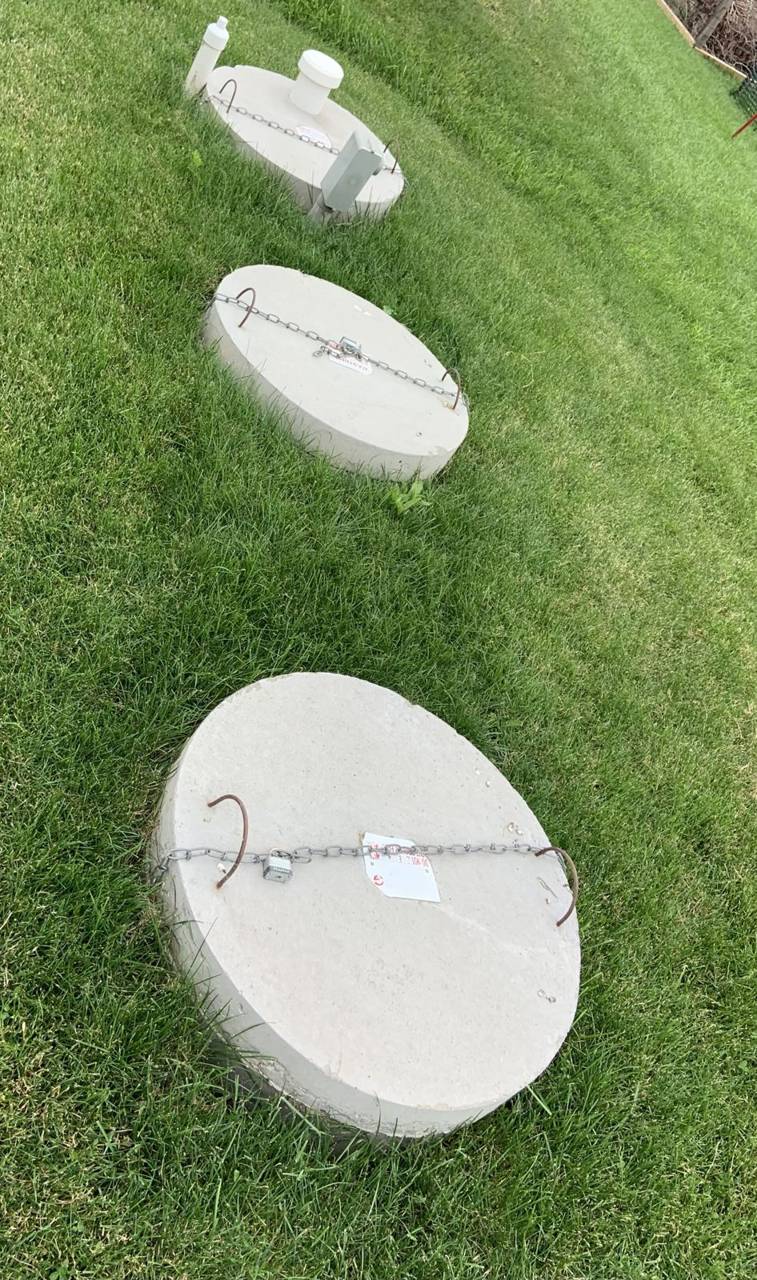
- We locate and open your tank, aerobic unit and dispersal area, including buried lids common on older Driftwood properties
- We explain what we find in plain language, with photos where they help
- Repairs and installs are planned around Hays County permitting requirements
- You get written options before any repair work begins
- Aerobic visits are recorded for your maintenance contract
Septic conditions around Driftwood
Driftwood is largely unincorporated, and centralized sewer lines are generally not available to the rural tracts that surround FM 150 and FM 1826. Property listings in the area regularly note that sewer is not available, which means septic or aerobic treatment is the plan for nearly every home. That is a simple answer compared with many nearby towns, but it comes with responsibility. There is no city crew to call when a system acts up, and a neglected tank can foul your yard, your well or a neighbor's. A few developments may be served by a shared or utility-operated system, so confirm with the seller or your homeowner's association if you are not sure. As a practical rule, if you do not pay a monthly sewer bill, you own a septic system and the upkeep that goes with it.
Emergency Septic Service questions from Driftwood homeowners
Is sewage in my yard dangerous?
It can be. Raw sewage contains bacteria and viruses, so keep people and pets away and avoid contact. Do not let children play near wet areas. Reduce water use immediately and call for help. If wastewater reached a garden or well, mention it so we can advise on next steps. Keep your phone charged and nearby until help arrives.
What if the problem happens on a weekend or holiday?
Septic problems do not follow business hours, and holidays often bring extra guests and water use. If you have a true emergency, such as sewage in the house, call right away and explain the situation. Avoid water use in the meantime, and have your property details ready.
Should I turn off my aerobic system during a backup?
Do not shut anything off unless we advise you to. Turning off power can stop treatment and make a bad situation worse. Describe what you see and hear, such as the alarm type and any wet areas, and we will tell you which breakers, if any, to leave alone. Ask what to expect on the follow-up.
Is a septic backup always an emergency?
Not always, but sewage inside the home or flowing across the yard should be treated as urgent because of the health risk. A single slow drain is often a local clog. If several fixtures back up at once, or you see wastewater outdoors, act quickly. When in doubt, limit water use and call for advice. Early action keeps a small problem from becoming a larger cleanup.
Does an emergency septic repair need a permit in Texas?
Under 30 TAC 285.35, certain emergency repairs that address an immediate and serious health hazard, and do not change the system's function, may be done without a permit. The person doing the work must notify the permitting authority in writing within 72 hours after starting. Larger changes need a permit. Check with your county to confirm. Local rules can be stricter than the state minimum, so confirm what your county expects.
Why is my aerobic system alarm going off?
Common causes include a high water level, a failed or stuck float, a tripped breaker, a failed aerator or pump, or a clogged filter. Some alarms are triggered by heavy rain or a power outage. Silence the alarm if the panel allows, cut back water use and call for service. Do not ignore it, because the alarm exists to warn you.
More about emergency septic service → · All septic services in Driftwood →
Need emergency septic service in Driftwood?
Call or send a request. We will ask a few questions about your system and the property, then schedule a visit.