Bee Cave · Travis County
Emergency Septic Service in Bee Cave, TX
If sewage is backing into your Bee Cave home, an alarm will not stop, or wastewater is surfacing in the yard, stop using water and keep people and pets away. Call us so we can check the tank, pump and lines to find the cause. We tell you what can be repaired on the spot and what needs a follow-up visit once conditions allow.
Emergency Septic Service for Bee Cave homes
A septic emergency in Bee Cave tends to come at a bad time. It might be the night before a family event, a holiday weekend with a full house, or a heavy rain after a dry spell. Wastewater backing into a bathroom, sewage in the yard, a continuous alarm from an aerobic tank, or a toilet that will not flush all count. Emergency septic service in Bee Cave aims first to stop the damage and protect your family, then to find and fix the cause. It also helps to keep key information ready before a problem occurs. A folder with the tank size, last pumping date, permit, and maintenance provider contact lets you give a clear description in the first minute of a call.
What you do before help arrives matters. Stop using water that goes down the drain, including laundry, dishwashers, and long showers. Keep children and pets away from wet ground and sewage. Do not use chemical drain openers, which can harm the system and put workers at risk. If an aerobic alarm is sounding, note which light is on and whether you can hear the compressor. Photograph the area for your records. Then call, and describe what you see. The details help us bring the right equipment the first time. In the Hill Country, heavy rain on saturated ground is a common trigger. Water rises in the soil, the field stops taking effluent, and the house backs up. In that case pumping may buy time, but we will also talk about the field and how to reduce the load.
On a large Bee Cave property, finding the problem can take a little detective work. A backup in the house may come from a clogged line, a full tank, a failed pump, or a saturated field far out on the lot. We check in order, from the cleanout to the tank to the disposal area, and sometimes pump the tank to provide relief while planning a lasting fix. We tell you what is urgent and what can wait. Large estates also bring gates and long drives, so share access codes and directions when you call. We keep the safety of your household first in mind. Sewage should be handled with gloves and boots, and children and pets should be kept away. If you rely on a private well, tell us, so we can discuss testing the water after a backup.
What to know in Bee Cave
Gates, drives, and night access
Many Bee Cave properties sit behind gates or at the end of long, unlit drives. Leave gate codes, directions, and a contact number where we can reach you. Turn on outdoor lights if it is dark, and mark the tank location if you know it, which saves precious time. Keep a flashlight, gloves, and a small tarp in a place you can find at night.
Protect finished floors and fixtures
If sewage reaches the house, restoration is its own job. Move belongings out of the wet area, avoid spreading contamination, and consider calling a water restoration company in parallel. We focus on stopping the source and restoring the septic system, and we will be clear about what falls outside our work. Know where your main water shutoff is. Shutting off water can stop a backup from growing.
Lake and creek protection
Wastewater that reaches a drainage swale, Barton Creek tributary, or Lake Travis is a serious environmental and legal matter. If effluent is leaving your property, contain it if you safely can, tell us right away, and ask the authority for your address whether notice is required. Photograph the property boundaries and drainage so you can show where wastewater might travel.
Signs you may need emergency septic service
- Sewage backing up into tubs, showers or floor drains
- Wastewater pooling or flowing across the yard
- An aerobic system alarm that will not reset
- Strong sewage odor inside the house or around the tank
How emergency septic service works
Your first steps can reduce the damage while help is on the way. Stop using water as much as you can. That means no laundry, no dishwasher, no long showers and no flushing unless it is necessary. If sewage is inside, keep children and pets away, avoid touching it with bare skin, and open windows if the odor is strong. If an alarm is sounding, silence it using the switch if one is available, but do not ignore it, because the alarm is telling you something is wrong. Never open a tank lid and climb in, and do not lean over an open tank. Tank gases can overcome a person quickly, and tank accidents are often deadly. Once the immediate danger is handled, the next step is a calm look at what went wrong.
Many emergencies turn out to have simple causes, and a quick check can sort the cause from the symptom. If only one fixture is slow, the problem is probably a local clog in a house drain, not the septic system. If every drain is slow or gurgling, the problem is likely in the main line or the tank. If the backup happens after heavy rain, saturated soil may be the cause. If an aerobic alarm is going off, a tripped breaker, a failed aerator, a stuck float or a blocked filter may be at fault. Telling us what you noticed, and when, helps us bring the right tools and decide how to proceed. Small details from you can save real time on site.
What to expect on a Bee Cave visit
- 01
Triage by phone
When you call, we ask what is happening, where the sewage is showing up, whether an alarm is sounding and what the system looks like. We give you safe steps to take while you wait, such as cutting back water use and keeping people away from contaminated areas. Please ask us about availability when you call, since we do not want to promise a timeframe we cannot confirm.
- 02
Make the scene safe
On site, we first look for hazards. We check for standing wastewater, electrical risks near wet equipment, and open or damaged lids. If needed, we advise shutting off power to a pump or aerator, limiting water use or keeping people out of an area. Safety comes before diagnosis, and we will not rush past a hazard.
- 03
Find the cause
We open the tank and trace the problem from the house to the disposal area. That means checking the main line, inlet and outlet, liquid level, filter, pump or aerator, float switches, control panel and the field itself. We separate what is causing the problem from what is only a symptom, so the repair is aimed at the right place.
- 04
Relieve and stabilize
Depending on the cause, we may pump the tank, clear a blocked line, reset or replace a failed control, or repair a leak. The goal is to get wastewater moving again in a safe way. If a full repair is not possible the same day, we explain how to use the system carefully until it is.
- 05
Document and notify
We record what we found and what was done, including methods and materials, because emergency repairs may require written notice to the permitting authority within 72 hours of starting work. We tell you whether the repair is likely to fall under that rule or whether it needs a permit, and we help you with the notice.
- 06
Plan the follow up
Once things are stable, we talk through what caused the failure and what comes next, from a pumping schedule to repairs of a worn drain field. We outline the options plainly and leave the decisions to you. Our aim is to turn a stressful day into a clear plan. We can also help you plan routine care.
Our approach in Bee Cave
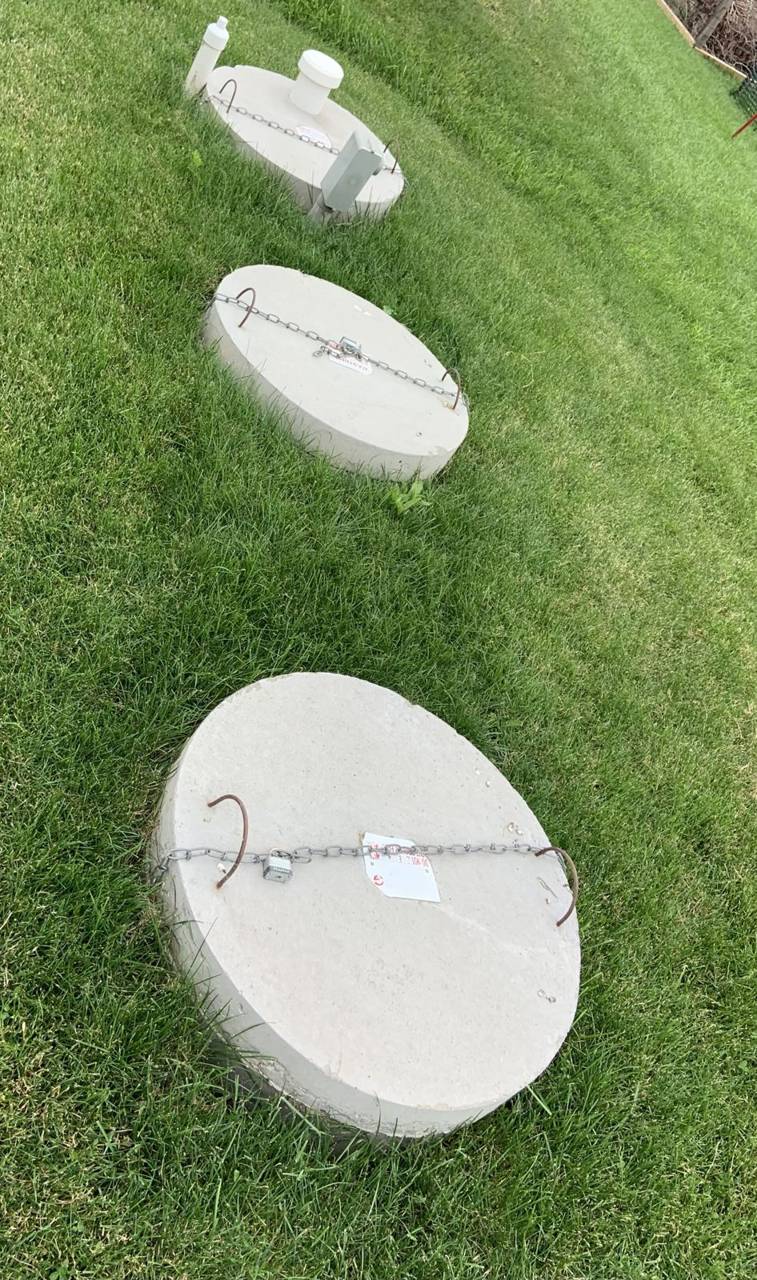
- We locate and open your tank, aerobic unit and dispersal area, including buried lids common on older Bee Cave properties
- We explain what we find in plain language, with photos where they help
- Repairs and installs are planned around Travis County permitting requirements
- You get written options before any repair work begins
- Aerobic visits are recorded for your maintenance contract
Septic conditions around Bee Cave
Weather in Bee Cave arrives in extremes. Summer droughts bake the thin soils, and the rocky ground can shift enough to loosen lids, crack buried lines and expose pipe edges. Then a hard storm can drop several inches in a few hours, and runoff races down slopes toward Barton Creek. Water that cannot soak into shallow soil sheets across the surface, and drain fields on lower parts of a slope can stay soggy for days. Pay attention to the signs after heavy rain: slow drains, gurgling pipes, a sewage smell near the tank or field, or lush green patches that appear in the middle of dry grass. Keep roof drains and sump discharge pointed away from your system. If an aerobic alarm sounds during or after a storm, do not ignore it, since power flickers and wet conditions can stop the pump or aerator.
Emergency Septic Service questions from Bee Cave homeowners
What should I do first in a septic emergency?
Stop using water in the house right away, including toilets, sinks, showers, and washing machines. Keep people and pets away from any sewage. Do not add chemicals to the drain. Take photos, note any alarms, and call us with what you see. Quick action keeps a small problem from spreading into the home. After the emergency, schedule a full inspection to find out why it happened.
Can an emergency service call be done on weekends and holidays?
Emergencies do not follow a schedule, and we understand that. Availability and rates can vary by day and time, so ask when you call and we will explain what to expect. We do not promise a specific arrival time. We will tell you plainly what we can do and how to limit damage while you wait. Insurance often excludes septic backups unless you have added coverage. Check your policy so you are not surprised.
Will pumping the tank fix an emergency?
Pumping often gives quick relief if the tank is full, but it may not fix the cause. A clogged line, failed pump, or saturated field can bring the problem back. After pumping, we look for the underlying issue and recommend a repair. Treat emergency pumping as step one of a fuller plan, not the end. Tell neighbors downhill if wastewater has left your property. It is better they hear it from you.
Is it safe to stay in the house during a backup?
It depends on the extent. Small backups limited to a floor drain can often be handled with care, but significant sewage inside the home is a health risk, especially for young children, older adults and anyone with a weak immune system. If sewage covers floors or the odor is strong, consider staying elsewhere until it is cleaned up. Cleaning with proper protective gear matters, so avoid doing it barehanded.
What should I do first if sewage is backing up in my house?
Stop using water right away. That means no laundry, dishwasher, showers or flushing unless you must. Keep children and pets away from the affected area and avoid skin contact with the sewage. If you can, open windows for ventilation. Then call a septic professional. Do not open the tank and go inside. Tank gases can be deadly. If you are unsure what is safe, describe the situation when you call and we can advise.
Is a septic backup always an emergency?
Not always, but sewage inside the home or flowing across the yard should be treated as urgent because of the health risk. A single slow drain is often a local clog. If several fixtures back up at once, or you see wastewater outdoors, act quickly. When in doubt, limit water use and call for advice. Early action keeps a small problem from becoming a larger cleanup.
More about emergency septic service → · All septic services in Bee Cave →
Need emergency septic service in Bee Cave?
Call or send a request. We will ask a few questions about your system and the property, then schedule a visit.