Kyle · Hays County
Drain Field Repair & Replacement in Kyle, TX
Clay fields around Kyle usually fail gradually, as slow-draining soil gets overloaded and effluent rises toward the surface. Wet spots, odors and lush grass patches are common signs. Repair can include clearing lines, reducing water use, improving drainage or adding capacity. Replacement needs a site evaluation and county permit. Costs vary widely with soil, field size and design, and a replacement often runs into the thousands of dollars.
Drain Field Repair & Replacement for Kyle homes
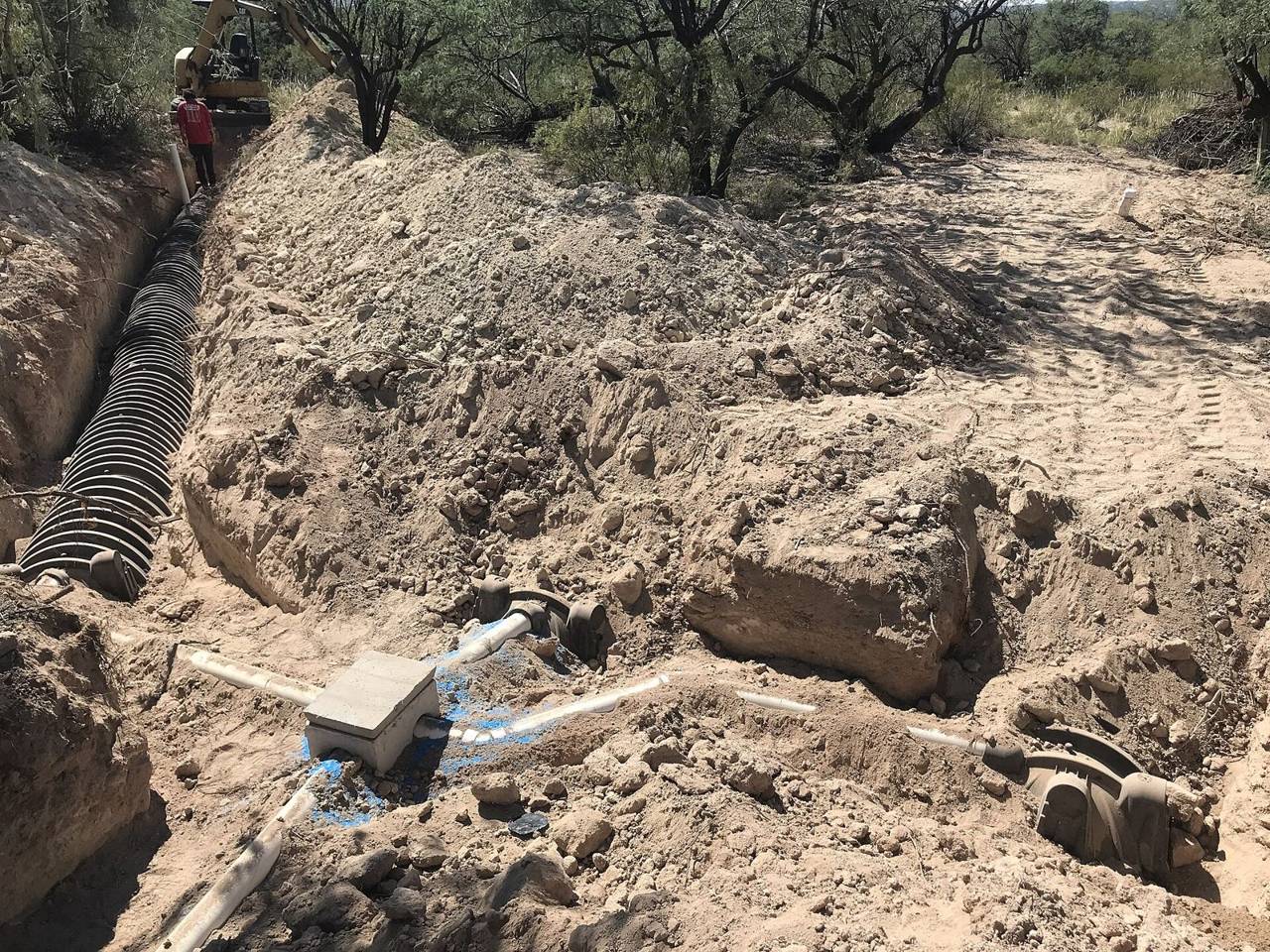
A drain field in Kyle's clay has a harder job than one in sandy loam. Clay absorbs slowly, so even a healthy field runs close to its limit, and a few stressors can push it over: a tank that was not pumped, a leaking toilet, a large gathering or a stretch of wet weather. When the field fails, you may see soggy ground, bright green strips of grass, odors or sewage rising near the lines. Slow drains and gurgling inside the house often follow. Here is how the process usually unfolds. We meet you on site, ask what changed and walk the field. Then we pump the tank if needed, check the effluent filter, trace lines and probe wet areas. If a repair can restore function, we tell you. If it cannot, we explain why and outline the design steps. At each stage, you decide whether to continue.
Before deciding on replacement, we try to learn why it failed. We probe the soil, check the distribution box, look at the tank outlet for solids and test whether water is leaking inside the house. A clogged filter, a broken line or an overloaded household can all mimic a dead field. Fixing the cause and resting the field gives some systems a second life, especially when the failure is recent. Some Kyle owners find their field was never sized for the household that lives there today. A system designed for three bedrooms and two people may now serve five. Cutting water use can extend its life, but only so far. If the numbers do not add up, we suggest a design that matches your real usage so you are not repeating the same repair.
If the soil is truly saturated and clogged, replacement is next. In Kyle's clay, designs often shift away from plain trenches toward raised beds, drip distribution or an aerobic system with spray. Plans go to Hays County Development Services for properties outside the city. Near the edge of town, ask whether sewer is now available. For some owners, a connection retires the field permanently, which can be a better long-term outcome than a new one. Costs vary widely. A line repair may be modest, while a full replacement with an aerobic unit and spray field can be one of the largest home expenses you face. Get at least one written design and an itemized estimate. Ask what is included, who files with the county and what maintenance the new system requires.
What to know in Kyle
Drought cracks and storm saturation
Clay that cracks during drought can funnel water deeply, then turn to paste in a storm. A field that behaves well in dry months may fail in spring. Evaluate across seasons when possible. Ask the designer to test soil in more than one spot. Clay conditions can change within a single acre.
Where the roof water goes
Gutters and downspouts that discharge near the field send hundreds of gallons into it during one storm. Redirecting them downhill and away is a cheap, effective step that protects an expensive part of the system. Think about using treated water for landscaping. Spray and drip systems can irrigate lawn areas, within permit limits.
Room for a replacement area
Counties often expect a reserve area for a future replacement. On split-up Kyle parcels, that space may be limited. Avoid building or paving over it, and ask the designer where it lies. Mark the field area on a site plan and keep it with your records so future work avoids it.
Signs you may need drain field repair & replacement
- Alarm sounding on a pump or aerobic system repeatedly
- Gurgling pipes after laundry or long showers
- Soggy, spongy or squishy ground over the field, even in dry weather
- Sewage odors in the yard, near the tank or near the spray area
How drain field repair & replacement works
A drain field lasts longer when it is treated well. Spread laundry across the week, fix leaking toilets, keep vehicles and heavy equipment off the field, and plant only grass over it. Keep roof drains and pool backwash away from the disposal area. Have the tank pumped on schedule and keep any aerobic system under its required maintenance contract. These habits matter more in the Hill Country than in deeper soils, because there is less ground to absorb mistakes. If you notice wet spots, odors or slow drains, call early. A repair caught at the first sign is almost always smaller, cheaper and less disruptive than a full replacement. A little attention each month is far easier than a yard torn up for new trenches.
The drain field is the last stop for wastewater on a septic property. It is also called the leach field, the absorption field or the disposal area. The tank only separates solids from liquid. What leaves the tank still carries bacteria, nutrients and organic matter, and the field is where soil, air and living organisms finish the job. In a conventional system, that means perforated pipes set in gravel trenches. In many Hill Country yards it means something different, such as spray heads, drip lines or a bed fed by a pump. Drain field repair near Dripping Springs can involve any of these, because each type fails in its own way and each needs its own fix. Knowing which kind you have is the first step toward an honest answer about what it needs.
What to expect on a Kyle visit
- 01
Talk through the history
We start by asking what you have noticed and when. We want to know about wet spots, odors, slow drains, recent heavy rain, extra guests, new appliances and the last time the tank was pumped. Any permit records, system drawings or maintenance reports you have help a great deal. This conversation often points to the cause before we ever pick up a probe or a shovel.
- 02
Check the tank and equipment
Next we open the tank and look at water level, baffles, filters, pumps, alarms and any aerator. Problems here often show up in the field as symptoms. If the tank is full or the effluent is carrying solids, we explain that clearly. Pumping may be needed before any real diagnosis of the field can be made, and we will tell you so.
- 03
Evaluate the disposal area
We walk the field and look for standing water, soft ground, odors, uneven grass and damaged parts. Depending on the system, we check the distribution box, trench lines, spray heads, drip lines, filters and valves. We also note slopes, drainage paths, trees and anything built over the area. The goal is to decide whether the field is failing, stressed or simply broken.
- 04
Explain the options in writing
You receive a plain explanation of what we found, what caused it and what your choices are, from minor repair to full replacement. We describe what each option involves, what it is likely to cost in general terms and how long you can expect it to last. If a permit or soil evaluation is needed, we say so up front.
- 05
Handle permits and design
For replacements or major changes, a licensed professional prepares the site evaluation and plan, and the application goes to the local permitting authority. We keep you informed about each step. For smaller repairs, we confirm with the county whether a permit is required before work begins, because rules and local practice can differ.
- 06
Complete the work and verify
We repair or replace the field to the approved plan, restore the area as well as the site allows, and schedule any required inspection. Afterward, we show you what changed and what to watch. You get care tips for the new field so it has the best chance of lasting.
Our approach in Kyle
- We locate and open your tank, aerobic unit and dispersal area, including buried lids common on older Kyle properties
- We explain what we find in plain language, with photos where they help
- Repairs and installs are planned around Hays County permitting requirements
- You get written options before any repair work begins
- Aerobic visits are recorded for your maintenance contract
Septic conditions around Kyle
Knowing which category your address falls into is the most useful thing a Kyle homeowner can do. Check your utility bill for a sewer charge. If you have one, you are connected. If you do not, you most likely have a tank somewhere in the yard. Properties along FM 150 outside the city, on county roads and in unincorporated pockets near Kyle generally rely on septic or aerobic treatment. Be careful with annexation, too. A property that was rural a few years ago may now be inside city limits, though that does not automatically mean sewer service has reached it. If a line becomes available, the city may require or encourage connection, so ask. Until then, an existing septic system still needs regular pumping and care, and neglect on a small lot can affect neighbors quickly.
Drain Field Repair & Replacement questions from Kyle homeowners
Can a drain field in clay soil be saved?
Sometimes. If the problem is a broken line, a full tank or a leaking fixture, fixing it and resting the field can restore it. If the clay has become permanently sealed by solids, it cannot be revived. A probe and tank check tell us which situation you have. If you suspect a leak, read your water meter with everything turned off. A moving meter means water is escaping somewhere.
What is the difference between a repair and a replacement?
A repair fixes part of the field, such as a broken line or a distribution box. A replacement builds a new field, often with a new design and county permit. Replacement costs much more. We try to confirm the repair is not enough before recommending it. Ask the county how long permitted designs remain valid. Timelines can matter if financing is delayed.
How can I protect my field after repair?
Keep vehicles and livestock off it, divert runoff, plant grass instead of trees and pump the tank on schedule. Avoid sending very large volumes of water in one day, like many laundry loads. Clay soil gives little room for mistakes, so steady habits matter. Keep photos of the old and new field. They are useful when you sell.
Can I keep using the system while the field is being repaired?
Sometimes, but not always. If effluent is surfacing or backing up, continued use can make the problem worse and create a health hazard. We may recommend cutting back on water use, avoiding laundry and long showers, or having the tank pumped to buy time. We will tell you what is safe for your situation. Ask about this early, because the safest plan depends on what is happening in the field.
Why did my drain field fail so soon?
Early failure usually traces to one of a few causes: a tank that was not pumped, too much water use for the field size, soil that was marginal for the design, compaction from vehicles, root damage or poor installation. Finding the cause matters, because a replacement built the same way can fail the same way. Water use habits in the home are worth reviewing as part of any replacement plan.
Will a new field fix problems with my aerobic system?
Only if the field is the problem. Aerobic units depend on working aerators, pumps, filters and timers, and the spray or drip field depends on them in turn. If the unit is not treating the water properly, a new field may fail too. We check the full system and your maintenance contract records first. That is why a full inspection comes before any decision about spending money on the field.
More about drain field repair & replacement → · All septic services in Kyle →
Need drain field repair & replacement in Kyle?
Call or send a request. We will ask a few questions about your system and the property, then schedule a visit.