Johnson City · Blanco County
Drain Field Repair & Replacement in Johnson City, TX
Thin, rocky soil on ridges and wet clay in valleys both challenge drain fields near Johnson City. Warning signs include soggy ground, odor, surfacing sewage and slow drains. Repairs can range from fixing lines to redesigning the field or moving to advanced treatment. Check with the county or TCEQ about review requirements, and we will help you understand the steps. Catching trouble early often saves the field you already have.
Drain Field Repair & Replacement for Johnson City homes
Around Johnson City the ground can be thin, rocky and unforgiving, so drain fields work with less margin than on deeper soils. Limestone sits close to the surface in many places, with pockets of clay and caliche that slow water. The Trinity Aquifer lies under much of the Hill Country, so regulators and homeowners alike want effluent treated well before it can move deeper. A field is a living filter. Bacteria in the soil break down what the tank passes on, and they need oxygen, moisture and time. When water floods them, solids clog the pores or soil dries out too much, they cannot do their job. Rocky Johnson City soil leaves little buffer, so a field can go from fine to failing within a season if the load rises.
A failing field gives clear signals: wet or spongy ground, a sewage smell, lush grass stripes, slow drains and backups during heavy use. We look for the cause. Leaks inside the house, a full tank, a tilted distribution box or crushed lines can overload a field that was otherwise fine. Fixing the cause, then resting the field, can bring some back to life. Others, with sealed soil, need a new design. Testing helps us choose the fix. We probe the field, check for odors and moisture, review the tank condition and look at the history of pumping. If the tank is in good shape and the field is only partly damaged, we may recommend rest and repair. If the soil has sealed or the lines have collapsed, replacement is more realistic than a patch that costs money and fails again.
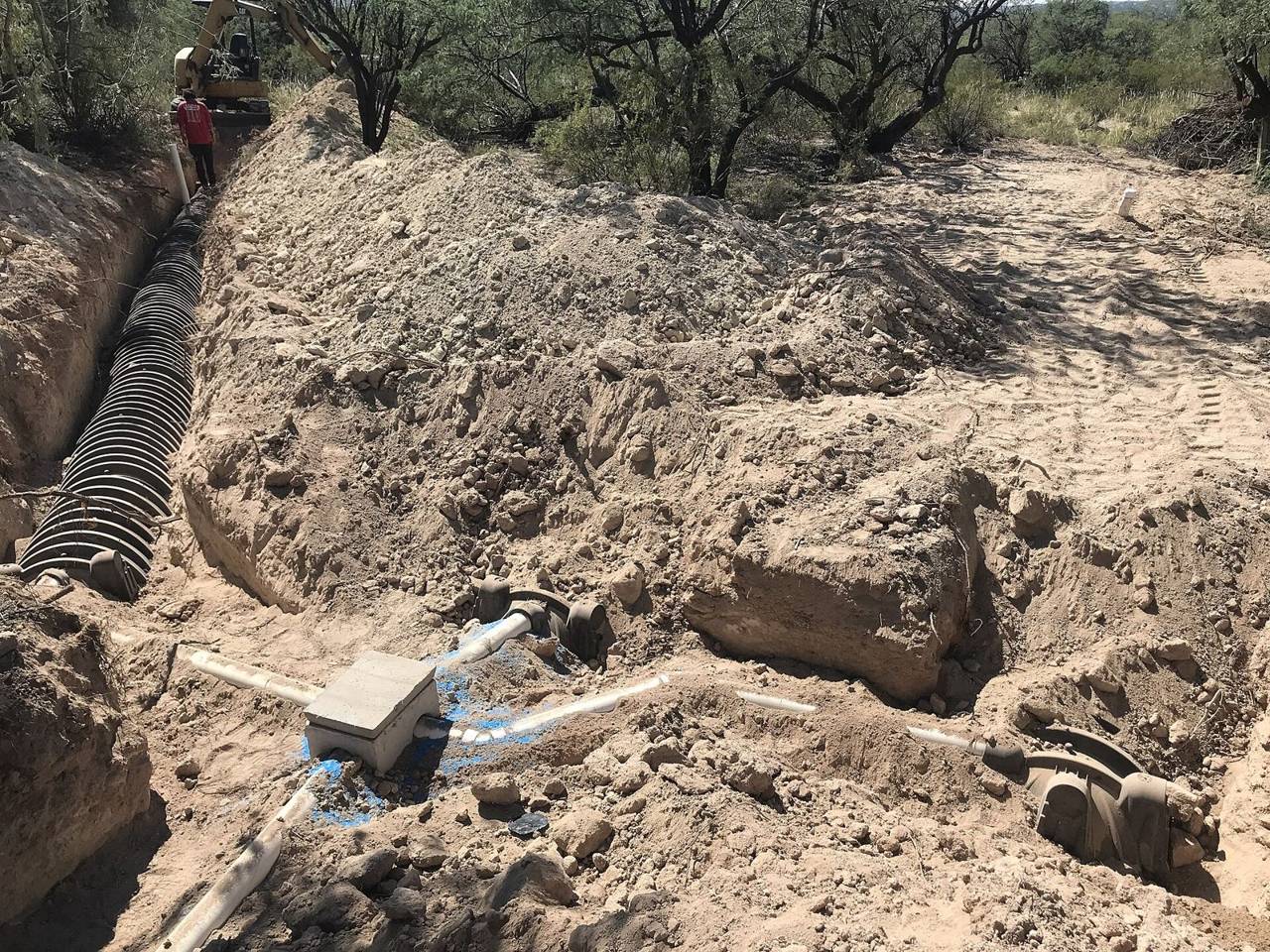
Replacement requires a site evaluation, a design and approval from Blanco County for properties outside the city. The evaluator checks soil depth, texture, slopes and distances from wells, creeks and property lines. On rocky Johnson City sites that often leads to drip dispersal, raised beds or an aerobic treatment unit upstream of spray irrigation. Review takes time, so start the process before the situation becomes an emergency. Design for a replacement should respect your future plans. If you expect to add bedrooms, a guest house or a pool, share those plans with the designer, because the field's size depends on expected flow. Ask how the new field will be protected and maintained, and what the county requires for inspections and records after construction.
What to know in Johnson City
Distance from creeks and the Pedernales
Fields must keep set distances from creeks, draws, wells and the river corridor. Floodplain areas along the Pedernales and its tributaries may limit where a field can go. Ask the county about floodplain rules early in planning. Ask the designer about how wet years and dry years affect the proposed layout. A field that works in a dry year may struggle in a wet one if drainage is not considered.
Reserve areas
Some permits set aside space for a future replacement field. If yours has one, protect it from building, parking and trees. A preserved reserve area can save you a major redesign later, so mark it on your site plan. If trees stand near the field, ask about root barriers or removal. Roots are a leading cause of line damage, and a plan that ignores them is incomplete.
Water habits that save fields
Spread laundry across the week, fix running toilets, and avoid water-heavy tasks all in one day. A field handles steady flow far better than a flood. Small changes in habit can extend the life of a field by years. Keep the old field's location noted. Even an abandoned field has rules, and you may be asked to show where it was when you sell or permit new construction.
Signs you may need drain field repair & replacement
- Standing water or effluent surfacing near spray heads or trenches
- Alarm sounding on a pump or aerobic system repeatedly
- Gurgling pipes after laundry or long showers
- Soggy, spongy or squishy ground over the field, even in dry weather
How drain field repair & replacement works
A drain field lasts longer when it is treated well. Spread laundry across the week, fix leaking toilets, keep vehicles and heavy equipment off the field, and plant only grass over it. Keep roof drains and pool backwash away from the disposal area. Have the tank pumped on schedule and keep any aerobic system under its required maintenance contract. These habits matter more in the Hill Country than in deeper soils, because there is less ground to absorb mistakes. If you notice wet spots, odors or slow drains, call early. A repair caught at the first sign is almost always smaller, cheaper and less disruptive than a full replacement. A little attention each month is far easier than a yard torn up for new trenches.
The drain field is the last stop for wastewater on a septic property. It is also called the leach field, the absorption field or the disposal area. The tank only separates solids from liquid. What leaves the tank still carries bacteria, nutrients and organic matter, and the field is where soil, air and living organisms finish the job. In a conventional system, that means perforated pipes set in gravel trenches. In many Hill Country yards it means something different, such as spray heads, drip lines or a bed fed by a pump. Drain field repair near Dripping Springs can involve any of these, because each type fails in its own way and each needs its own fix. Knowing which kind you have is the first step toward an honest answer about what it needs.
What to expect on a Johnson City visit
- 01
Talk through the history
We start by asking what you have noticed and when. We want to know about wet spots, odors, slow drains, recent heavy rain, extra guests, new appliances and the last time the tank was pumped. Any permit records, system drawings or maintenance reports you have help a great deal. This conversation often points to the cause before we ever pick up a probe or a shovel.
- 02
Check the tank and equipment
Next we open the tank and look at water level, baffles, filters, pumps, alarms and any aerator. Problems here often show up in the field as symptoms. If the tank is full or the effluent is carrying solids, we explain that clearly. Pumping may be needed before any real diagnosis of the field can be made, and we will tell you so.
- 03
Evaluate the disposal area
We walk the field and look for standing water, soft ground, odors, uneven grass and damaged parts. Depending on the system, we check the distribution box, trench lines, spray heads, drip lines, filters and valves. We also note slopes, drainage paths, trees and anything built over the area. The goal is to decide whether the field is failing, stressed or simply broken.
- 04
Explain the options in writing
You receive a plain explanation of what we found, what caused it and what your choices are, from minor repair to full replacement. We describe what each option involves, what it is likely to cost in general terms and how long you can expect it to last. If a permit or soil evaluation is needed, we say so up front.
- 05
Handle permits and design
For replacements or major changes, a licensed professional prepares the site evaluation and plan, and the application goes to the local permitting authority. We keep you informed about each step. For smaller repairs, we confirm with the county whether a permit is required before work begins, because rules and local practice can differ.
- 06
Complete the work and verify
We repair or replace the field to the approved plan, restore the area as well as the site allows, and schedule any required inspection. Afterward, we show you what changed and what to watch. You get care tips for the new field so it has the best chance of lasting.
Our approach in Johnson City
- We locate and open your tank, aerobic unit and dispersal area, including buried lids common on older Johnson City properties
- We explain what we find in plain language, with photos where they help
- Repairs and installs are planned around Blanco County permitting requirements
- You get written options before any repair work begins
- Aerobic visits are recorded for your maintenance contract
Septic conditions around Johnson City
Weather around Johnson City can be harsh on septic systems. Long dry spells shrink clay soils and can crack lines, loosen lids and expose pipes. Then a fast storm hits, and the Pedernales River and the smaller creeks around town rise quickly, flooding low-lying yards and saturating drain fields. Thin soil on slopes sheds water rapidly, but fields at the base of a slope may stay soggy long afterward. Spread out laundry and dishwasher loads during wet periods, and avoid pumping a tank when the ground is saturated. Watch for slow drains, odors, wet areas and alarms. Out here, help can be a long drive away, so a basic understanding of your system and a routine maintenance schedule are your best protection against surprise failures during a holiday weekend. Knowing where your tank and lids are, and writing it down, saves time in a real emergency.
Drain Field Repair & Replacement questions from Johnson City homeowners
How much does drain field replacement cost?
General market figures run from several thousand dollars for small conventional repairs to well into five figures for engineered designs. Rock, distance, permit needs and system type all change the number. Ask for a written estimate that separates design, permit, excavation and restoration. Costs differ by design and site. A distribution box fix may be small. A mound or drip system can be many thousands. Ask for separate lines for design, permit, materials, labor and restoration.
Can I keep using the system while the field is being replaced?
Usually only with strict limits. We may pump the tank on a schedule and ask you to cut water use sharply. In serious cases, the home may need to stay vacant. Discuss options with us and with Blanco County before relying on a temporary plan. Short term, pumping and cutting water use can reduce risk. Long term, you need a lasting fix. Be honest with the county about the situation, since a documented plan is better than a surprise.
Does drain field failure always mean the whole system is bad?
No. The tank and lines can be sound while the field fails, and some fields can be partly repaired. A tank inspection and flow tests show where the trouble is, so you do not pay for replacements you do not need. Often yes. A tank may be sound while the field fails. Pumping, inspection and flow tests identify what is working, so you only replace what needs it.
Do I need a permit to replace a drain field?
In most cases, yes. Replacing or substantially changing a disposal area is usually handled through the local permitting authority, which in much of Hays County is Hays County Development Services. A site evaluation and designed plan are normally part of the process. Small repairs may be treated differently, so check with the county before work starts. The county can confirm what applies to your address, and we can help you gather the information it asks for.
What does drain field replacement cost?
Costs vary widely. Minor repairs can run from several hundred to a few thousand dollars, while full replacement commonly reaches five figures, especially when soil is rocky or an advanced system is required. Design, evaluation and permit fees are extra. These are general market ranges, not a quote, and your site decides the real number. Your actual cost depends on the diagnosis, so treat any number before an inspection with caution.
Can I keep using the system while the field is being repaired?
Sometimes, but not always. If effluent is surfacing or backing up, continued use can make the problem worse and create a health hazard. We may recommend cutting back on water use, avoiding laundry and long showers, or having the tank pumped to buy time. We will tell you what is safe for your situation. Ask about this early, because the safest plan depends on what is happening in the field.
More about drain field repair & replacement → · All septic services in Johnson City →
Need drain field repair & replacement in Johnson City?
Call or send a request. We will ask a few questions about your system and the property, then schedule a visit.