Henly · Hays County
Drain Field Repair & Replacement in Henly, TX
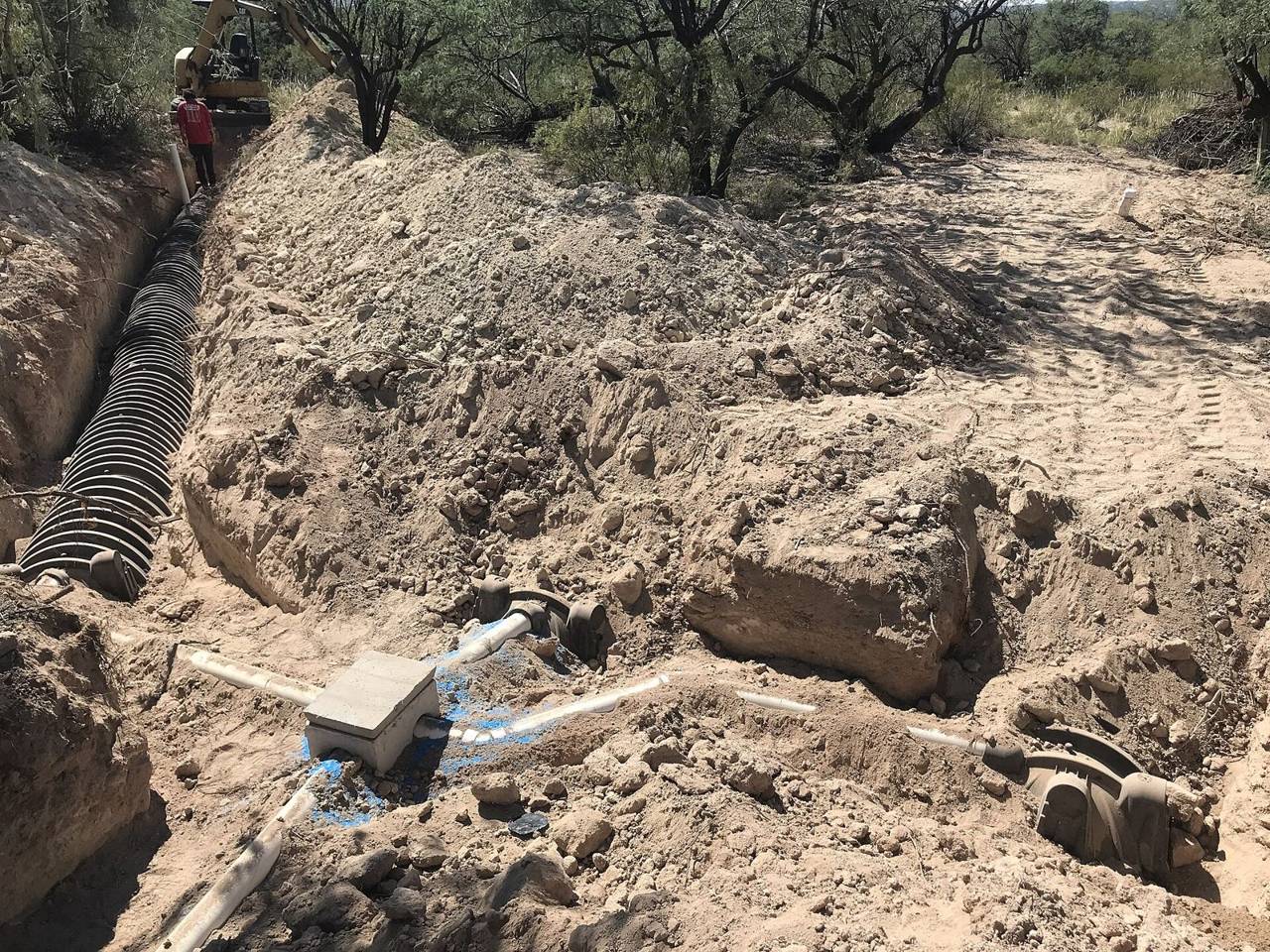
Drain fields in Henly fail for three common reasons: very old trenches that have clogged over decades, thin soil that cannot absorb the load, and damage from vehicles or livestock. Repair may mean restoring trenches, improving drainage or moving the field. Larger lots give room to relocate. Full replacement normally requires a site evaluation and county permit, and costs vary widely with rock and design. Old fields on abandoned or renovated farmsteads deserve a close look.
Drain Field Repair & Replacement for Henly homes
The drain field is the part of a Henly septic system that cleans the water before it returns to the ground, and it is where the thin Hill Country soil makes life difficult. In many spots the topsoil is only a few inches thick over limestone or caliche. Water that cannot soak down moves sideways, surfaces on a slope or sits in a low area. A field that worked for years can decline quietly, then suddenly show wet grass and odors. Henly's mix of cedar brush, live oak and ledge rock makes the field harder to read than it looks. Pretty green grass over the lines can mean the field is working hard, or that it has started leaking effluent to the surface.
Failure usually comes from one of a few causes. Solids that escaped a neglected tank can clog the soil. Too much water, from a leak or a big household, can overwhelm it. Compaction from vehicles or livestock can crush lines. Roots can enter pipes. Before recommending anything, we probe the field, check the distribution box and look at how water behaves in the tank. Sometimes a repair, such as fixing a broken distribution line or resting one section, is enough. We often start with the cheapest fixes. Repair a leaking toilet, pump an overfull tank, fix a broken line, redirect gutters, then watch the field for several weeks. If conditions improve, you may have bought years of use.
When a field has truly failed, replacement may require a new design by a licensed professional and a permit from Hays County. Rocky Henly lots often need alternatives, like drip irrigation or a raised bed, because trenches cannot go deep. These options cost more up front but fit the ground. We explain the choices in everyday language so you understand why one design suits your lot better than another. If a replacement is unavoidable, the designer will look at soil depth, slope and distance to your well and any drainage path. Raised beds and drip systems cost more in materials but sometimes use less land, which matters on a smaller lot.
What to know in Henly
Shallow soil and slope
Thin soil over limestone limits how deep and how wide a field can go. Slopes add runoff risk. Designers often turn to drip lines or spray systems because they spread water gently across the surface layer. Soil samples taken during the site visit help the designer choose between trench, bed or drip layouts.
Protecting the field
Keep vehicles, horses and heavy equipment off it. Plant grass, not trees, over the lines. Divert roof and driveway runoff away from the area. These small habits protect a field that can be expensive to replace. A heavy summer rain on parched soil can make a healthy field look bad for a few days. Track what you see over time before you decide.
Permits and soil evaluations
A new or replaced field generally needs a site evaluation and approval from the county. Allow time for design, review and inspection. Starting before approval can mean redoing work. Ask what the new design requires from you, such as a maintenance contract, annual checks or restricted use of the area.
Signs you may need drain field repair & replacement
- Unusually bright green, fast-growing grass over the field
- Standing water or effluent surfacing near spray heads or trenches
- Alarm sounding on a pump or aerobic system repeatedly
- Gurgling pipes after laundry or long showers
How drain field repair & replacement works
Repair options depend on what we find. Sometimes the answer is simple: fixing a broken pipe, replacing a cracked distribution box, clearing a blocked line, or replacing sprinkler heads and drip components. Other times a field can rest. Diverting flow to a second section, if the design has one, gives the first section time to recover. When a field is truly worn out, replacement is the honest answer. That may mean new trenches, a larger bed, or a switch to a different type of system. We explain the options in order from least to most invasive, with the tradeoffs of each, so you can make the call with a clear picture. Whatever you choose, we want you to understand why, not just agree to a price.
In most cases, replacing a drain field is not a simple swap. Texas on-site sewage rules, found in 30 TAC Chapter 285, expect the work to match site conditions, and a new or substantially changed disposal area is generally handled through the local authorized agent. In most of Hays County that is Hays County Development Services. Travis County, the City of Austin, Blanco County and Burnet County each have their own arrangements. The usual steps involve a site and soil evaluation by a qualified professional, a designed plan, a permit, installation and an inspection. Small repairs may be treated differently from replacements, so always check with the county before digging. Asking early saves time, because the county can tell you exactly what paperwork your project needs.
What to expect on a Henly visit
- 01
Talk through the history
We start by asking what you have noticed and when. We want to know about wet spots, odors, slow drains, recent heavy rain, extra guests, new appliances and the last time the tank was pumped. Any permit records, system drawings or maintenance reports you have help a great deal. This conversation often points to the cause before we ever pick up a probe or a shovel.
- 02
Check the tank and equipment
Next we open the tank and look at water level, baffles, filters, pumps, alarms and any aerator. Problems here often show up in the field as symptoms. If the tank is full or the effluent is carrying solids, we explain that clearly. Pumping may be needed before any real diagnosis of the field can be made, and we will tell you so.
- 03
Evaluate the disposal area
We walk the field and look for standing water, soft ground, odors, uneven grass and damaged parts. Depending on the system, we check the distribution box, trench lines, spray heads, drip lines, filters and valves. We also note slopes, drainage paths, trees and anything built over the area. The goal is to decide whether the field is failing, stressed or simply broken.
- 04
Explain the options in writing
You receive a plain explanation of what we found, what caused it and what your choices are, from minor repair to full replacement. We describe what each option involves, what it is likely to cost in general terms and how long you can expect it to last. If a permit or soil evaluation is needed, we say so up front.
- 05
Handle permits and design
For replacements or major changes, a licensed professional prepares the site evaluation and plan, and the application goes to the local permitting authority. We keep you informed about each step. For smaller repairs, we confirm with the county whether a permit is required before work begins, because rules and local practice can differ.
- 06
Complete the work and verify
We repair or replace the field to the approved plan, restore the area as well as the site allows, and schedule any required inspection. Afterward, we show you what changed and what to watch. You get care tips for the new field so it has the best chance of lasting.
Our approach in Henly
- We locate and open your tank, aerobic unit and dispersal area, including buried lids common on older Henly properties
- We explain what we find in plain language, with photos where they help
- Repairs and installs are planned around Hays County permitting requirements
- You get written options before any repair work begins
- Aerobic visits are recorded for your maintenance contract
Septic conditions around Henly
Weather out here is wide open. Summer drought bakes the ground, cracks clay and dries spray fields, while a single big storm can drop several inches of rain onto thin soil that has no place to hold it. After a storm, low spots in a field can stay wet for days. Wind and lightning are real concerns for aerobic systems, since a power surge can damage the control panel or air pump, and a power outage stops treatment until the electricity is restored. Livestock and ranch vehicles add risk, because heavy loads on a field compress soil and crush shallow lines. Roots from cedar and oak will find their way into pipes if allowed. A seasonal walk around the field, lids and panel catches most problems early. Long gravel drives also need planning for service: a heavy pump truck needs firm ground and room to turn, so scheduling after a dry stretch helps. Flag your tank lids ahead of time, and tell us if you are unsure where the tank is.
Drain Field Repair & Replacement questions from Henly homeowners
What does a failing drain field look like in Henly?
Typical signs include soggy ground or bright green strips of grass over the lines, sewage odors outside, slow drains inside and gurgling pipes. In dry months, the green strips are the easiest clue. Any of these deserves a prompt look before the damage spreads. Rain makes things look worse than they are, so we try to evaluate after a dry stretch when possible.
Can a failed drain field be repaired or must it be replaced?
Sometimes it can be repaired. A broken line, a clogged distribution box or a leaking fixture upstream can all be fixed, and the soil may recover with rest. If the soil is permanently clogged, replacement is the honest answer. A probe and tank evaluation tell us which one applies. A repair that stops the cause is better than a repair that treats only the symptom. Fix the leaking fixture before touching the field.
How long does a replacement field take?
Design and county review usually take longer than the digging itself. Weather and rock also affect the schedule. Ask Hays County Development Services about current review times so you can plan. We can help you prepare so the paperwork moves along. Replacing a drain field is one of the largest septic expenses. Get a written design and itemized estimate so you can compare options.
Do I need a permit to replace a drain field?
In most cases, yes. Replacing or substantially changing a disposal area is usually handled through the local permitting authority, which in much of Hays County is Hays County Development Services. A site evaluation and designed plan are normally part of the process. Small repairs may be treated differently, so check with the county before work starts. The county can confirm what applies to your address, and we can help you gather the information it asks for.
What does drain field replacement cost?
Costs vary widely. Minor repairs can run from several hundred to a few thousand dollars, while full replacement commonly reaches five figures, especially when soil is rocky or an advanced system is required. Design, evaluation and permit fees are extra. These are general market ranges, not a quote, and your site decides the real number. Your actual cost depends on the diagnosis, so treat any number before an inspection with caution.
Can I keep using the system while the field is being repaired?
Sometimes, but not always. If effluent is surfacing or backing up, continued use can make the problem worse and create a health hazard. We may recommend cutting back on water use, avoiding laundry and long showers, or having the tank pumped to buy time. We will tell you what is safe for your situation. Ask about this early, because the safest plan depends on what is happening in the field.
More about drain field repair & replacement → · All septic services in Henly →
Need drain field repair & replacement in Henly?
Call or send a request. We will ask a few questions about your system and the property, then schedule a visit.