Bee Cave · Travis County
Drain Field Repair & Replacement in Bee Cave, TX
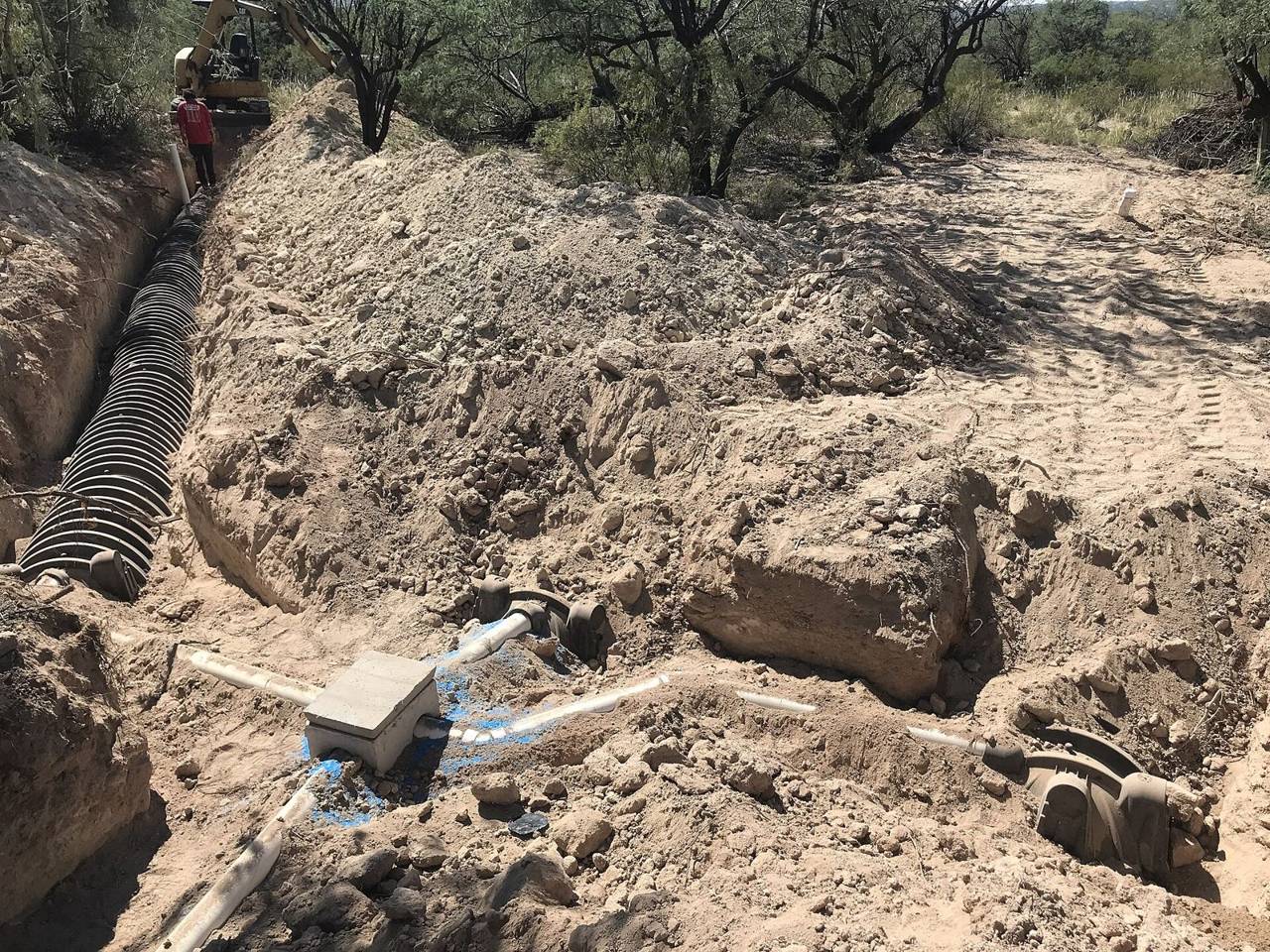
Thin soil over limestone makes drain fields in Bee Cave easy to overload. When the field fails, you may see soggy ground, odors or sewage surfacing. Depending on the lot, repairs may include fixing broken lines, resting a zone, or replacing the field with a design suited to shallow rock. The correct permitting authority reviews replacements, and we help you understand the steps. Catching a wet spot early often saves the whole field.
Drain Field Repair & Replacement for Bee Cave homes
A drain field in Bee Cave has less room to work with than most people expect. The Hill Country's thin soil over limestone leaves a shallow layer for filtering, and slopes make it easy for water to travel sideways instead of down. When a field starts failing, the signs are familiar: soggy ground, odor, bright green strips of grass, slow drains, or sewage backing up in the house. Drain field repair and replacement in Bee Cave starts with finding out whether the problem is the field or something upstream. A homeowner can gather useful information in advance. Walk the field after a rain and note where water stands. Check the tank pumping dates. Look for a leaking fixture, since a toilet that runs all night sends thousands of extra gallons to the soil every month.
Causes vary. A tank that went too long without pumping may have sent solids into the lines. Heavy water use, such as a leaking toilet or many guests, can overload the soil. Roots, compaction from vehicles, or a crushed pipe can also be to blame. On steep lots, a field can fail because it sits on a ledge of rock that blocks downward flow, forcing water to travel along the stone and surface lower down. In those cases, the visible wet spot may sit a good distance from the actual problem. When a hillside field fails, it can look like a drainage problem rather than a septic one. A damp slope below the field may be effluent, or it may be a spring or runoff. A simple dye test can tell the difference, and it saves guessing.
Solutions depend on the soil and the space. A section may be cleared or replaced. Where the original design no longer fits, a licensed designer may propose a drip system, a pressure-dosed layout, or an aerobic unit with spray or drip disposal. Each requires a soil evaluation and a permit. Travis County reviews work in unincorporated areas, and LCRA reviews it near Lake Travis. Plan for design and review time before any digging, and expect the new layout to differ from the old one. New fields on small or hilly sites have less room for error. Any replacement must be at an approved distance from the old field, and the designer must confirm the ground can take the flow. Starting the planning early gives time to compare designs and costs.
What to know in Bee Cave
Shallow rock limits options
Where rock sits a foot or two below the surface, trenches cannot go deep. Drip distribution or raised beds sometimes fit where gravity trenches cannot. A soil evaluation sets the options, and it can change from one corner of a lot to another, so test several spots. Take photos at the same spots over weeks. They show whether wet areas grow, shrink, or move.
Slopes, setbacks, and creeks
Setbacks keep fields away from wells, property lines, drainage ways, and the lake. Barton Creek country and the Lake Travis shoreline carry extra attention because they feed water supplies. Check distances with the authority before you plan, since they can eliminate your preferred location. Ask the evaluator how many test pits will be dug and where. More tests across a large lot give a better picture.
Reserve area and future building
Many lots were designed with an area saved for a replacement field. Pools, sheds, and driveways built over that space can leave no fallback. Ask for the original design, and protect the reserve before you plan additions. If you plan a pool, keep it well away from both the active field and the reserve area.
Signs you may need drain field repair & replacement
- Soggy, spongy or squishy ground over the field, even in dry weather
- Sewage odors in the yard, near the tank or near the spray area
- Toilets and drains that run slowly or back up into the house
- Unusually bright green, fast-growing grass over the field
How drain field repair & replacement works
Drain fields rarely fail overnight. Most of them decline slowly while the homeowner sees nothing at all. A sticky layer of biological material, sometimes called a biomat, forms where effluent meets soil. A little of it is healthy and helps treat the water. Too much of it, caused by solids escaping a neglected tank, constant overloading or soil that was marginal from the start, seals the soil and slows absorption. Roots, crushed pipes, broken sprinkler heads and clogged drip emitters cause other failures. Because the causes differ, we start with diagnosis instead of a sales pitch for a new field. A cheap fix is only cheap if it solves the right problem. Learning the cause also tells you how long a repair is likely to hold.
Many problems that look like a dead drain field turn out to be something upstream. A tank that has not been pumped in years can send a flood of solids to the field and clog it. A broken outlet baffle, a failed effluent filter, a stuck pump float or an aerobic unit that is not treating properly can do the same. That is why we check the tank, the pump or aerator, the distribution box and the field together. If the real fault is a part that can be replaced, you may avoid digging up the yard. If the field itself has failed, you will at least know the cause, which helps keep the replacement from failing the same way. That full-system view is the best protection against paying for the same repair twice.
What to expect on a Bee Cave visit
- 01
Talk through the history
We start by asking what you have noticed and when. We want to know about wet spots, odors, slow drains, recent heavy rain, extra guests, new appliances and the last time the tank was pumped. Any permit records, system drawings or maintenance reports you have help a great deal. This conversation often points to the cause before we ever pick up a probe or a shovel.
- 02
Check the tank and equipment
Next we open the tank and look at water level, baffles, filters, pumps, alarms and any aerator. Problems here often show up in the field as symptoms. If the tank is full or the effluent is carrying solids, we explain that clearly. Pumping may be needed before any real diagnosis of the field can be made, and we will tell you so.
- 03
Evaluate the disposal area
We walk the field and look for standing water, soft ground, odors, uneven grass and damaged parts. Depending on the system, we check the distribution box, trench lines, spray heads, drip lines, filters and valves. We also note slopes, drainage paths, trees and anything built over the area. The goal is to decide whether the field is failing, stressed or simply broken.
- 04
Explain the options in writing
You receive a plain explanation of what we found, what caused it and what your choices are, from minor repair to full replacement. We describe what each option involves, what it is likely to cost in general terms and how long you can expect it to last. If a permit or soil evaluation is needed, we say so up front.
- 05
Handle permits and design
For replacements or major changes, a licensed professional prepares the site evaluation and plan, and the application goes to the local permitting authority. We keep you informed about each step. For smaller repairs, we confirm with the county whether a permit is required before work begins, because rules and local practice can differ.
- 06
Complete the work and verify
We repair or replace the field to the approved plan, restore the area as well as the site allows, and schedule any required inspection. Afterward, we show you what changed and what to watch. You get care tips for the new field so it has the best chance of lasting.
Our approach in Bee Cave
- We locate and open your tank, aerobic unit and dispersal area, including buried lids common on older Bee Cave properties
- We explain what we find in plain language, with photos where they help
- Repairs and installs are planned around Travis County permitting requirements
- You get written options before any repair work begins
- Aerobic visits are recorded for your maintenance contract
Septic conditions around Bee Cave
Weather in Bee Cave arrives in extremes. Summer droughts bake the thin soils, and the rocky ground can shift enough to loosen lids, crack buried lines and expose pipe edges. Then a hard storm can drop several inches in a few hours, and runoff races down slopes toward Barton Creek. Water that cannot soak into shallow soil sheets across the surface, and drain fields on lower parts of a slope can stay soggy for days. Pay attention to the signs after heavy rain: slow drains, gurgling pipes, a sewage smell near the tank or field, or lush green patches that appear in the middle of dry grass. Keep roof drains and sump discharge pointed away from your system. If an aerobic alarm sounds during or after a storm, do not ignore it, since power flickers and wet conditions can stop the pump or aerator.
Drain Field Repair & Replacement questions from Bee Cave homeowners
What are signs of a failing drain field in Bee Cave?
Look for wet or spongy ground above the field, strong sewage odor outdoors, unusually lush grass in lines, slow drains, gurgling pipes, or backups. On a slope, wetness may appear downhill from the field. If you notice any of these, reduce water use and have the system evaluated promptly to prevent further damage. Never drive heavy equipment over a field, including during landscaping projects.
Can a failing field be saved by pumping?
Pumping helps by removing solids, and it is part of most plans. However, if the soil is already clogged or the pipes are damaged, pumping alone will not restore it. We check the tank, test flow to the field, and look at the soil to tell whether the field can recover or needs repair or replacement. Ask for a written scope that separates pipe work, soil work, and permit fees, so you can compare bids.
What permit do I need for a new drain field near Bee Cave?
A permit is required from the authority for your address. That is Travis County Transportation and Natural Resources in unincorporated areas, LCRA within 2,000 feet of Lake Travis, or the city if your lot is inside it. A soil evaluation and a design are usually part of the application. Always confirm before work begins. Plan water use during repair. Fewer loads of laundry and shorter showers reduce stress on a recovering field.
Will a new field fix problems with my aerobic system?
Only if the field is the problem. Aerobic units depend on working aerators, pumps, filters and timers, and the spray or drip field depends on them in turn. If the unit is not treating the water properly, a new field may fail too. We check the full system and your maintenance contract records first. That is why a full inspection comes before any decision about spending money on the field.
How do I know if my drain field has failed?
The most common signs are soggy ground, sewage odors, standing water, slow drains and backups inside the house. Unusually lush grass over one area is another clue. These signs can also come from a full tank, a failed pump or a plumbing blockage, so a proper inspection is the only way to know. Call us before you assume the worst. If you notice any of these signs, avoid heavy water use until someone has looked at the system.
Can a drain field be repaired, or does it always need replacement?
Many problems can be repaired. Broken pipes, cracked boxes, clogged lines, damaged sprinkler heads and blocked drip filters are common fixes. A field with severely sealed soil or collapsed lines may need replacement. We look at the cause first, then explain whether repair is realistic or whether replacement is the better long-term choice for your property. Our job is to give you a straight answer, even when the answer is a modest repair.
More about drain field repair & replacement → · All septic services in Bee Cave →
Need drain field repair & replacement in Bee Cave?
Call or send a request. We will ask a few questions about your system and the property, then schedule a visit.