Wimberley · Hays County
Aerobic Septic Repair in Wimberley, TX
Aerobic repair in Wimberley often follows weather or heavy use. Flooding can soak panels, summer heat can burn out pumps, and busy rental weekends can overload the system until alarms sound. We identify the failed component, whether it is the air pump, a float, a spray head or a line, and explain the repair before work starts. If the system has been neglected for months, we also check for a clogged filter or bacteria problems that caused the failure.
Aerobic Septic Repair for Wimberley homes
Aerobic septic repair in Wimberley frequently involves equipment that has sat in damp, shady, tree-covered yards for years. Humidity, leaf litter and insects get into panels, and corrosion eats at connections. A blower that runs hot in a closed enclosure wears out early. Pumps in the tank clog with lint and hair. Floats snag on debris. Whatever the cause, the first sign is usually the same: an alarm light or buzzer, or water that smells off or has gone dark. When that happens, we begin with the panel and work outward. Insects love warm electrical boxes, and mud daubers in particular build nests in small gaps. We seal those openings and add screening, which prevents a surprising number of nuisance alarms. Keep the model and serial numbers from the panel and blower on your phone, since they make ordering the right part much faster.
A fixed pattern helps us diagnose. We silence the alarm, check breakers, test the blower for airflow and inspect the diffusers for scale. We then look at the pump tank, run the pump and test each float. Many Wimberley systems serve homes on slopes, so we also check that gravity is not pulling water back through valves. If the pump runs but the spray heads sputter, the problem is probably clogged filters or a damaged line rather than the pump itself. If the pump tank holds water but nothing leaves, we also check the discharge line for a closed valve, a crushed section or a connection that came apart after soil movement on the slope.
After a heavy rain or flood, aerobic systems near the Blanco River or Cypress Creek may have silt in the tanks, water in the panel or damaged lines. Flood damage often looks minor from the surface and turns out to be serious inside, so we advise cleaning and testing every component before you restart the system. If a repair changes the system design or the dispersal area, check with Hays County Development Services first. We can help you describe the change so the county can answer clearly. Where lines cross steep ground, we look for sections that have been exposed by rain. Re-burying and anchoring them is quick work, and it saves the line from sun, mowers and animals.
What to know in Wimberley
Humid shade and corrosion
Panels under trees stay damp and collect spiders, ants and mud daubers. Corroded contacts cause intermittent faults that are hard to track. Cleaning the enclosure, sealing conduit and replacing weathered parts prevents many repeat calls. We bring spare floats when possible.
Flood-exposed equipment
If water reached your panel, pump or tank lids, do not restart the system on your own. Electrical parts that were wet can short or shock. We dry, test and replace as needed. Flood silt must also be cleared from tanks and lines. Cover the panel in storms.
When repair becomes redesign
If the failures keep happening in the same part of the system, the cause may be the layout, not the part. Slope, soil or load may need a new design. We tell you when to stop patching and talk to the county about a redesign. Keep the old part for inspection.
Signs you may need aerobic septic repair
- Black, foamy or foul-smelling water in the aeration chamber
- Spray heads not turning, cracked or spraying unevenly
- Standing water or sewage odor in the spray area
- Breaker that trips again and again
How aerobic septic repair works
Air pumps, also called compressors, are the heart of the system. They push air into the aeration chamber so bacteria can break down waste. Over time the rubber diaphragms wear, the filters clog and the valves fail. A pump that is still running but weak can look fine from the outside while the water in the chamber turns dark and smelly. Many pumps can be rebuilt with a diaphragm kit, while others are cheaper to replace outright. We look at the age of the unit, the cost of parts and the condition of the rest of the system, then give you a clear choice between repairing and replacing the pump. Catching a weak pump early is usually cheaper than waiting for it to fail completely and damage other parts.
Spray heads and drip lines are another frequent trouble spot. Heads clog with debris, crack in the sun, get hit by mowers or sink out of alignment. A broken head can spray in the wrong direction, pool water or leave dry patches. In drip systems, filters and emitters can plug up. Repairs are often simple, but the layout matters, because the county approved a certain spray pattern and distance from property lines, wells and buildings. We replace parts with the right type and adjust coverage to stay within the approved design. If the spray area has changed from what the plans show, we tell you so you can talk with your permitting office. Clear, even coverage also protects neighbors, pets and children from contact with treated water that should soak in on your lot.
What to expect on a Wimberley visit
- 01
Listen to the symptoms
We start by asking what you have noticed. When did the alarm start? Is the pump running? Are there smells, wet spots or backups? Your answers narrow the possible causes before we touch the system, and they help us avoid unnecessary work and unnecessary parts. Photos or notes you took help.
- 02
Check power and controls
We check the breaker, the control panel, the timer and the float switches. Many alarms come from a simple electrical issue. We confirm that power is reaching the air pump and the effluent pump, and that the alarm itself works the way it should. We also check for loose wiring.
- 03
Test the air pump and tanks
We listen to the air pump, check airflow at the diffuser and look at each chamber. Dark water, foam, heavy odor or poor airflow help us tell whether the problem is mechanical or biological. We also check the water level in the pump tank. We record readings for your file.
- 04
Inspect the pump and spray system
We test the effluent pump, the filter and the lines to the spray heads or drip field. We run the system and watch how the water is delivered. Clogs, leaks, cracked heads and weak pressure show up quickly when the system is running. Pressure at each head is compared. We note the pressure.
- 05
Explain options and get your approval
We tell you what failed, what we recommend and what it would cost, in writing when needed. Where there is a choice, such as rebuild or replace, we explain the pros and cons. We only start work after you approve the plan we have discussed. Written estimates are available on request.
- 06
Repair, test and document
We make the repair with parts that match your system, run it through a full cycle and confirm that the alarm is clear. We note the work for your records and let your maintenance provider know, so the repair shows up correctly in your reports. You get a short summary of the repair.
Our approach in Wimberley
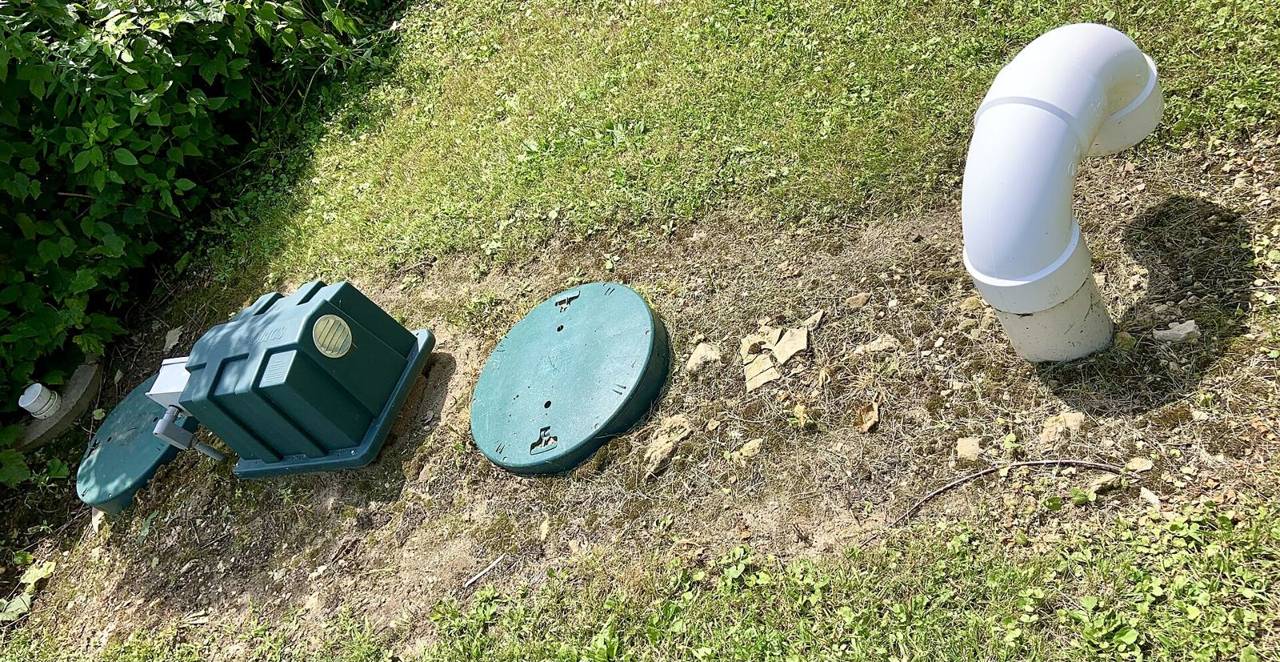
- We locate and open your tank, aerobic unit and dispersal area, including buried lids common on older Wimberley properties
- We explain what we find in plain language, with photos where they help
- Repairs and installs are planned around Hays County permitting requirements
- You get written options before any repair work begins
- Aerobic visits are recorded for your maintenance contract
Septic conditions around Wimberley
Wimberley is in Hays County, so septic permits for most properties run through Hays County Development Services, the authorized agent under the state rules TCEQ sets in 30 TAC Chapter 285. A new system, replacement or major repair generally needs a permit and inspections. Hays County asks for an initial two-year maintenance contract on new aerobic systems, and after that the owner needs a contract with a licensed provider or must complete the county's coursework to maintain the system personally. If your property lies inside Wimberley city limits, ask the city whether any local rules apply on top of the county's. Wells in the area are usually regulated separately by a groundwater district, which is a different office from septic. Call before you plan work. Requirements and fees change, and a short call saves expensive mistakes.
Aerobic Septic Repair questions from Wimberley homeowners
My aerobic system flooded. What should I do first?
Stay away from the electrical panel if it was underwater, and shut the breaker only if it is safe to reach. Keep everyone out of standing water and limit water use inside. Call for an inspection before restarting. Wet electrical gear and silt-filled tanks can fail or be dangerous. Write down the alarm sound.
Why does my spray system keep clogging?
Fine solids, a worn filter, scale from hard Hill Country water or biofilm in the lines are common causes. Sometimes the root cause is upstream, such as a tank overdue for pumping or an aerator that is not performing. We check the whole path from tank to emitter, not just the clogged head. Keep fixtures from running.
Is it normal for the compressor to run all the time?
Yes, many aerobic blowers run constantly or on a long cycle. What is not normal is a change in noise, a hot casing, or an alarm tied to air pressure. If the sound changes or the blower stops, call. Replacing a diaphragm early is cheaper than replacing the whole unit later. Photos make triage faster.
Can I fix an aerobic system myself?
Homeowners can silence alarms, reset a breaker and look over the system, but repairs involve electricity, wastewater and gases. Some work must be done by a qualified professional, and your maintenance contract may require your provider to handle service. When in doubt, call a pro before you open panels or tanks. Even small fixes can create safety or compliance issues if done incorrectly.
Is a repair covered by my maintenance contract?
It depends on the contract. Many contracts cover inspections, testing and reports, while parts and major repairs are billed separately. Look at the covered items list in your contract or ask your provider. We can help you read the contract if you are not sure what it includes and what it leaves out. Ask whether labor, travel and parts are billed together or separately.
Why does my aerobic tank smell?
A healthy aerobic unit has a mild, earthy smell at most. A strong rotten odor often means the bacteria are not getting enough air, the tank is overloaded or a part has failed. A weak air pump, a damaged diffuser or too much bleach or antibacterial cleaner are common causes. A technician can find the reason. If the smell is strong near the house, call quickly, since gases can enter plumbing.
More about aerobic septic repair → · All septic services in Wimberley →
Need aerobic septic repair in Wimberley?
Call or send a request. We will ask a few questions about your system and the property, then schedule a visit.