Spicewood · Travis and Burnet Counties
Aerobic Septic Repair in Spicewood, TX
When an aerobic system in Spicewood alarms, smells or leaves a wet yard, the cause is usually something simple that has been ignored: a clogged spray head, a worn air pump, a dead float or an empty chlorinator. We find the actual fault, repair or replace what failed and confirm the system cycles properly before we leave the property. A small repair done early keeps the spray field from taking the damage.
Aerobic Septic Repair for Spicewood homes
When an aerobic unit in Spicewood quits, you usually find out through an alarm, a dead spray zone or a smell around the tank. Common culprits include a failed air compressor, a stuck float, a worn effluent pump and clogged spray heads. Spicewood's long power lines and summer storms add another suspect, since a surge can fry a control board while the rest of the unit looks fine. Other repairs show up less often but matter just as much. A cracked tank lid can let rain in and swamp the unit. A failed check valve can send water back into the tank after each cycle. Corroded wiring in a damp junction box can make the system seem haunted, tripping alarms with no clear cause. We check these before assuming a major part is bad.
We begin with the simple checks: is there power, is the breaker on, what does the panel history show. Then we test the blower, watch the pump run, and look at the water in the final chamber. Cloudy gray water suggests the biology is struggling, which points to air. Clear water with a dead spray zone points to the pump, line or head, which is a different repair and a different cost. Testing a spray system takes patience. We watch each zone to see whether heads pop up, spin and shut off properly. Weak spray can mean a partly clogged filter or a leak; no spray can mean a dead valve or a broken line. Pressure checks narrow the cause quickly so we dig only where the problem actually is.
Rocky ground and long runs between tank and field make Spicewood repairs more physical than on a flat lot. A broken spray line may be under caliche or tree roots, and finding the break by pressure and flow beats digging blindly. Once the failed part is fixed, we run a full cycle and ask you to watch for alarms over the next few days while the biology settles. Some failures come from long-term neglect, such as a unit that went unserviced for years while sludge built up. Those repairs may include pumping, cleaning the clarifier and replacing worn diffusers before the unit stabilizes. We explain what is needed and what can wait, and we do not recommend a full replacement unless the evidence supports it.
What to know in Spicewood
Power quality at the end of the line
Rural lines can see brief drops and surges. A panel that trips repeatedly or a blower that burns out early may point to supply issues. A surge protector and a dedicated circuit are inexpensive protection compared with replacing a compressor or control board. Compare the cost of a repair with the unit's age and condition. A modest fix on a well-kept ten-year-old unit is reasonable; repeated big bills on a worn-out one may point to replacement.
Parts for older units
Many Spicewood systems were installed years ago, and some makers have changed or closed. We identify the brand and model first, then tell you whether a part is easy to source or whether the unit is nearing replacement. Ask whether replacement parts are in stock, because a long wait for a part leaves the tank filling. Temporary pumping can bridge the gap while parts arrive.
Wildlife and the spray field
Hogs rooting, deer chewing on lines and rodents getting into the panel box all happen here. If damage keeps returning, a fence, sealed conduit or different head style can help. We look for these patterns before replacing the same part twice. Wildlife damage often repeats. Sealing the conduit entries and mowing around heads may save you from a second repair, and it costs little.
Signs you may need aerobic septic repair
- Spray heads not turning, cracked or spraying unevenly
- Standing water or sewage odor in the spray area
- Breaker that trips again and again
- Slow drains or backups inside the house
How aerobic septic repair works
Disinfection and control problems are less visible but just as important. A chlorinator that jams, a tablet feeder that fails or a timer set wrong can put poorly treated water onto the ground. Control panels also fail from heat, moisture, insects and lightning. Replacing a timer, relay or breaker is usually straightforward, but wiring should only be handled by someone qualified. If your system is under a maintenance contract, tell your licensed maintenance provider about any repair, since it may need to be noted in your reports. Larger repairs or changes to the system may need a permit, so check with the county before major work begins. Keeping a log of repairs, dates and parts gives the next technician a head start and helps if you ever sell.
Some failures are bigger than a single part. A tank with a cracked wall, a broken baffle, severe corrosion or a failed spray field may need major repair or even replacement of the system. We try to tell you early if that is the situation, and we explain why. A repair that costs less than a replacement is not always the best choice if the unit is near the end of its life, and a replacement is not needed if one part will solve the problem. Honest diagnosis, clear options and written estimates help you decide what makes sense for your home, your budget and your long-term plans. If the numbers favor replacement, we can talk about timing, permits and what the county will want to see first.
What to expect on a Spicewood visit
- 01
Listen to the symptoms
We start by asking what you have noticed. When did the alarm start? Is the pump running? Are there smells, wet spots or backups? Your answers narrow the possible causes before we touch the system, and they help us avoid unnecessary work and unnecessary parts. Photos or notes you took help.
- 02
Check power and controls
We check the breaker, the control panel, the timer and the float switches. Many alarms come from a simple electrical issue. We confirm that power is reaching the air pump and the effluent pump, and that the alarm itself works the way it should. We also check for loose wiring.
- 03
Test the air pump and tanks
We listen to the air pump, check airflow at the diffuser and look at each chamber. Dark water, foam, heavy odor or poor airflow help us tell whether the problem is mechanical or biological. We also check the water level in the pump tank. We record readings for your file.
- 04
Inspect the pump and spray system
We test the effluent pump, the filter and the lines to the spray heads or drip field. We run the system and watch how the water is delivered. Clogs, leaks, cracked heads and weak pressure show up quickly when the system is running. Pressure at each head is compared. We note the pressure.
- 05
Explain options and get your approval
We tell you what failed, what we recommend and what it would cost, in writing when needed. Where there is a choice, such as rebuild or replace, we explain the pros and cons. We only start work after you approve the plan we have discussed. Written estimates are available on request.
- 06
Repair, test and document
We make the repair with parts that match your system, run it through a full cycle and confirm that the alarm is clear. We note the work for your records and let your maintenance provider know, so the repair shows up correctly in your reports. You get a short summary of the repair.
Our approach in Spicewood
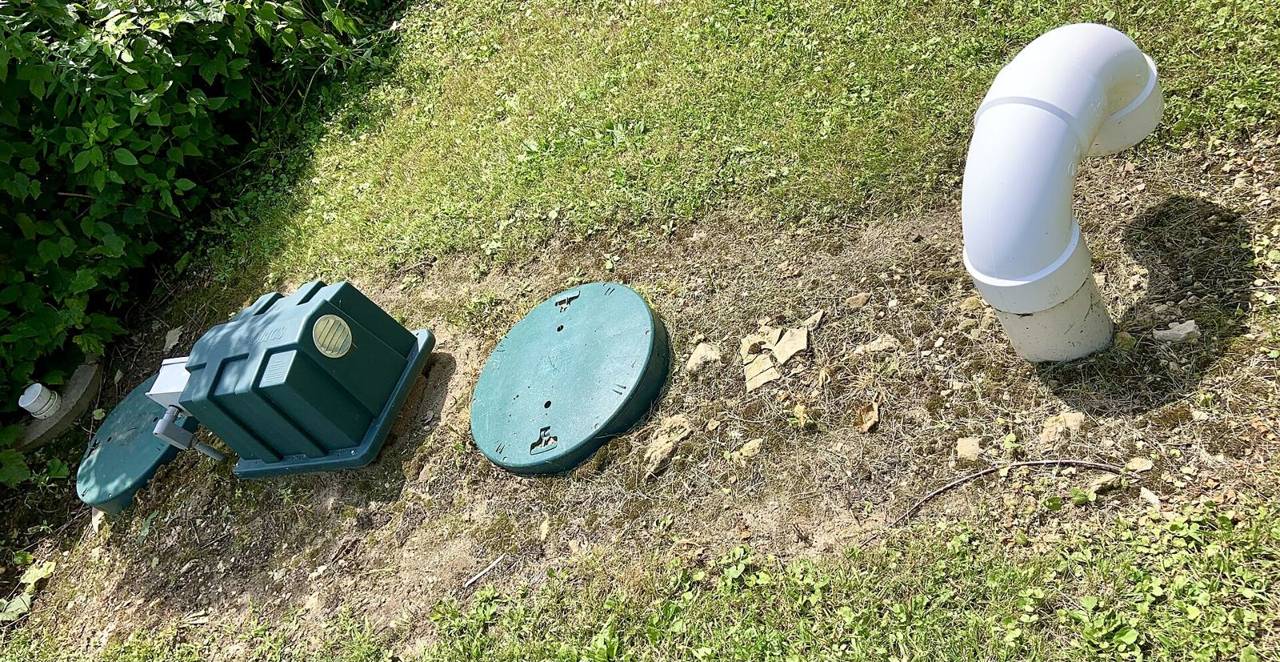
- We locate and open your tank, aerobic unit and dispersal area, including buried lids common on older Spicewood properties
- We explain what we find in plain language, with photos where they help
- Repairs and installs are planned around Travis and Burnet Counties permitting requirements
- You get written options before any repair work begins
- Aerobic visits are recorded for your maintenance contract
Septic conditions around Spicewood
Burnet County Development Services handles septic permitting on its side of the line, and the county ties the process to a 911 address and a building permit, so those steps usually come first for new construction. On the Travis County side, Transportation and Natural Resources acts as the permit authority for unincorporated land under TCEQ's 30 TAC Chapter 285. The LCRA adds another layer near the water. It has regulated septic systems for decades within a zone around Lake Travis, so lakeside lots may fall under its program, and the Burnet County site links to an LCRA jurisdiction map. Texas also requires aerobic systems to be covered by a maintenance contract with a licensed provider. Before you start a repair, replacement or new install, confirm the correct office for your parcel. Phone the permit office early, because a short call can save an application from being sent to the wrong place.
Aerobic Septic Repair questions from Spicewood homeowners
How do I know whether the blower or the pump has failed?
If the panel shows an air alarm or you cannot hear the blower hum, suspect the air side. If the tank is full and the spray zones are dry, suspect the pump or a float. Both are common, and a technician can confirm which with a short test. Look at the control panel, which shows the type of alarm. High water suggests a pump or float; air alarms point to the compressor. Photograph the panel and give us the details when you call.
Can a Spicewood aerobic repair wait until my next maintenance visit?
Rarely. An alarm means something has changed, and a tank can fill within days with a normal household load. Cut back on water use and call. A small repair done promptly is almost always cheaper than damage to the pump, field or home. In a pinch, you can reduce water use to buy a few days. But the clock is ticking on a full tank, so schedule service quickly and keep us posted if conditions change.
Does repairing an aerobic system need a permit?
Replacing like-for-like parts such as a blower or pump generally does not. Altering the tank, the field or the layout usually does. Check with Travis County or Burnet County, whichever covers your address, before larger work, and keep records of what was changed. Replacing equal parts is generally allowed without a new permit, but keep receipts. Bigger changes need approval, and the office is happy to answer a quick call before you commit.
Can I fix an aerobic system myself?
Homeowners can silence alarms, reset a breaker and look over the system, but repairs involve electricity, wastewater and gases. Some work must be done by a qualified professional, and your maintenance contract may require your provider to handle service. When in doubt, call a pro before you open panels or tanks. Even small fixes can create safety or compliance issues if done incorrectly.
Is a repair covered by my maintenance contract?
It depends on the contract. Many contracts cover inspections, testing and reports, while parts and major repairs are billed separately. Look at the covered items list in your contract or ask your provider. We can help you read the contract if you are not sure what it includes and what it leaves out. Ask whether labor, travel and parts are billed together or separately.
Why does my aerobic tank smell?
A healthy aerobic unit has a mild, earthy smell at most. A strong rotten odor often means the bacteria are not getting enough air, the tank is overloaded or a part has failed. A weak air pump, a damaged diffuser or too much bleach or antibacterial cleaner are common causes. A technician can find the reason. If the smell is strong near the house, call quickly, since gases can enter plumbing.
More about aerobic septic repair → · All septic services in Spicewood →
Need aerobic septic repair in Spicewood?
Call or send a request. We will ask a few questions about your system and the property, then schedule a visit.