Henly · Hays County
Aerobic Septic Repair in Henly, TX
Aerobic repairs in Henly usually follow a pattern: a surge-damaged panel, a worn air pump, a stuck float or a clogged spray head. Rural power can be uneven, and lightning storms across open land are hard on electronics. We test the system to find the real fault rather than guessing. If an alarm has been silenced for a long time, expect to check the bacteria health of the tank as well. We explain the options and costs before we start.
Aerobic Septic Repair for Henly homes
When an aerobic system in Henly goes wrong, the symptom is usually obvious: the alarm light, a wet patch under the spray heads, or a smell that was not there last week. The cause is less obvious. An ATU has many parts, including a compressor or blower, diffusers, a float switch, a transfer pump, a control panel and spray heads. Aerobic septic repair here is mostly about tracing the symptom back to the one failed part. Henly homes often sit a long way from the nearest supplier, so we try to carry common parts and diagnose carefully, so a second trip is not needed.
The air pump is the usual first suspect. A diaphragm that has worn out, a clogged filter or a cracked air line can leave the bacteria starved for oxygen. The tank then turns dark and smells like sewage instead of earth. Float switches fail too, especially after years of sitting in grease and lint. A stuck float can leave the pump running dry or never running at all. We test each part in order instead of replacing several at once. Control panels deserve a mention. Moisture, ants and heat can all damage the circuit board. A panel that trips breakers or resets itself deserves an inspection, not just a new fuse.
Spray fields are the other trouble spot. Heads clog with mineral scale, which is common where well water is hard, as it is across the limestone Hill Country. A clogged head sends water to one spot, and the ground turns soggy. Cleaning or replacing a head is cheap. Ignoring it can ruin the turf and force a field redesign. If your system has been alarming off and on, have it looked at before a small repair becomes a major one. We suggest cleaning the filter and checking the discharge line while on site. Fixing the one part that failed while ignoring the rest of the system tends to bring you back sooner than you want.
What to know in Henly
Hard water and scale
Limestone-rich groundwater leaves mineral buildup in nozzles, floats and pump screens. Henly homes on wells see it more than most. A cleaning and a screen check often restore flow without new parts, but repeated clogging may point to a water treatment issue upstream. If your water softener regenerates into the system, mention it. Brine can stress an ATU and speed up scale.
Parts and permit rules
Repairs that swap like for like are different from changes that alter the system's design. Replacing a pump is routine. Moving spray heads or changing the field layout may need county approval. When in doubt, check with Hays County Development Services before work begins. Keep your repair records. County files and future buyers value a clear history of what was replaced and when.
Lightning and surge damage
Hill Country thunderstorms can fry control panels and compressors on rural lines. If the system died right after a storm, tell us. A surge protector on the panel circuit is a modest fix that prevents a repeat. Ask about a surge protector or a dedicated circuit for the panel while we are there. It costs little compared with a new board.
Signs you may need aerobic septic repair
- Spray heads not turning, cracked or spraying unevenly
- Standing water or sewage odor in the spray area
- Breaker that trips again and again
- Slow drains or backups inside the house
How aerobic septic repair works
Spray heads and drip lines are another frequent trouble spot. Heads clog with debris, crack in the sun, get hit by mowers or sink out of alignment. A broken head can spray in the wrong direction, pool water or leave dry patches. In drip systems, filters and emitters can plug up. Repairs are often simple, but the layout matters, because the county approved a certain spray pattern and distance from property lines, wells and buildings. We replace parts with the right type and adjust coverage to stay within the approved design. If the spray area has changed from what the plans show, we tell you so you can talk with your permitting office. Clear, even coverage also protects neighbors, pets and children from contact with treated water that should soak in on your lot.
Disinfection and control problems are less visible but just as important. A chlorinator that jams, a tablet feeder that fails or a timer set wrong can put poorly treated water onto the ground. Control panels also fail from heat, moisture, insects and lightning. Replacing a timer, relay or breaker is usually straightforward, but wiring should only be handled by someone qualified. If your system is under a maintenance contract, tell your licensed maintenance provider about any repair, since it may need to be noted in your reports. Larger repairs or changes to the system may need a permit, so check with the county before major work begins. Keeping a log of repairs, dates and parts gives the next technician a head start and helps if you ever sell.
What to expect on a Henly visit
- 01
Listen to the symptoms
We start by asking what you have noticed. When did the alarm start? Is the pump running? Are there smells, wet spots or backups? Your answers narrow the possible causes before we touch the system, and they help us avoid unnecessary work and unnecessary parts. Photos or notes you took help.
- 02
Check power and controls
We check the breaker, the control panel, the timer and the float switches. Many alarms come from a simple electrical issue. We confirm that power is reaching the air pump and the effluent pump, and that the alarm itself works the way it should. We also check for loose wiring.
- 03
Test the air pump and tanks
We listen to the air pump, check airflow at the diffuser and look at each chamber. Dark water, foam, heavy odor or poor airflow help us tell whether the problem is mechanical or biological. We also check the water level in the pump tank. We record readings for your file.
- 04
Inspect the pump and spray system
We test the effluent pump, the filter and the lines to the spray heads or drip field. We run the system and watch how the water is delivered. Clogs, leaks, cracked heads and weak pressure show up quickly when the system is running. Pressure at each head is compared. We note the pressure.
- 05
Explain options and get your approval
We tell you what failed, what we recommend and what it would cost, in writing when needed. Where there is a choice, such as rebuild or replace, we explain the pros and cons. We only start work after you approve the plan we have discussed. Written estimates are available on request.
- 06
Repair, test and document
We make the repair with parts that match your system, run it through a full cycle and confirm that the alarm is clear. We note the work for your records and let your maintenance provider know, so the repair shows up correctly in your reports. You get a short summary of the repair.
Our approach in Henly
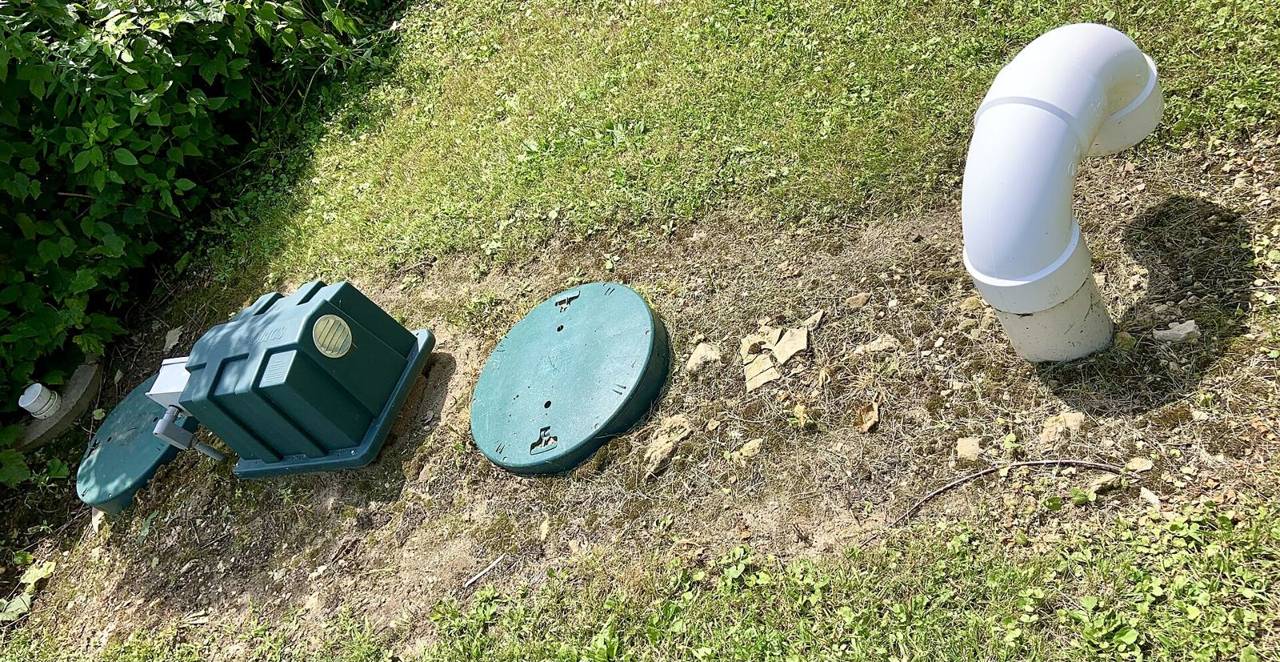
- We locate and open your tank, aerobic unit and dispersal area, including buried lids common on older Henly properties
- We explain what we find in plain language, with photos where they help
- Repairs and installs are planned around Hays County permitting requirements
- You get written options before any repair work begins
- Aerobic visits are recorded for your maintenance contract
Septic conditions around Henly
Weather out here is wide open. Summer drought bakes the ground, cracks clay and dries spray fields, while a single big storm can drop several inches of rain onto thin soil that has no place to hold it. After a storm, low spots in a field can stay wet for days. Wind and lightning are real concerns for aerobic systems, since a power surge can damage the control panel or air pump, and a power outage stops treatment until the electricity is restored. Livestock and ranch vehicles add risk, because heavy loads on a field compress soil and crush shallow lines. Roots from cedar and oak will find their way into pipes if allowed. A seasonal walk around the field, lids and panel catches most problems early. Long gravel drives also need planning for service: a heavy pump truck needs firm ground and room to turn, so scheduling after a dry stretch helps. Flag your tank lids ahead of time, and tell us if you are unsure where the tank is.
Aerobic Septic Repair questions from Henly homeowners
My aerobic tank smells bad. Is that a repair or a maintenance issue?
It can be either. A sewage smell inside the aeration chamber often means the air pump is weak or off, which is a repair. A smell caused by a dry chlorine feeder or dirty filter is routine maintenance. We check airflow first because it settles the question fast. If a sewage smell is only noticeable near the spray heads, the cause may be a disinfection problem rather than aeration, and the fix is different.
Can I keep using water when the alarm is on?
Only a little. The alarm means something is off, and the tank may be near full. Use water for essentials only and call us. Heavy use can push untreated water to the surface or back up into the house. Most alarm calls end with a simple fix once the cause is found. Keep the alarm on and the breaker on. Turning off the power to quiet the noise can make the problem worse.
Is it cheaper to repair or replace an aging ATU?
Usually repair, if the tank itself is sound. Many failures are a pump, a float or a head. Replacing the whole unit is a bigger project with permitting. If the tanks are cracked or repairs keep stacking up, we will explain the trade-off so you can decide with real numbers. Get a written estimate that separates parts, labor and permit costs if any, so you can compare repair against replacement honestly.
Is a repair covered by my maintenance contract?
It depends on the contract. Many contracts cover inspections, testing and reports, while parts and major repairs are billed separately. Look at the covered items list in your contract or ask your provider. We can help you read the contract if you are not sure what it includes and what it leaves out. Ask whether labor, travel and parts are billed together or separately.
Why does my aerobic tank smell?
A healthy aerobic unit has a mild, earthy smell at most. A strong rotten odor often means the bacteria are not getting enough air, the tank is overloaded or a part has failed. A weak air pump, a damaged diffuser or too much bleach or antibacterial cleaner are common causes. A technician can find the reason. If the smell is strong near the house, call quickly, since gases can enter plumbing.
Do I need a permit to repair my aerobic system?
Replacing small parts like pumps, floats or spray heads usually does not need a permit. Major repairs, tank replacement or layout changes often do. Rules vary by county and city, so check with Hays County, Travis County or the City of Austin, depending on your address, before you start any major work on the system. Keep the permit and any repair records so you can show the county what was done.
More about aerobic septic repair → · All septic services in Henly →
Need aerobic septic repair in Henly?
Call or send a request. We will ask a few questions about your system and the property, then schedule a visit.