Dripping Springs · Hays County
Aerobic Septic Repair in Dripping Springs, TX
When an aerobic system fails around Dripping Springs, the cause is often a worn air pump, a stuck float, a clogged spray head or a tripped alarm. Heat and lightning take a toll on pumps and boards. We trace the symptom back to the part that caused it instead of swapping parts at random. Common repairs include replacing a pump, cleaning filters and fixing spray field lines. A steady alarm, a strong odor or standing water near the tank means it is time to call.
Aerobic Septic Repair for Dripping Springs homes
When an aerobic system fails in Dripping Springs, the cause is usually a mechanical part rather than the whole system. The most common repairs we see are air compressors that wear out after years of constant running, float switches stuck by grease, submersible pumps with burned motors, and control boards hit by lightning. Spring thunderstorms across the Hill Country are hard on electronics, and a power surge can quietly kill a panel that looked fine the week before. Most of these failures are fixable without touching the tank itself. Older units built when aerobic systems were new to the area may use parts that are harder to find, so we sometimes match a modern pump or blower to the original tank. That keeps the cost far below a full replacement.
Diagnosis starts with the alarm and the panel history. A high-water alarm means the pump tank is filling faster than it empties. That can be a bad float, a failed pump, a plugged line or a field that is saturated after rain. We work through those possibilities in order, from the cheapest and most common to the more serious. Replacing a float or a diffuser is a much smaller job than replacing a whole treatment unit, and it is the one we want to rule out first. We also check that the problem is not downstream. A spray line cut by a landscaper or a closed valve can mimic a pump failure and send the alarm off just the same.
Larger repairs tend to show up on early systems installed on shallow limestone, where the spray area was small or sits on a slope. Sprinkler heads can clog from fine solids, lines can crack in rocky fill, and runoff can appear along a property edge. When repair is not enough, we explain why before suggesting anything bigger. Any repair that changes the approved design should go through Hays County first, so ask us what needs a permit before the first shovel goes in the ground. Where a system keeps failing, the better question is why. Water softener discharge, a leaking toilet or a household grown past the design size can quietly overwork a unit until it quits.
What to know in Dripping Springs
Parts that wear out first
Air compressors, diaphragms, float switches and pumps are the usual suspects. A compressor is often the first mechanical part to fail, and replacing it is routine work. Watching the panel and listening for changes in the hum of the blower can help you spot trouble early, before an alarm goes off. Ask us for a spare float if the panel is old.
Lightning and storm damage
Hill Country storms bring lightning strikes and brief outages. A surge can burn out timers, boards and pump motors. A surge protector at the panel is a modest upgrade that can save a much larger repair bill, and it is worth asking about whenever a panel has to be replaced. Keep the panel door latched in storms.
Repair versus change of design
Swapping a like-for-like pump or blower is normally routine maintenance. Changing tank size, moving spray heads or altering the field usually involves the permitting authority. When in doubt, call Hays County Development Services before work starts, so a quick fix does not become a compliance problem later. Take a photo of the old part for your records.
Signs you may need aerobic septic repair
- Red alarm light or buzzer that keeps returning
- Air pump that has gone quiet or sounds strained
- Black, foamy or foul-smelling water in the aeration chamber
- Spray heads not turning, cracked or spraying unevenly
How aerobic septic repair works
Aerobic septic repair covers the many parts that make an aerobic treatment unit work. Unlike a basic gravity system, an aerobic unit depends on electricity, air, timers, pumps and a disinfection step. That is why it treats wastewater to a higher standard, and it is also why it has more parts that can wear out. Common repairs include air pump diaphragms, diffusers and air lines, float switches, effluent pumps, control panel components and spray heads. When an alarm goes off or the system stops spraying, a methodical approach finds the cause faster than guessing. Aerobic septic repair in Dripping Springs and the surrounding Hill Country should start with a diagnosis, not a part swap, so you only pay for what the system needs.
The most common call is an alarm. Most systems have a red light and a buzzer that trigger when the water in the pump tank gets too high or the air supply drops. The cause may be a failed air pump, a tripped breaker, a bad float, a clogged effluent filter, a worn pump or a plugged spray line. Silence the alarm, note the time and the weather, and check the breaker. If the alarm returns, call for service and do not ignore it. Water has nowhere to go when the pump tank is full, and wastewater can back up in the system or, in the worst case, into the house. Cutting back on water use while you wait helps.
What to expect on a Dripping Springs visit
- 01
Listen to the symptoms
We start by asking what you have noticed. When did the alarm start? Is the pump running? Are there smells, wet spots or backups? Your answers narrow the possible causes before we touch the system, and they help us avoid unnecessary work and unnecessary parts. Photos or notes you took help.
- 02
Check power and controls
We check the breaker, the control panel, the timer and the float switches. Many alarms come from a simple electrical issue. We confirm that power is reaching the air pump and the effluent pump, and that the alarm itself works the way it should. We also check for loose wiring.
- 03
Test the air pump and tanks
We listen to the air pump, check airflow at the diffuser and look at each chamber. Dark water, foam, heavy odor or poor airflow help us tell whether the problem is mechanical or biological. We also check the water level in the pump tank. We record readings for your file.
- 04
Inspect the pump and spray system
We test the effluent pump, the filter and the lines to the spray heads or drip field. We run the system and watch how the water is delivered. Clogs, leaks, cracked heads and weak pressure show up quickly when the system is running. Pressure at each head is compared. We note the pressure.
- 05
Explain options and get your approval
We tell you what failed, what we recommend and what it would cost, in writing when needed. Where there is a choice, such as rebuild or replace, we explain the pros and cons. We only start work after you approve the plan we have discussed. Written estimates are available on request.
- 06
Repair, test and document
We make the repair with parts that match your system, run it through a full cycle and confirm that the alarm is clear. We note the work for your records and let your maintenance provider know, so the repair shows up correctly in your reports. You get a short summary of the repair.
Our approach in Dripping Springs
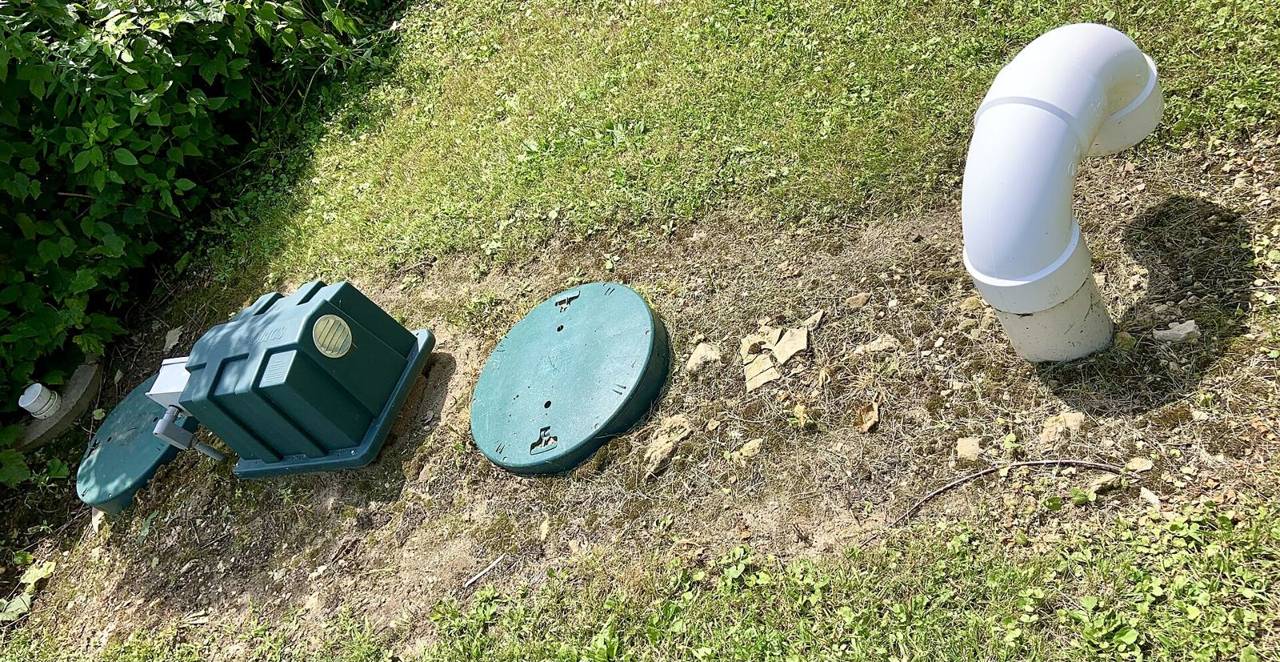
- We locate and open your tank, aerobic unit and dispersal area, including buried lids common on older Dripping Springs properties
- We explain what we find in plain language, with photos where they help
- Repairs and installs are planned around Hays County permitting requirements
- You get written options before any repair work begins
- Aerobic visits are recorded for your maintenance contract
Septic conditions around Dripping Springs
Growth has changed Dripping Springs quickly. Older homes on acreage and small ranches now share the area with newer neighborhoods, and new construction keeps appearing along US-290, RR 12 and FM 150. That mix means you can find a decades-old conventional tank on one lot and a modern aerobic system on the next. Older systems were often sized for fewer bedrooms and fewer people than the house holds today, and a remodel or an added bathroom can push a tank past the load it was designed to handle. Newer builds usually come with aerobic units, risers and a spray field or drip lines, along with a maintenance contract from day one. Many Hill Country homes also use a private well, so drinking water and wastewater sit close together on the same property. A failing system matters more here than it would on a small city lot. When we visit a Dripping Springs property, the first job is working out what kind of system is there, how old it is, and what the household really puts through it.
Aerobic Septic Repair questions from Dripping Springs homeowners
My aerobic alarm is going off. What should I do?
Silence the alarm if the panel allows, then cut back on water use by skipping laundry and long showers. Note whether the light is red or an audible tone is sounding, then call us. Do not keep running water for days, because a full pump tank can push sewage to the surface of the yard. Water use matters during the wait.
How much does aerobic repair cost?
It varies a lot. A float or timer repair can be a few hundred dollars, a new compressor or pump costs more, and replacing a whole treatment unit runs into the thousands. These are general market ranges, not a quote. After diagnosing the problem, we explain the options and the likely range for your system. Prices vary with parts and access.
Can the spray area be repaired without a new permit?
Replacing a broken head or a short section of line is usually treated as a repair. Moving heads, adding area or changing the design often needs county approval. Check with Hays County Development Services, and we can help describe exactly what is being changed so the answer you get is clear. Keep your permit number handy when you call.
What should I do first when my aerobic alarm goes off?
Silence the alarm if your panel has a button for it, then check the breaker. Note the time, any recent storms and how the system sounds. Cut back on water use, such as laundry and long showers, until it is checked. If the alarm comes back, call for service. Do not ignore it, since the pump tank can fill up and back up.
How long does an aerobic air pump last?
It varies with the brand, the heat and how well the filter is kept clean. Many pumps work for several years before the diaphragms need to be replaced, and the whole unit may need replacing after longer use. Regular maintenance visits often catch a failing pump before it quits, which keeps the repair smaller and cheaper. A technician can test the pump and filter to see how much life remains.
Can I fix an aerobic system myself?
Homeowners can silence alarms, reset a breaker and look over the system, but repairs involve electricity, wastewater and gases. Some work must be done by a qualified professional, and your maintenance contract may require your provider to handle service. When in doubt, call a pro before you open panels or tanks. Even small fixes can create safety or compliance issues if done incorrectly.
More about aerobic septic repair → · All septic services in Dripping Springs →
Need aerobic septic repair in Dripping Springs?
Call or send a request. We will ask a few questions about your system and the property, then schedule a visit.