Driftwood · Hays County
Aerobic Septic Repair in Driftwood, TX
Aerobic repairs in Driftwood often trace back to the same few causes: a failed air pump, a stuck float, a broken line to a distant spray field or an alarm someone silenced and forgot. Creek flooding can also soak a control panel. We find the actual fault before replacing anything. When a part is worn, we explain which one and why. If the damage is in the field itself, such as crushed lines from ranch traffic, we will tell you how to prevent a repeat.
Aerobic Septic Repair for Driftwood homes
Aerobic septic repair in Driftwood often starts with an alarm or a wet spot in the pasture. Because these systems depend on electric power, air, and pumps, the break is usually one of those three. A failed compressor leaves the tank without oxygen, so the bacteria stop doing their job and the water comes out darker and smellier. A burned pump or stuck float leaves the pump tank full, and the alarm sounds. The good news is that most of these faults can be fixed on site in a single visit if we can reach the equipment. If you are far from a parts store, ask whether we carry common floats, nozzles and fuses on the truck. Having them on hand saves a second trip across the hills.
Rural power adds its own problems. Long overhead lines, frequent outages and lightning during spring storms all take a toll on panels and pump motors out here. If your control panel is old, corroded by moisture or home to wasps and ants, we may recommend replacing it before it fails. We also check wiring and conduit for rodent damage, because ranch properties give mice and rats plenty of cover near a pump tank. Roaming rodents are an old problem for ranch panels. We seal conduit openings with foam and screening so they cannot return to the same spot. We also test voltage at the panel, since low voltage from a long rural line can make a healthy pump act like a failing one.
When the problem is outside the tank, we trace the line to the spray field and look for broken heads, buried valves or lines cut by a tractor. In rocky Driftwood soil, repairs to buried pipe can mean digging through limestone, so we pin down the break with pressure tests before opening the ground. If a repair changes the approved layout of the system, Hays County may need to be notified or may need to approve it. We ask the questions up front so you are not surprised. If a spray line must be rebuilt, we try to use fittings that can be reached later without digging through rock. That small design choice saves cost on the next repair.
What to know in Driftwood
Power quality in rural areas
Voltage dips and spikes happen on long rural lines. A surge protector and a properly grounded panel reduce the chance of a burned board. If you have a generator, tell us, since a backup power source changes how we set up alarms and timers. We label the zones for you.
Rodents and insects in the panel
Panels outdoors on a ranch are attractive to mice, wasps and fire ants. Chewed wires and nests cause shorts that look like mystery failures. We seal gaps, clean the enclosure and replace damaged wire so the fault does not come right back. Ask about a spare unit.
Finding a break in a long line
Spray lines on larger properties can run a long way. Pressure testing and flow checks find the break without trenching the whole route. That saves your pasture and keeps the repair focused on the actual damaged section instead of guesswork. Photos help us plan.
Signs you may need aerobic septic repair
- Air pump that has gone quiet or sounds strained
- Black, foamy or foul-smelling water in the aeration chamber
- Spray heads not turning, cracked or spraying unevenly
- Standing water or sewage odor in the spray area
How aerobic septic repair works
The most common call is an alarm. Most systems have a red light and a buzzer that trigger when the water in the pump tank gets too high or the air supply drops. The cause may be a failed air pump, a tripped breaker, a bad float, a clogged effluent filter, a worn pump or a plugged spray line. Silence the alarm, note the time and the weather, and check the breaker. If the alarm returns, call for service and do not ignore it. Water has nowhere to go when the pump tank is full, and wastewater can back up in the system or, in the worst case, into the house. Cutting back on water use while you wait helps.
Air pumps, also called compressors, are the heart of the system. They push air into the aeration chamber so bacteria can break down waste. Over time the rubber diaphragms wear, the filters clog and the valves fail. A pump that is still running but weak can look fine from the outside while the water in the chamber turns dark and smelly. Many pumps can be rebuilt with a diaphragm kit, while others are cheaper to replace outright. We look at the age of the unit, the cost of parts and the condition of the rest of the system, then give you a clear choice between repairing and replacing the pump. Catching a weak pump early is usually cheaper than waiting for it to fail completely and damage other parts.
What to expect on a Driftwood visit
- 01
Listen to the symptoms
We start by asking what you have noticed. When did the alarm start? Is the pump running? Are there smells, wet spots or backups? Your answers narrow the possible causes before we touch the system, and they help us avoid unnecessary work and unnecessary parts. Photos or notes you took help.
- 02
Check power and controls
We check the breaker, the control panel, the timer and the float switches. Many alarms come from a simple electrical issue. We confirm that power is reaching the air pump and the effluent pump, and that the alarm itself works the way it should. We also check for loose wiring.
- 03
Test the air pump and tanks
We listen to the air pump, check airflow at the diffuser and look at each chamber. Dark water, foam, heavy odor or poor airflow help us tell whether the problem is mechanical or biological. We also check the water level in the pump tank. We record readings for your file.
- 04
Inspect the pump and spray system
We test the effluent pump, the filter and the lines to the spray heads or drip field. We run the system and watch how the water is delivered. Clogs, leaks, cracked heads and weak pressure show up quickly when the system is running. Pressure at each head is compared. We note the pressure.
- 05
Explain options and get your approval
We tell you what failed, what we recommend and what it would cost, in writing when needed. Where there is a choice, such as rebuild or replace, we explain the pros and cons. We only start work after you approve the plan we have discussed. Written estimates are available on request.
- 06
Repair, test and document
We make the repair with parts that match your system, run it through a full cycle and confirm that the alarm is clear. We note the work for your records and let your maintenance provider know, so the repair shows up correctly in your reports. You get a short summary of the repair.
Our approach in Driftwood
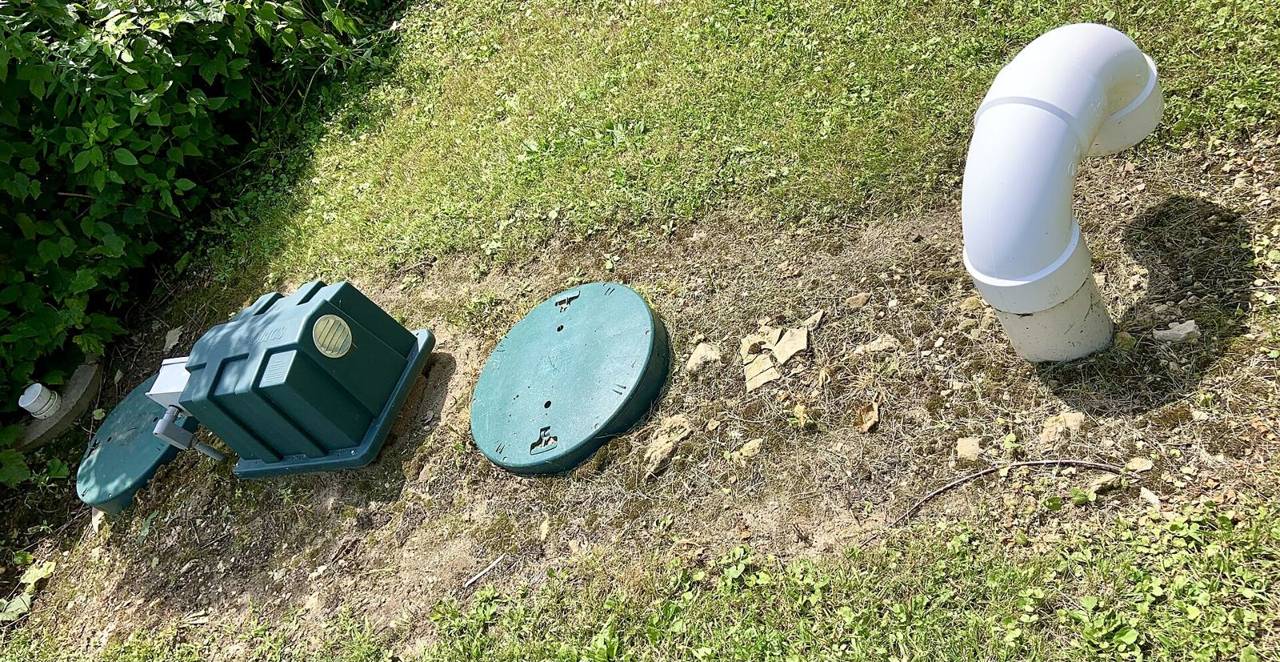
- We locate and open your tank, aerobic unit and dispersal area, including buried lids common on older Driftwood properties
- We explain what we find in plain language, with photos where they help
- Repairs and installs are planned around Hays County permitting requirements
- You get written options before any repair work begins
- Aerobic visits are recorded for your maintenance contract
Septic conditions around Driftwood
Driftwood is largely unincorporated, and centralized sewer lines are generally not available to the rural tracts that surround FM 150 and FM 1826. Property listings in the area regularly note that sewer is not available, which means septic or aerobic treatment is the plan for nearly every home. That is a simple answer compared with many nearby towns, but it comes with responsibility. There is no city crew to call when a system acts up, and a neglected tank can foul your yard, your well or a neighbor's. A few developments may be served by a shared or utility-operated system, so confirm with the seller or your homeowner's association if you are not sure. As a practical rule, if you do not pay a monthly sewer bill, you own a septic system and the upkeep that goes with it.
Aerobic Septic Repair questions from Driftwood homeowners
Why is my aerobic alarm sounding in the middle of the night?
Most often the pump tank is full, which can happen from a stuck float, a failed pump or heavy water use. Cut back on water, silence the alarm if it allows, and call us in the morning unless water is surfacing or backing up. Sewage in the house or yard is a same-day call. Clear a path to the panel.
Can a tractor or mower really damage my system?
Yes. Heads sit just above grade, and the lines run a foot or less under the soil in many fields. A tractor tire can crush a riser or snap a head. Mark the field, avoid heavy equipment over it, and call us if a head is bent, missing or spraying oddly. Keep animals off the field.
Is repair cheaper than replacing the whole aerobic unit?
Usually, if the tank is sound and the parts are available. Pumps, floats, compressors and panels cost far less than a new treatment unit. If the tank itself has cracked or the unit is badly undersized for your household, replacement may be the better value. We will go over both options plainly. Ask for a written estimate.
How long does an aerobic air pump last?
It varies with the brand, the heat and how well the filter is kept clean. Many pumps work for several years before the diaphragms need to be replaced, and the whole unit may need replacing after longer use. Regular maintenance visits often catch a failing pump before it quits, which keeps the repair smaller and cheaper. A technician can test the pump and filter to see how much life remains.
Can I fix an aerobic system myself?
Homeowners can silence alarms, reset a breaker and look over the system, but repairs involve electricity, wastewater and gases. Some work must be done by a qualified professional, and your maintenance contract may require your provider to handle service. When in doubt, call a pro before you open panels or tanks. Even small fixes can create safety or compliance issues if done incorrectly.
Is a repair covered by my maintenance contract?
It depends on the contract. Many contracts cover inspections, testing and reports, while parts and major repairs are billed separately. Look at the covered items list in your contract or ask your provider. We can help you read the contract if you are not sure what it includes and what it leaves out. Ask whether labor, travel and parts are billed together or separately.
More about aerobic septic repair → · All septic services in Driftwood →
Need aerobic septic repair in Driftwood?
Call or send a request. We will ask a few questions about your system and the property, then schedule a visit.