Wimberley · Hays County
Aerobic Septic Maintenance in Wimberley, TX
Many Wimberley hillside homes use aerobic systems, since thin soil on slopes often rules out a basic drain field. Maintenance includes checking the aerator and air pump, testing the disinfection stage, cleaning filters and inspecting spray heads or drip zones. Vacation homes need special care because an idle system can lose its healthy bacteria. Hays County requires an initial two-year maintenance contract on new aerobic systems, and a licensed provider does those visits.
Aerobic Septic Maintenance for Wimberley homes
Aerobic septic maintenance is a routine part of owning a home in the Wimberley valley, because the local ground is not friendly to simple drain fields. Thin soils sit over fractured limestone, and the aquifer below is the drinking water source for much of the area. Aerobic treatment units clean wastewater more thoroughly before it is spread on the surface through spray heads or underground through drip lines. In Hays County, a new aerobic system must have an initial two-year maintenance contract, and maintenance continues after that. These systems do not run themselves. Hays County also requires the paperwork to be kept current, so we leave you with a record after each visit. Keep those with your rental license papers if you host guests, since they show the system is cared for.
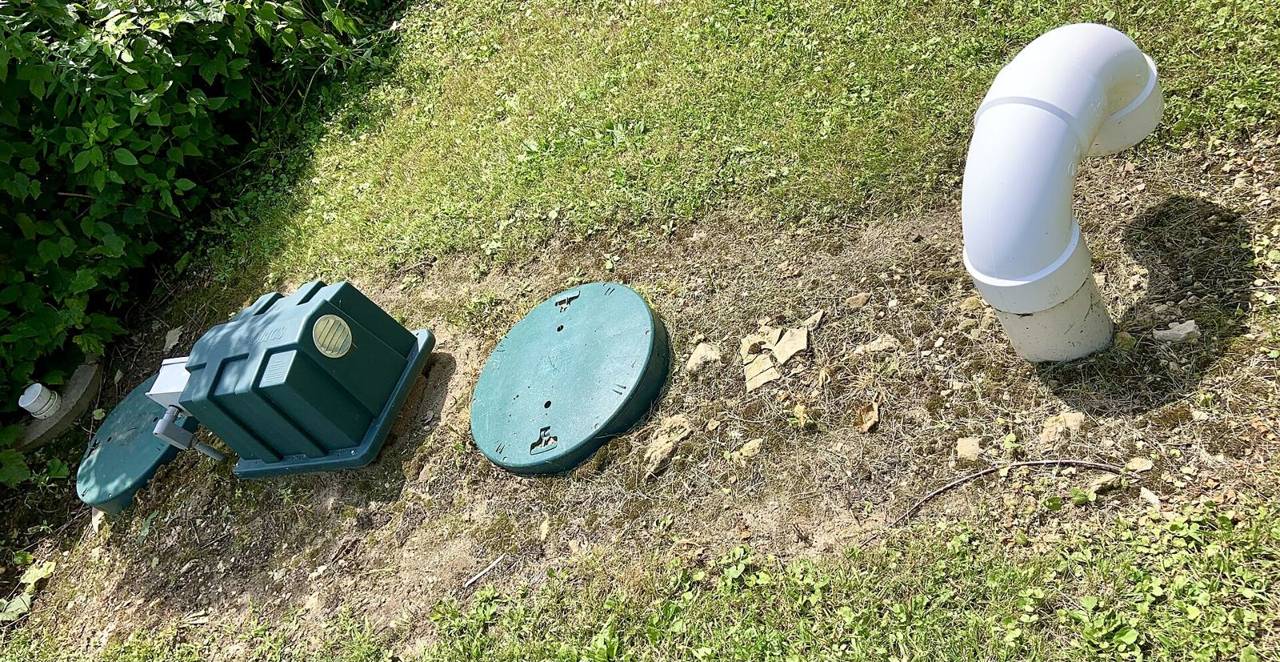
On a visit we check the control panel, test alarms, run the pump and look at the aerator. We open each chamber to see the color and smell of the water. We check the disinfection supply and walk the dispersal area, watching for ponding, runoff toward a creek or neighboring lot, and heads that are clogged or buried. In steep Wimberley yards, we also look for erosion near the lines, because rain on a slope can wash soil off drip tubing and expose it to the sun. Cedar and cypress trees drop needles and fine debris that clog filters and screens around the valley. We clean them at each stop, and we recommend trimming limbs above the tank enclosure when possible.
Wimberley homes often have rental use, seasonal occupancy or long periods when the owner is away. An aerobic system that sits unused can lose its bacteria, and one that suddenly serves a full house can overload. Tell your provider about your occupancy pattern so the schedule makes sense. TCEQ expects provider reports at least every four months. If you rent your home, make sure guests know not to touch the panel and that a contact number is posted for alarms. Post a laminated card inside the garage or utility closet with the provider's number and the alarm meaning, so a guest or a house sitter does not have to guess what a flashing light means.
What to know in Wimberley
Seasonal and rental occupancy
Empty weeks followed by a packed weekend are hard on aerobic bacteria. Ask your provider whether to adjust timers or add pumping around heavy use. Share your calendar so alarms and visits do not come as a surprise to guests. Ask for a simple schedule in writing.
Dispersal areas on slopes
Steeper lots in the Wimberley hills can send spray or drip water downhill if the soil is saturated. We check that application rates match the soil and that nothing flows toward a creek, a driveway or a neighbor. Adjustments are often small but important. Mark heads before landscaping.
Protecting water you can see
Cypress Creek has been tested for bacteria over the years, and local concern about septic impacts is real. A well-maintained aerobic system helps. Keeping contracts current and responding quickly to alarms is one of the most direct things an owner can do for the valley. Avoid pool water in the drain.
Signs you may need aerobic septic maintenance
- Strong sewage or musty smell near the tanks or spray area
- Pooling or runoff from the spray heads
- Dead, matted or overly lush patches in the spray field
- No maintenance report or tag date in more than four months
How aerobic septic maintenance works
For a new aerobic system, the first contract has a set length. The state rule describes an initial two-year service policy that starts when the system is first used. Hays County requires an initial two-year contract for new aerobic systems, and its paperwork says the owner needs a new contract in place at least 30 days before service would end. After the first two years, a single-family homeowner can either keep a licensed provider or, for certain system types, do the maintenance personally. Some counties require homeowner training or do not allow owner maintenance at all. Check with your permitting authority before you decide to go it alone, since the wrong choice can lead to a notice of violation and extra cost.
A routine visit follows a set pattern. The technician checks the control panel and alarm, the air pump and its filter, the aeration chamber, the clarifier and the disinfection unit. In most systems, disinfection uses chlorine tablets that must be replaced as they dissolve. The technician also looks at the spray heads or drip lines to be sure the water spreads evenly and does not pool or run off the property. The state rule calls for a weather-resistant tag on the system that is marked with the date of each check. When the visit ends, the technician finishes a report that goes to you and to the permitting authority, and you should keep your copy with your other septic records.
What to expect on a Wimberley visit
- 01
Review your contract and system records
We start by looking at your permit, your as-built drawing and your current contract, if you have one. This tells us the system brand, the type of disinfection, the spray or drip layout and any county requirements. We also note when your last reports were filed. This homework saves time in the field.
- 02
Check the control panel and alarm
We test the alarm, check the breakers and look at the timer settings. A working alarm is your early warning when something fails. We also look for water damage, loose wires and insects inside the panel, which are common problems in Texas heat and humidity. We note anything that needs follow-up.
- 03
Inspect the tanks and air system
We open the lids and look at each chamber. We check the air pump, the diffuser and the airflow, and we note the water color and smell. These clues show whether the bacteria are healthy and whether solids are building up faster than they should. We record what we see for the report.
- 04
Test and service disinfection
We check the disinfection unit and replace tablets when needed. We test the treated water as the rules call for and watch for any sign that the unit is not working. Using the wrong chlorine product can damage equipment, so we use only what the manufacturer allows. Results go into your written report.
- 05
Walk the spray or drip field
We check each spray head or drip line for clogs, leaks and even coverage. We look for pooling, runoff and the distance from property lines, wells and structures. Adjusting heads and clearing debris keeps the system working as designed and protects your yard. We photograph problem spots when that helps.
- 06
Tag, report and recommend next steps
We mark the tag on the system with the date of the check, finish the written report and send it where it needs to go. We then tell you about any parts that are wearing out, when pumping is due and when the contract needs to be renewed. You keep a copy for your files.
Our approach in Wimberley
- We locate and open your tank, aerobic unit and dispersal area, including buried lids common on older Wimberley properties
- We explain what we find in plain language, with photos where they help
- Repairs and installs are planned around Hays County permitting requirements
- You get written options before any repair work begins
- Aerobic visits are recorded for your maintenance contract
Septic conditions around Wimberley
Wimberley is in Hays County, so septic permits for most properties run through Hays County Development Services, the authorized agent under the state rules TCEQ sets in 30 TAC Chapter 285. A new system, replacement or major repair generally needs a permit and inspections. Hays County asks for an initial two-year maintenance contract on new aerobic systems, and after that the owner needs a contract with a licensed provider or must complete the county's coursework to maintain the system personally. If your property lies inside Wimberley city limits, ask the city whether any local rules apply on top of the county's. Wells in the area are usually regulated separately by a groundwater district, which is a different office from septic. Call before you plan work. Requirements and fees change, and a short call saves expensive mistakes.
Aerobic Septic Maintenance questions from Wimberley homeowners
Do vacation rentals need special aerobic maintenance?
They need the same required maintenance, but often benefit from more frequent checks and a clear alarm plan. Rental use creates big swings in load. Tell your provider about guest counts and booking patterns, and post a contact number so a guest can reach you if an alarm sounds. Ask us to explain each alarm.
What happens if my aerobic system is off for several days?
Without air, the bacteria start to die and the system stops treating waste properly. A short outage is usually fine, but a long one needs attention. After power returns, check the panel and call your provider if an alarm stays on or the water looks dark or smells strongly. Keep the breaker labeled.
Can I use bleach and strong cleaners with an aerobic system?
Use them sparingly. Large amounts of bleach, disinfectants and drain cleaners can kill the bacteria the system depends on. Normal household use is generally fine, but avoid dumping cleaning solutions or pool water into the drain. Ask your provider which products to avoid for your unit. Check labels before buying cleaners.
What does a licensed maintenance provider have to be?
TCEQ licenses the provider as an individual person, not a company. The person must meet training and licensing standards set by the state. When you hire someone, ask for their license number and check it with TCEQ. A company may employ licensed providers, but the license belongs to the person who does the work. A written contract should also list the provider's contact information so you know who to call.
How long is the first maintenance contract on a new system?
State rules describe an initial two-year service policy that begins when the system is first used. Hays County requires an initial two-year contract for new aerobic systems and asks owners to have a new contract in place at least 30 days before the old one ends. Other counties may differ, so call your permitting office. Put the renewal date on your calendar so the contract never lapses.
Can I maintain my own aerobic system after two years?
TCEQ says that two years after installation, homeowners may maintain certain system types themselves. However, some permitting authorities require training or do not allow it at all. Owner maintenance also means you take on the responsibility for upkeep, so many homeowners keep a provider. Ask your county what it allows before you decide. Written approval from the county may be needed if you plan to switch to owner maintenance.
More about aerobic septic maintenance → · All septic services in Wimberley →
Need aerobic septic maintenance in Wimberley?
Call or send a request. We will ask a few questions about your system and the property, then schedule a visit.