Spicewood · Travis and Burnet Counties
Aerobic Septic Maintenance in Spicewood, TX
Aerobic systems are common in Spicewood because shallow rock often rules out a conventional field. Texas requires a maintenance contract with a licensed provider. We inspect the aerator, check the alarm and float, examine spray heads or drip lines, and verify disinfection. Each visit is documented, which helps with county records, lender questions and a future sale. We also review settings and remind you of the next visit.
Aerobic Septic Maintenance for Spicewood homes
Spicewood sits near the edge of the Llano Uplift, where thin soil, rock and sloping ground are common, and that is one reason aerobic systems show up on so many lots. An aerobic treatment unit uses an air pump to feed bacteria, then sends cleaner water to spray heads or drip lines across the yard. Unlike a basic tank, it has electrical and mechanical parts that need regular professional checks. The units themselves vary. Some use a suspended-growth design with a diffuser and a clarifier, others use a fixed-film media, and a few brands rely on a drip dispersal field instead of sprinklers. Your provider should know your exact make and model, and the original manual should live near the panel so any technician can follow the manufacturer's service steps.
Texas requires a maintenance contract with a TCEQ-licensed provider for aerobic systems, and visits are scheduled several times a year. In a typical Spicewood visit we check the air pump and panel, look at the water leaving the unit, confirm disinfection supplies and walk the spray area. On a ranch-style property, that walk can cover a lot of ground, so we note head positions, fencing and where livestock or wildlife might reach. Spray irrigation fields on rural Spicewood lots can be large. Heads may be spread across a hillside or tucked among oaks and cedar. We check each one for clogging, tilt and coverage. A head that sprays in a circle onto a driveway or a trail is a violation risk. Sometimes a quick turn of a nozzle or a new riser fixes the issue.
Between visits, your job is simple. Watch the panel for alarms, keep spray heads clear of tall grass and keep vehicles off the field. Deer browsing, fire ant mounds and fast-growing brush can bury heads in a season. If you travel for weeks, ask about vacation settings and have someone check the panel while you are gone, because an alarm nobody hears becomes a failure. Because many Spicewood properties are second homes, ask your provider how to handle seasonal absences. Some owners lower water use and keep the unit running, while others arrange a service visit just before returning. Either way, a unit left alone for months deserves a check before guests arrive. Ask for a printed checklist so you know exactly what to watch.
What to know in Spicewood
Remote and weekend properties
If your Spicewood home sits empty for long stretches, an unattended alarm can go unnoticed. Ask your maintenance provider about remote alarm options, and give a neighbor or caretaker the panel details and our number so a problem gets reported early. Keep the contact number for your provider on the panel door and on your phone. A caretaker or neighbor who sees the alarm can then call without needing to track down the paperwork.
Which authority holds your file
Spicewood addresses may fall under Travis County or Burnet County. Burnet County requires a 911 address and a building permit before a septic permit, so confirm your address first. Your maintenance reports should go to whichever office issued your permit. Consider storing copies of all service reports in the cloud as well as on paper. Property managers, buyers and county staff may ask for them, and a lost folder is a headache.
Wildfire and drought summers
Dry summers raise fire concerns in Hill Country cedar and brush. Keep spray areas mowed and clear of fuel buildup, and avoid parking hot vehicles on dry grass near the panel. We can talk through safe spray scheduling during burn bans and dry spells. Prepare in spring. Before the dry months, ask your provider to check heads, pressure and timers so your system is ready to run through the longest, hottest part of the year.
Signs you may need aerobic septic maintenance
- Pooling or runoff from the spray heads
- Dead, matted or overly lush patches in the spray field
- No maintenance report or tag date in more than four months
- Contract has expired or you cannot find a copy
How aerobic septic maintenance works
Some of the best maintenance happens between visits. Listen for the air pump, which should hum steadily. Walk the spray area now and then and look for matted grass, dead patches, pooling or odors. Keep the control panel dry and the breaker on. Do not shut off the system when you travel, because the bacteria need air to stay alive. If an alarm sounds, silence it, note the time and call for service. Go easy on bleach, antibacterial cleaners and drain openers, which can harm the bacteria. Watch what goes down the drain too. Grease, wipes, cat litter and coffee grounds do not belong in any septic system, and an aerobic unit is no exception to that rule. A few minutes of attention each month can head off a service call and keep your reports clean.
A good maintenance relationship saves money and stress. Most aerobic problems start small, such as a clogged air filter, a worn diaphragm, a low chlorine level or a plugged spray head. Caught early, these are quick fixes. Caught late, they can lead to pump burnout, untreated water on the ground and expensive repairs. Keep copies of every report and contract, since buyers, lenders and county staff may ask for them. If you are not sure whether your system is covered, call your county permitting office or ask us to help you find the paperwork. We can also pump the tank when it is due and handle small repairs on the same visit, which saves you a trip. Staying organized with your records also makes selling the home easier, since buyers often want to see service history.
What to expect on a Spicewood visit
- 01
Review your contract and system records
We start by looking at your permit, your as-built drawing and your current contract, if you have one. This tells us the system brand, the type of disinfection, the spray or drip layout and any county requirements. We also note when your last reports were filed. This homework saves time in the field.
- 02
Check the control panel and alarm
We test the alarm, check the breakers and look at the timer settings. A working alarm is your early warning when something fails. We also look for water damage, loose wires and insects inside the panel, which are common problems in Texas heat and humidity. We note anything that needs follow-up.
- 03
Inspect the tanks and air system
We open the lids and look at each chamber. We check the air pump, the diffuser and the airflow, and we note the water color and smell. These clues show whether the bacteria are healthy and whether solids are building up faster than they should. We record what we see for the report.
- 04
Test and service disinfection
We check the disinfection unit and replace tablets when needed. We test the treated water as the rules call for and watch for any sign that the unit is not working. Using the wrong chlorine product can damage equipment, so we use only what the manufacturer allows. Results go into your written report.
- 05
Walk the spray or drip field
We check each spray head or drip line for clogs, leaks and even coverage. We look for pooling, runoff and the distance from property lines, wells and structures. Adjusting heads and clearing debris keeps the system working as designed and protects your yard. We photograph problem spots when that helps.
- 06
Tag, report and recommend next steps
We mark the tag on the system with the date of the check, finish the written report and send it where it needs to go. We then tell you about any parts that are wearing out, when pumping is due and when the contract needs to be renewed. You keep a copy for your files.
Our approach in Spicewood
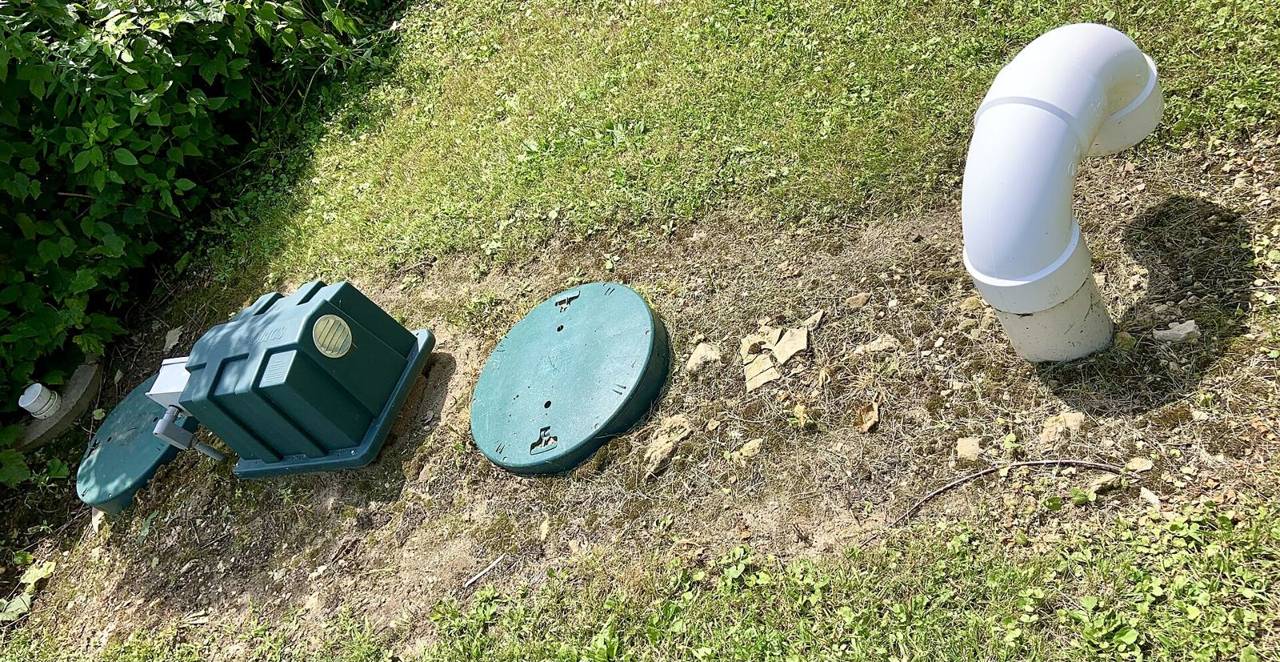
- We locate and open your tank, aerobic unit and dispersal area, including buried lids common on older Spicewood properties
- We explain what we find in plain language, with photos where they help
- Repairs and installs are planned around Travis and Burnet Counties permitting requirements
- You get written options before any repair work begins
- Aerobic visits are recorded for your maintenance contract
Septic conditions around Spicewood
Burnet County Development Services handles septic permitting on its side of the line, and the county ties the process to a 911 address and a building permit, so those steps usually come first for new construction. On the Travis County side, Transportation and Natural Resources acts as the permit authority for unincorporated land under TCEQ's 30 TAC Chapter 285. The LCRA adds another layer near the water. It has regulated septic systems for decades within a zone around Lake Travis, so lakeside lots may fall under its program, and the Burnet County site links to an LCRA jurisdiction map. Texas also requires aerobic systems to be covered by a maintenance contract with a licensed provider. Before you start a repair, replacement or new install, confirm the correct office for your parcel. Phone the permit office early, because a short call can save an application from being sent to the wrong place.
Aerobic Septic Maintenance questions from Spicewood homeowners
Is the maintenance contract the same in Travis and Burnet County?
The state rule is the same: aerobic systems need a contract with a TCEQ-licensed provider. How reports are filed and how notices are handled can differ by county. Ask the office that issued your permit what it expects, and keep every service report in one folder. Counties may differ in how they track reports or answer owner questions, so keep your own file. The permit itself names the office that oversees your system.
Can I turn off my aerobic system when the house is empty?
Please do not switch it off without advice. The bacteria need air and some flow to stay alive, and a dead unit can smell and fail to restart. For a long absence, talk with your provider about settings, and have the panel checked while you are away. Short absences are usually fine with the unit running. For several weeks or more, talk with your provider about settings, and have someone check for alarms. The goal is to keep the bacteria fed and the pump from running dry.
Why does my aerobic tank smell stronger in summer?
Heat speeds up biological activity, and a weak air supply, an overloaded tank or a worn diffuser makes odor worse. A musty smell is normal near the unit, but a sewage smell is not. Call for a check, since low oxygen can lead to poor treatment and clogged heads. A strong odor deserves attention, and we check the diffuser, the filters and the load on the tank. Cleaning or replacing a worn part is usually enough, and you should smell the difference within days.
What does a licensed maintenance provider have to be?
TCEQ licenses the provider as an individual person, not a company. The person must meet training and licensing standards set by the state. When you hire someone, ask for their license number and check it with TCEQ. A company may employ licensed providers, but the license belongs to the person who does the work. A written contract should also list the provider's contact information so you know who to call.
How long is the first maintenance contract on a new system?
State rules describe an initial two-year service policy that begins when the system is first used. Hays County requires an initial two-year contract for new aerobic systems and asks owners to have a new contract in place at least 30 days before the old one ends. Other counties may differ, so call your permitting office. Put the renewal date on your calendar so the contract never lapses.
Can I maintain my own aerobic system after two years?
TCEQ says that two years after installation, homeowners may maintain certain system types themselves. However, some permitting authorities require training or do not allow it at all. Owner maintenance also means you take on the responsibility for upkeep, so many homeowners keep a provider. Ask your county what it allows before you decide. Written approval from the county may be needed if you plan to switch to owner maintenance.
More about aerobic septic maintenance → · All septic services in Spicewood →
Need aerobic septic maintenance in Spicewood?
Call or send a request. We will ask a few questions about your system and the property, then schedule a visit.